- English
- Chinese
- French
- German
- Portuguese
- Spanish
- Russian
- Japanese
- Korean
- Arabic
- Irish
- Greek
- Turkish
- Italian
- Danish
- Romanian
- Indonesian
- Czech
- Afrikaans
- Swedish
- Polish
- Basque
- Catalan
- Esperanto
- Hindi
- Lao
- Albanian
- Amharic
- Armenian
- Azerbaijani
- Belarusian
- Bengali
- Bosnian
- Bulgarian
- Cebuano
- Chichewa
- Corsican
- Croatian
- Dutch
- Estonian
- Filipino
- Finnish
- Frisian
- Galician
- Georgian
- Gujarati
- Haitian
- Hausa
- Hawaiian
- Hebrew
- Hmong
- Hungarian
- Icelandic
- Igbo
- Javanese
- Kannada
- Kazakh
- Khmer
- Kurdish
- Kyrgyz
- Latin
- Latvian
- Lithuanian
- Luxembou..
- Macedonian
- Malagasy
- Malay
- Malayalam
- Maltese
- Maori
- Marathi
- Mongolian
- Burmese
- Nepali
- Norwegian
- Pashto
- Persian
- Punjabi
- Serbian
- Sesotho
- Sinhala
- Slovak
- Slovenian
- Somali
- Samoan
- Scots Gaelic
- Shona
- Sindhi
- Sundanese
- Swahili
- Tajik
- Tamil
- Telugu
- Ukrainian
- Urdu
- Uzbek
- Vietnamese
- Welsh
- Xhosa
- Yiddish
- Yoruba
- Zulu
- Kinyarwanda
- Tatar
- Oriya
- Turkmen
- Uyghur

DACROMET HEXAGON BOLTS-โซลูชั่นการยึดที่ทนทานต่อการกัดกร่อนที่เหนือกว่า
05-11-2569
1. ข้อมูลเบื้องต้นเกี่ยวกับ Dacromet Hex Bolts
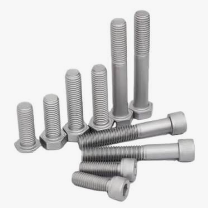
Dacromet hexagon bolts represent a high-performance class of fasteners engineered for exceptional corrosion resistance and long-term rust prevention. These bolts combine the mechanical reliability of standard hexagonal-head bolts with an advanced zinc-aluminum flake coating known as Dacromet (also referred to as Dacro or zinc-flake coating). The result is a bolt that delivers outstanding anti-corrosion performance in harsh environments while preserving precise thread geometry and high tensile strength.
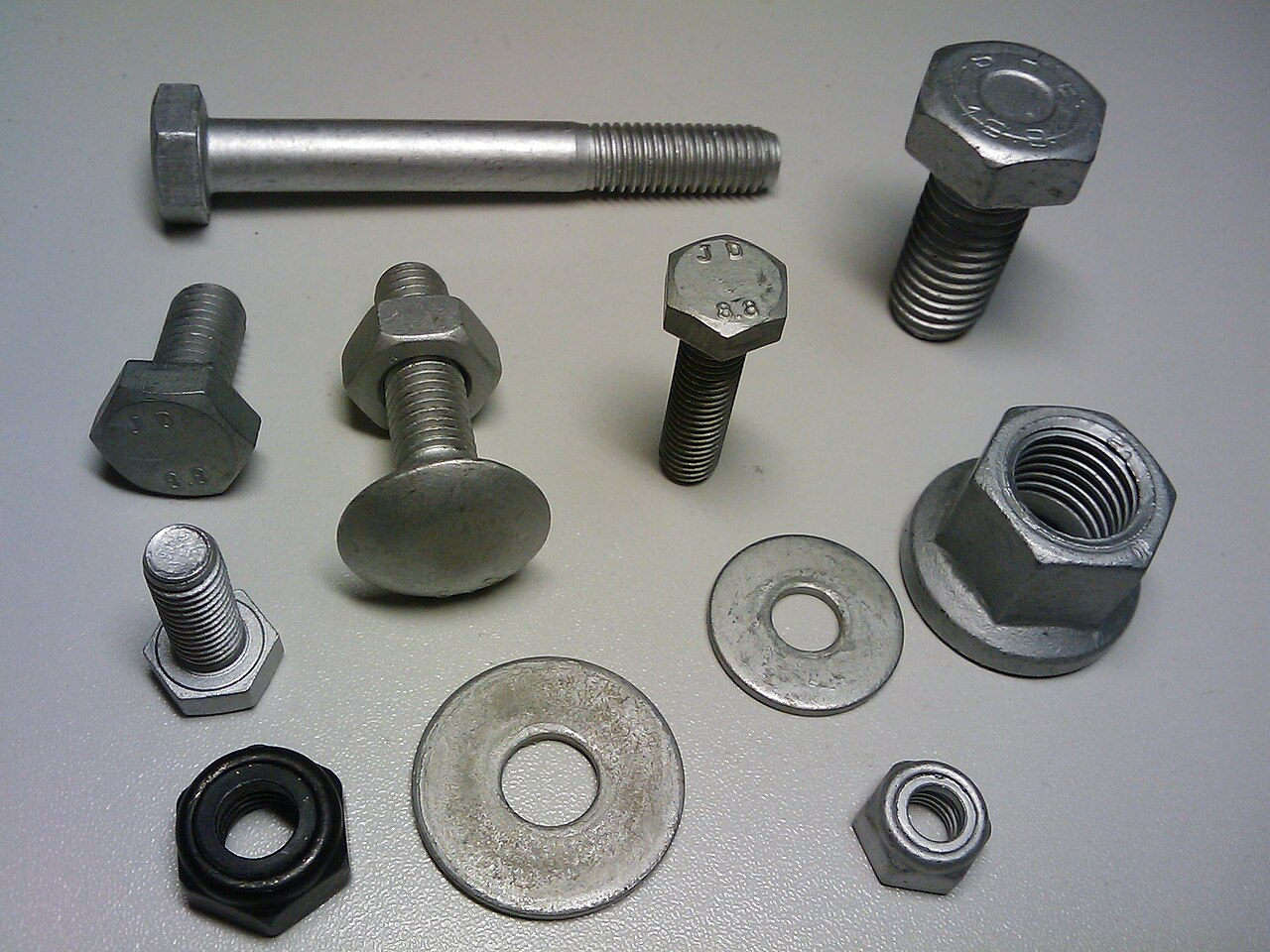
แตกต่างจากสลักเกลียวชุบสังกะสีด้วยไฟฟ้าหรือจุ่มร้อนทั่วไป สลักเกลียวหกเหลี่ยม Dacromet ใช้กระบวนการเคลือบแบบไม่อิเล็กโทรไลต์ ซึ่งช่วยลดความเสี่ยงของการเปราะของไฮโดรเจน ซึ่งเป็นข้อได้เปรียบที่สำคัญสำหรับสลักเกลียวที่มีความแข็งแรงสูงเกรด 8.8, 10.9 และ 12.9 The thin, uniform Dacromet film (typically 4–12 μm) provides superior salt-spray resistance, heat resistance, and overall anti-rust durability, making these bolts the preferred choice in automotive, construction, wind energy, marine, and industrial equipment applications.
2. การเคลือบ Dacromet คืออะไร?
Dacromet is an inorganic, water-based metal surface treatment technology consisting primarily of ultra-fine zinc flakes, aluminum flakes, and chromium-based binders. When applied to a hexagon bolt and cured at elevated temperature (approximately 300 °C), the flakes align into multiple overlapping layers, forming a dense, metallic silver-gray barrier. This multi-layer structure creates both a physical barrier against moisture and electrolytes and a sacrificial anodic protection mechanism that actively resists rust formation.
The coating on a Dacromet hexagon bolt offers dual protection: the zinc flakes act as a sacrificial anode, corroding preferentially to protect the steel substrate, while the aluminum flakes and inorganic matrix enhance barrier properties and improve overall corrosion resistance. Because the process is non-electrolytic, no hydrogen is introduced into the steel lattice, preserving the full mechanical integrity of high-strength bolts.
3. กระบวนการเคลือบ Dacromet สำหรับสลักเกลียวหกเหลี่ยม
The production of a reliable Dacromet hexagon bolt follows a carefully controlled sequence designed to maximize adhesion, uniformity, and anti-corrosion performance:
1.การเตรียมพื้นผิว: โบลต์ผ่านการทำความสะอาดอย่างละเอียดและการกำจัดสนิมทางกลหรืออัลคาไลน์ จงใจหลีกเลี่ยงการใช้กรดในการดองเพื่อป้องกันการดูดซึมไฮโดรเจนซึ่งอาจนำไปสู่การเปราะของสลักเกลียวที่มีความแข็งแรงสูง
2. การเคลือบผิว: สลักเกลียวหกเหลี่ยมที่ทำความสะอาดแล้วจะถูกจุ่ม ฉีดพ่น หรือจุ่มปั่นในสารละลาย Dacromet ที่ใช้น้ำซึ่งมีเกล็ดสังกะสีและอะลูมิเนียม Dip-spin เป็นวิธีการทางอุตสาหกรรมที่ใช้กันทั่วไปในการแปรรูปโบลต์จำนวนมาก
3. การบ่ม / การเผาผนึก: สลักเกลียวเคลือบจะถูกอบที่อุณหภูมิประมาณ 300 °C ในระหว่างการบ่ม สารยึดเกาะจะทำปฏิกิริยาและสะเก็ดโลหะจะเผากลายเป็นฟิล์มอนินทรีย์ที่ยึดติดแน่นอย่างต่อเนื่อง
4. การตรวจสอบคุณภาพ: Finished Dacromet hexagon bolts are checked for coating thickness, adhesion, appearance, and salt-spray performance to guarantee consistent anti-rust protection.
4. การเปรียบเทียบประสิทธิภาพของสารเคลือบป้องกันการกัดกร่อน
ตารางต่อไปนี้สรุปความแตกต่างที่สำคัญระหว่างสลักเกลียวหกเหลี่ยม Dacromet และสลักเกลียวที่เคลือบด้วยวิธีป้องกันสนิมแบบดั้งเดิม:
| คุณสมบัติ | ดาโครเมต | การชุบสังกะสีด้วยไฟฟ้า | การชุบสังกะสีแบบจุ่มร้อน |
| ความหนาของการเคลือบ | 4–12 ไมโครเมตร | 5–15 ไมโครเมตร | 40–85 ไมโครเมตร |
| สเปรย์เกลือ (ไม่เป็นสนิมแดง) | 600–1,200+ ชม | 100–300 ชม | 500–800 ชม |
| ความเสี่ยงจากการแตกตัวของไฮโดรเจน | ไม่มี | สูง (ต้องอบ) | ต่ำ-ปานกลาง |
| ทนความร้อน | สูงถึง 300 °C | ≤ 100–120 องศาเซลเซียส | ≤ 200 องศาเซลเซียส |
| ผลกระทบต่อเกลียว | น็อตขั้นต่ำ / มาตรฐาน ตกลง | น้อยที่สุด | สำคัญ (อาจต้องมีขนาดใหญ่เกินไป) |
| ข้อมูลด้านสิ่งแวดล้อม | ใช้น้ำและมีมลภาวะต่ำ | จำเป็นต้องบำบัดน้ำเสีย | ตะกรันสังกะสี / น้ำเสีย |
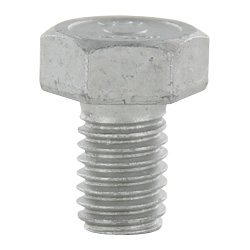
5. การใช้งานทั่วไปของสลักเกลียวหกเหลี่ยม Dacromet
Thanks to their outstanding corrosion resistance, hydrogen-embrittlement-free nature, and dimensional accuracy, Dacromet hexagon bolts are widely specified in demanding sectors:
- ยานยนต์และยานพาหนะเพื่อการพาณิชย์: ส่วนประกอบเครื่องยนต์ แชสซี ระบบกันสะเทือน และตัวยึดใต้ท้องรถที่ต้องต้านทานเกลือและความชื้นบนถนน
- พลังงานลมและพลังงานหมุนเวียน: สลักเกลียวทาวเวอร์ ฐานรอง และฐานรากที่สัมผัสกับสภาพอากาศชายฝั่งหรือนอกชายฝั่ง
- การก่อสร้างและโครงสร้างพื้นฐาน: การเชื่อมต่อโครงสร้าง สะพาน และงานเหล็กกลางแจ้งที่ต้องการประสิทธิภาพการป้องกันสนิมในระยะยาว
- ทางทะเลและนอกชายฝั่ง: อุปกรณ์และสลักเกลียวโครงสร้างภายใต้บรรยากาศที่เต็มไปด้วยเกลืออย่างต่อเนื่อง
- เครื่องจักรอุตสาหกรรมและเครื่องจักรกลหนัก: ข้อต่อแบบสลักเกลียวที่มีความแข็งแรงสูงในสภาพแวดล้อมที่ทั้งความน่าเชื่อถือทางกลและการป้องกันการกัดกร่อนเป็นสิ่งสำคัญ
6. ข้อมูลจำเพาะทางเทคนิคและข้อมูลประสิทธิภาพ
ตัวบ่งชี้ประสิทธิภาพโดยทั่วไปสำหรับโบลต์หกเหลี่ยมเคลือบ Dacromet มีดังต่อไปนี้ ค่าที่แน่นอนขึ้นอยู่กับเกรดการเคลือบ (เช่น Dacromet 320 หรือ 500) และพารามิเตอร์ของกระบวนการ
| พารามิเตอร์ | ค่าทั่วไป / ประสิทธิภาพ |
| ระบบการเคลือบ | สังกะสี + เกล็ดอลูมิเนียม (Dacromet 320 / 500) |
| ลักษณะที่ปรากฏ | สีเทาเงินเมทัลลิก เคลือบด้านถึงซาติน |
| ความหนาของฟิล์มแห้งโดยทั่วไป | 4–12 μm (เกรด A / B ขึ้นอยู่กับสเปค) |
| ความต้านทานสเปรย์เกลือ (ISO 9227) | ≥ 600 ชม. (เกรด A) ถึง ≥ 1,000–1,200 ชม. (เกรด B) โดยไม่มีสนิมแดง |
| อุณหภูมิบริการต่อเนื่องสูงสุด | ประมาณ 300 องศาเซลเซียส |
| การแตกตัวของไฮโดรเจน | ไม่มี (กระบวนการที่ไม่ใช่อิเล็กโทรไลต์) |
| เกรดความแข็งแรงของโบลต์ที่เหมาะสม | 4.8, 8.8, 10.9, 12.9 และสูงกว่า |
| ความเข้ากันได้ของเธรด | ถั่วมาตรฐาน ผลกระทบน้อยที่สุดต่อเส้นผ่านศูนย์กลางของพิทช์ |
| มาตรฐานทั่วไป / อ้างอิง | ISO 10683 (ระบบเกล็ดสังกะสีที่เกี่ยวข้อง), ข้อมูลจำเพาะของยานยนต์ OEM |
7. บทสรุป
Dacromet hexagon bolts offer a modern, high-performance solution for applications that demand both high mechanical strength and outstanding long-term corrosion resistance. By combining a thin, non-electrolytic zinc-aluminum flake coating with precise hexagonal geometry, these bolts eliminate hydrogen-embrittlement risks while delivering salt-spray resistance far superior to conventional electro-galvanizing. Their excellent heat resistance, thread compatibility, and environmental friendliness further enhance their value across automotive, energy, construction, and industrial sectors.
When specifying fasteners for corrosive service environments, engineers and buyers increasingly turn to Dacromet-coated hexagon bolts as the reliable, anti-rust choice that protects critical joints for decades. Proper process control and quality verification ensure that every bolt delivers the full corrosion-protection performance that the Dacromet technology is known for.
In summary, the Dacromet hexagon bolt stands as a proven, cost-effective, and technically superior anti-corrosion fastener for the most demanding applications.