- English
- Chinese
- French
- German
- Portuguese
- Spanish
- Russian
- Japanese
- Korean
- Arabic
- Irish
- Greek
- Turkish
- Italian
- Danish
- Romanian
- Indonesian
- Czech
- Afrikaans
- Swedish
- Polish
- Basque
- Catalan
- Esperanto
- Hindi
- Lao
- Albanian
- Amharic
- Armenian
- Azerbaijani
- Belarusian
- Bengali
- Bosnian
- Bulgarian
- Cebuano
- Chichewa
- Corsican
- Croatian
- Dutch
- Estonian
- Filipino
- Finnish
- Frisian
- Galician
- Georgian
- Gujarati
- Haitian
- Hausa
- Hawaiian
- Hebrew
- Hmong
- Hungarian
- Icelandic
- Igbo
- Javanese
- Kannada
- Kazakh
- Khmer
- Kurdish
- Kyrgyz
- Latin
- Latvian
- Lithuanian
- Luxembou..
- Macedonian
- Malagasy
- Malay
- Malayalam
- Maltese
- Maori
- Marathi
- Mongolian
- Burmese
- Nepali
- Norwegian
- Pashto
- Persian
- Punjabi
- Serbian
- Sesotho
- Sinhala
- Slovak
- Slovenian
- Somali
- Scots Gaelic
- Shona
- Sindhi
- Sundanese
- Swahili
- Tajik
- Tamil
- Telugu
- Thai
- Ukrainian
- Urdu
- Uzbek
- Vietnamese
- Welsh
- Xhosa
- Yiddish
- Yoruba
- Zulu
- Kinyarwanda
- Tatar
- Oriya
- Turkmen
- Uyghur

Top Sleeve, Square, Thumb & Thin Nuts: Factory Direct Price
2026-06-01
- Understanding Core Fastener Types: Sleeve, Square, Thumb, and Thin Nuts
- Detailed Comparison: Specifications and Applications
- Factory Direct Pricing Advantages
- Step-by-Step Guide: Selecting the Right Nut for Your Project
- Common Applications Across Industries
- Frequently Asked Questions (FAQ)
- Conclusion and Next Steps
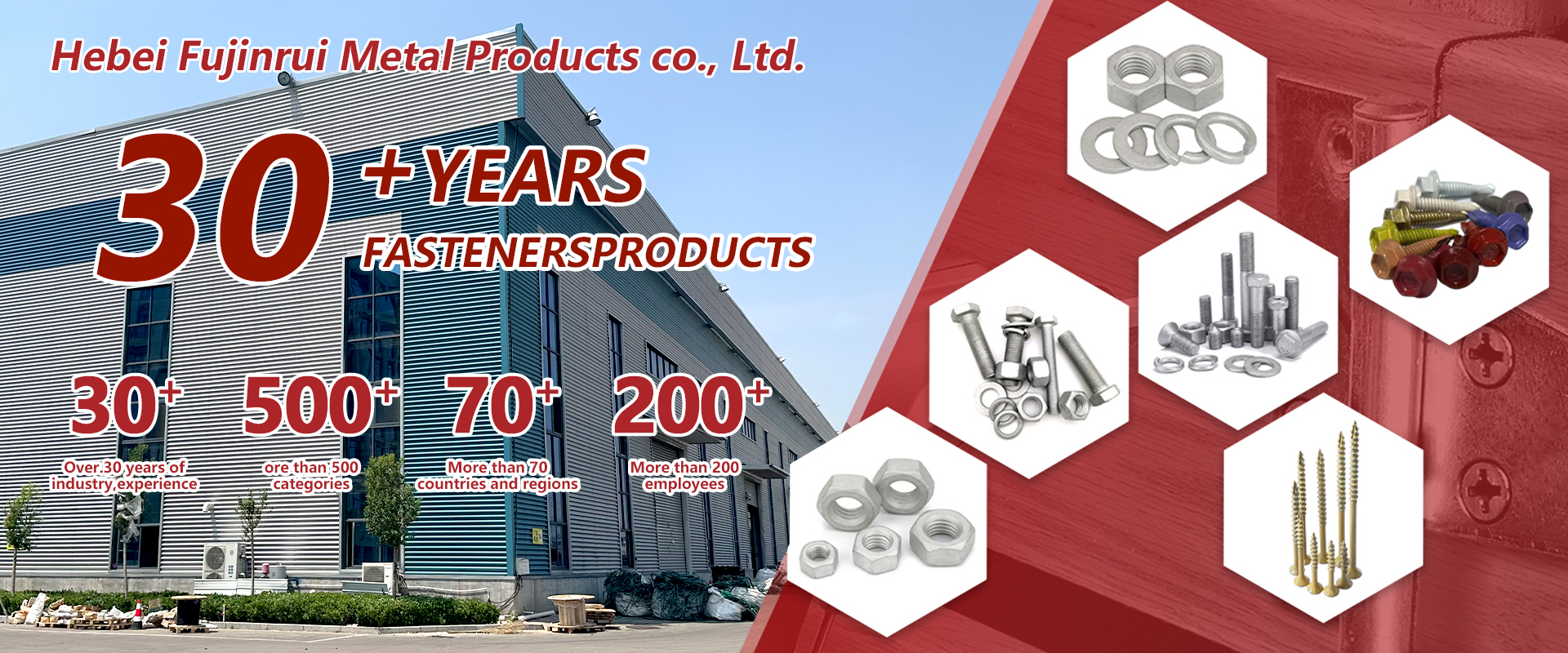
Looking for reliable sleeve nuts, square nuts, thumb nuts, and thin nuts at factory direct prices? Backed by over two decades of industry expertise, Hebei Fujinrui Metal Products Co., Ltd. specializes in producing high-precision fasteners designed for diverse industrial applications. Established in 2004 and located in Handan City, Hebei Province, our 10,000-square-meter facility employs a skilled team of more than 200 professionals dedicated to integrating fastener production with advanced metal surface corrosion protection. By eliminating intermediaries, we deliver superior quality components—ranging from American to German and national standards—directly to engineers, procurement managers, and distributors across Europe, America, the Middle East, and beyond. This guide details the specifications, advantages, and optimal selection criteria for these essential hardware elements, ensuring you make informed decisions for your assembly needs.
Understanding Core Fastener Types: Sleeve, Square, Thumb, and Thin Nuts
In the realm of mechanical assembly, selecting the correct fastener is critical for structural integrity and operational efficiency. The four primary categories discussed here—sleeve, square, thumb, and thin nuts—serve distinct purposes across industries ranging from construction to electronics. Each type offers unique geometric properties that address specific load-bearing, accessibility, or space-constraint challenges.
Sleeve nuts, often referred to as coupling nuts, are elongated fasteners used to join two threaded rods end-to-end. Their extended length provides increased thread engagement, which is vital for tension applications. Square nuts feature a four-sided geometry that prevents rotation when tightened against a flat surface, making them ideal for timber framing and rail systems. Thumb nuts are engineered with large, flanged wings to allow manual tightening and loosening without tools, facilitating frequent adjustments. Finally, thin nuts, or jam nuts, possess a reduced profile height, perfect for applications where vertical space is limited or when locking a primary nut in place.
At Hebei Fujinrui, our focus on precision engineering ensures these components adhere to rigorous international standards while maintaining cost-effectiveness through direct manufacturing. Understanding the fundamental differences between these types allows professionals to optimize their bill of materials for both performance and budget.
The Mechanical Advantage of Sleeve Nuts
Sleeve nuts are indispensable in scenarios requiring the extension of threaded rods or the alignment of disjointed components. Unlike standard hex nuts, the cylindrical body of a sleeve nut offers a significantly longer grip length. This design distributes stress more evenly across the threads, reducing the risk of stripping under high tensile loads.
- Extended Thread Engagement: The length ensures multiple threads share the load, enhancing durability.
- Versatile Connectivity: Ideal for joining two male-threaded ends without additional couplers.
- Customizable Lengths: Manufactured in various lengths to suit specific rod spacing requirements.
In plumbing, HVAC, and electrical conduit installations, sleeve nuts provide a seamless connection that maintains the continuity of the threaded path. Our production line utilizes high-grade steel alloys and mature corrosion protection technologies to ensure these nuts withstand environmental stress over extended periods.
Why Square Nuts Remain Industry Standards
Despite the prevalence of hexagonal fasteners, the square nut retains a dominant position in specific sectors due to its anti-rotation capabilities. When seated against a flat surface, the broad flats of the square shape create significant friction, preventing the nut from spinning during the tightening process. This feature is particularly valuable in wooden structures where the nut can embed slightly into the material for a secure hold.
Historically used in railroad tracks and timber framing, square nuts are now also prevalent in conveyor systems and heavy machinery bases. The larger bearing surface area compared to hex nuts reduces the pressure on the mating surface, minimizing damage to soft materials like wood or plastic. Our factory produces these with precise tolerances to ensure smooth threading while maintaining the necessary grip.
Ergonomics and Efficiency with Thumb Nuts
Operational efficiency often hinges on how quickly a component can be assembled or disassembled. Thumb nuts address this by integrating large, ergonomic wings that maximize leverage for human fingers. This design eliminates the need for wrenches or sockets, significantly speeding up maintenance routines and user adjustments.
Commonly found in camera mounts, musical instruments, laboratory equipment, and consumer electronics, thumb nuts prioritize user experience. The wings are designed to be comfortable to grip even when wearing gloves. We offer various wing styles, including butterfly and T-bar configurations, to match specific aesthetic and functional requirements. The internal threads are machined to ensure smooth operation without cross-threading, a common issue with lower-quality manual fasteners.
Space-Saving Solutions with Thin Nuts
In compact assemblies, every millimeter counts. Thin nuts, characterized by their low profile height (typically half that of a standard nut), provide a robust locking solution where space is at a premium. They are frequently used as “jam nuts” to lock a thicker primary nut in place, preventing loosening due to vibration.
Applications include automotive engines, aerospace components, and dense electronic circuit boards. The reduced height allows designers to minimize the overall envelope of the assembly without sacrificing clamping force. Our manufacturing process ensures that despite the reduced material volume, the tensile strength remains consistent with industry safety factors. These nuts are essential for fine-tuning alignments in precision machinery.
Detailed Comparison: Specifications and Applications
Selecting the right nut involves balancing mechanical requirements, environmental conditions, and installation constraints. The following table provides a comprehensive comparison of sleeve, square, thumb, and thin nuts to assist in your decision-making process.
| Feature | Sleeve Nut | Square Nut | Thumb Nut | Thin Nut |
|---|---|---|---|---|
| Primary Function | Joining threaded rods | Anti-rotation locking | Manual adjustment | Space saving / Locking |
| Geometry | Long cylinder | Four-sided prism | Hex with wings | Low-profile hex |
| Tool Requirement | Wrench required | Wrench required | Hand-tightened | Wrench required |
| Bearing Surface | Moderate | Large (distributes load) | Variable (wing dependent) | Standard |
| Typical Materials | Steel, Stainless, Brass | Steel, Zinc Plated | Steel, Plastic, Nylon | High-tensile Steel |
| Key Industries | Construction, Plumbing | Railway, Timber, Heavy Machinery | Electronics, Medical, Consumer Goods | Automotive, Aerospace |
This comparison highlights that while all four serve as fastening elements, their specific geometries dictate their optimal use cases. For instance, choosing a square nut for a wooden beam prevents the tool from slipping and damaging the surrounding wood, whereas a thumb nut is inappropriate for high-torque applications but unbeatable for frequent access points.
Material Selection and Corrosion Resistance
The longevity of any fastener system depends heavily on material compatibility with the operating environment. As an enterprise integrating fastener production with metal surface corrosion protection, Hebei Fujinrui offers these nut types in a variety of materials and finishes. Carbon steel with zinc plating is the standard choice for indoor applications, offering a balance of strength and cost. For outdoor or marine environments, stainless steel (grades 304 and 316) is recommended to resist rust and corrosion.
In specialized industries like food processing or chemical manufacturing, we produce nuts in brass or specialized coated alloys to prevent contamination and withstand aggressive agents. For thumb nuts used in lightweight applications, high-strength engineering plastics like nylon provide excellent electrical insulation and chemical resistance while reducing overall weight.
Factory Direct Pricing Advantages
Procuring fasteners directly from the manufacturer offers significant economic and logistical benefits compared to purchasing through distributors or retail channels. By removing the middleman, buyers gain access to true factory direct prices, which can result in substantial cost savings, especially for bulk orders.
Cost Efficiency: Without markup layers from wholesalers, the unit price is optimized. This is particularly impactful for large-scale projects requiring thousands of units.
Quality Control: Direct interaction with our production team of over 200 experts ensures that quality standards are met consistently. Any defects or deviations can be addressed immediately at the source.
Customization: With more than 20 years of experience, our factory can accommodate custom specifications, such as non-standard thread pitches (American, German, National standards), unique plating finishes, or specific dimensional tolerances, which off-the-shelf suppliers cannot easily provide.
Supply Chain Stability: Establishing a direct relationship secures a steady supply chain, reducing the risk of stockouts during peak demand periods. Lead times are often shorter as inventory management is streamlined within our 10,000-square-meter facility.
Our facility operates with lean manufacturing principles, ensuring that efficiency gains are passed on to the customer. Whether you require a small batch for prototyping or millions of units for mass production, our pricing structure scales to meet your budgetary goals without compromising on material integrity.
Quality Assurance Protocols
Maintaining trustworthiness in the fastener industry requires rigorous quality assurance (QA) protocols. Every batch of sleeve, square, thumb, and thin nuts undergoes strict inspection before leaving the Hebei Fujinrui factory floor. We employ advanced metrology tools to verify thread accuracy, dimensional tolerance, and surface finish.
- Thread Gauge Testing: Ensures perfect fitment with corresponding bolts and rods.
- Hardness Testing: Verifies that the material meets the required tensile and yield strength specifications.
- Coating Thickness Analysis: Confirms that plating levels are sufficient for the intended environmental exposure.
- Visual Inspection: Automated and manual checks for surface defects, cracks, or imperfections.
These measures align with global industry standards, providing customers with the confidence that their assemblies will perform reliably under stress. Documentation, including material certificates and test reports, is available upon request to support compliance audits.
Step-by-Step Guide: Selecting the Right Nut for Your Project
Choosing the appropriate fastener involves a systematic evaluation of your project’s requirements. Follow this logical workflow to ensure optimal selection and performance.
- Step 1: Define Load Requirements: Determine the tensile and shear forces the joint will endure. High-load applications may require high-grade steel sleeve or square nuts, while low-load scenarios might suffice with standard grades or plastic thumb nuts.
- Step 2: Assess Environmental Conditions: Identify exposure to moisture, chemicals, or extreme temperatures. Select stainless steel or coated variants for corrosive environments to prevent premature failure.
- Step 3: Evaluate Space Constraints: Measure the available clearance around the fastening point. If vertical space is limited, opt for thin nuts. If rotational clearance is tight, consider the profile of square versus hex nuts.
- Step 4: Determine Frequency of Access: If the joint requires frequent adjustment or removal, thumb nuts are the superior choice. For permanent or semi-permanent connections, sleeve or square nuts provide greater security.
- Step 5: Verify Thread Compatibility: Ensure the nut’s thread pitch and diameter match the mating bolt or rod exactly. Mismatched threads can lead to stripped connections and structural weakness.
- Step 6: Consult Manufacturing Capabilities: Contact Hebei Fujinrui directly to discuss custom needs, volume discounts, and lead times. Leveraging our 20+ years of factory expertise can reveal optimization opportunities you might overlook.
This structured approach minimizes the risk of component failure and ensures that the selected fasteners contribute positively to the overall system reliability.
Common Applications Across Industries
The versatility of sleeve, square, thumb, and thin nuts makes them ubiquitous across a wide spectrum of industries. Understanding where each type excels helps in visualizing their practical utility.
Construction and Infrastructure
In construction, square nuts are frequently embedded in concrete or used in timber framing due to their ability to resist turning. Sleeve nuts are critical for connecting rebar or threaded rods in foundation systems, ensuring continuous load paths in seismic zones. The robustness of these components is essential for maintaining the structural integrity of buildings and bridges.
Manufacturing and Automation
Automated assembly lines rely on precise fastening. Thin nuts are often used in robotic arms and conveyor mechanisms where compact design is paramount. Thumb nuts facilitate quick changeovers of tooling and fixtures, reducing downtime during maintenance. The consistency of factory-direct supply from Hebei Fujinrui ensures that production schedules remain uninterrupted.
Consumer Electronics and Appliances
Inside consumer devices, space is extremely limited. Thin nuts secure internal components without adding bulk. Thumb nuts are visible in user-adjustable parts like antenna mounts or battery compartments, enhancing the end-user experience. Aesthetic considerations often drive the choice of finish, with nickel or black oxide coatings being popular choices.
Transportation and Automotive
Vehicles subject to constant vibration require secure fastening solutions. Thin nuts act as effective lock nuts in engine assemblies and suspension systems. Sleeve nuts are utilized in exhaust systems and chassis modifications. The ability to source these in high volumes at competitive prices is crucial for automotive manufacturers managing tight margins.
Frequently Asked Questions (FAQ)
Addressing common queries helps clarify uncertainties regarding the specification and procurement of these fasteners.
What is the main difference between a sleeve nut and a coupling nut?
Technically, there is no significant difference; the terms are often used interchangeably. Both refer to an elongated nut used to join two threaded rods. However, in some specific industries, “sleeve nut” might imply a specific finish or tolerance, so it is always best to verify the technical drawing specifications with the manufacturer.
Can square nuts be used with standard hex bolts?
Yes, square nuts are compatible with standard hex bolts provided the thread pitch and diameter match. The difference lies in the external shape, not the internal threading. The square outer shape offers better resistance to rotation when tightened against a flat surface compared to a hex nut.
Are thumb nuts suitable for high-torque applications?
Generally, no. Thumb nuts are designed for manual tightening and low-to-moderate torque applications. For high-torque requirements, a wrench-driven nut is necessary to achieve the required clamping force safely. Using a thumb nut in a high-stress scenario could lead to hand injury or joint failure.
How do I prevent thin nuts from loosening due to vibration?
Thin nuts are often used as jam nuts. To prevent loosening, tighten the primary nut first, then thread the thin nut against it and tighten it firmly. This creates a locking action between the two nuts. Alternatively, use thread-locking adhesives or nylon-insert variants if available in the thin profile.
What is the minimum order quantity (MOQ) for factory direct purchases?
MOQs vary depending on the specific nut type, material, and customization requirements. While large bulk orders receive the best pricing, Hebei Fujinrui offers flexible MOQs to accommodate prototypes and smaller projects. Direct consultation is recommended to determine the most cost-effective order size for your needs.
Do you provide custom plating or coating services?
Yes, as an enterprise specializing in metal surface corrosion protection, we offer a comprehensive range of surface treatments, including zinc plating, hot-dip galvanizing, nickel plating, and black oxide. Custom coatings can be applied to meet specific corrosion resistance or aesthetic requirements. Discuss your environmental needs with our sales team to select the appropriate finish.
Conclusion and Next Steps
Selecting the right fasteners—whether sleeve nuts for extending rods, square nuts for anti-rotation stability, thumb nuts for ease of use, or thin nuts for space-constrained assemblies—is fundamental to the success of any engineering project. By sourcing these components directly from Hebei Fujinrui Metal Products Co., Ltd., you secure not only competitive pricing but also guaranteed quality, customization options, and reliable supply chain support backed by over 20 years of industry experience.
This approach is ideally suited for procurement managers, mechanical engineers, and business owners who prioritize value without compromising on performance. Whether you are outfitting a large-scale infrastructure project or assembling precision electronic devices, understanding the nuances of each nut type empowers you to make superior design choices.
To optimize your next project, evaluate your specific load, environmental, and spatial requirements against the capabilities outlined in this guide. We recommend reaching out directly to our manufacturing team in Handan City to discuss your specific volume needs and request a customized quote. Taking this step ensures you leverage the full benefits of factory-direct procurement, securing the high-quality hardware necessary for your operations’ long-term success.