- English
- Chinese
- French
- German
- Portuguese
- Spanish
- Russian
- Japanese
- Korean
- Arabic
- Irish
- Greek
- Turkish
- Italian
- Danish
- Romanian
- Indonesian
- Czech
- Afrikaans
- Swedish
- Polish
- Basque
- Catalan
- Esperanto
- Hindi
- Lao
- Albanian
- Amharic
- Armenian
- Azerbaijani
- Belarusian
- Bengali
- Bosnian
- Bulgarian
- Cebuano
- Chichewa
- Corsican
- Croatian
- Dutch
- Estonian
- Filipino
- Finnish
- Frisian
- Galician
- Georgian
- Gujarati
- Haitian
- Hausa
- Hawaiian
- Hebrew
- Hmong
- Hungarian
- Icelandic
- Igbo
- Javanese
- Kannada
- Kazakh
- Khmer
- Kurdish
- Kyrgyz
- Latin
- Latvian
- Lithuanian
- Luxembou..
- Macedonian
- Malagasy
- Malay
- Malayalam
- Maltese
- Maori
- Marathi
- Mongolian
- Burmese
- Nepali
- Norwegian
- Pashto
- Persian
- Punjabi
- Serbian
- Sesotho
- Sinhala
- Slovak
- Slovenian
- Somali
- Scots Gaelic
- Shona
- Sindhi
- Sundanese
- Swahili
- Tajik
- Tamil
- Telugu
- Thai
- Ukrainian
- Urdu
- Uzbek
- Vietnamese
- Welsh
- Xhosa
- Yiddish
- Yoruba
- Zulu
- Kinyarwanda
- Tatar
- Oriya
- Turkmen
- Uyghur

Top Rubber Bonded Washer Manufacturer: Factory Direct Price
2026-06-04
- What Is a Rubber Bonded Washer and How Does It Work?
- Key Advantages of Factory-Direct Rubber Bonded Washers
- About Hebei Fujinrui Metal Products Co., Ltd.
- Material Selection: Choosing the Right Elastomer
- Metal Core Options and Surface Treatments
- Comparison: Rubber Bonded Washers vs. Traditional Sealing Solutions
- Common Applications Across Industries
- Installation Best Practices for Optimal Performance
- Quality Control and Manufacturing Standards
- Frequently Asked Questions (FAQ)
- Why Choose Factory-Direct Sourcing?
- Conclusion and Next Steps
A rubber bonded washer is a precision sealing component featuring a metal insert permanently encased in an elastomeric outer ring. This design combines the structural strength of metal with the sealing flexibility of rubber, creating an optimal solution for high-pressure and vibration-prone environments. As a leading manufacturer offering factory-direct pricing, we deliver these critical components with strict adherence to international quality standards, ensuring reliable performance across automotive, hydraulic, and industrial applications without the markup of intermediaries.
What Is a Rubber Bonded Washer and How Does It Work?
The fundamental engineering behind a rubber bonded washer lies in its composite structure. Unlike traditional flat washers made solely of metal or rubber, this component utilizes a vulcanization process to chemically bond a soft elastomer to a rigid metal core. The metal insert, typically steel or stainless steel, provides resistance against crushing forces when the fastener is tightened.
Simultaneously, the outer rubber ring acts as the primary sealing element. When compressed, the elastomer deforms to fill microscopic imperfections on the mating surface, creating a leak-proof barrier. This dual-function design addresses two common failure modes in sealing applications: gasket extrusion under high pressure and seal degradation due to vibration.
The bonding process is critical. If the adhesion between the rubber and metal fails, the washer loses its integrity. High-quality manufacturing ensures that the bond strength exceeds the tensile strength of the rubber itself, meaning the material will tear before it separates from the metal core. This reliability makes the rubber bonded washer a preferred choice for critical systems where leakage is not an option.
The Mechanics of the Seal
Understanding the mechanics helps in selecting the right specification for your needs. The sealing action occurs primarily through radial compression. As the bolt head or nut presses against the washer, the metal insert limits the vertical compression, preventing the rubber from being squeezed out completely.
- Controlled Deformation: The rubber flows into surface irregularities of the flange or housing.
- Stress Distribution: The metal core distributes the clamping load evenly, preventing localized stress points.
- Vibration Damping: The elastomeric layer absorbs vibrational energy, preventing the fastener from loosening over time.
This mechanical synergy allows the component to maintain a seal even when the system undergoes thermal expansion and contraction, a scenario where pure metal or pure rubber washers often fail.
Key Advantages of Factory-Direct Rubber Bonded Washers
Sourcing directly from a specialized manufacturer offers distinct advantages beyond just cost savings. The production of rubber bonded washers requires precise control over material formulation, molding temperatures, and curing times. A dedicated factory environment ensures consistency that generalist suppliers cannot match.
When you purchase factory-direct, you eliminate the supply chain layers that often introduce delays and quality variances. Direct engagement allows for tighter control over raw material selection, ensuring that only certified elastomers and metals are used. This traceability is essential for industries requiring strict compliance with safety and performance regulations.
Furthermore, direct manufacturers possess the technical expertise to offer custom solutions. Whether your application requires a non-standard inner diameter, a specific rubber compound for chemical resistance, or a unique plating for the metal insert, a factory can adapt its production lines to meet these specifications without the prohibitive costs associated with third-party brokers.
Cost Efficiency Without Compromising Quality
The “factory-direct” model translates to significant cost reductions for high-volume users. By removing distributor markups, businesses can access premium-grade rubber bonded washers at competitive prices. However, cost efficiency should never come at the expense of performance.
Reputable manufacturers maintain rigorous quality control protocols. Every batch undergoes testing for bond strength, hardness, and dimensional accuracy. This commitment to quality ensures that the lower price point reflects operational efficiency rather than inferior materials. In the long run, investing in high-quality seals reduces downtime and maintenance costs associated with leaks and failures.
About Hebei Fujinrui Metal Products Co., Ltd.
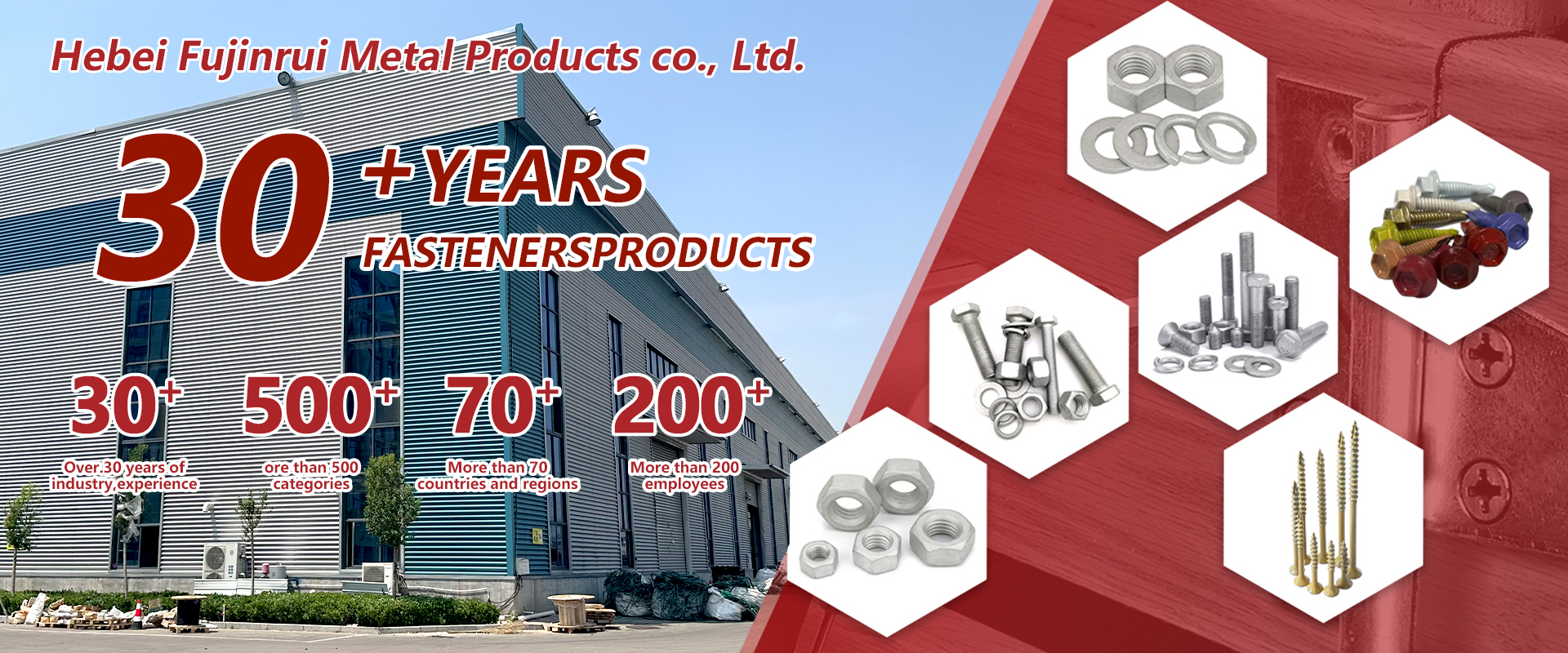
Exemplifying the benefits of direct manufacturing is Hebei Fujinrui Metal Products Co., Ltd., a premier enterprise established in 2004 and located in Handan City, Hebei Province. Spanning a 10,000-square-meter facility with a skilled workforce of over 200 employees, Fujinrui has cultivated more than two decades of deep expertise in the fastener industry. The company uniquely integrates fastener production with advanced metal surface corrosion protection technologies, supported by a mature and innovative production team.
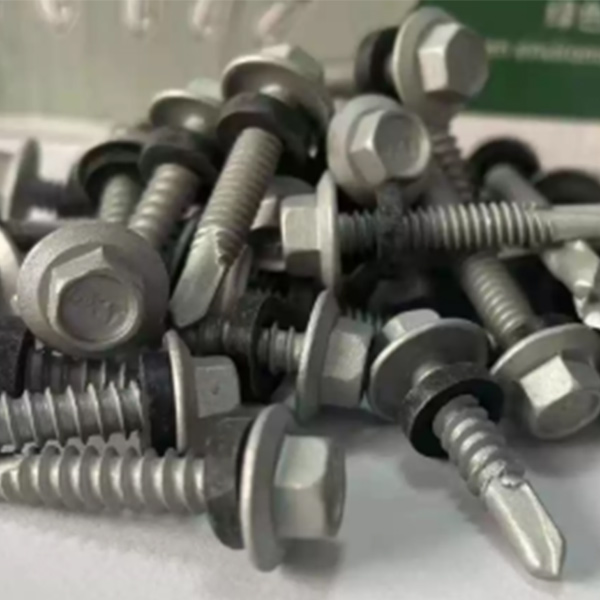
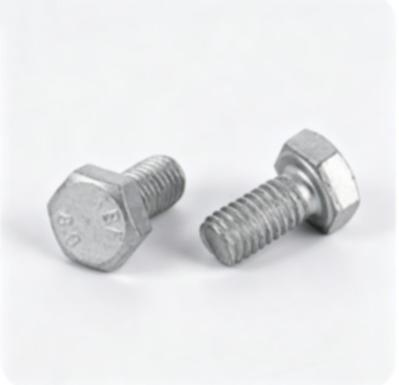
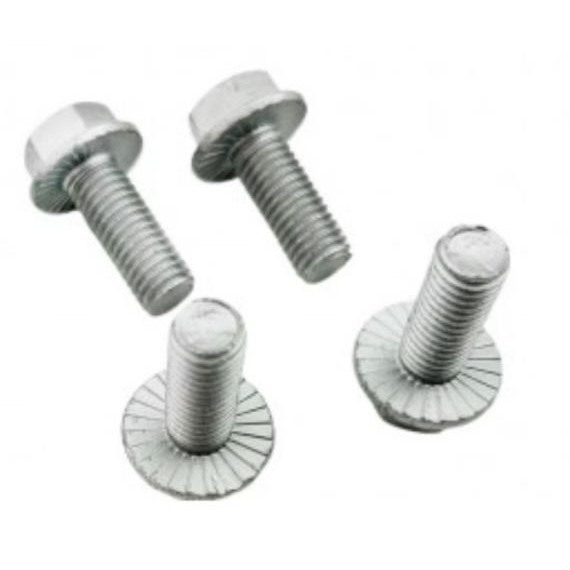
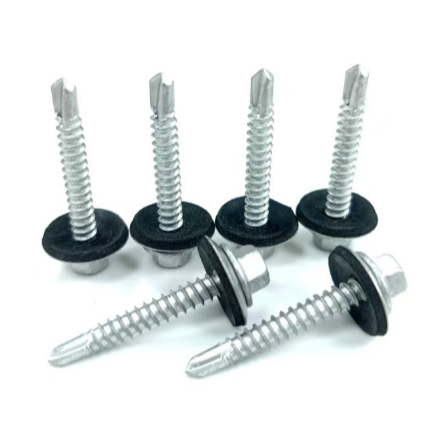
While renowned for its extensive catalog—including Self Drilling Screws, hexagonal bolts and nuts, flange bolts, and various standard washers compliant with American, German, and national standards—Fujinrui’s capabilities extend seamlessly to precision sealing solutions like rubber bonded washers. With a robust export network reaching Europe, America, the Middle East, and beyond, the company combines high-quality product standards with competitive pricing. This blend of experience, scale, and technical proficiency makes Hebei Fujinrui a trusted partner for global clients seeking reliable, factory-direct sealing and fastening components.
Material Selection: Choosing the Right Elastomer
The performance of a rubber bonded washer is heavily dependent on the type of rubber used. Different applications expose the seal to varying conditions, including extreme temperatures, aggressive chemicals, oils, and weathering. Selecting the correct elastomer is therefore a critical step in the design process.
Manufacturers typically offer a range of standard compounds, each tailored to specific environmental challenges. Understanding the properties of these materials enables engineers to make informed decisions that extend the service life of their equipment.
Nitrile Rubber (NBR)
Nitrile Butadiene Rubber, commonly known as NBR or Buna-N, is the most widely used material for rubber bonded washers in the automotive and hydraulic industries. Its primary advantage is excellent resistance to oils, fuels, and other petroleum-based fluids.
- Temperature Range: Typically effective from -40°C to +120°C.
- Best For: Engine components, fuel systems, and hydraulic lines.
- Limitations: Poor resistance to ozone, sunlight, and polar solvents like ketones.
For general-purpose applications involving mineral oils, NBR offers the best balance of performance and cost-effectiveness. It provides reliable sealing in dynamic environments where fluid compatibility is the primary concern.
EPDM Rubber
Ethylene Propylene Diene Monomer (EPDM) is renowned for its exceptional resistance to weathering, ozone, and steam. Unlike NBR, EPDM is not suitable for petroleum-based oils but excels in applications exposed to the elements or hot water.
- Temperature Range: Effective from -50°C to +150°C.
- Best For: Outdoor equipment, cooling systems, brake fluids (glycol-based), and steam applications.
- Limitations: Swells and degrades upon contact with mineral oils and fuels.
In automotive cooling systems or outdoor hydraulic machinery, EPDM-bonded washers provide superior longevity. Their ability to withstand UV radiation makes them ideal for components exposed to direct sunlight.
Silicone Rubber (VMQ)
Silicone rubber is chosen for applications requiring extreme temperature stability. It maintains its flexibility and sealing properties across a vast temperature spectrum, making it indispensable for specialized industrial and aerospace uses.
- Temperature Range: Can operate from -60°C to +230°C.
- Best For: High-heat engines, food processing equipment, and medical devices.
- Limitations: Lower tensile strength and poor resistance to abrasion compared to NBR or EPDM.
While more expensive, silicone rubber bonded washers are necessary when standard elastomers would harden or crack due to thermal cycling. Their inert nature also makes them suitable for sanitary applications.
Viton (FKM)
Fluoroelastomers, often referred to by the brand name Viton, represent the high-end spectrum of sealing materials. They offer outstanding resistance to high temperatures and a wide range of aggressive chemicals, including acids and solvents.
- Temperature Range: Up to +200°C continuously.
- Best For: Chemical processing, aerospace fuel systems, and harsh industrial environments.
- Limitations: High cost and poor performance in low-temperature environments below -20°C.
For critical applications where failure is catastrophic, FKM-bonded washers provide the highest level of security. Their chemical inertness ensures that the seal remains intact even when exposed to corrosive substances.
Metal Core Options and Surface Treatments
While the rubber provides the seal, the metal core provides the structural backbone. The choice of metal and its surface treatment significantly influences the washer’s durability and corrosion resistance. Manufacturers typically utilize low carbon steel or stainless steel, depending on the application requirements.
Low carbon steel is the standard choice for most internal applications where the environment is controlled. To prevent rust, these cores are often plated with zinc, yellow chromate, or phosphate coatings. These treatments provide a sacrificial layer that protects the underlying steel from oxidation.
In contrast, stainless steel cores (usually grades 304 or 316) are employed in highly corrosive environments or where hygiene is paramount. Stainless steel offers inherent corrosion resistance without the need for plating, making it ideal for marine applications, food processing, and pharmaceutical equipment. However, the higher material cost must be justified by the operating conditions.
The Importance of Bond Integrity
The interface between the metal and rubber is the most critical aspect of the rubber bonded washer. A weak bond can lead to delamination, where the rubber separates from the metal under stress. This failure mode compromises the seal and can result in debris entering the system.
Advanced manufacturing techniques involve applying specialized adhesives to the metal core before the molding process. During vulcanization, the rubber chemically cross-links with this adhesive layer, creating a bond that is often stronger than the rubber itself. Quality assurance tests, such as peel strength analysis, are conducted to verify that the bond meets stringent industry standards.
Comparison: Rubber Bonded Washers vs. Traditional Sealing Solutions
To understand the value proposition of a rubber bonded washer, it is essential to compare it with traditional sealing methods. The following table highlights the key differences in performance, installation, and longevity.
| Feature | Rubber Bonded Washer | Flat Metal Washer | O-Ring with Backup | Cork/Rubber Composite |
|---|---|---|---|---|
| Sealing Mechanism | Radial compression of bonded rubber | Surface contact (poor seal) | Radial squeeze in groove | Compression of porous material |
| Vibration Resistance | Excellent (dampens vibration) | Poor (can loosen) | Good (if grooved correctly) | Moderate |
| Crush Resistance | High (metal limit stop) | Very High | Low (without backup) | Low |
| Installation Ease | Self-centering, single piece | Easy but no seal | Complex (requires groove) | Easy but messy |
| Reusability | Limited (single use recommended) | High | Moderate | Low |
| Cost Efficiency | High (reduces assembly time) | Low initial, high risk | Moderate (machining costs) | Low |
As illustrated, the rubber bonded washer offers a unique combination of ease of installation and robust performance. Unlike O-rings, which require precisely machined grooves, bonded washers can be used on flat surfaces. Unlike flat metal washers, they provide an immediate, reliable seal. This versatility makes them the go-to solution for drain plugs, inspection covers, and hydraulic fittings.
Common Applications Across Industries
The versatility of the rubber bonded washer has led to its widespread adoption across diverse sectors. Its ability to handle pressure, vibration, and varied media makes it a universal sealing solution.
Automotive Industry
In the automotive sector, these washers are ubiquitous. They are primarily used as drain plug gaskets for engine oil pans, transmission cases, and differential housings. The high temperatures and constant vibration of an engine demand a seal that will not degrade or loosen. Additionally, they are found in fuel injection systems and power steering units, where resistance to hydraulic fluids is crucial.
The shift towards electric vehicles (EVs) has also created new demands. Battery cooling systems and electric motor housings require seals that can handle dielectric fluids and maintain integrity over long service intervals. Custom-compounded rubber bonded washers are increasingly used to meet these evolving specifications.
Hydraulic and Pneumatic Systems
Hydraulic systems operate under immense pressure, making seal integrity vital. Bonded washers are used in pipe fittings, valve assemblies, and pump connections. The metal core prevents the rubber from extruding into the gap under high pressure, a common failure mode known as “nibbling.”
In pneumatic applications, where air compressibility and speed are factors, these washers ensure leak-free connections in air lines and cylinders. Their quick installation feature supports the high-speed assembly lines typical of pneumatic component manufacturing.
Industrial Machinery and Equipment
From agricultural machinery to heavy construction equipment, rubber bonded washers protect critical components from contamination. They seal gearboxes, hydraulic reservoirs, and access ports against dust, water, and mud. In food processing plants, stainless steel versions with FDA-approved silicone or EPDM rubber ensure compliance with hygiene standards while preventing leaks in cleaning-in-place (CIP) systems.
Marine and Offshore
The harsh marine environment, characterized by saltwater corrosion and constant motion, requires durable sealing solutions. Stainless steel bonded washers with EPDM or FKM rubber are standard in ship engines, deck machinery, and offshore drilling equipment. They prevent saltwater ingress which could lead to catastrophic equipment failure.
Installation Best Practices for Optimal Performance
Even the highest quality rubber bonded washer can fail if installed incorrectly. Proper installation techniques are essential to achieve the designed sealing performance and longevity. Following these steps ensures that the component functions as intended.
Step-by-Step Installation Guide
- Surface Preparation: Ensure the mating surface is clean, dry, and free from old gasket material, dirt, or burrs. Any debris can create a path for leaks.
- Inspection: Check the washer for any visible defects, such as cracks in the rubber or damage to the metal core. Do not use damaged components.
- Positioning: Place the washer on the seating surface with the rubber side facing the sealing surface. The metal insert should face the bolt head or nut.
- Tightening: Tighten the fastener to the manufacturer’s specified torque value. Avoid over-tightening, which can crush the rubber beyond its recovery limit or damage the metal core.
- Verification: After installation, inspect the alignment. The washer should be centered, and the rubber should show uniform compression without excessive extrusion.
It is important to note that rubber bonded washers are generally designed for single-use applications. Reusing a compressed washer can lead to inadequate sealing because the rubber may have lost its elasticity or developed permanent set. For critical systems, always replace the washer during maintenance.
Torque Specifications
Adhering to correct torque specifications is vital. Under-torquing fails to compress the rubber sufficiently to form a seal, while over-torquing can cause the metal core to deform or the rubber to shear. Consult the equipment manufacturer’s guidelines or engineering tables to determine the appropriate torque based on the bolt size and material grade.
Quality Control and Manufacturing Standards
As a factory-direct manufacturer, maintaining rigorous quality control is our top priority. The production of rubber bonded washers involves multiple stages, each subject to strict inspection protocols. This ensures that every batch leaving the facility meets global performance expectations.
Raw materials are sourced from certified suppliers and tested upon arrival. The rubber compounds are analyzed for hardness, specific gravity, and cure characteristics. Metal inserts are inspected for dimensional accuracy and surface cleanliness to ensure optimal bonding.
During the molding process, parameters such as temperature, pressure, and time are continuously monitored. Automated vision systems often scan the finished products to detect flash, voids, or bonding defects. Random sampling from each production lot undergoes destructive testing to verify bond strength and compression set properties.
Compliance with international standards such as ISO 9001 demonstrates a commitment to consistent quality management. For specific industries, additional certifications like IATF 16949 for automotive or FDA compliance for food contact may be required. A reputable manufacturer will provide documentation and test reports to validate the quality of their rubber bonded washers.
Frequently Asked Questions (FAQ)
Addressing common queries helps clarify the capabilities and limitations of rubber bonded washers. Below are answers to frequent questions from engineers and procurement specialists.
Can rubber bonded washers be reused?
Generally, no. These washers are designed as single-use items. Once compressed, the rubber undergoes permanent deformation (compression set). Reusing them increases the risk of leaks because the material may not rebound sufficiently to fill surface irregularities upon re-installation. For critical applications, replacement is mandatory.
What is the maximum pressure a rubber bonded washer can withstand?
The pressure rating depends on the specific design, metal core thickness, and rubber hardness. Standard designs can typically handle pressures up to 160 bar (2300 psi), while reinforced versions can exceed 400 bar (5800 psi). For ultra-high-pressure applications, consult the manufacturer for custom engineering solutions.
How do I choose between NBR, EPDM, and Silicone?
The choice depends on the fluid and temperature. Use NBR for oil and fuel applications. Choose EPDM for hot water, steam, brake fluid, and outdoor weather exposure. Select Silicone for extreme high or low-temperature environments where other rubbers would fail. Always verify chemical compatibility charts before finalizing the material.
Are custom sizes available?
Yes, factory-direct manufacturers frequently produce custom sizes and specifications. If standard metric or imperial sizes do not fit your application, custom tooling can be developed to produce washers with specific inner/outer diameters, heights, and material combinations.
What causes a rubber bonded washer to fail?
Common causes include improper installation (over/under-tightening), chemical incompatibility leading to swelling or cracking, excessive heat causing hardening, and physical damage during handling. Ensuring the correct material selection and installation torque minimizes these risks.
Why Choose Factory-Direct Sourcing?
In an era of complex supply chains, sourcing rubber bonded washers directly from the manufacturer offers strategic advantages. It eliminates the ambiguity of third-party distribution, ensuring that you receive genuine, high-quality products traceable to the source.
Direct communication facilitates faster problem resolution. If a technical issue arises, engineers can collaborate directly with the production team to analyze the root cause and implement solutions immediately. This level of support is rarely available through generic distributors.
Moreover, factory-direct pricing models allow for better budget planning. Without intermediary margins, businesses can secure competitive rates for both prototype runs and mass production volumes. This cost efficiency enables companies to allocate resources to other critical areas of development.
Conclusion and Next Steps
The rubber bonded washer stands as a testament to intelligent engineering, merging the strengths of metal and rubber to solve complex sealing challenges. From automotive engines to hydraulic systems, its role in ensuring leak-free, vibration-resistant operations is indispensable. By understanding the nuances of material selection, installation practices, and quality standards, industries can maximize the reliability and lifespan of their equipment.
For businesses seeking reliable, high-performance sealing solutions, partnering with a dedicated manufacturer is the logical next step. Factory-direct engagement guarantees access to premium materials, custom engineering capabilities, and competitive pricing structures that drive operational efficiency.
Who is this for? This solution is ideal for automotive manufacturers, hydraulic system integrators, industrial equipment designers, and maintenance teams looking to reduce downtime and improve seal reliability.
Next Steps: Evaluate your current sealing requirements against the material properties discussed. Identify any gaps in performance or cost-efficiency in your existing supply chain. Reach out to a specialized manufacturer to discuss your specific application needs, request samples for testing, and explore how factory-direct sourcing can optimize your production costs while enhancing product quality.