- English
- Chinese
- French
- German
- Portuguese
- Spanish
- Russian
- Japanese
- Korean
- Arabic
- Irish
- Greek
- Turkish
- Italian
- Danish
- Romanian
- Indonesian
- Czech
- Afrikaans
- Swedish
- Polish
- Basque
- Catalan
- Esperanto
- Hindi
- Lao
- Albanian
- Amharic
- Armenian
- Azerbaijani
- Belarusian
- Bengali
- Bosnian
- Bulgarian
- Cebuano
- Chichewa
- Corsican
- Croatian
- Dutch
- Estonian
- Filipino
- Finnish
- Frisian
- Galician
- Georgian
- Gujarati
- Haitian
- Hausa
- Hawaiian
- Hebrew
- Hmong
- Hungarian
- Icelandic
- Igbo
- Javanese
- Kannada
- Kazakh
- Khmer
- Kurdish
- Kyrgyz
- Latin
- Latvian
- Lithuanian
- Luxembou..
- Macedonian
- Malagasy
- Malay
- Malayalam
- Maltese
- Maori
- Marathi
- Mongolian
- Burmese
- Nepali
- Norwegian
- Pashto
- Persian
- Punjabi
- Serbian
- Sesotho
- Sinhala
- Slovak
- Slovenian
- Somali
- Scots Gaelic
- Shona
- Sindhi
- Sundanese
- Swahili
- Tajik
- Tamil
- Telugu
- Thai
- Ukrainian
- Urdu
- Uzbek
- Vietnamese
- Welsh
- Xhosa
- Yiddish
- Yoruba
- Zulu
- Kinyarwanda
- Tatar
- Oriya
- Turkmen
- Uyghur

Dacromet Fasteners: Manufacturing Process, Corrosion Resistance, and Quality Standards
2026-11-04
- Introduction to Dacromet Fasteners: Engineering Durability in Corrosive Environments
- The Science Behind Dacromet Coating Technology
- Manufacturing Process of High-Performance Dacromet Fasteners
- Corrosion Resistance and Performance Standards
- Quality Standards and Compliance
- Applications of Dacromet Fasteners in Industry
- Selecting the Right Dacromet Fastener Supplier
- Frequently Asked Questions (FAQ)
- Conclusion
Summary This article provides a comprehensive technical overview of Dacromet fasteners, detailing their unique zinc-flake coating manufacturing process, superior corrosion resistance mechanisms, and adherence to international quality standards. It explores the specific advantages of Dacromet technology in harsh industrial environments, compares it with traditional galvanizing methods, and outlines critical selection criteria for engineers and procurement professionals. Additionally, it highlights how manufacturers like Hebei Fujinrui Metal Products Co., Ltd. integrate advanced surface treatment capabilities with precision fastener production to ensure reliability and compliance in global construction and infrastructure projects.
Introduction to Dacromet Fasteners: Engineering Durability in Corrosive Environments
In the realm of industrial construction, automotive assembly, and infrastructure development, the longevity of a structure is often determined by its smallest components. Fasteners, such as bolts, nuts, and screws, are subjected to constant mechanical stress and environmental exposure. Among the various surface treatments available, Dacromet fastener technology has emerged as a gold standard for corrosion protection, particularly in applications where failure is not an option. Unlike traditional electroplating, Dacromet utilizes a zinc-flake coating system that offers exceptional barrier protection, sacrificial cathodic protection, and self-healing properties.
For engineers, procurement managers, and technical specialists, understanding the nuances of Dacromet coating is essential. It is not merely a aesthetic finish but a complex engineered solution designed to withstand salt spray, humidity, and chemical exposure far beyond the capabilities of standard zinc plating. As industries move towards more sustainable and durable materials, the demand for high-performance coated fasteners continues to rise. This article delves into the manufacturing processes, technical specifications, and quality standards that define premium Dacromet fasteners, providing a clear guide for selecting the right solutions for demanding applications.
The Science Behind Dacromet Coating Technology
To appreciate the value of a Dacromet fastener, one must first understand the chemistry and physics behind the coating. Dacromet is a proprietary name for a specific type of zinc-flake coating, originally developed to overcome the limitations of electroplated zinc, such as hydrogen embrittlement and limited corrosion resistance in marine environments.
Zinc-Flake Composition and Mechanism
The core of Dacromet technology lies in its composition. The coating consists of microscopic platelets of zinc and aluminum suspended in an inorganic binder, typically based on chromium compounds (though modern variants are increasingly chromium-free to meet environmental regulations). When applied to a fastener, these platelets overlap like scales on a fish, creating a dense, multi-layered barrier.
This structure provides three distinct lines of defense:
- Barrier Protection: The overlapping zinc and aluminum flakes create a tortuous path for corrosive agents like water, oxygen, and chloride ions, significantly slowing down their penetration to the steel substrate.
- Cathodic (Sacrificial) Protection: Zinc is more electrochemically active than steel. If the coating is scratched or damaged, the zinc acts as an anode and corrodes preferentially, protecting the underlying steel fastener from rusting. This is known as galvanic protection.
- Self-Healing Properties: In the presence of moisture, the corrosion products of zinc (zinc salts) can migrate to cover small scratches or cut edges, effectively “healing” the breach and restoring the barrier protection.
Comparison with Traditional Galvanizing
Traditional hot-dip galvanizing and electroplating have long been industry staples, but they fall short in high-performance scenarios. Hot-dip galvanizing creates a thick coating that can interfere with thread tolerances, making assembly difficult. Electroplating, while thin and precise, offers limited corrosion resistance and is prone to hydrogen embrittlement—a phenomenon where hydrogen atoms diffuse into high-strength steel during the plating process, causing sudden brittle failure under stress.
Dacromet coatings, by contrast, are applied via a dip-spin or rack-coating process that does not involve electrolytic currents, thereby eliminating the risk of hydrogen embrittlement. This makes Dacromet fasteners ideal for high-strength grades (such as 10.9 and 12.9) where structural integrity is paramount. Furthermore, Dacromet coatings are typically thinner (8-12 microns) than hot-dip galvanizing, ensuring that thread fitment remains precise and consistent with international standards like ISO and DIN.
Manufacturing Process of High-Performance Dacromet Fasteners
The production of a high-quality Dacromet fastener is a multi-stage process that requires precision control at every step. From raw material selection to final curing, each phase influences the final performance of the product. Leading manufacturers, such as Hebei Fujinrui Metal Products Co., Ltd., employ vertically integrated facilities to ensure that both the base fastener and the coating meet rigorous quality benchmarks.
Step 1: Raw Material Selection and Cold Forging
The process begins with the selection of high-grade carbon steel or alloy steel wire rods. The chemical composition of the steel is critical, as it determines the mechanical properties of the finished fastener. For high-strength applications, medium-carbon steel or alloy steel is preferred. The wire is then cold-forged into the basic shape of the bolt, screw, or nut. Cold forging enhances the grain structure of the metal, improving its strength and durability compared to machined parts.
Step 2: Thread Rolling and Heat Treatment
After forging, threads are rolled onto the shank of the fastener. Thread rolling is a cold-forming process that compresses the metal grains, resulting in stronger threads than those cut by machining. For high-strength fasteners, heat treatment follows. This involves quenching and tempering the steel to achieve the desired hardness and tensile strength (e.g., Grade 8.8, 10.9, or 12.9). Precise temperature control during heat treatment is vital to prevent decarburization, which can weaken the surface of the fastener.
Step 3: Surface Preparation and Cleaning
Before coating, the fasteners must be impeccably clean. Any oil, rust, or debris will prevent the Dacromet coating from adhering properly. The parts undergo a thorough cleaning process, typically involving alkaline degreasing followed by acid pickling to remove oxides. Mechanical blasting may also be used to create a rougher surface profile, enhancing mechanical bonding. This step is crucial for ensuring uniform coating thickness and adhesion.
Step 4: Application of Dacromet Coating
The cleaned fasteners are immersed in the Dacromet solution, a water-based dispersion of zinc and aluminum flakes. There are two primary application methods:
- Dip-Spin Method: Ideal for smaller fasteners like screws and nuts. The parts are dipped in the coating bath, then spun in a centrifuge to remove excess liquid and ensure even distribution. This method is highly efficient for high-volume production.
- Rack Coating: Used for larger or more complex components. Parts are mounted on racks and dipped, allowing for better control over coating thickness on specific areas.
At Hebei Fujinrui Metal Products Co., Ltd., the coating lines are equipped with automated controls to monitor viscosity and solid content, ensuring consistent film build. The company’s expertise in surface treatment allows them to apply not only standard Dacromet but also advanced variants like the 1500H-rated anti-corrosion treatments, which offer extended protection for extreme environments.
Step 5: Curing and Baking
Once coated, the fasteners are transferred to a curing oven. The baking process serves two purposes: it evaporates the water content and cures the inorganic binder, bonding the zinc and aluminum flakes to the steel substrate. The temperature and duration of the bake cycle are carefully calibrated. Under-curing can lead to poor adhesion, while over-curing can make the coating brittle. Proper curing ensures the coating achieves its full hardness and corrosion-resistant potential.
Corrosion Resistance and Performance Standards
The primary reason for specifying a Dacromet fastener is its superior corrosion resistance. However, “corrosion resistance” is a broad term that must be quantified through standardized testing. Understanding these metrics is essential for validating supplier claims and ensuring project compliance.
Salt Spray Testing (SST)
The most common method for evaluating corrosion resistance is the Neutral Salt Spray Test (NSS), defined by standards such as ASTM B117 and ISO 9227. In this test, coated fasteners are exposed to a continuous fog of 5% sodium chloride solution at 35°C. The time taken for red rust to appear on the steel substrate is recorded.
Standard electroplated zinc might survive 48 to 96 hours before showing red rust. In contrast, a high-quality Dacromet coating can withstand 500 to 1,000 hours or more without red rust. Some advanced formulations, such as those utilized by Hebei Fujinrui for their premium product lines, can exceed 1,500 hours of salt spray resistance. This makes them suitable for coastal constructions, offshore platforms, and chemical processing plants.
Cyclic Corrosion Testing
While salt spray testing provides a baseline, real-world conditions involve fluctuating temperatures, humidity, and drying cycles. Cyclic corrosion tests, such as the Prohesion test, simulate these conditions more accurately. Dacromet coatings perform exceptionally well in cyclic tests due to their self-healing properties and robust barrier protection. The aluminum flakes in the coating reflect UV radiation and provide additional stability against thermal cycling, preventing cracking or peeling that might occur with organic coatings.
Hydrogen Embrittlement Relief
For high-strength fasteners (tensile strength > 1000 MPa), hydrogen embrittlement is a critical failure mode. Since the Dacromet application process is non-electrolytic, it does not introduce hydrogen into the steel lattice. This inherent advantage eliminates the need for post-plating baking to relieve hydrogen, a step required for electroplated parts that can sometimes be overlooked or improperly executed. This reliability makes Dacromet the preferred choice for critical structural connections in bridges, high-rise buildings, and heavy machinery.
Quality Standards and Compliance
Global trade and industrial safety require that fasteners adhere to strict international standards. A reputable manufacturer must ensure that their Dacromet fasteners comply with relevant specifications regarding dimensions, mechanical properties, and coating quality.
International Standards Overview
| Standard Body | Relevant Standards | Focus Area |
|---|---|---|
| ISO (International Organization for Standardization) | ISO 4042, ISO 10683 | General requirements for electroplated and non-electrolytically applied zinc flake coatings. |
| DIN (German Institute for Standardization) | DIN 50018, DIN EN ISO 10683 | Specifics on corrosion protection and testing methods widely used in European markets. |
| ASTM (American Society for Testing and Materials) | ASTM F1136, ASTM B117 | Standard specification for zinc/aluminum corrosion-protective coatings and salt spray testing. |
| JIS (Japanese Industrial Standards) | JIS H 8607 | Specifications for zinc flake coating systems, reflecting high demands in automotive and electronics. |
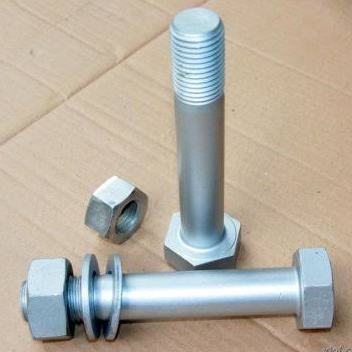
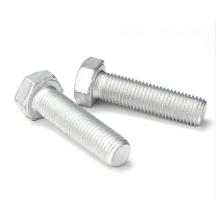
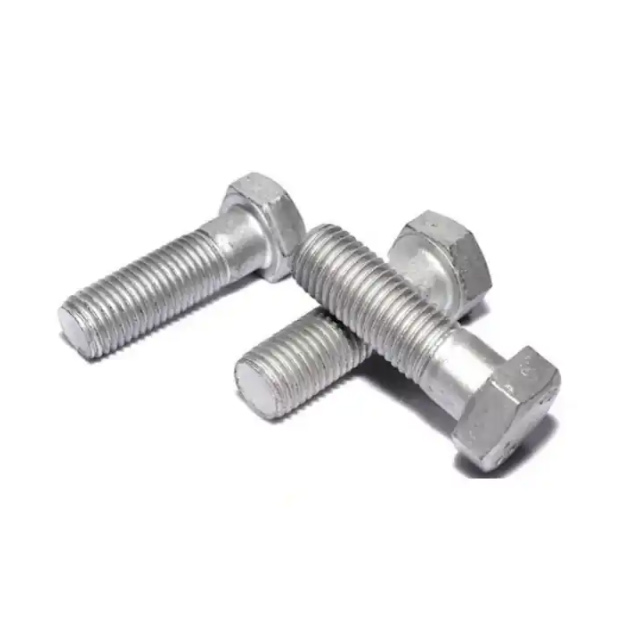
Hebei Fujinrui Metal Products Co., Ltd. maintains a rigorous quality management system that governs every stage of production, from raw material inspection to final dimensional verification. Their products, including High Rust Resistance DIN931 Dacromet Hex Bolts and Hex Self-drilling Screws, are designed to comply with American, German, and Chinese national specifications. This multi-standard compliance ensures that their fasteners can be seamlessly integrated into projects across Europe, North America, and the Middle East.
Quality Control Measures
Ensuring consistency requires more than just following standards; it demands proactive quality control. Key QC measures include:
- Coating Thickness Measurement: Using magnetic or eddy-current gauges to verify that the coating thickness falls within the specified range (typically 8-12 µm for Dacromet).
- Adhesion Testing: Performing tape tests or bend tests to ensure the coating does not flake off during handling or installation.
- Torque-Tension Testing: Verifying that the friction coefficient of the coated threads allows for proper clamping force without stripping or galling.
- Dimensional Inspection: Using optical sorters and calipers to check thread pitch, head height, and overall length against tolerance limits.
Applications of Dacromet Fasteners in Industry
The versatility of Dacromet coatings makes them suitable for a wide array of industries. Their ability to provide long-term protection without compromising mechanical strength opens up possibilities in sectors where reliability is non-negotiable.
Construction and Infrastructure
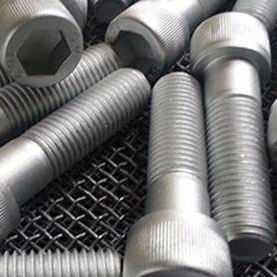
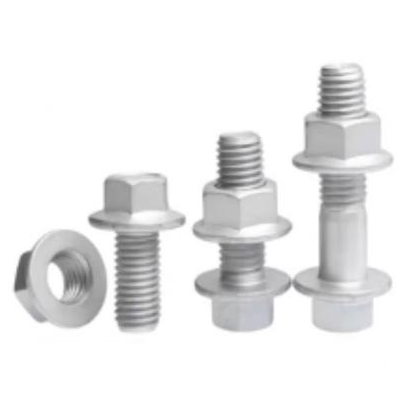
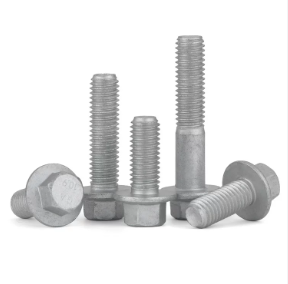
In civil engineering, fasteners are exposed to rain, humidity, and pollution. Dacromet-coated hex bolts and self-drilling screws are extensively used in steel structures, bridge construction, and roofing systems. The high corrosion resistance ensures that the structural integrity of buildings is maintained over decades, reducing maintenance costs and safety risks. For example, the High Strength Flange External Hexagon Bolts produced by Hebei Fujinrui are ideal for connecting steel beams in large-scale infrastructure projects.
Automotive and Transportation
The automotive industry demands fasteners that can withstand road salts, brake dust, and temperature fluctuations. Dacromet coatings are widely used in engine components, chassis assemblies, and body panels. The thin coating profile ensures precise fitment, while the absence of hydrogen embrittlement guarantees safety in critical load-bearing applications. Additionally, the uniform appearance of Dacromet meets the aesthetic requirements of visible automotive parts.
Energy and Offshore Markets
Offshore wind farms, oil rigs, and solar installations operate in some of the harshest environments on Earth. Saltwater spray and high humidity accelerate corrosion rapidly. Here, the superior performance of Dacromet fasteners, especially those with enhanced ratings like the 1500H treatment, is invaluable. They provide the necessary durability to minimize downtime and maintenance interventions in remote or inaccessible locations.
Selecting the Right Dacromet Fastener Supplier
Choosing a supplier for Dacromet fasteners involves more than comparing prices. It requires assessing technical capability, quality assurance, and supply chain reliability. As a B2B buyer, consider the following factors:
Technical Expertise and Experience
Look for manufacturers with deep domain expertise in both fastener engineering and surface treatment. Hebei Fujinrui Metal Products Co., Ltd., for instance, leverages over two decades of cumulative experience in the fastener industry. Their seasoned technical team understands the interplay between base material properties and coating performance, enabling them to offer application guidance and standardization consultation.
Vertically Integrated Manufacturing
A vertically integrated facility, where forging, threading, heat treatment, and coating are performed under one roof, offers significant advantages. It allows for better traceability, faster response to quality issues, and more consistent product quality. Hebei Fujinrui’s 10,000-square-meter production base houses all these capabilities, ensuring that every Dacromet fastener meets strict internal and external standards.
Product Range and Customization
A diverse product matrix indicates a supplier’s ability to meet varied project needs. Whether you require Self-drilling Screws with EPDM Washers for roofing, Inner Hexagon Bolts for machinery, or Rigging Components for lifting operations, a comprehensive portfolio simplifies procurement. Furthermore, the ability to offer customized packaging and specific coating variations (such as different colors or thicknesses) adds value to the partnership.
Reliability and Delivery
Project timelines depend on reliable delivery. Assess the supplier’s production capacity and inventory levels. Hebei Fujinrui maintains consistent stock of key items like DIN931 Dacromet Hex Bolts and Machine Screws, ensuring year-round availability. Their responsive order fulfillment system supports both OEM requirements and large-scale project deliveries to global markets.
Frequently Asked Questions (FAQ)
Is Dacromet coating environmentally friendly?
Traditional Dacromet contains hexavalent chromium, which is regulated due to environmental concerns. However, modern advancements have led to chromium-free alternatives (often referred to as Geomet or similar zinc-flake coatings) that offer comparable performance without the toxic elements. Many manufacturers, including Hebei Fujinrui, are adapting to these eco-friendly standards to meet global environmental regulations like RoHS and REACH.
Can Dacromet fasteners be used with stainless steel?
Yes, but caution is advised regarding galvanic corrosion. Since Dacromet is zinc-based, it is anodic to stainless steel. In a wet environment, the Dacromet coating may corrode faster to protect the stainless steel. While this protects the stainless steel, it may reduce the lifespan of the fastener itself. For critical stainless steel applications, it is often better to use stainless steel fasteners with a compatible coating or plain stainless steel, depending on the strength requirements.
What is the typical service life of a Dacromet fastener?
The service life depends on the environment. In indoor, dry conditions, Dacromet fasteners can last indefinitely. In moderate outdoor environments, they can last 10-20 years or more. In severe marine or industrial atmospheres, their life expectancy is significantly higher than that of galvanized fasteners, often exceeding 15-25 years without significant rusting, provided the coating was applied correctly and meets high-hour salt spray standards.
How does Dacromet compare to Zinc-Nickel plating?
Zinc-Nickel plating offers excellent corrosion resistance and high-temperature stability, often surpassing standard Dacromet in certain metrics. However, Zinc-Nickel is an electroplating process, which carries a risk of hydrogen embrittlement for high-strength steels. Dacromet, being non-electrolytic, avoids this risk. The choice between the two often depends on the specific strength requirements of the fastener and the environmental conditions.
Conclusion
Dacromet fasteners represent a critical advancement in corrosion protection technology, offering a blend of durability, reliability, and mechanical integrity that traditional coatings cannot match. By understanding the manufacturing process, the science of zinc-flake protection, and the relevant quality standards, engineers and procurement professionals can make informed decisions that enhance the longevity and safety of their projects.
For businesses seeking a reliable partner in high-performance fastening solutions, Hebei Fujinrui Metal Products Co., Ltd. stands out as a committed manufacturer. With their vertically integrated production capabilities, adherence to international standards, and dedication to quality, they provide the technical expertise and product consistency needed for global industrial and construction applications. Whether you require standard DIN931 bolts or specialized self-drilling screws with advanced anti-corrosion treatments, choosing a supplier with proven expertise ensures that your fastening solutions stand the test of time.