- English
- Chinese
- French
- German
- Portuguese
- Spanish
- Russian
- Japanese
- Korean
- Arabic
- Irish
- Greek
- Turkish
- Italian
- Danish
- Romanian
- Indonesian
- Czech
- Afrikaans
- Swedish
- Polish
- Basque
- Catalan
- Esperanto
- Hindi
- Lao
- Albanian
- Amharic
- Armenian
- Azerbaijani
- Belarusian
- Bengali
- Bosnian
- Bulgarian
- Cebuano
- Chichewa
- Corsican
- Croatian
- Dutch
- Estonian
- Filipino
- Finnish
- Frisian
- Galician
- Georgian
- Gujarati
- Haitian
- Hausa
- Hawaiian
- Hebrew
- Hmong
- Hungarian
- Icelandic
- Igbo
- Javanese
- Kannada
- Kazakh
- Khmer
- Kurdish
- Kyrgyz
- Latin
- Latvian
- Lithuanian
- Luxembou..
- Macedonian
- Malagasy
- Malay
- Malayalam
- Maltese
- Maori
- Marathi
- Mongolian
- Burmese
- Nepali
- Norwegian
- Pashto
- Persian
- Punjabi
- Serbian
- Sesotho
- Sinhala
- Slovak
- Slovenian
- Somali
- Scots Gaelic
- Shona
- Sindhi
- Sundanese
- Swahili
- Tajik
- Tamil
- Telugu
- Thai
- Ukrainian
- Urdu
- Uzbek
- Vietnamese
- Welsh
- Xhosa
- Yiddish
- Yoruba
- Zulu
- Kinyarwanda
- Tatar
- Oriya
- Turkmen
- Uyghur

How to Select High-Quality Bolts for Industrial Applications: A Technical Guide
2026-11-03
- Introduction: The Critical Role of Bolt Selection in Industrial Integrity
- Understanding Bolt Grades and Mechanical Properties
- Material Selection: Matching Bolts to Environmental Conditions
- Corrosion Protection: Surface Treatments and Coatings
- Manufacturing Precision and Quality Control
- Types of Bolts for Specific Industrial Applications
- Evaluating Suppliers: Beyond the Product Catalog
- Common Mistakes in Bolt Selection and How to Avoid Them
- FAQ: Frequently Asked Questions About Industrial Bolts
- Conclusion: Partnering for Quality and Reliability
Summary Selecting high-quality bolts for industrial applications requires a deep understanding of material grades, mechanical properties, corrosion resistance standards, and manufacturing precision. This technical guide outlines the critical criteria for bolt selection, including tensile strength, coating technologies like Dacromet, and compliance with international standards such as DIN and ASTM. It also highlights the importance of partnering with vertically integrated manufacturers like Hebei Fujinrui Metal Products Co., Ltd. to ensure supply chain reliability and product consistency.
Introduction: The Critical Role of Bolt Selection in Industrial Integrity
In the realm of industrial engineering and construction, fasteners are often underestimated despite being the fundamental components that hold complex structures together. A single bolt failure can lead to catastrophic structural collapses, machinery downtime, or safety hazards. Therefore, selecting high-quality bolts is not merely a procurement task but a critical engineering decision that impacts the longevity, safety, and efficiency of industrial applications.
For engineers, procurement managers, and project leaders, navigating the vast array of bolt specifications, materials, and coatings can be challenging. When searching for a reliable bolt website or supplier, the goal is to find partners who offer more than just inventory; they must provide technical expertise, consistent quality control, and adherence to rigorous international standards. This guide serves as a comprehensive technical resource to help you make informed decisions when selecting bolts for demanding industrial environments.
Understanding Bolt Grades and Mechanical Properties
The first step in selecting the right bolt is understanding its mechanical properties. Bolts are categorized by grades, which indicate their tensile strength, yield strength, and hardness. Using a bolt with insufficient strength for a specific application can result in shear failure or stretching, while over-specifying can lead to unnecessary costs and potential brittleness.
Tensile Strength and Yield Strength
Tensile strength refers to the maximum stress a bolt can withstand while being stretched or pulled before breaking. Yield strength, on the other hand, is the point at which the bolt begins to deform permanently. In industrial applications, it is crucial to select bolts where the yield strength exceeds the expected operational loads to maintain structural integrity.
- Low Carbon Steel Bolts: Typically used in general-purpose applications where high strength is not critical. They are easy to manufacture and cost-effective but lack the durability required for heavy-duty industrial use.
- Medium Carbon Steel Bolts: Often heat-treated to enhance strength. These are common in automotive and machinery applications.
- High-Strength Alloy Steel Bolts: Designed for critical structural connections, such as in bridges, high-rise buildings, and heavy machinery. These bolts undergo quenching and tempering to achieve superior tensile properties.
Common International Standards
Different regions and industries adhere to specific standards. Understanding these ensures compatibility and compliance:
| Standard Organization | Common Grade/Class | Typical Application |
|---|---|---|
| ASTM (USA) | A325, A490 | Structural steel connections, heavy construction |
| ISO/DIN (Europe/Global) | Class 8.8, 10.9, 12.9 | Machinery, automotive, general industrial assembly |
| JIS (Japan) | F10T, F13T | High-precision machinery, export-oriented manufacturing |
When evaluating a potential supplier or browsing a bolt website, always verify that the products are certified against the specific standard required for your project. For instance, Hebei Fujinrui Metal Products Co., Ltd. ensures that its outer hexagon bolts and inner hexagon bolts comply with American, German, and Chinese national specifications, providing flexibility for global projects.
Material Selection: Matching Bolts to Environmental Conditions
The choice of material determines not only the strength of the bolt but also its resistance to environmental factors such as corrosion, temperature extremes, and chemical exposure.
Carbon Steel vs. Stainless Steel
Carbon Steel is the most common material for industrial bolts due to its high strength and cost-effectiveness. However, it is susceptible to rust and corrosion unless properly coated. It is ideal for indoor applications or environments where protective coatings can be maintained.
Stainless Steel offers excellent corrosion resistance, making it suitable for outdoor, marine, or chemical processing environments. Common grades include 304 and 316 stainless steel. While stainless steel bolts may have slightly lower tensile strength compared to high-grade alloy steel, their durability in corrosive environments often makes them the preferred choice for long-term infrastructure projects.
Specialty Alloys for Extreme Conditions
For applications involving extreme temperatures or highly corrosive chemicals, specialty alloys such as Inconel, Hastelloy, or Titanium may be required. These materials are significantly more expensive and should only be used when standard carbon or stainless steel options are insufficient. A knowledgeable manufacturer can provide guidance on whether such exotic materials are necessary or if a coated carbon steel bolt would suffice, optimizing both performance and cost.
Corrosion Protection: Surface Treatments and Coatings
One of the leading causes of bolt failure in industrial settings is corrosion. Selecting the appropriate surface treatment is as important as choosing the right material. Advanced corrosion protection technologies extend the service life of fasteners, reducing maintenance costs and improving safety.
Dacromet and Geomet Coatings
Dacromet is a water-based inorganic zinc flake coating that provides exceptional corrosion resistance. Unlike traditional electroplating, Dacromet does not suffer from hydrogen embrittlement, making it ideal for high-strength bolts. It offers a uniform coating thickness and excellent adhesion, even in complex geometries.
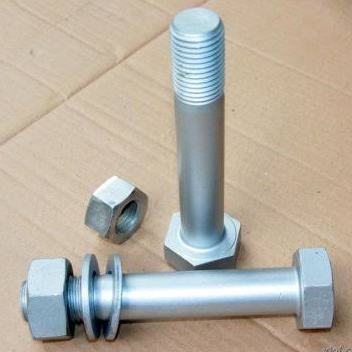
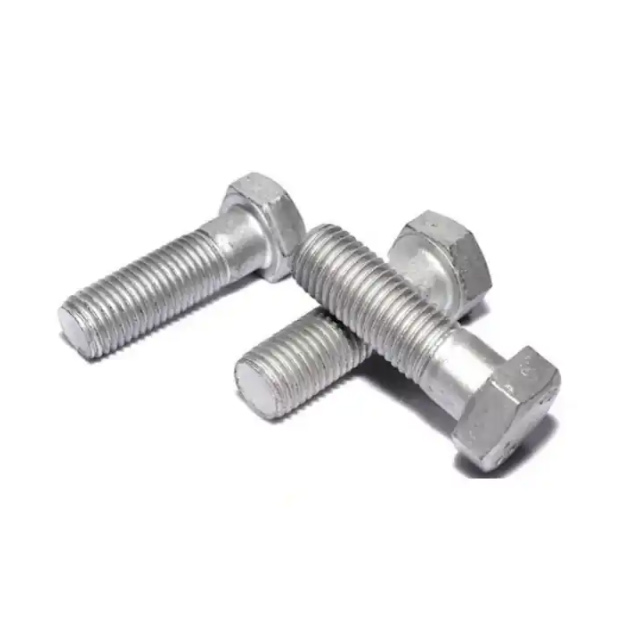
Hebei Fujinrui Metal Products Co., Ltd. specializes in high rust resistance DIN931 Dacromet hex bolts. These bolts are particularly effective in harsh environments, such as coastal construction sites or chemical plants, where salt spray and humidity accelerate corrosion. The 1500H-rated anti-corrosion treatments applied by Fujinrui ensure that bolts maintain their integrity for extended periods, meeting the rigorous demands of global infrastructure projects.
Zinc Plating and Hot-Dip Galvanizing
Zinc Plating is a cost-effective solution for mild environments. It provides a shiny finish and basic corrosion protection but is less durable than Dacromet or galvanizing.
Hot-Dip Galvanizing involves dipping bolts into molten zinc, creating a thick, rugged coating. This method is highly effective for outdoor structural applications, such as power transmission towers and bridge components. However, the thick coating can affect thread fit, so proper tapping or oversized nuts may be required.
EPDM Washers for Sealing
In roofing and exterior cladding applications, preventing water ingress is crucial. Hex self-drilling screws with EPDM (Ethylene Propylene Diene Monomer) washers provide a watertight seal. The EPDM washer compresses under the bolt head, creating a barrier against rain and moisture. This integration of sealing technology with fastening functionality is a key consideration for construction projects exposed to the elements.
Manufacturing Precision and Quality Control
The quality of a bolt is determined not just by its material but by the precision of its manufacturing process. Inconsistent threading, poor head formation, or dimensional inaccuracies can lead to assembly issues and premature failure.
Cold Forging and Thread Rolling
High-quality bolts are typically produced using cold forging and thread rolling techniques. Cold forging aligns the grain structure of the metal, enhancing strength and durability. Thread rolling, as opposed to cutting, creates threads that are stronger and more resistant to stripping. Vertically integrated manufacturers, such as Hebei Fujinrui, utilize precision cold forging and thread rolling lines to ensure consistent product quality across large production runs.
Heat Treatment Processes
For high-strength bolts, heat treatment is essential. This process involves heating the bolts to a specific temperature and then cooling them rapidly (quenching) followed by reheating (tempering). This alters the microstructure of the steel, achieving the desired balance of hardness and toughness. Rigorous control over heat treatment parameters is critical to avoid brittleness or insufficient strength.
Quality Assurance and Testing
A robust quality management system governs every stage of production, from raw material inspection to final dimensional verification. Key testing procedures include:
- Dimensional Inspection: Ensuring bolts meet precise length, diameter, and thread pitch specifications.
- Hardness Testing: Verifying that the bolt meets the required hardness grade (e.g., HRC for high-strength bolts).
- Tensile Testing: Measuring the maximum load the bolt can withstand before failure.
- Salt Spray Testing: Evaluating the effectiveness of corrosion protection coatings by exposing bolts to a controlled saline environment.
When selecting a supplier, inquire about their quality certification and testing capabilities. Hebei Fujinrui employs over 200 professionals, including a seasoned technical team with more than two decades of experience, to oversee these quality control processes. Their commitment to traceable batch control ensures that every bolt delivered meets functional performance requirements.
Types of Bolts for Specific Industrial Applications
Different industrial scenarios require specific bolt designs. Understanding the unique features of various bolt types helps in selecting the right fastener for the job.
Hexagon Bolts: Outer and Inner
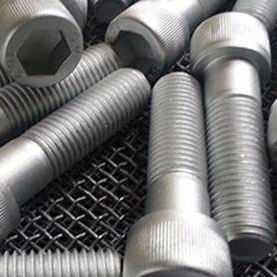
Outer Hexagon Bolts are the most common type, driven by a wrench or socket. They are versatile and used in a wide range of applications, from machinery assembly to structural connections. Inner Hexagon Bolts (Allen bolts) are driven by an Allen key and are often used where space is limited or a flush surface is required.
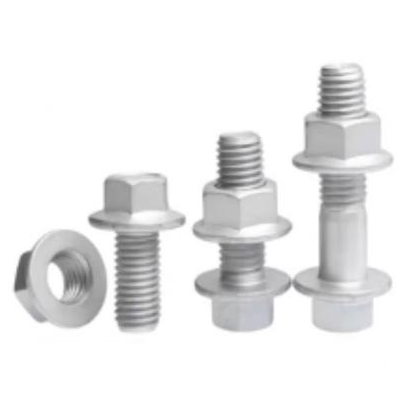
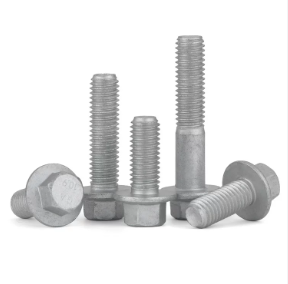
Hebei Fujinrui offers a comprehensive range of both outer and inner hexagon bolts, including high-strength flange external hexagon bolts. Flange bolts have an integrated washer-like flange under the head, which distributes the load over a wider area, reducing the need for separate washers and simplifying assembly.
Self-Drilling and Self-Tapping Screws
In sheet metal and light gauge steel applications, self-drilling and self-tapping screws eliminate the need for pre-drilled holes. Self-drilling screws have a drill point that penetrates the material, while self-tapping screws cut their own threads as they are driven. Hex self-drilling screws with EPDM washers are particularly valuable in roofing and cladding, providing both secure fastening and weatherproofing.
Rigging Components and Specialized Fasteners
For lifting and rigging applications, specialized components such as eye bolts and turnbuckles are required. These must meet strict safety standards to handle dynamic loads. Hebei Fujinrui’s product portfolio includes rigging components designed for heavy-duty use, ensuring safety in logistics and construction lifting operations.
Evaluating Suppliers: Beyond the Product Catalog
Choosing the right bolt supplier is as critical as selecting the right bolt. A reliable partner ensures consistent quality, timely delivery, and technical support. When evaluating a bolt website or manufacturer, consider the following factors:
Vertical Integration and Production Capacity
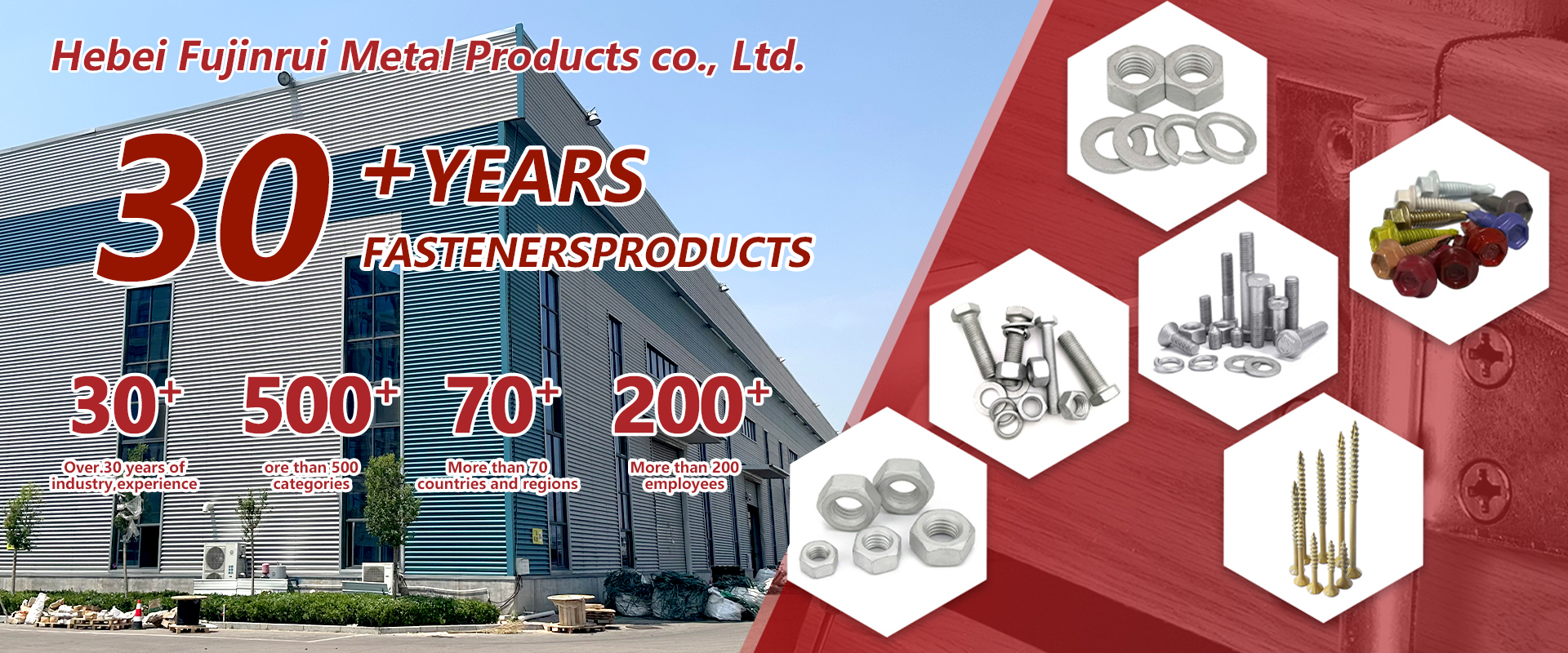
Vertically integrated manufacturers control the entire production process, from raw material sourcing to final coating. This reduces dependency on external suppliers, minimizes quality variations, and allows for better cost control. Hebei Fujinrui operates from a modern production base spanning 10,000 square meters, equipped with precision cold forging, thread rolling, heat treatment, and surface coating lines. This integration enables them to maintain consistent stock and meet OEM and project-based timelines reliably.
Technical Expertise and Support
A supplier with deep domain expertise can provide valuable guidance on bolt selection, standardization, and application-specific challenges. Look for companies that offer technical collaboration, such as application guidance and customized packaging solutions. Hebei Fujinrui’s technical team, with over 20 years of cumulative experience, supports customers with standardization consultation and tailored solutions, ensuring that clients receive not just products but engineered solutions.
Global Compliance and Export Experience
For international projects, it is essential that the supplier understands and complies with global standards. Experience in exporting to Europe, North America, and the Middle East indicates a familiarity with diverse regulatory requirements and quality expectations. Hebei Fujinrui regularly delivers exports to these regions, demonstrating their ability to meet international compliance standards.
Responsiveness and Transparency
Effective communication is key to successful partnerships. Suppliers should be responsive to inquiries, transparent about production status, and proactive in addressing issues. A values-driven organizational culture, rooted in integrity and ethical responsibility, fosters trust and long-term collaboration.
Common Mistakes in Bolt Selection and How to Avoid Them
Even experienced engineers can make mistakes when selecting bolts. Being aware of common pitfalls can help avoid costly errors.
- Ignoring Environmental Factors: Failing to account for corrosion risks can lead to premature failure. Always assess the environment and choose appropriate coatings or materials.
- Mismatched Grades: Using a bolt with a lower grade than required compromises safety. Conversely, using a higher grade than necessary increases costs without adding value. Always calculate the required load and select the appropriate grade.
- Neglecting Thread Engagement: Insufficient thread engagement can cause stripping. Ensure that the bolt length allows for adequate thread contact with the nut or tapped hole.
- Overlooking Torque Specifications: Improper torque application can lead to under-tightening (loosening) or over-tightening (breaking). Follow manufacturer recommendations for torque values based on bolt grade and size.
- Assuming All Suppliers Are Equal: Not all manufacturers adhere to the same quality standards. Verify certifications, testing capabilities, and production processes before committing to a supplier.
FAQ: Frequently Asked Questions About Industrial Bolts
What is the difference between a bolt and a screw?
Technically, a bolt is designed to be used with a nut and passes through unthreaded holes, while a screw forms its own thread in the material it enters. However, in common usage, the terms are often interchangeable. In industrial contexts, the distinction is important for determining the assembly method and load distribution.
How do I determine the correct bolt length?
The bolt length should be sufficient to pass through all materials being joined, plus the thickness of any washers, and allow for full thread engagement with the nut. A general rule is that at least one to two threads should protrude from the nut after tightening.
Why is Dacromet coating preferred for high-strength bolts?
Dacromet coating provides superior corrosion resistance without causing hydrogen embrittlement, a risk associated with some electroplating processes. This makes it ideal for high-strength bolts where maintaining structural integrity is critical.
Can I mix different bolt grades in the same assembly?
It is generally not recommended to mix different bolt grades in the same joint, as they may have different stiffness and load-bearing capacities. This can lead to uneven load distribution and potential failure of the weaker bolts. Always use bolts of the same grade and material in a single assembly.
How often should bolts be inspected in industrial applications?
Inspection frequency depends on the application, load conditions, and environment. Critical structural connections should be inspected regularly, especially after initial installation and during routine maintenance checks. Look for signs of corrosion, loosening, or deformation.
Conclusion: Partnering for Quality and Reliability
Selecting high-quality bolts for industrial applications is a multifaceted process that involves understanding mechanical properties, material science, corrosion protection, and manufacturing precision. By adhering to international standards and choosing the right specifications for your specific environment, you can ensure the safety and longevity of your projects.
However, even the best specifications mean little if the manufacturer cannot deliver consistent quality. Partnering with a reputable, vertically integrated manufacturer like Hebei Fujinrui Metal Products Co., Ltd. provides the assurance of rigorous quality control, advanced surface treatment technologies, and reliable supply chain management. With over two decades of experience and a commitment to excellence, Fujinrui stands as a trusted partner for global industrial and construction applications, helping you build with confidence.
Whether you require high-strength hex bolts, corrosion-resistant self-drilling screws, or specialized rigging components, prioritizing quality and expertise in your supplier selection will pay dividends in performance and peace of mind. For further information on our product range and technical capabilities, visit our homepage to connect with our team.