- English
- Chinese
- French
- German
- Portuguese
- Spanish
- Russian
- Japanese
- Korean
- Arabic
- Irish
- Greek
- Turkish
- Italian
- Danish
- Romanian
- Indonesian
- Czech
- Afrikaans
- Swedish
- Polish
- Basque
- Catalan
- Esperanto
- Hindi
- Lao
- Albanian
- Amharic
- Armenian
- Azerbaijani
- Belarusian
- Bengali
- Bosnian
- Bulgarian
- Cebuano
- Chichewa
- Corsican
- Croatian
- Dutch
- Estonian
- Filipino
- Finnish
- Frisian
- Galician
- Georgian
- Gujarati
- Haitian
- Hausa
- Hawaiian
- Hebrew
- Hmong
- Hungarian
- Icelandic
- Igbo
- Javanese
- Kannada
- Kazakh
- Khmer
- Kurdish
- Kyrgyz
- Latin
- Latvian
- Lithuanian
- Luxembou..
- Macedonian
- Malagasy
- Malay
- Malayalam
- Maltese
- Maori
- Marathi
- Mongolian
- Burmese
- Nepali
- Norwegian
- Pashto
- Persian
- Punjabi
- Serbian
- Sesotho
- Sinhala
- Slovak
- Slovenian
- Somali
- Scots Gaelic
- Shona
- Sindhi
- Sundanese
- Swahili
- Tajik
- Tamil
- Telugu
- Thai
- Ukrainian
- Urdu
- Uzbek
- Vietnamese
- Welsh
- Xhosa
- Yiddish
- Yoruba
- Zulu
- Kinyarwanda
- Tatar
- Oriya
- Turkmen
- Uyghur

Wholesale Machine Bolts Manufacturer | High Quality & Bulk Pricing
2026-10-14
- What Are Machine Bolts and How Do They Differ from Other Fasteners?
- Technical Specifications and Material Grades
- Why Choose Hebei Fujinrui Metal Products Co., Ltd.?
- Applications of Machine Bolts in Industry
- How to Select the Right Machine Bolts for Your Project
- Common Mistakes in Machine Bolt Selection and Installation
- FAQ: Frequently Asked Questions About Machine Bolts
- Procurement Strategy: Maximizing Value in Bulk Purchasing
- Conclusion: Secure Your Supply Chain with Reliable Fastening Solutions
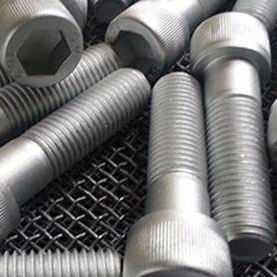
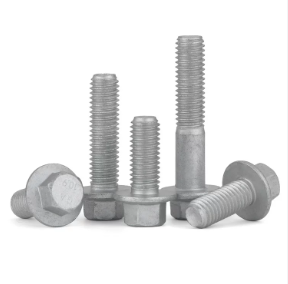
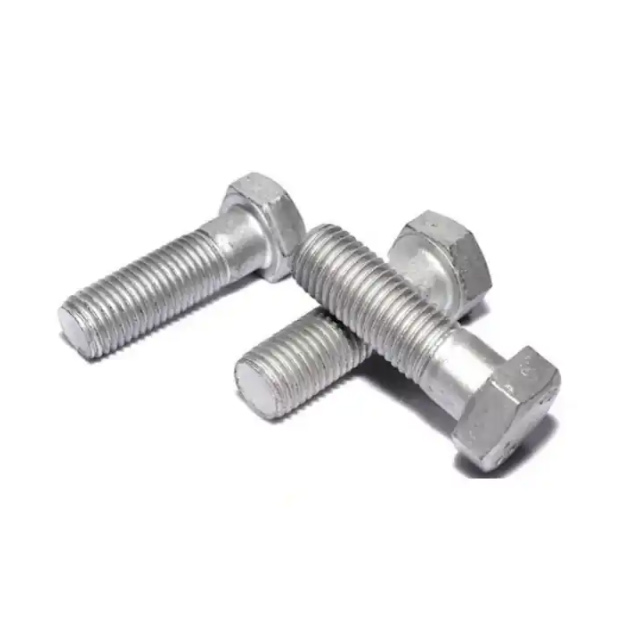
Machine bolts are precision-engineered fasteners designed with a machine screw thread and a head shape suitable for wrench or socket drive. Unlike wood screws, they require a pre-drilled hole and are typically used with a nut to join metal components securely. For industrial buyers, sourcing from a reliable wholesale machine bolts manufacturer ensures consistent tensile strength, precise thread tolerances, and competitive bulk pricing. This guide details technical specifications, material grades, and procurement strategies to help engineers and procurement managers select the optimal fastening solutions for heavy-duty applications.
What Are Machine Bolts and How Do They Differ from Other Fasteners?
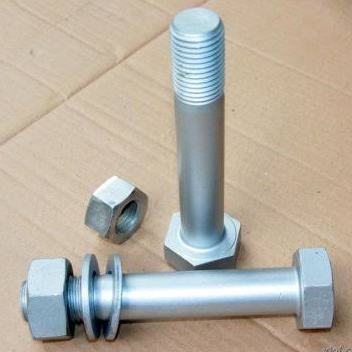
Understanding the specific mechanics of machine bolts is critical for structural integrity. A machine bolt is characterized by its partially threaded shank and a head designed for torque application. The unthreaded portion, known as the grip length, bears shear loads, while the threaded section engages with a nut or a tapped hole to provide clamping force.
Key Characteristics of Machine Bolts
- Thread Type: Typically features Unified National Coarse (UNC) or Fine (UNF) threads, or Metric ISO standards (M-series).
- Head Styles: Common variants include hex head, square head, and round head, each serving different spatial and torque requirements.
- Installation: Requires a pre-drilled hole and usually a mating nut, distinguishing them from self-tapping screws.
- Load Distribution: Designed to handle high tensile and shear stresses in metal-to-metal connections.
Machine Bolts vs. Carriage Bolts vs. Lag Screws
Confusion often arises between similar fastener types. Here is a clear distinction to aid in proper selection:
| Feature | Machine Bolt | Carriage Bolt | Lag Screw |
|---|---|---|---|
| Head Type | Hex or Square (Wrench driven) | Rounded dome (Non-wrench) | Hex or Square (Wrench driven) |
| Thread Coverage | Partial or Full | Partial (Smooth shank) | Partial (Tapered tip) |
| Primary Use | Metal-to-Metal assembly | Wood-to-Wood or Wood-to-Metal | Heavy timber construction |
| Mating Component | Nut or Tapped Hole | Nut (often square) | No nut required (self-threading) |
Selecting the wrong type can lead to joint failure. For precision machinery and structural steel frameworks, machine bolts remain the industry standard due to their predictable load-bearing capabilities and ease of disassembly for maintenance.
Technical Specifications and Material Grades
When evaluating a machine bolts manufacturer, technical compliance is non-negotiable. The performance of a bolt is dictated by its material composition, heat treatment, and dimensional accuracy. In 2026, international standards such as ASTM, ISO, and DIN continue to govern these specifications.
Common Material Grades and Strength Classes
The grade of a bolt determines its tensile strength and yield strength. Using a lower-grade bolt in a high-stress environment can result in catastrophic failure.
- SAE Grade 2 (Low Carbon Steel): Suitable for general-purpose applications where high strength is not critical. Often used in light machinery.
- SAE Grade 5 (Medium Carbon Steel, Quenched and Tempered): Identified by three radial lines on the head. This is the most common grade for automotive and industrial machinery, offering a balance of strength and ductility.
- SAE Grade 8 (Medium Carbon Alloy Steel, Quenched and Tempered): Identified by six radial lines. Used in high-stress applications such as engine blocks and structural suspensions.
- ISO Class 8.8 and 10.9: The metric equivalents widely used in European and Asian manufacturing. Class 10.9 offers higher tensile strength comparable to SAE Grade 8.
- Stainless Steel (A2/A4 or 304/316): Essential for corrosive environments. While slightly lower in tensile strength than hardened steel, they offer superior resistance to rust and chemical exposure.
Dimensional Standards: ANSI, DIN, and ISO
Global supply chains require adherence to specific dimensional standards. A reputable manufacturer like Hebei Fujinrui Metal Products Co., Ltd. produces bolts conforming to multiple international standards to ensure compatibility across diverse markets.
American Standards (ANSI/ASME B18.2.1): Predominant in the US market, focusing on inch-based dimensions. Key parameters include thread pitch per inch and head width across flats.
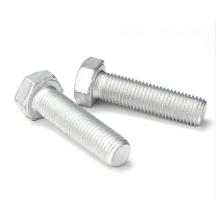
German Standards (DIN): DIN 931 (partial thread) and DIN 933 (full thread) are widely recognized globally for metric hexagon head bolts. These standards specify tight tolerances for thread fit and head geometry.
International Standards (ISO): ISO 4014 and ISO 4017 have largely harmonized metric bolt standards, facilitating easier cross-border trade and standardization in multinational projects.
Why Choose Hebei Fujinrui Metal Products Co., Ltd.?
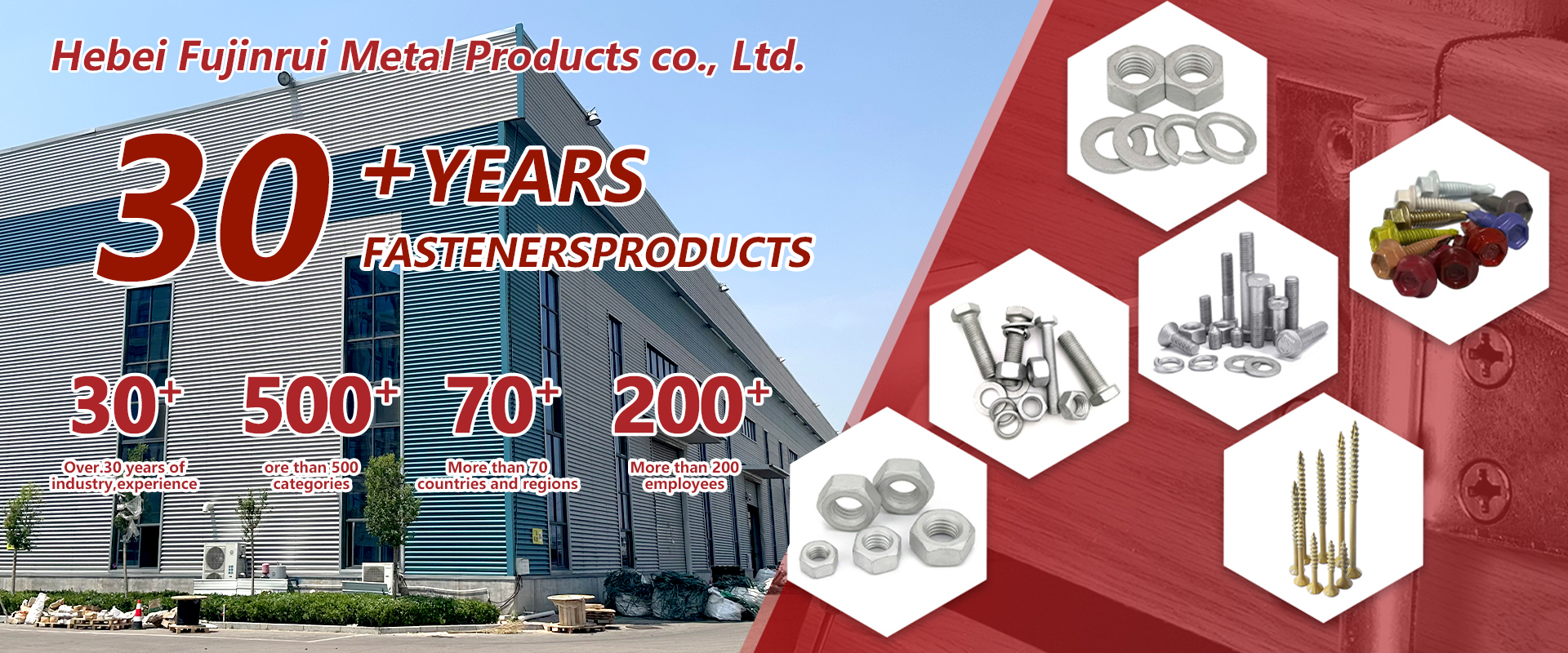
In the competitive landscape of fastener manufacturing, experience and integrated production capabilities define reliability. Hebei Fujinrui Metal Products Co., Ltd. has established itself as a trusted partner for global buyers since its establishment in 2004. Located in Handan City, Hebei Province—a hub for metal production—the company leverages regional advantages to deliver high-quality products at competitive prices.
Integrated Production and Corrosion Protection
Unlike traders who outsource surface treatment, Fujinrui integrates fastener production with metal surface corrosion protection. This vertical integration ensures quality control from raw wire drawing to final packaging. The facility covers 10,000 square meters and employs over 200 skilled staff, including a mature production technology team with more than 20 years of industry experience.
This expertise allows for precise control over critical processes such as:
- Cold Heading: Ensuring uniform grain structure and head integrity.
- Thread Rolling: Creating strong, precise threads without cutting away material, which preserves the bolt’s tensile strength.
- Heat Treatment: Achieving exact hardness and strength grades through controlled quenching and tempering.
- Surface Finishing: Applying zinc plating, hot-dip galvanizing, or black oxide coatings to enhance durability and aesthetic appeal.
Comprehensive Product Range
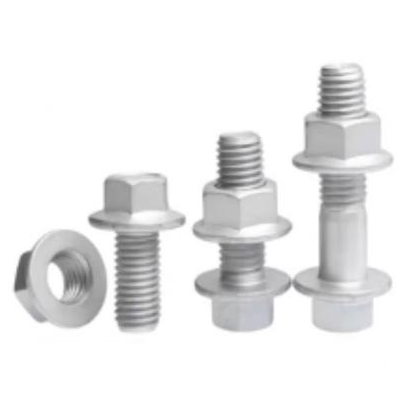
Beyond standard machine bolts, Fujinrui produces a wide array of fasteners including Self Drilling Screws, hexagonal bolts and nuts, flange bolts and nuts, and flat and spring washers. This breadth allows buyers to source complete fastening kits from a single supplier, reducing logistical complexity and ensuring component compatibility. The company maintains year-round availability of American, German, and national standards, exporting consistently to Europe, America, the Middle East, and other regions.
Applications of Machine Bolts in Industry
Machine bolts are versatile components used across various sectors. Their ability to provide secure, removable joints makes them indispensable in both static and dynamic assemblies.
Automotive and Transportation
In the automotive sector, Grade 5 and Grade 8 machine bolts are used extensively in chassis assembly, engine mounting, and suspension systems. The vibration resistance provided by proper torque specification and the use of spring washers is critical for vehicle safety. Manufacturers require suppliers who can guarantee batch consistency to meet strict automotive quality standards.
Construction and Structural Steel
Heavy construction relies on high-strength machine bolts for connecting steel beams and columns. In these applications, bolts must withstand significant shear and tensile loads. Hot-dip galvanized bolts are often specified for outdoor structures to prevent corrosion over decades of service. The precision of the thread fit ensures that the load is evenly distributed across the joint.
Machinery and Equipment Manufacturing
Industrial machines, from conveyor systems to CNC equipment, utilize thousands of machine bolts. Here, precision is paramount. Misaligned holes or inconsistent thread pitches can cause assembly delays and equipment malfunction. Fujinrui’s adherence to DIN and ISO standards ensures that their bolts fit seamlessly into complex mechanical assemblies produced by global OEMs.
Energy and Infrastructure
In the energy sector, including oil, gas, and renewable energy installations, fasteners face extreme environmental conditions. Stainless steel and alloy steel machine bolts are chosen for their resistance to temperature fluctuations and chemical exposure. Reliability in these sectors is non-negotiable, making the choice of an experienced manufacturer vital.
How to Select the Right Machine Bolts for Your Project
Choosing the correct machine bolt involves analyzing several engineering factors. Procurement managers and engineers should consider the following criteria to optimize performance and cost.
1. Determine Load Requirements
Assess whether the joint will primarily experience shear loads (forces perpendicular to the bolt axis) or tensile loads (forces pulling the bolt apart). For shear loads, the unthreaded shank diameter is critical. For tensile loads, the thread strength and material grade are the determining factors.
2. Evaluate Environmental Conditions
Will the fastener be exposed to moisture, chemicals, or extreme temperatures? For outdoor or marine environments, stainless steel (316 grade) or hot-dip galvanized carbon steel is recommended. For indoor, dry environments, plain or zinc-plated steel may suffice and offer cost savings.
3. Check Compatibility with Mating Materials
Ensure the bolt material is compatible with the materials being joined to prevent galvanic corrosion. For example, using stainless steel bolts with aluminum parts may require insulating washers to prevent electrochemical reactions. Additionally, verify that the hole size matches the bolt diameter with appropriate clearance for easy assembly.
4. Verify Certification and Standards
For regulated industries, ensure the manufacturer provides material test reports (MTRs) and certificates of compliance. Fujinrui’s long-standing export experience means they are well-versed in providing documentation that meets international inspection requirements.
Common Mistakes in Machine Bolt Selection and Installation
Even with high-quality products, improper selection or installation can compromise joint integrity. Avoid these common pitfalls:
- Over-torquing: Applying excessive torque can stretch the bolt beyond its yield point, leading to immediate failure or delayed fracture under vibration. Always use a torque wrench and follow manufacturer specifications.
- Reusing High-Strength Bolts: Grade 8 or Class 10.9 bolts are often designed for single-use in critical applications. Reusing them can result in weakened threads and reduced clamping force.
- Ignoring Thread Engagement: Ensure sufficient thread engagement with the nut. A general rule is that the nut thickness should equal the bolt diameter to ensure full strength utilization.
- Mixing Grades: Never mix different grades of bolts in the same joint. This leads to uneven load distribution, where the stronger bolts may carry disproportionate stress, leading to premature failure.
FAQ: Frequently Asked Questions About Machine Bolts
What is the difference between a machine bolt and a hex cap screw?
While often used interchangeably, there is a subtle technical difference. Hex cap screws typically have tighter tolerances on the head and thread finish compared to standard machine bolts. Cap screws are often used in precision machinery where fit and finish are critical, whereas machine bolts are used for general structural purposes. However, in many wholesale contexts, the terms overlap significantly.
Can machine bolts be used without a nut?
Yes, if the mating component has a tapped hole (internal threads) that matches the bolt’s thread pitch and diameter. This is common in machinery assembly where one part is thick enough to be threaded. However, for thin materials or when joining two separate plates, a nut is required to secure the connection.
How do I calculate the required length of a machine bolt?
The bolt length should be equal to the total thickness of the materials being joined plus the thickness of the washer (if used) plus the height of the nut. Additionally, allow for 1-2 threads to extend beyond the nut to ensure full engagement. It is better to be slightly too long than too short, as excess length can sometimes be accommodated with additional washers, though this is not ideal engineering practice.
Why is surface treatment important for machine bolts?
Surface treatment protects the base metal from corrosion, which can weaken the bolt over time. It also reduces friction during installation, allowing for more accurate torque application. Common treatments include zinc plating for indoor use, hot-dip galvanizing for outdoor exposure, and black oxide for a aesthetic finish with mild corrosion resistance.
Does Hebei Fujinrui offer custom manufacturing services?
Yes, with over 20 years of experience and a mature technology team, Fujinrui can accommodate custom specifications for non-standard sizes, materials, or head styles. Their integrated production facility allows for flexible adjustments to meet specific project requirements, making them a suitable partner for specialized industrial needs.
Procurement Strategy: Maximizing Value in Bulk Purchasing
For businesses looking to optimize their supply chain, partnering directly with a manufacturer offers significant advantages over buying from distributors. Wholesale purchasing reduces unit costs, but it requires careful vendor selection.
Benefits of Direct Manufacturer Sourcing
- Cost Efficiency: Eliminating middlemen reduces markup, providing better margins for resellers or lower project costs for end-users.
- Quality Control: Direct communication with the production team allows for stricter quality assurance protocols and faster resolution of any issues.
- Customization: Manufacturers can adjust production lines to create bespoke fasteners, whereas distributors are limited to stock items.
- Supply Stability: Establishing a long-term relationship with a manufacturer like Fujinrui ensures priority production scheduling and consistent inventory availability.
Evaluating a Supplier’s EEAT (Experience, Expertise, Authoritativeness, Trustworthiness)
In the digital age, verifying a supplier’s credibility is essential. Look for manufacturers with a proven track record. Fujinrui’s establishment in 2004 and its extensive export history to Europe and America demonstrate its Experience. The presence of a dedicated technology team highlights its Expertise. Compliance with international standards like ASTM and DIN establishes its Authoritativeness. Finally, transparent business practices and consistent product quality build Trustworthiness.
Conclusion: Secure Your Supply Chain with Reliable Fastening Solutions
Machine bolts are fundamental to the integrity of industrial assemblies. Selecting the right grade, material, and supplier is not just a purchasing decision—it is an engineering imperative. Whether for automotive, construction, or machinery applications, the quality of your fasteners directly impacts the safety and longevity of your products.
Hebei Fujinrui Metal Products Co., Ltd. offers a compelling combination of two decades of industry experience, integrated manufacturing capabilities, and adherence to global standards. By choosing a partner that prioritizes both product quality and corrosion protection technology, businesses can ensure reliable performance and competitive pricing.
For procurement managers and engineers seeking a dependable source for high-quality machine bolts, hexagonal bolts, and related fasteners, Fujinrui stands ready to support your projects with bulk pricing and technical expertise.
Ready to optimize your fastener procurement? Contact our technical sales team today to request a quote, discuss custom specifications, or obtain sample units for testing. Ensure your next project is built on a foundation of strength and reliability.
Explore our full range of Machine Bolts and Fastening Solutions