- English
- Chinese
- French
- German
- Portuguese
- Spanish
- Russian
- Japanese
- Korean
- Arabic
- Irish
- Greek
- Turkish
- Italian
- Danish
- Romanian
- Indonesian
- Czech
- Afrikaans
- Swedish
- Polish
- Basque
- Catalan
- Esperanto
- Hindi
- Lao
- Albanian
- Amharic
- Armenian
- Azerbaijani
- Belarusian
- Bengali
- Bosnian
- Bulgarian
- Cebuano
- Chichewa
- Corsican
- Croatian
- Dutch
- Estonian
- Filipino
- Finnish
- Frisian
- Galician
- Georgian
- Gujarati
- Haitian
- Hausa
- Hawaiian
- Hebrew
- Hmong
- Hungarian
- Icelandic
- Igbo
- Javanese
- Kannada
- Kazakh
- Khmer
- Kurdish
- Kyrgyz
- Latin
- Latvian
- Lithuanian
- Luxembou..
- Macedonian
- Malagasy
- Malay
- Malayalam
- Maltese
- Maori
- Marathi
- Mongolian
- Burmese
- Nepali
- Norwegian
- Pashto
- Persian
- Punjabi
- Serbian
- Sesotho
- Sinhala
- Slovak
- Slovenian
- Somali
- Scots Gaelic
- Shona
- Sindhi
- Sundanese
- Swahili
- Tajik
- Tamil
- Telugu
- Thai
- Ukrainian
- Urdu
- Uzbek
- Vietnamese
- Welsh
- Xhosa
- Yiddish
- Yoruba
- Zulu
- Kinyarwanda
- Tatar
- Oriya
- Turkmen
- Uyghur

Understanding Bolt Auto Fasteners: Material Selection, Manufacturing Standards, and Quality Control for Industrial Applications
2026-11-01
- Understanding Bolt Auto Fasteners in Modern Industrial Applications
- Material Selection: The Foundation of Fastener Performance
- Manufacturing Standards and Global Compliance
- Quality Control: Ensuring Reliability and Safety
- Applications of High-Performance Bolt Auto Fasteners
- Choosing the Right Manufacturing Partner
- Future Trends in Fastener Technology
- Frequently Asked Questions (FAQ)
- Conclusion
Summary This comprehensive guide explores the critical aspects of bolt auto fasteners, focusing on material selection, international manufacturing standards, and rigorous quality control protocols. Designed for engineers, procurement specialists, and industrial manufacturers, the article details how precision engineering and advanced surface treatments—such as Dacromet and 1500H coatings—ensure reliability in demanding automotive and construction applications. It also highlights the importance of partnering with vertically integrated manufacturers like Hebei Fujinrui Metal Products Co., Ltd. to achieve consistent performance and compliance with global specifications.
Understanding Bolt Auto Fasteners in Modern Industrial Applications
In the realm of industrial assembly and automotive manufacturing, the integrity of a structure often hinges on its smallest components. Bolt auto fasteners are not merely generic hardware; they are engineered solutions designed to withstand specific mechanical stresses, environmental conditions, and operational loads. As industries evolve towards higher efficiency and stricter safety regulations, the demand for high-performance fastening systems has intensified. Understanding the nuances of these components—from their metallurgical composition to their final surface treatment—is essential for ensuring long-term reliability and safety.
The term “bolt auto” generally refers to automated or standardized bolting solutions used in high-volume production environments, such as automotive assembly lines, where precision and consistency are paramount. However, it also encompasses the broader category of automatic fastening systems and the bolts themselves that are optimized for such processes. Whether securing chassis components in vehicles or structural elements in large-scale construction, the failure of a single fastener can have cascading consequences. Therefore, selecting the right bolt involves a deep understanding of material science, manufacturing standards, and quality assurance methodologies.
This article delves into the technical foundations of industrial bolt selection, examining why material choice matters, how international standards govern production, and what quality control measures define a premium product. By integrating insights from experienced manufacturers like Hebei Fujinrui Metal Products Co., Ltd., we provide a clear roadmap for professionals seeking to optimize their supply chain and enhance product durability.
Material Selection: The Foundation of Fastener Performance
The performance of any bolt begins with its raw material. The choice of steel grade, alloy composition, and heat treatment process directly determines the fastener’s tensile strength, hardness, ductility, and resistance to environmental factors. In industrial and automotive applications, there is no one-size-fits-all solution; each application dictates specific material requirements.
Carbon Steel vs. Stainless Steel
Carbon steel remains the most widely used material for general-purpose and high-strength bolts due to its excellent balance of cost and mechanical properties. Low-carbon steels are often used for lower-grade fasteners where extreme strength is not required, while medium and high-carbon steels are subjected to heat treatment to achieve higher property classes, such as Grade 8.8, 10.9, or 12.9. These grades are critical in automotive applications where vibration and dynamic loads are common.
Stainless steel, particularly austenitic grades like 304 and 316, is selected primarily for its corrosion resistance. While stainless steel bolts may not always reach the same ultimate tensile strengths as hardened carbon steel, they are indispensable in environments exposed to moisture, chemicals, or salt spray. For instance, in marine applications or outdoor infrastructure, the use of stainless steel prevents premature failure due to rust, thereby reducing maintenance costs over the lifecycle of the project.
The Role of Alloying Elements
Beyond the base metal, alloying elements such as chromium, molybdenum, and nickel play a pivotal role in enhancing specific characteristics. Chromium improves hardness and corrosion resistance, while molybdenum increases strength at high temperatures. Understanding these compositions allows engineers to specify bolts that can withstand extreme thermal cycles, a common scenario in engine compartments and exhaust systems.
Surface Treatment and Corrosion Protection
Material selection is incomplete without considering surface protection. Even the strongest steel is vulnerable to corrosion if left untreated. Advanced coating technologies are therefore integral to the manufacturing of high-performance bolt auto fasteners. Two notable technologies employed by leading manufacturers include:
- Dacromet Coating: A zinc-flake coating system that provides superior corrosion resistance and excellent torque-tension consistency. Dacromet is particularly valued in the automotive industry for its ability to maintain clamp load under varying temperatures and its environmental compliance compared to traditional electroplating.
- 1500H Anti-Corrosion Treatment: This high-performance coating offers extended protection against salt spray, often exceeding 1000 hours in testing. It is ideal for harsh environments where standard galvanization may fall short, ensuring that fasteners remain functional and secure over decades of service.
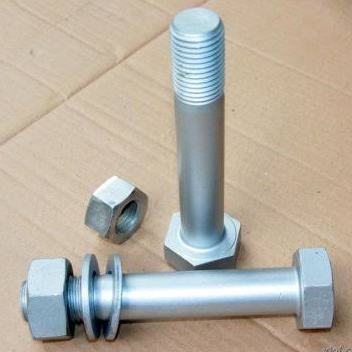
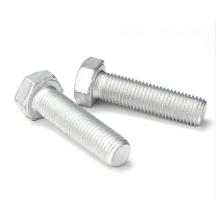
Hebei Fujinrui Metal Products Co., Ltd. leverages these advanced surface treatment capabilities to produce fasteners such as High Rust Resistance DIN931 Dacromet Hex Bolts and 1500H Corrosion-Resistant Coated Hexagon Self-Drilling Tapping Screws. These products exemplify how material science and surface engineering converge to meet the rigorous demands of global industrial markets.
Manufacturing Standards and Global Compliance
In a globalized supply chain, adherence to international standards is non-negotiable. Standards ensure that a bolt manufactured in one part of the world fits and functions correctly in an assembly located elsewhere. They provide a common language for engineers, manufacturers, and inspectors, defining dimensions, mechanical properties, and testing methods.
Key International Standards
Different regions and industries rely on specific standardization bodies. A competent manufacturer must be proficient in multiple frameworks to serve a diverse clientele.
| Standard Body | Common Designations | Primary Region/Usage |
|---|---|---|
| DIN (Deutsches Institut für Normung) | DIN 931, DIN 933, DIN 912 | Europe, Global Industrial |
| ISO (International Organization for Standardization) | ISO 4014, ISO 4017, ISO 4762 | Global, Harmonized Standards |
| ASTM/SAE (American Society for Testing and Materials) | ASTM A325, SAE J429 | North America, Automotive |
| GB (Guobiao) | GB/T 5782, GB/T 70.1 | China, Domestic & Export |
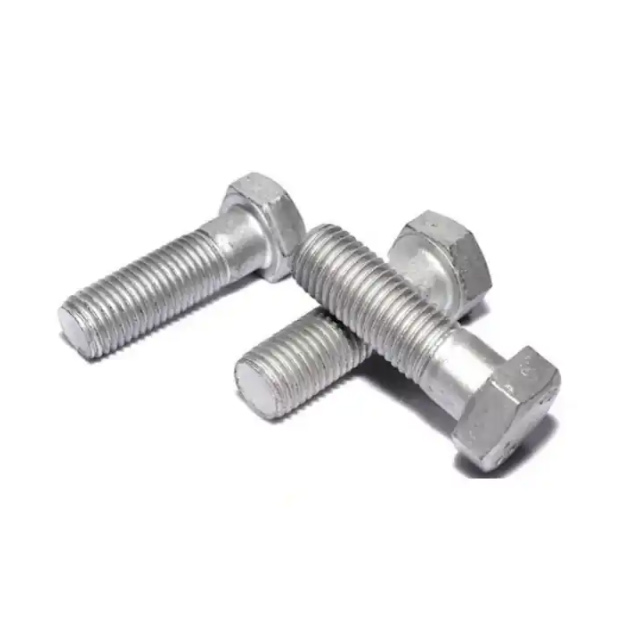
For example, DIN 931 specifies the dimensions for half-thread hexagon head bolts, a staple in heavy machinery and construction. Similarly, ISO standards ensure interchangeability across borders. In the automotive sector, SAE and ASTM standards often dictate the mechanical properties required for safety-critical components.
Importance of Standardization in Bolt Auto Systems
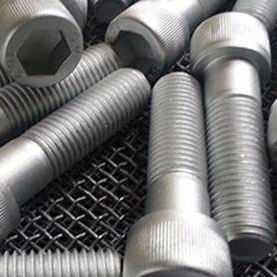
Automated assembly lines rely on precise dimensional tolerances. A deviation of even a fraction of a millimeter in thread pitch or head height can cause jams in robotic feeders, leading to production downtime. Therefore, manufacturers must employ precision cold forging and thread rolling techniques that strictly adhere to these standards. Hebei Fujinrui’s commitment to maintaining stock of standards-compliant products, including Outer Hexagon Bolts and Inner Hexagon Bolts, ensures that clients can source reliable components without the risk of dimensional incompatibility.
Navigating Custom Specifications
While standard parts cover the majority of applications, many industrial projects require custom solutions. This might involve non-standard lengths, specialized head shapes, or unique thread forms. In such cases, the manufacturer’s ability to interpret technical drawings and translate them into producible items is crucial. A robust quality management system ensures that even custom bolt auto fasteners meet the same rigorous criteria as standard off-the-shelf items.
Quality Control: Ensuring Reliability and Safety
Quality control (QC) is the backbone of reputable fastener manufacturing. It is not merely a final inspection step but a comprehensive system that governs every stage of production, from raw material intake to final packaging. For B2B buyers, understanding a supplier’s QC protocols is essential for mitigating risk.
Raw Material Inspection
The QC process begins with the verification of raw materials. Steel wire rods and bars must be accompanied by mill certificates that confirm their chemical composition and mechanical properties. Spectroscopic analysis is often used to verify that the alloy content matches the specified grade. Any discrepancy at this stage can compromise the entire batch, making incoming inspection a critical control point.
In-Process Control
During manufacturing, continuous monitoring ensures that processes remain within specified limits. Key parameters include:
- Cold Forging: Monitoring pressure and die alignment to prevent cracks or incomplete forming.
- Thread Rolling: Checking thread pitch diameter and major/minor diameters using go/no-go gauges to ensure proper fit.
- Heat Treatment: Controlling furnace temperature and quenching media to achieve the desired hardness and tensile strength. Hardness tests (Rockwell or Vickers) are conducted regularly to verify batch consistency.
Hebei Fujinrui employs a vertically integrated facility where these processes are tightly controlled. Their technical team, with over two decades of cumulative experience, oversees in-process controls to detect deviations early, reducing waste and ensuring uniformity.
Final Dimensional Verification and Testing
Before shipment, finished fasteners undergo rigorous final inspection. This includes:
- Dimensional Checks: Using precision instruments to verify length, head height, and thread dimensions against relevant standards.
- Salts Spray Testing: Evaluating the effectiveness of surface coatings. For products like the 1500H Corrosion-Resistant Coated screws, extended salt spray tests confirm their ability to withstand harsh environments.
- Torque-Tension Testing: Crucial for automotive and structural applications, this test determines the relationship between applied torque and resulting clamp force, ensuring that the fastener will perform as expected in assembly.
- Wedging Tensile Test: Verifying the ultimate tensile strength and ensuring that the bolt fails in the shank rather than the head, which is a sign of proper heat treatment and material quality.
These tests provide objective data that supports compliance claims. For buyers, requesting test reports and certificates of conformity is a best practice when evaluating suppliers.
Applications of High-Performance Bolt Auto Fasteners
The versatility of modern fasteners allows them to serve a wide array of industries. Understanding the specific demands of each application helps in selecting the right product.
Automotive Industry
The automotive sector is perhaps the most demanding user of bolt auto fasteners. Vehicles are subject to constant vibration, thermal cycling, and dynamic loads. Fasteners used in engine blocks, suspension systems, and chassis assemblies must maintain their clamp load over thousands of miles. Here, features like EPDM washers in self-drilling screws provide sealing against water and dust, while high-strength flange bolts distribute load evenly to prevent deformation of sheet metal.
Construction and Infrastructure
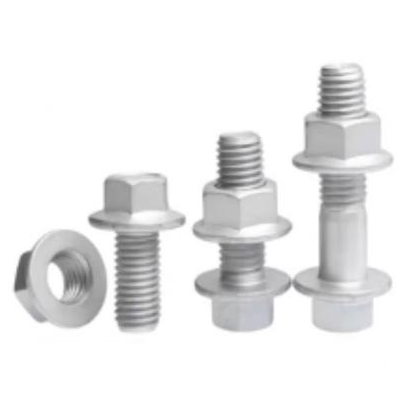
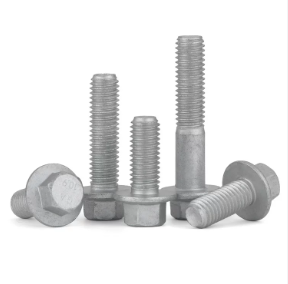
In construction, fasteners secure structural steel, roofing systems, and facade elements. Exposure to weather necessitates robust corrosion protection. Products such as High Strength Flange External Hexagon Bolts and Stainless Steel External Hexagon Bolts are commonly used in steel structures and bridges. The ability to resist wind loads and seismic forces makes quality control paramount in this sector.
Industrial Machinery and Equipment
Heavy machinery requires fasteners that can withstand high torque and shock loads. Self-tapping and self-drilling screws are widely used for assembling metal frames and enclosures, where speed of assembly is critical. The integration of nylon heads or specialized coatings can also provide electrical insulation or additional environmental protection.
Choosing the Right Manufacturing Partner
Selecting a supplier for industrial fasteners is a strategic decision. It goes beyond price per unit; it involves assessing capability, reliability, and technical support. Here are key factors to consider when evaluating a potential partner:
Vertical Integration and Production Capacity
A vertically integrated manufacturer controls the entire production process, from raw material processing to final coating. This integration offers several advantages:
- Consistency: Uniform quality across batches due to controlled internal processes.
- Traceability: Ability to track each batch back to its raw material source, crucial for accountability in case of failures.
- Responsiveness: Faster adjustment to custom orders and tighter control over delivery timelines.
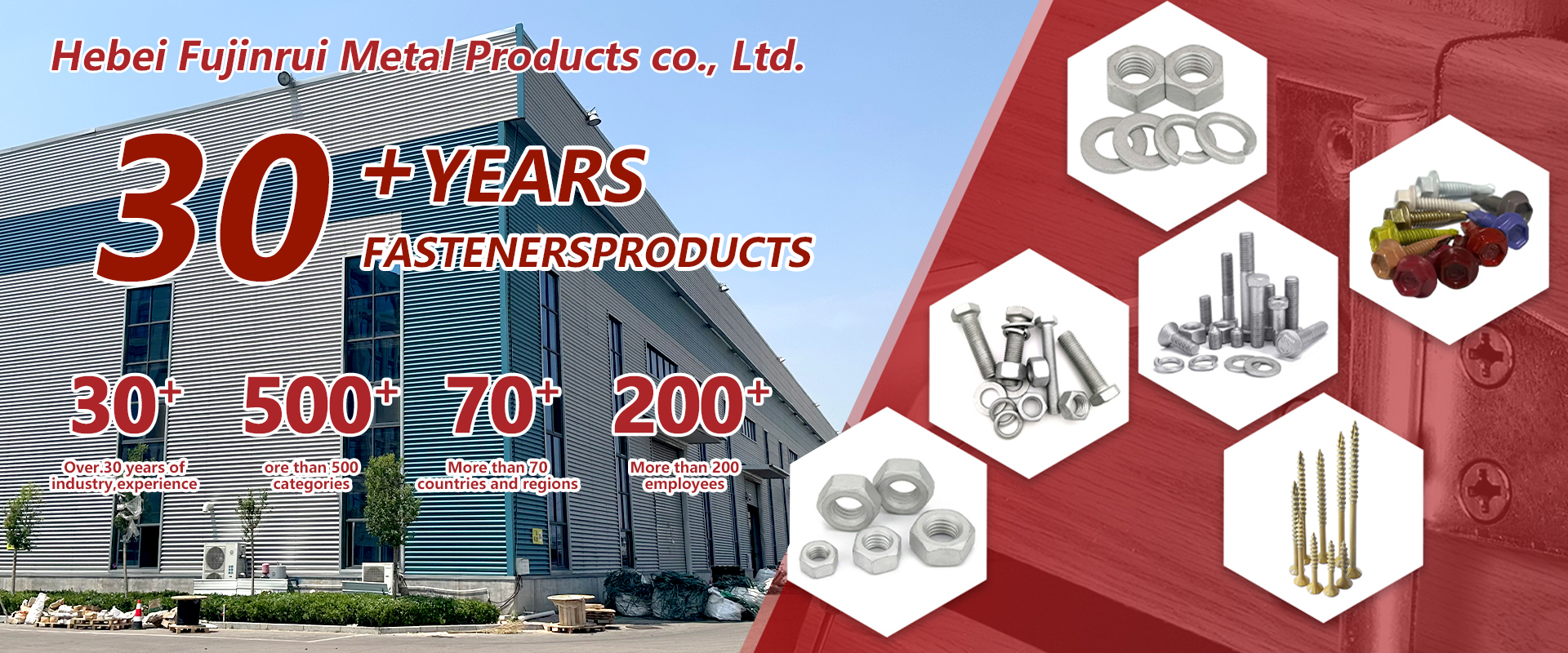
Hebei Fujinrui Metal Products Co., Ltd. operates a 10,000-square-meter production base with dedicated lines for cold forging, thread rolling, heat treatment, and surface coating. This setup enables them to maintain stable production capacity and meet OEM timelines reliably.
Technical Expertise and Support
A good supplier acts as a technical partner. They should offer guidance on material selection, standardization, and application-specific challenges. With a team of over 200 professionals, including seasoned technicians, Fujinrui provides application guidance and customization services, helping clients optimize their designs for manufacturability and cost-efficiency.
Global Reach and Compliance
For international buyers, a supplier’s experience with export markets is vital. Familiarity with shipping logistics, packaging requirements, and regional standards ensures smooth transactions. Fujinrui’s regular exports to Europe, North America, and the Middle East demonstrate their ability to meet diverse regulatory and customer expectations.
Future Trends in Fastener Technology
As we look towards 2026 and beyond, several trends are shaping the future of the fastener industry:
- Lightweighting: The push for fuel efficiency in automotive and aerospace sectors is driving the development of high-strength, lightweight alloys and composite fasteners.
- Sustainability: Environmental regulations are prompting a shift towards eco-friendly coating technologies that reduce hazardous waste, such as trivalent chromium passivations replacing hexavalent chromium.
- Smart Fasteners: Integration of sensors into critical fasteners to monitor tension and detect loosening in real-time is emerging in high-value industrial applications.
- Automation Compatibility: As assembly lines become more automated, the demand for fasteners with tighter tolerances and consistent friction coefficients (for predictable torque-tension behavior) will continue to grow.
Manufacturers who invest in R&D and adapt to these trends will remain competitive. Hebei Fujinrui’s focus on advanced corrosion protection and precision manufacturing positions it well to address these evolving needs.
Frequently Asked Questions (FAQ)
What is the difference between DIN 931 and DIN 933 bolts?
DIN 931 specifies hexagon head bolts with a partial thread (half-thread), typically used where a longer grip length is needed. DIN 933 specifies hexagon head bolts with a full thread, suitable for applications where the bolt passes through multiple thin materials or requires a nut along its entire length. Both are standard in European and global industrial applications.
Why is Dacromet coating preferred in the automotive industry?
Dacromet coating offers excellent corrosion resistance, high heat resistance, and superior torque-tension consistency. It eliminates the risk of hydrogen embrittlement associated with some electroplating processes and provides a uniform finish that is ideal for automated assembly lines.
How does Hebei Fujinrui ensure the quality of its fasteners?
Hebei Fujinrui implements a rigorous quality management system that includes raw material inspection, in-process monitoring of forging and threading, heat treatment verification, and final dimensional and salt spray testing. Their vertically integrated facility allows for strict control over every production stage.
Can I get custom-sized bolts for specific industrial applications?
Yes, reputable manufacturers like Hebei Fujinrui offer customized solutions. They can produce fasteners according to specific drawings, including non-standard lengths, diameters, and head styles, provided that the technical requirements are clearly defined.
What is the significance of the 1500H rating in corrosion protection?
The 1500H rating indicates that the coated fastener can withstand at least 1500 hours in a salt spray test without showing significant red rust. This level of protection is essential for outdoor structures, marine environments, and other harsh conditions where long-term durability is critical.
Conclusion
Selecting the right bolt auto fasteners is a critical decision that impacts the safety, efficiency, and longevity of industrial and automotive assemblies. By understanding the interplay between material selection, manufacturing standards, and quality control, engineers and procurement professionals can make informed choices that mitigate risk and enhance performance.
Partnering with a knowledgeable and capable manufacturer is equally important. Companies like Hebei Fujinrui Metal Products Co., Ltd. demonstrate how vertical integration, technical expertise, and adherence to global standards create value for customers. From high-strength flange bolts to corrosion-resistant self-drilling screws, their comprehensive product portfolio and commitment to quality ensure that every fastener meets the demanding requirements of modern industry.
As technology advances and environmental standards tighten, the role of precision fasteners will only grow in importance. By prioritizing quality and collaboration with trusted suppliers, businesses can build stronger, safer, and more sustainable products for the future.