- English
- Chinese
- French
- German
- Portuguese
- Spanish
- Russian
- Japanese
- Korean
- Arabic
- Irish
- Greek
- Turkish
- Italian
- Danish
- Romanian
- Indonesian
- Czech
- Afrikaans
- Swedish
- Polish
- Basque
- Catalan
- Esperanto
- Hindi
- Lao
- Albanian
- Amharic
- Armenian
- Azerbaijani
- Belarusian
- Bengali
- Bosnian
- Bulgarian
- Cebuano
- Chichewa
- Corsican
- Croatian
- Dutch
- Estonian
- Filipino
- Finnish
- Frisian
- Galician
- Georgian
- Gujarati
- Haitian
- Hausa
- Hawaiian
- Hebrew
- Hmong
- Hungarian
- Icelandic
- Igbo
- Javanese
- Kannada
- Kazakh
- Khmer
- Kurdish
- Kyrgyz
- Latin
- Latvian
- Lithuanian
- Luxembou..
- Macedonian
- Malagasy
- Malay
- Malayalam
- Maltese
- Maori
- Marathi
- Mongolian
- Burmese
- Nepali
- Norwegian
- Pashto
- Persian
- Punjabi
- Serbian
- Sesotho
- Sinhala
- Slovak
- Slovenian
- Somali
- Scots Gaelic
- Shona
- Sindhi
- Sundanese
- Swahili
- Tajik
- Tamil
- Telugu
- Thai
- Ukrainian
- Urdu
- Uzbek
- Vietnamese
- Welsh
- Xhosa
- Yiddish
- Yoruba
- Zulu
- Kinyarwanda
- Tatar
- Oriya
- Turkmen
- Uyghur

Top Geomet Screw Manufacturer: Factory Direct Price & OEM
2026-07-09
- What Is a Geomet Screw and Why Does It Matter?
- Factory Direct Advantages: Price and Quality Control
- Geomet Screw vs. Traditional Electroplating: A Detailed Comparison
- Key Applications Across Industries
- Technical Specifications and Quality Standards
- How to Choose the Right Manufacturer for Your Needs
- Frequently Asked Questions (FAQ)
- Conclusion and Next Steps
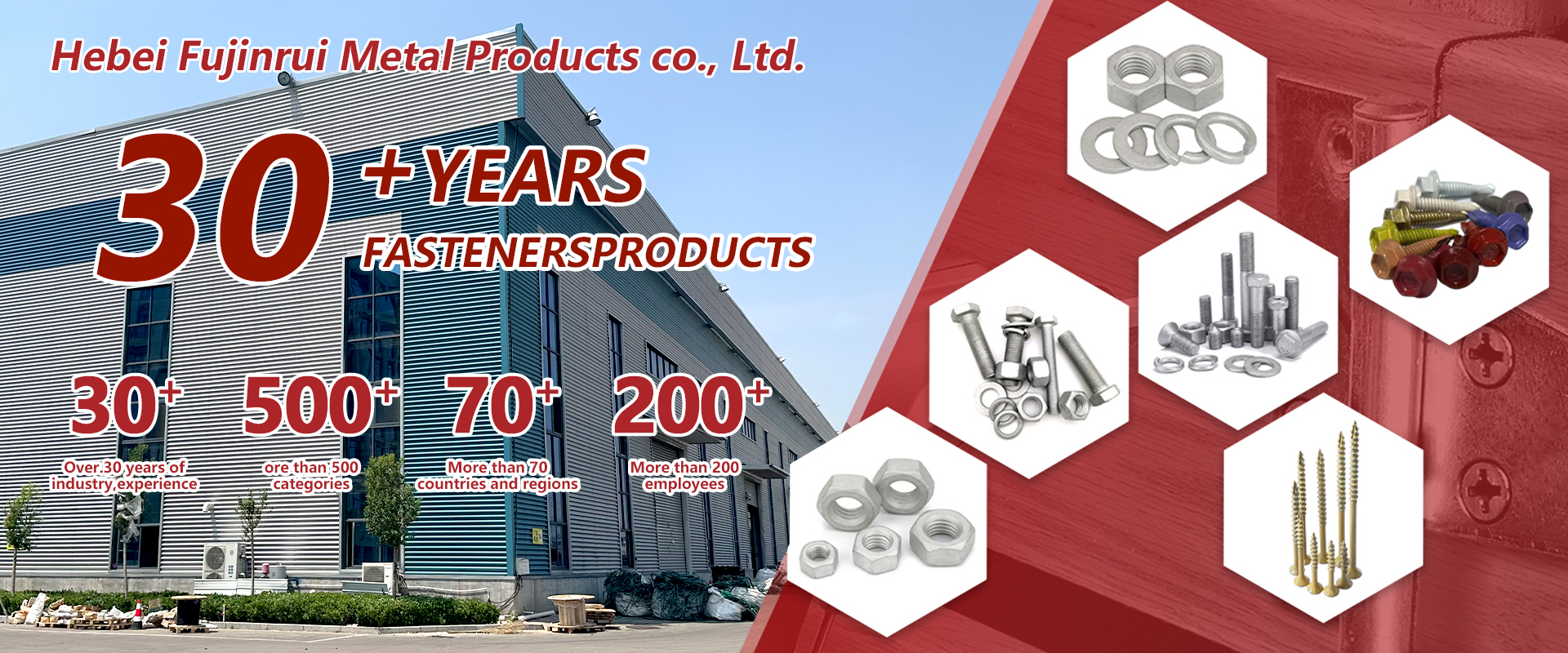
Looking for a reliable geomet screw manufacturer? Backed by over two decades of industry expertise, Hebei Fujinrui Metal Products Co., Ltd. provides factory-direct pricing and full OEM services for high-performance corrosion-resistant fasteners. Established in 2004 and located in Handan City, Hebei Province, our 10,000-square-meter facility specializes in producing premium zinc-flake coated screws that meet rigorous international standards. With a mature technical team of more than 200 professionals, we ensure durability in harsh environments without the risk of hydrogen embrittlement. As a direct source integrating fastener production and metal surface protection, we eliminate middlemen to offer competitive rates while maintaining strict quality control from raw material selection to final packaging.
What Is a Geomet Screw and Why Does It Matter?
A geomet screw refers to a fastener treated with a specific type of zinc-flake coating technology, often associated with the GEOMET brand or similar high-performance non-electrolytic processes. Unlike traditional electroplating, this coating is applied via a dipping and spinning process, creating a uniform layer that offers superior corrosion resistance. The term has become synonymous in the industry with top-tier protection against rust, particularly for automotive and construction applications.
The core value of these screws lies in their ability to withstand salt spray tests for over 1,000 hours, far exceeding standard zinc plating. This makes them essential for components exposed to moisture, road salts, or industrial chemicals. Manufacturers choose this solution not just for longevity, but for its consistent torque-tension characteristics, which are critical in assembly lines where precision is paramount.
Furthermore, the coating process does not induce hydrogen embrittlement, a common failure mode in high-strength steel fasteners treated with acidic electroplating methods. This safety feature allows engineers to specify higher strength grades without compromising structural integrity. The result is a fastener that combines mechanical robustness with exceptional environmental resilience.
The Science Behind Zinc-Flake Coatings
The technology behind a geomet screw involves a water-based suspension of zinc and aluminum flakes. When applied, these flakes overlap like shingles on a roof, creating a barrier that physically blocks corrosive agents. Additionally, the zinc acts as a sacrificial anode, providing cathodic protection to the underlying steel even if the coating is scratched.
This dual-protection mechanism is why the industry considers it a mainstream solution for critical joints. The curing process occurs at relatively low temperatures, preserving the temper of heat-treated screws. This technical advantage ensures that the mechanical properties of the base metal remain unchanged after coating.
Modern formulations also include lubricants within the coating matrix. This integration reduces the friction coefficient during installation, allowing for more accurate preload application. Engineers rely on this predictability to ensure joint reliability in dynamic loading scenarios, such as engine mounts or suspension systems.
Factory Direct Advantages: Price and Quality Control
Sourcing directly from a specialized manufacturer like Hebei Fujinrui offers significant benefits over purchasing through distributors. The most immediate advantage is cost efficiency. By removing intermediaries, buyers access factory direct price structures that can reduce procurement costs substantially. This savings is particularly impactful for large-volume orders typical in automotive or infrastructure projects.
Beyond pricing, direct manufacturing enables tighter quality oversight. Our facility in Handan maintains control over every stage of production, from wire drawing to heading, threading, and finally, the coating application. This vertical integration—combining fastener manufacturing with advanced surface treatment—minimizes the risk of variability that often occurs when multiple vendors handle different stages of the supply chain.
- Consistent Batch Quality: Every lot undergoes rigorous testing to ensure coating thickness and adhesion meet specifications.
- Customization Flexibility: Direct communication allows for rapid adjustments in head styles, drive types, or thread pitches.
- Faster Lead Times: Eliminating distributor stock checks accelerates the production and shipping schedule.
- Technical Support: Direct access to our engineering teams facilitates problem-solving for complex application requirements.
For businesses aiming to optimize their supply chain, establishing a direct relationship with a producer ensures a steady flow of compliant components. This stability is crucial for Just-In-Time (JIT) manufacturing environments where delays can halt entire production lines.
Understanding OEM Capabilities in Fastener Production
Original Equipment Manufacturer (OEM) services are central to our operation. We do not merely sell off-the-shelf items; we engineer solutions tailored to specific client needs. Whether it is a unique head configuration, a special drive system, or a customized coating thickness, our OEM framework accommodates diverse requirements.
The OEM process begins with a detailed analysis of the application environment. Our engineers evaluate factors such as operating temperature, exposure to chemicals, and required clamp load. Based on this data, we recommend the optimal substrate material and coating formulation. This collaborative approach ensures the final product performs exactly as intended in the field.
Prototyping is a key component of our service model. We can rapidly produce sample batches for validation testing, allowing clients to verify fit and function before committing to mass production. This iterative process reduces the risk of costly redesigns later in the product lifecycle.
Geomet Screw vs. Traditional Electroplating: A Detailed Comparison
When selecting fasteners, understanding the difference between zinc-flake coatings and traditional electroplating is vital. While both aim to prevent corrosion, their performance profiles differ significantly. The following table highlights the key distinctions to help inform your procurement decisions.
| Feature | Geomet/Zinc-Flake Coating | Traditional Electroplating |
|---|---|---|
| Corrosion Resistance | Excellent (500-1000+ hours salt spray) | Moderate (48-96 hours salt spray) |
| Hydrogen Embrittlement Risk | None (Non-electrolytic process) | High (Requires baking to mitigate) |
| Coating Uniformity | High (Even coverage on threads and edges) | Variable (Thinner on sharp edges) |
| Temperature Resistance | Up to 300°C without degradation | Limited (Can discolor or degrade) |
| Torque-Tension Consistency | Stable and predictable | Can vary due to surface friction |
| Environmental Impact | Low (Water-based, no heavy metals) | Higher (Acid baths, waste treatment needed) |
The data clearly shows why modern industries are shifting towards zinc-flake technologies. The absence of hydrogen embrittlement is perhaps the most critical factor for high-strength applications. In traditional plating, hydrogen atoms can penetrate the steel lattice, causing sudden brittle failure under stress. The geomet process avoids this entirely.
Additionally, the uniformity of the coating ensures that threaded areas receive the same level of protection as the head and shank. Electroplating often suffers from the “dog-bone” effect, where edges receive less coverage, creating weak points for corrosion initiation. This consistency is vital for long-term reliability.
Performance in Harsh Environments
Industries operating in coastal regions or areas with heavy winter road salting demand fasteners that can endure extreme conditions. Standard screws may begin to show red rust within weeks, compromising structural connections. In contrast, a properly coated geomet screw maintains its integrity for years.
Automotive undercarriages are a prime example. These components face constant bombardment from gravel, water, and de-icing salts. The sacrificial nature of the zinc-aluminum matrix ensures that even minor scratches do not lead to rapid corrosion spread. This self-healing characteristic extends the service life of vehicles significantly.
In industrial settings, equipment exposed to chemical vapors or high humidity also benefits from this advanced protection. The chemical inertness of the cured coating prevents reactions with aggressive substances, making it suitable for processing plants and marine installations.
Key Applications Across Industries
The versatility of these fasteners has led to their adoption across a wide range of sectors. Understanding where they are most effectively deployed helps buyers align their specifications with industry best practices. The following sections detail primary use cases where performance cannot be compromised.
Automotive and Transportation
The automotive sector is the largest consumer of high-performance coated fasteners. From engine components to chassis assemblies, every bolt must withstand vibration, thermal cycling, and environmental exposure. Manufacturers rely on these screws for critical safety systems, including braking and steering mechanisms.
Electric vehicles (EVs) present new challenges, particularly regarding battery pack assembly. These units require secure, corrosion-resistant connections that can last the lifetime of the vehicle. The non-conductive nature of certain topcoats also prevents galvanic corrosion when joining dissimilar metals, a common scenario in EV design.
Commercial trucks and agricultural machinery operate in even harsher conditions. Mud, fertilizer, and road debris create an aggressive environment for standard fasteners. Upgrading to zinc-flake coated options reduces maintenance downtime and warranty claims related to rusted bolts.
Construction and Infrastructure
In the construction industry, the longevity of a structure often depends on the integrity of its connections. Steel frameworks, bridges, and roofing systems are exposed to the elements for decades. Using inferior fasteners can lead to premature failure and costly repairs.
Facade systems and curtain walls frequently utilize these screws due to their aesthetic consistency and durability. The coating can be tinted to match architectural requirements while providing robust protection. This dual functionality makes them a preferred choice for modern building designs.
Infrastructure projects near coastlines or in industrial zones specifically mandate high-corrosion resistance. Regulatory bodies increasingly recognize the life-cycle cost benefits of specifying premium fasteners upfront rather than replacing them periodically.
Renewable Energy Systems
The renewable energy sector, particularly wind and solar, relies heavily on durable fastening solutions. Wind turbines, located offshore or in remote areas, face constant wind, rain, and salt spray. Maintenance access is difficult and expensive, making initial component reliability crucial.
Solar mounting structures are similarly exposed to UV radiation and weather fluctuations. The thermal stability of the coating ensures it does not degrade under intense sunlight. Furthermore, the ability to maintain clamp load over time ensures that solar panels remain securely anchored despite wind uplift forces.
As the global push for green energy intensifies, the demand for fasteners that can guarantee 20+ years of service without failure continues to grow. This sector represents a rapidly expanding market for high-quality OEM fastener solutions.
Technical Specifications and Quality Standards
Adherence to international standards is non-negotiable in fastener manufacturing. Our production processes align with major specifications to ensure global compatibility and acceptance. Clients can trust that every geomet screw leaving our facility meets stringent criteria.
We commonly produce components complying with ISO, DIN, ANSI, and JIS standards, reflecting our extensive experience exporting to Europe, America, and the Middle East. Specific coating standards such as ISO 10683 (Non-electrolytically applied zinc flake coatings) are strictly followed. This ensures that the coating thickness, adhesion, and corrosion resistance are verifiable through standardized testing methods.
- Material Grades: Available in carbon steel (Class 4.8, 8.8, 10.9) and stainless steel variants.
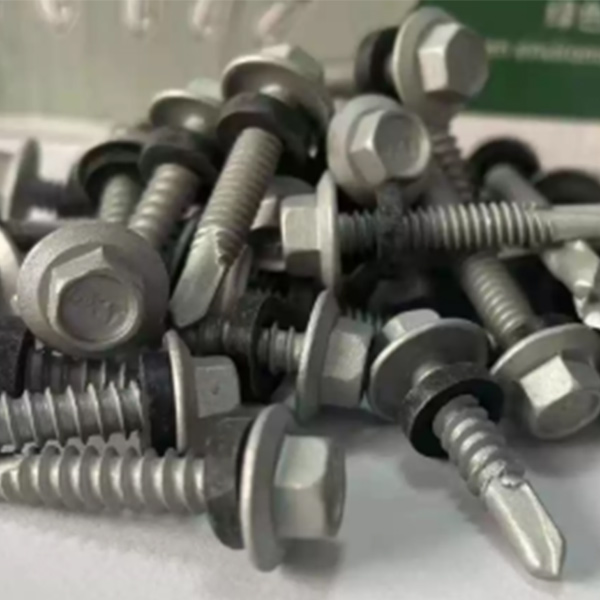
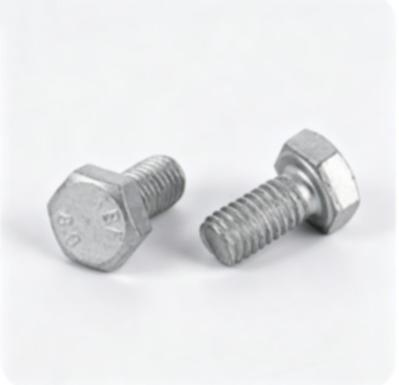
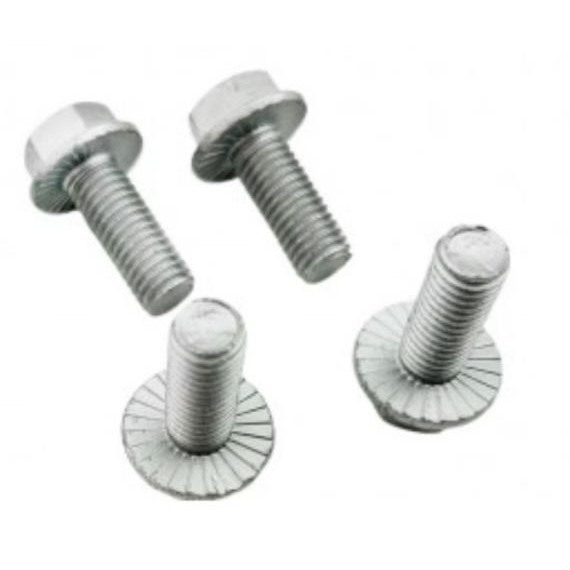
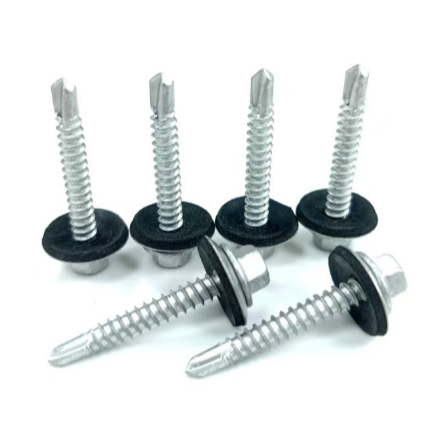
- Product Range: Including Self Drilling Screws, hexagonal bolts and nuts, flange bolts and nuts, and flat/spring washers.
- Coating Thickness: Typically ranges from 6 to 12 microns, adjustable based on application needs.
- Certification: Full material traceability and mill certificates provided upon request.
Quality assurance involves regular salt spray testing, torque-tension analysis, and microscopic examination of coating structure. These internal controls supplement third-party audits, providing an additional layer of confidence for our partners. Transparency in testing results is a cornerstone of our operational philosophy.
The Importance of Torque-Tension Relationship
One often overlooked aspect of fastener performance is the relationship between applied torque and resulting tension. Inconsistent friction can lead to under-tightened joints, which may loosen over time, or over-tightened joints, which risk stripping threads or breaking the bolt.
The integrated lubrication in zinc-flake coatings stabilizes the friction coefficient. This consistency allows assembly line workers and automated robots to apply a specific torque with the confidence that the desired preload will be achieved. This predictability is essential for mass production environments where speed and accuracy are balanced.
Engineers designing joint configurations rely on this data to calculate safe operating limits. By minimizing the scatter in torque-tension curves, the overall safety factor of the assembly can be optimized, potentially allowing for lighter or fewer fasteners without sacrificing strength.
How to Choose the Right Manufacturer for Your Needs
Selecting the right partner for your fastener requirements involves more than just comparing unit prices. It requires evaluating technical capabilities, quality systems, and supply chain reliability. A true manufacturer should act as an extension of your engineering team.
Look for facilities with in-house coating lines. Outsourcing the coating process introduces variables that can affect lead times and quality consistency. A vertically integrated plant like Hebei Fujinrui ensures that the substrate and coating are perfectly matched and processed under controlled conditions.
Assess their R&D capabilities. Can they develop custom solutions? Do they have experience with your specific industry? A manufacturer with a broad portfolio of successful projects brings valuable insights that can improve your product design and reduce costs.
Finally, consider their logistical support. In a global market, the ability to ship efficiently and manage inventory is crucial. Partners who offer vendor-managed inventory (VMI) or consignment stock programs can further streamline your operations and reduce working capital requirements.
Evaluating Sustainability Practices
Sustainability is increasingly a deciding factor in supplier selection. The manufacturing process for zinc-flake coatings is generally more environmentally friendly than traditional plating. It produces less hazardous waste and consumes less water and energy.
When evaluating a manufacturer, inquire about their waste management protocols and energy usage. Companies committed to reducing their carbon footprint often invest in advanced filtration systems and renewable energy sources. Aligning with such partners supports broader corporate social responsibility goals.
Furthermore, the longevity of the product itself contributes to sustainability. By extending the service life of assemblies, fewer replacements are needed, reducing the overall consumption of raw materials and the environmental impact of maintenance activities.
Frequently Asked Questions (FAQ)
To address common inquiries and clarify technical details, we have compiled a list of frequently asked questions regarding our geomet screw products and services.
What is the maximum temperature these screws can withstand?
Standard zinc-flake coatings can typically withstand continuous exposure to temperatures up to 300°C (572°F) without significant loss of corrosion protection or change in appearance. This makes them suitable for engine compartments and exhaust system components where heat is a primary concern.
Can you produce custom head styles and drive types?
Yes, as an OEM manufacturer with over 20 years of experience, we specialize in customization. We can produce various head styles including hex, pan, flat, and countersunk, along with drive types like Phillips, Pozidriv, Torx, and Hex Socket. Custom tooling is available to meet unique design specifications.
How does the pricing compare to standard zinc plating?
While the initial unit cost of a zinc-flake coated screw may be slightly higher than standard electroplated options, the total cost of ownership is often lower. The extended service life, reduced warranty claims, and elimination of secondary processes like baking for hydrogen embrittlement result in significant long-term savings.
Do you provide samples for testing?
Absolutely. We encourage potential clients to test our products in their specific applications. We can provide sample kits featuring various sizes, grades, and coating configurations to facilitate your validation process. Contact our sales team to arrange a shipment.
Is the coating conductive?
The base zinc-flake coating is electrically conductive. However, we can apply organic topcoats that provide electrical insulation if required by the application. This flexibility allows us to serve both grounded and insulated assembly needs within the electronics and automotive sectors.
Conclusion and Next Steps
In summary, sourcing high-quality geomet screw solutions directly from Hebei Fujinrui Metal Products Co., Ltd. offers unmatched benefits in terms of performance, cost, and reliability. With our 10,000-square-meter facility and mature production team, we deliver superior corrosion resistance, zero hydrogen embrittlement risk, and consistent torque characteristics ideal for demanding applications in automotive, construction, and renewable energy sectors.
This solution is best suited for engineers and procurement managers who prioritize long-term durability and operational safety over initial purchase price. If your projects involve exposure to harsh environments or require high-strength connections, transitioning to zinc-flake technology is a strategic move that pays dividends over the product lifecycle.
Ready to optimize your fastener supply chain? Contact our team today to discuss your specific requirements. Whether you need standard American, German, or national standard items, or a fully customized OEM solution, our factory-direct model ensures you receive the best value and support. Let us help you build stronger, longer-lasting products with confidence.