- English
- Chinese
- French
- German
- Portuguese
- Spanish
- Russian
- Japanese
- Korean
- Arabic
- Irish
- Greek
- Turkish
- Italian
- Danish
- Romanian
- Indonesian
- Czech
- Afrikaans
- Swedish
- Polish
- Basque
- Catalan
- Esperanto
- Hindi
- Lao
- Albanian
- Amharic
- Armenian
- Azerbaijani
- Belarusian
- Bengali
- Bosnian
- Bulgarian
- Cebuano
- Chichewa
- Corsican
- Croatian
- Dutch
- Estonian
- Filipino
- Finnish
- Frisian
- Galician
- Georgian
- Gujarati
- Haitian
- Hausa
- Hawaiian
- Hebrew
- Hmong
- Hungarian
- Icelandic
- Igbo
- Javanese
- Kannada
- Kazakh
- Khmer
- Kurdish
- Kyrgyz
- Latin
- Latvian
- Lithuanian
- Luxembou..
- Macedonian
- Malagasy
- Malay
- Malayalam
- Maltese
- Maori
- Marathi
- Mongolian
- Burmese
- Nepali
- Norwegian
- Pashto
- Persian
- Punjabi
- Serbian
- Sesotho
- Sinhala
- Slovak
- Slovenian
- Somali
- Scots Gaelic
- Shona
- Sindhi
- Sundanese
- Swahili
- Tajik
- Tamil
- Telugu
- Thai
- Ukrainian
- Urdu
- Uzbek
- Vietnamese
- Welsh
- Xhosa
- Yiddish
- Yoruba
- Zulu
- Kinyarwanda
- Tatar
- Oriya
- Turkmen
- Uyghur

How to Source High-Quality Bolt Uber Components from China: A B2B Procurement Guide
2026-10-28
- Understanding the Landscape of Bolt Procurement from China
- Key Technical Specifications and Standards for High-Performance Bolts
- Evaluating Surface Treatment and Corrosion Resistance
- Supplier Evaluation: Identifying Reliable Manufacturing Partners
- The Procurement Process: From Inquiry to Delivery
- Logistics and Supply Chain Considerations
- Why Partner with Hebei Fujinrui Metal Products Co., Ltd.?
- Frequently Asked Questions (FAQ)
Summary Sourcing high-quality fasteners from China requires a strategic approach to quality assurance, supplier verification, and logistical planning. This guide outlines the essential steps for B2B procurement of bolt components, emphasizing technical standards, surface treatment technologies like Dacromet, and the importance of partnering with experienced manufacturers such as Hebei Fujinrui Metal Products Co., Ltd. to ensure reliability and compliance in global construction and industrial projects.
Understanding the Landscape of Bolt Procurement from China
The global supply chain for industrial fasteners has increasingly shifted toward China, driven by the country’s robust manufacturing infrastructure, cost efficiencies, and expanding technical capabilities. For B2B buyers, particularly those sourcing critical components like hex bolts, self-drilling screws, and rigging hardware, China offers a vast array of suppliers. However, the term “bolt uber” often emerges in search queries as buyers look for superior, high-performance, or premium-grade fastening solutions that go beyond standard commodity items. In this context, “uber” signifies a demand for exceptional quality, rigorous testing, and advanced corrosion resistance rather than a specific brand name.
Procuring these high-performance components requires more than just comparing unit prices. It demands a deep understanding of material science, international standards, and manufacturing processes. Buyers must navigate a market where capabilities vary significantly between small workshops and integrated manufacturing enterprises. The goal is to identify partners who can deliver consistent quality, meet strict dimensional tolerances, and provide reliable surface treatments that ensure longevity in harsh environments.
In 2026, the emphasis on supply chain resilience and quality transparency is higher than ever. Buyers are no longer satisfied with basic compliance; they seek suppliers who offer traceability, technical consultation, and proactive quality management. This guide provides a structured framework for evaluating suppliers, understanding technical specifications, and managing the procurement process to secure high-quality bolt components that meet the rigorous demands of modern infrastructure and industrial applications.
Key Technical Specifications and Standards for High-Performance Bolts
When sourcing high-quality bolts, the first step is defining precise technical requirements. Ambiguity in specifications is the primary cause of quality disputes and project delays. International standards serve as the common language between buyers and manufacturers, ensuring that products meet expected performance criteria.
International Standards and Compliance
High-quality fasteners must comply with recognized international standards. Depending on the target market and application, relevant standards may include:
- DIN (Deutsches Institut für Normung): Widely used in Europe and globally. For example, DIN 931 specifies dimensions for half-thread hexagon head bolts, while DIN 933 covers full-thread variants. Compliance ensures interoperability with other European-standard components.
- ASTM (American Society for Testing and Materials): Critical for projects in North America. ASTM A325 and A490 define requirements for structural steel bolting, focusing on tensile strength and hardness.
- ISO (International Organization for Standardization): ISO 898-1 specifies mechanical properties for fasteners made of carbon steel and alloy steel, providing a global benchmark for grade classifications such as 8.8, 10.9, and 12.9.
- GB (Guobiao): Chinese national standards. While many Chinese manufacturers export to DIN or ASTM standards, understanding GB equivalents can be useful for domestic sourcing or when verifying raw material certifications.
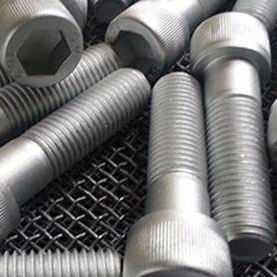
It is crucial to specify the exact standard version in purchase orders. For instance, a “DIN 931 bolt” must be clarified regarding thread pitch, tolerance class, and material grade. Reputable manufacturers like Hebei Fujinrui Metal Products Co., Ltd. maintain strict adherence to these standards, ensuring that every batch of Outer Hexagon Bolts or Inner Hexagon Bolts meets the specified dimensional and mechanical requirements.
Material Grades and Mechanical Properties
The performance of a bolt is fundamentally determined by its material composition and heat treatment. Common materials include:
- Carbon Steel: The most common material for general-purpose and structural bolts. Grades range from low carbon (e.g., Grade 4.8) to high strength (e.g., Grade 10.9 or 12.9). High-strength bolts undergo quenching and tempering to achieve the required tensile strength and yield point.
- Stainless Steel: Used for corrosion-resistant applications. Grades such as A2-70 (304 stainless) and A4-80 (316 stainless) offer varying levels of resistance to rust and chemical exposure. Stainless steel bolts are essential in marine environments or food processing industries.
- Alloy Steel: Used for specialized high-stress applications requiring superior fatigue resistance and toughness.
Buyers should request material test reports (MTRs) that verify the chemical composition and mechanical properties of the steel used. This documentation is a key indicator of a supplier’s commitment to quality and transparency.
Evaluating Surface Treatment and Corrosion Resistance
For many industrial and construction applications, the bolt’s resistance to corrosion is as critical as its mechanical strength. Surface treatment technologies have evolved significantly, offering solutions that extend product lifespan and reduce maintenance costs. Understanding these options is vital for selecting the right component for your environment.
Advanced Corrosion Protection Technologies
Standard zinc plating offers basic protection, but demanding environments require more robust solutions. Two notable technologies widely used by leading manufacturers include:
- Dacromet Coating: A zinc-flake coating system that provides excellent corrosion resistance, often exceeding 1000 hours in salt spray tests. Dacromet is known for its uniform thickness, lack of hydrogen embrittlement risk, and good adhesion. It is ideal for automotive, construction, and electrical applications where long-term durability is required.
- 1500H Anti-Corrosion Treatment: This advanced coating technology is designed for extreme conditions, offering up to 1500 hours of salt spray resistance. It is particularly suitable for outdoor structures, coastal installations, and chemical processing plants where exposure to moisture and corrosive agents is continuous.
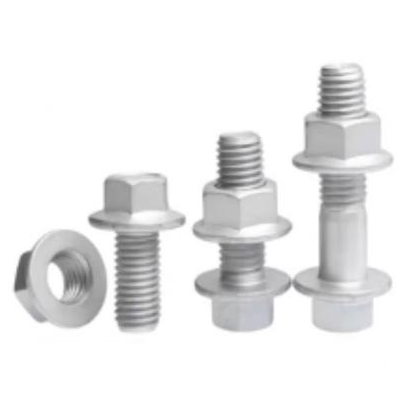
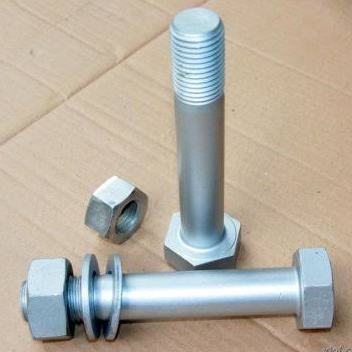
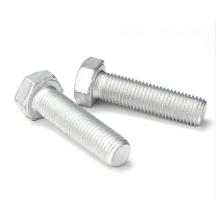
Hebei Fujinrui Metal Products Co., Ltd. specializes in these advanced surface treatments, applying them to products such as High Rust Resistance DIN931 Dacromet Hex Bolts and 1500H Corrosion-Resistant Coated Hexagon Self-Drilling Tapping Screws. These treatments not only protect the base metal but also enhance the aesthetic consistency of the fasteners.
Integration of Functional Components
High-quality fasteners often incorporate additional features to improve performance. For example, self-drilling screws may include EPDM (Ethylene Propylene Diene Monomer) washers. These washers provide a watertight seal, preventing leakage in roofing and cladding applications. The combination of a hardened drill point, precise thread formation, and a durable EPDM washer ensures a secure, leak-proof connection that withstands thermal expansion and vibration.
When sourcing such components, buyers should verify the quality of the washer material and its bonding to the screw head. Poor-quality washers can degrade under UV exposure or extreme temperatures, compromising the integrity of the joint. Manufacturers with vertically integrated production lines, such as Fujinrui, can control the quality of both the metal component and the attached washer, ensuring consistent performance.
Supplier Evaluation: Identifying Reliable Manufacturing Partners
Selecting the right supplier is the most critical decision in the procurement process. A reliable partner does more than manufacture parts; they act as a technical consultant and quality assurance gatekeeper. Evaluating suppliers requires a multi-dimensional approach that goes beyond price quotes.
Manufacturing Capabilities and Vertical Integration
Vertically integrated manufacturers offer significant advantages in terms of quality control and lead time reliability. These facilities handle every stage of production in-house, including:
- Cold Forging: Precision forming of the bolt head and shank, ensuring grain flow alignment for maximum strength.
- Thread Rolling: Creating threads that are stronger than cut threads due to work hardening of the material.
- Heat Treatment: Controlled quenching and tempering to achieve specific hardness and tensile strength grades.
- Surface Coating: In-house application of zinc, Dacromet, or other coatings, allowing for immediate quality feedback and process adjustment.
Companies like Hebei Fujinrui Metal Products Co., Ltd. operate from modern production bases spanning 10,000 square meters, equipped with these integrated capabilities. This structure eliminates dependencies on external subcontractors, reducing the risk of quality variations and delays. It also enables traceability, as every batch can be tracked from raw material input to final inspection.
Quality Management Systems
A robust Quality Management System (QMS) is non-negotiable for high-quality fastener sourcing. Look for suppliers who implement rigorous inspection protocols at every stage:
- Raw Material Inspection: Verifying chemical composition and mechanical properties of incoming steel wire and bars.
- In-Process Control: Monitoring dimensions, thread accuracy, and hardness during production.
- Final Inspection: Conducting dimensional verification, salt spray testing for corrosion resistance, and torque testing.
Ask potential suppliers for details on their testing equipment and frequency of inspections. Do they perform 100% optical sorting for critical dimensions? Do they have in-house salt spray chambers? The ability to provide detailed inspection reports demonstrates a commitment to quality that transcends basic certification.
Technical Expertise and Experience
Experience matters in fastener manufacturing. A supplier with decades of industry experience, such as Fujinrui’s team with over 20 years in the field, brings valuable insights into problem-solving and application optimization. They can advise on material selection, thread design, and coating choices based on real-world performance data. This technical collaboration is invaluable for complex projects where standard off-the-shelf solutions may not suffice.
The Procurement Process: From Inquiry to Delivery
A structured procurement process minimizes risks and ensures that expectations are aligned between buyer and supplier. Following a systematic approach helps in managing timelines, costs, and quality outcomes.
Step 1: Detailed Request for Quotation (RFQ)
A comprehensive RFQ is the foundation of a successful procurement cycle. It should include:
- Detailed drawings or standard references (e.g., DIN 931, M12x50, Grade 8.8).
- Material specifications and required certifications.
- Surface treatment requirements (e.g., Dacromet, 1500H coating).
- Quantity and packaging preferences.
- Target delivery date and destination port.
Providing clear information allows suppliers to give accurate quotes and identify any potential manufacturing challenges early in the process.
Step 2: Sample Verification
Before placing a bulk order, always request samples. Evaluate these samples for:
- Dimensional Accuracy: Use calipers and thread gauges to verify compliance with drawings.
- Surface Finish: Check for uniformity of coating, absence of defects, and proper washer attachment if applicable.
- Functional Fit: Test the samples in your actual application to ensure proper engagement and performance.
Sample approval serves as a benchmark for mass production. Any deviations in the bulk order can be referenced against the approved sample.
Step 3: Contract and Quality Agreement
Clearly define quality acceptance criteria, inspection methods, and penalty clauses for non-compliance in the contract. Specify the allowable defect rate and the procedure for handling rejected goods. A well-drafted contract protects both parties and sets clear expectations for quality and delivery.
Step 4: Production Monitoring and Pre-Shipment Inspection
For large orders, consider conducting mid-production inspections or hiring a third-party inspection agency for pre-shipment checks. Verify that the production line is following agreed-upon processes and that the final product meets all specifications. This step provides an opportunity to catch issues before goods are shipped, avoiding costly returns or rework.
Logistics and Supply Chain Considerations
Efficient logistics are essential for maintaining project timelines. When sourcing from China, consider the following factors:
- Packaging: Ensure that packaging is robust enough to withstand ocean freight and handling. Customized packaging solutions, such as branded boxes or palletized shipments, can streamline receiving and inventory management. Hebei Fujinrui offers customized packaging options to meet specific client needs.
- Incoterms: Clearly define responsibilities for shipping, insurance, and customs clearance. FOB (Free on Board) and CIF (Cost, Insurance, and Freight) are common terms, but DDP (Delivered Duty Paid) may be preferable for buyers seeking a hassle-free experience.
- Lead Times: Account for production time, inland transportation, customs clearance, and ocean transit. Build buffer time into your project schedule to accommodate potential delays.
Working with a supplier who has experience in exporting to your region, such as Europe, North America, or the Middle East, can simplify logistical complexities. Established exporters are familiar with documentation requirements and customs regulations, reducing the risk of shipment hold-ups.
Why Partner with Hebei Fujinrui Metal Products Co., Ltd.?
In the competitive landscape of fastener manufacturing, Hebei Fujinrui Metal Products Co., Ltd. stands out as a reliable partner for B2B buyers seeking high-quality, standards-compliant solutions. Headquartered in Handan City, Hebei Province, the company combines deep domain expertise with modern manufacturing capabilities to deliver value across diverse industrial sectors.
With over 20 years of experience, Fujinrui has developed a comprehensive product portfolio that includes Self-drilling Screws, Outer and Inner Hexagon Bolts, Machine Screws, and Rigging Components. Their commitment to quality is evident in their vertically integrated facility, which houses precision cold forging, thread rolling, heat treatment, and surface coating lines. This integration allows for strict control over every production stage, ensuring consistent performance and traceability.
The company’s specialization in advanced corrosion protection technologies, such as Dacromet and 1500H coatings, addresses the growing demand for durable fasteners in harsh environments. Products like the High Rust Resistance DIN931 Dacromet Hex Bolts and Hex Self-drilling Screws with EPDM Washers are designed to meet the rigorous demands of global infrastructure projects.
Fujinrui’s customer-centric approach is grounded in responsiveness, transparency, and technical collaboration. They offer application guidance, standardization consultation, and customized solutions, helping buyers optimize their fastening strategies. By prioritizing integrity and ethical responsibility, Hebei Fujinrui Metal Products Co., Ltd. aims to build long-term partnerships based on trust and mutual success.
For buyers looking to source high-quality bolt components from China, partnering with a manufacturer like Hebei Fujinrui Metal Products Co., Ltd. provides the assurance of quality, reliability, and technical support needed to execute successful projects.
Frequently Asked Questions (FAQ)
What is the difference between Dacromet and standard zinc plating?
Dacromet is a zinc-flake coating that offers superior corrosion resistance, typically lasting 2-3 times longer than standard zinc plating in salt spray tests. It also provides better coverage in recessed areas and does not suffer from hydrogen embrittlement, making it safer for high-strength bolts.
Can I request custom packaging for my fastener orders?
Yes, many reputable manufacturers, including Hebei Fujinrui, offer customized packaging solutions. This can include branded boxes, specific labeling requirements, or pallet configurations that align with your warehouse handling processes.
How do I verify the quality of bolts before shipment?
You can request detailed inspection reports, including dimensional checks, hardness tests, and salt spray test results. For large orders, hiring a third-party inspection agency to conduct a pre-shipment inspection is a best practice to ensure compliance with your specifications.
What standards do Chinese fastener manufacturers typically follow?
Leading Chinese manufacturers adhere to international standards such as DIN (German), ASTM (American), ISO (International), and GB (Chinese). It is essential to specify the required standard in your purchase order to ensure compatibility and compliance.
Why is vertical integration important in fastener manufacturing?
Vertical integration allows a manufacturer to control every step of the production process, from raw material sourcing to final coating. This leads to better quality control, faster response to issues, and more reliable lead times compared to suppliers who outsource certain stages.