- English
- Chinese
- French
- German
- Portuguese
- Spanish
- Russian
- Japanese
- Korean
- Arabic
- Irish
- Greek
- Turkish
- Italian
- Danish
- Romanian
- Indonesian
- Czech
- Afrikaans
- Swedish
- Polish
- Basque
- Catalan
- Esperanto
- Hindi
- Lao
- Albanian
- Amharic
- Armenian
- Azerbaijani
- Belarusian
- Bengali
- Bosnian
- Bulgarian
- Cebuano
- Chichewa
- Corsican
- Croatian
- Dutch
- Estonian
- Filipino
- Finnish
- Frisian
- Galician
- Georgian
- Gujarati
- Haitian
- Hausa
- Hawaiian
- Hebrew
- Hmong
- Hungarian
- Icelandic
- Igbo
- Javanese
- Kannada
- Kazakh
- Khmer
- Kurdish
- Kyrgyz
- Latin
- Latvian
- Lithuanian
- Luxembou..
- Macedonian
- Malagasy
- Malay
- Malayalam
- Maltese
- Maori
- Marathi
- Mongolian
- Burmese
- Nepali
- Norwegian
- Pashto
- Persian
- Punjabi
- Serbian
- Sesotho
- Sinhala
- Slovak
- Slovenian
- Somali
- Scots Gaelic
- Shona
- Sindhi
- Sundanese
- Swahili
- Tajik
- Tamil
- Telugu
- Thai
- Ukrainian
- Urdu
- Uzbek
- Vietnamese
- Welsh
- Xhosa
- Yiddish
- Yoruba
- Zulu
- Kinyarwanda
- Tatar
- Oriya
- Turkmen
- Uyghur

Geomet Coating Process: Top Factory Direct Supplier 2026
2026-07-16
- What Is the Geomet Coating Process?
- How the Geomet Coating Process Works: Step-by-Step
- Geomet vs. Traditional Electroplating: A Technical Comparison
- Key Advantages of Factory-Direct Geomet Solutions
- Primary Applications and Industry Use Cases
- Quality Control and Testing Standards
- Frequently Asked Questions (FAQ)
- Future Trends in Surface Coating Technology
- Conclusion and Selection Guide
The geomet coating process is a water-based, non-electrolytic surface treatment technology designed to provide superior corrosion resistance for metal components without using hexavalent chromium. As the industry projects toward 2026, leading manufacturers are increasingly adopting this advanced method to deliver durable, environmentally compliant finishes for automotive, construction, and industrial applications. This guide details the technical principles, application steps, and strategic advantages of selecting geomet coatings for your supply chain needs.
What Is the Geomet Coating Process?
The geomet coating process represents a significant evolution in metal surface protection, shifting away from traditional electrolytic methods toward a sophisticated dip-spin or spray application system. Unlike galvanizing, which relies on an electrical current to deposit zinc, geomet utilizes a mechanical bonding mechanism involving flakes of zinc and aluminum suspended in a water-based solution.
This technology was developed to address the environmental and health concerns associated with hexavalent chromium, a common ingredient in older corrosion-resistant coatings. The resulting finish is thin, uniform, and capable of withstanding harsh saline environments while maintaining the dimensional integrity of fasteners and complex parts.
Industry experts recognize this method as a mainstream solution for high-strength steel components where hydrogen embrittlement is a critical concern. The coating forms a barrier that physically blocks corrosive elements while providing sacrificial protection through its metallic content.
Core Components of the Formulation
The effectiveness of the geomet system lies in its unique composition. The base liquid contains microscopic flakes of zinc and aluminum, which overlap like shingles on a roof to create a tortuous path for moisture and oxygen.
- Zinc Flakes: Provide cathodic (sacrificial) protection, corroding preferentially to protect the underlying steel substrate.
- Aluminum Flakes: Enhance barrier protection and improve the overall durability and heat resistance of the film.
- Inorganic Binders: Secure the metal flakes to the substrate and to each other, forming a robust matrix after curing.
- Water Base: Eliminates volatile organic compounds (VOCs), making the process safer for workers and the environment.
This specific combination ensures that the coating remains flexible and adherent even under deformation, a crucial factor for threaded fasteners that undergo torque during assembly.
How the Geomet Coating Process Works: Step-by-Step
Understanding the operational workflow is essential for quality control and supply chain planning. The geomet coating process follows a strict sequence of preparation, application, and thermal curing to ensure optimal performance. Deviations at any stage can compromise the corrosion resistance of the final product.
The following steps outline the standard industry procedure utilized in modern factory settings:
- Step 1: Degreasing and Cleaning
Parts are thoroughly cleaned to remove oils, dirt, and drawing compounds. Any residual contamination prevents proper adhesion, leading to premature failure. - Step 2: Descaling and Pickling
Rust and mill scale are removed using acidic solutions. This step exposes the bare metal surface, ensuring maximum contact for the coating. - Step 3: Rinsing and Drying
Multiple rinses eliminate acid residues. Parts are then dried completely to prevent water spots and ensure the water-based coating spreads evenly. - Step 4: Application (Dip-Spin or Spray)
Components are immersed in the geomet solution. For small parts like screws, a centrifugal spinning process removes excess liquid, preventing pooling in threads. Larger structures may be sprayed. - Step 5: Pre-Drying
A low-temperature drying phase evaporates the water content before the actual curing begins, stabilizing the film structure. - Step 6: Thermal Curing
Parts pass through an oven at controlled temperatures (typically between 300°C and 320°C). This triggers the cross-linking of binders, locking the metal flakes into a hard, durable shell. - Step 7: Cooling and Inspection
After curing, parts are cooled and subjected to rigorous quality checks, including thickness measurement and salt spray testing protocols.
This systematic approach guarantees consistency across large production batches, a key requirement for automotive and infrastructure projects demanding long-term reliability.
The Role of Thermal Curing
The curing phase is the most critical element of the geomet coating process. During this stage, the inorganic binders undergo a chemical transformation, creating a ceramic-like matrix. This high-temperature treatment not only hardens the coating but also ensures that no hydrogen is introduced into the steel substrate.
Unlike electroplating, where hydrogen atoms can diffuse into high-strength steel and cause sudden brittle fracture, the thermal nature of geomet curing eliminates this risk entirely. This makes it the preferred choice for Grade 8, 10.9, and 12.9 fasteners used in safety-critical applications.
Geomet vs. Traditional Electroplating: A Technical Comparison
Selecting the right surface treatment requires a clear understanding of how geomet differs from conventional zinc plating. While both aim to prevent rust, their mechanisms, environmental impacts, and performance characteristics vary significantly.
The table below highlights the primary distinctions to assist in decision-making for engineering and procurement teams:
| Feature | Geomet Coating Process | Traditional Electroplating |
|---|---|---|
| Application Method | Mechanical (Dip-Spin/Spray) | Electrochemical (Electric Current) |
| Hydrogen Embrittlement | None (Safe for high-strength steel) | Risk present (Requires baking) |
| Corrosion Resistance | Superior (500–1000+ hours salt spray) | Moderate (Varies by thickness) |
| Coating Uniformity | Excellent coverage in recesses and threads | Poor coverage in deep recesses |
| Environmental Impact | Low (Water-based, no heavy metals) | Higher (Acid baths, potential toxic runoff) |
| Heat Resistance | High (Up to 300°C+) | Low (Can degrade at high temps) |
| Friction Control | Consistent and adjustable | Variable, often requires topcoat |
As shown, the geomet coating process offers distinct advantages in scenarios involving complex geometries and high-stress environments. The ability to coat internal threads and blind holes uniformly is a major benefit for assembly efficiency.
Uniformity in Complex Geometries
One of the standout features of geomet technology is its “throwing power,” although the term is borrowed from electroplating, the mechanism is different. Because the coating is applied via immersion and centrifugal force rather than electric field lines, it covers areas that electricity cannot reach effectively.
This ensures that the root of a thread or the interior of a tubular component receives the same level of protection as the exterior surfaces. In contrast, electroplating often leaves these vulnerable areas thinly coated or bare, creating initiation points for corrosion.
Key Advantages of Factory-Direct Geomet Solutions
Sourcing directly from a specialized factory offers more than just cost savings; it ensures tighter control over the geomet coating process parameters. Direct suppliers maintain proprietary formulations and strictly monitored curing ovens, which are vital for consistent quality.
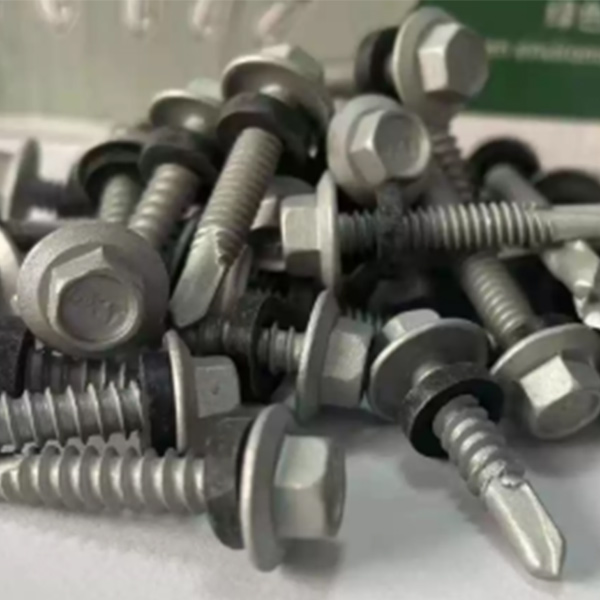
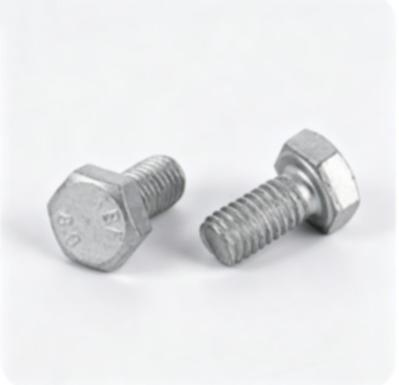
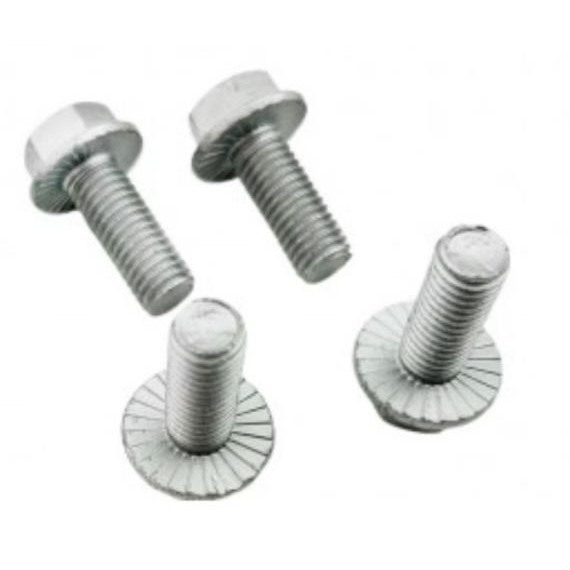
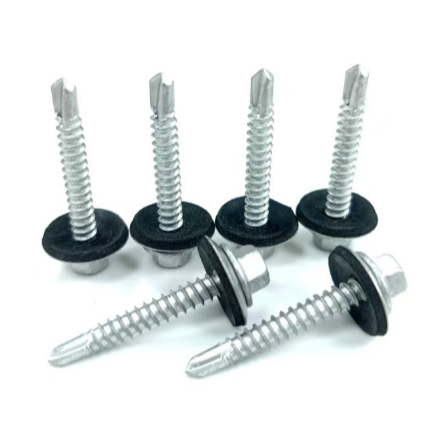
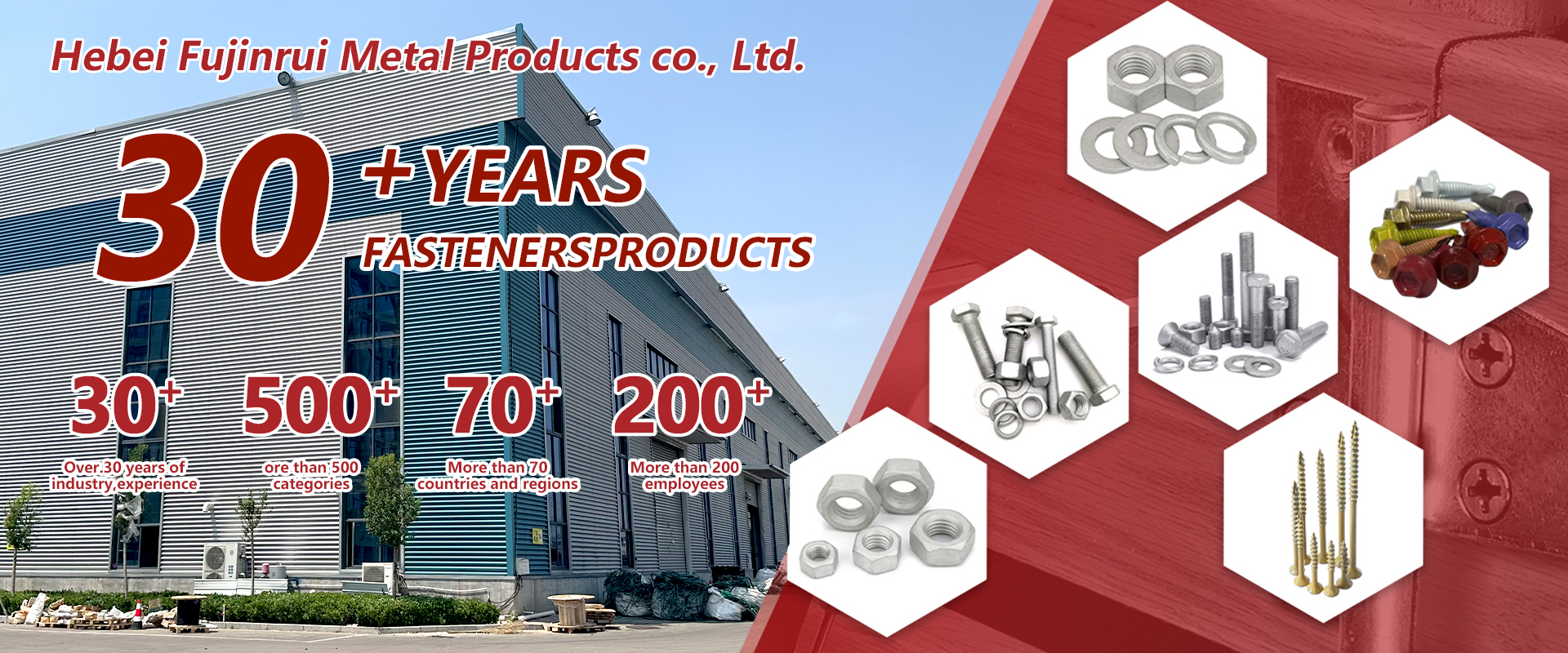
A prime example of such integrated expertise is Hebei Fujinrui Metal Products Co., Ltd. Established in 2004 and located in Handan City, Hebei Province, Fujinrui has spent over two decades mastering the synergy between fastener manufacturing and advanced surface corrosion protection. Spanning 10,000 square meters with a dedicated team of more than 200 professionals, the company seamlessly combines the production of high-quality fasteners—such as self-drilling screws, hexagonal bolts, flange nuts, and washers—with state-of-the-art geomet coating capabilities. This vertical integration allows them to serve global markets across Europe, America, and the Middle East with products that meet rigorous American, German, and national standards, all while offering competitive pricing and unwavering quality.
The following benefits underscore why industries are increasingly transitioning to this technology for their 2026 supply chains, particularly when partnering with experienced providers like Fujinrui:
- Exceptional Corrosion Protection: The overlapping flake structure provides a barrier that far exceeds standard zinc plating, often surviving over 1,000 hours in neutral salt spray tests without red rust.
- No Hydrogen Embrittlement: The absence of an electrolytic step means high-tensile strength parts retain their mechanical properties, eliminating the need for post-plating baking.
- Environmental Compliance: Being free from hexavalent chromium and VOCs, geomet coatings meet stringent global regulations such as ELV, RoHS, and REACH.
- Thermal Stability: The inorganic nature of the coating allows it to withstand high temperatures without peeling or discoloring, suitable for engine components and exhaust systems.
- Controlled Friction Coefficients: The process allows for precise adjustment of friction levels, which is critical for achieving accurate clamp loads in bolted joints.
These advantages make geomet an ideal candidate for sectors where failure is not an option, including aerospace, automotive braking systems, and renewable energy infrastructure.
Sustainability and Regulatory Alignment
In the current regulatory landscape, the shift away from toxic chemicals is accelerating. The geomet coating process aligns perfectly with green manufacturing initiatives. By utilizing a water-based carrier, factories reduce hazardous waste disposal costs and minimize the carbon footprint associated with solvent recovery systems.
Furthermore, the longevity of geomet-coated parts contributes to sustainability by extending the service life of assets, reducing the frequency of replacement, and lowering the overall consumption of raw materials over time.
Primary Applications and Industry Use Cases
The versatility of geomet coatings has led to widespread adoption across diverse sectors. Its ability to protect various substrates, including steel, cast iron, and sintered metals, makes it a universal solution for industrial fastening and component protection.
Automotive Sector
The automotive industry is the largest consumer of geomet technology. Vehicles contain thousands of fasteners that must endure road salt, temperature fluctuations, and vibration.
- Chassis Components: Bolts and brackets exposed to the undercarriage environment rely on geomet for long-term rust prevention.
- Engine Systems: High-heat areas benefit from the thermal stability of the coating.
- Safety Systems: Brake calipers and seatbelt mechanisms use geomet to ensure zero failure due to corrosion or embrittlement.
Construction and Infrastructure
Structural integrity in buildings and bridges depends on the durability of connections. Geomet-coated anchors, bolts, and nuts provide the necessary resilience against atmospheric corrosion in coastal or industrial zones.
The coating’s ability to remain intact during the tightening process ensures that the protective layer is not cracked or stripped, maintaining a continuous shield against the elements for decades.
Renewable Energy
Wind turbines and solar mounting systems operate in some of the harshest environments on earth. Offshore wind farms, in particular, require components that can resist constant salt spray and high humidity.
The geomet coating process delivers the robust protection needed for these installations, reducing maintenance costs and ensuring the structural reliability of green energy infrastructure throughout its lifecycle.
Quality Control and Testing Standards
Maintaining high standards is paramount for any factory-direct supplier. Rigorous testing protocols are integrated into the geomet coating process to verify that every batch meets international specifications.
Common testing methods include:
- Neutral Salt Spray (NSS) Testing: Evaluates corrosion resistance by exposing samples to a saline fog environment for extended periods.
- Coating Thickness Measurement: Uses magnetic or eddy current gauges to ensure the film thickness falls within the specified micron range.
- Adhesion Testing: Verifies that the coating bonds securely to the substrate and does not peel under stress.
- Torque-Tension Analysis: Confirms that the friction coefficients are consistent, ensuring reliable clamping force in assembled joints.
- Humidity Resistance: Assesses performance in high-moisture environments to predict real-world behavior.
These tests provide empirical data that validates the performance claims of the coating, giving engineers and buyers confidence in the product’s reliability.
Consistency in Mass Production
Scaling the geomet coating process from prototype to mass production requires precise control over viscosity, spin speed, and oven temperature. Advanced automation systems monitor these variables in real-time, adjusting parameters instantly to correct any deviations.
This level of control ensures that the ten-thousandth part produced performs identically to the first, a critical factor for just-in-time manufacturing and global supply chain consistency.
Frequently Asked Questions (FAQ)
To further clarify the capabilities and nuances of this technology, we have compiled answers to common inquiries regarding the geomet coating process.
Is geomet coating suitable for high-strength bolts?
Yes, it is arguably the best choice for high-strength bolts. Since the process does not involve electrolysis, there is no risk of hydrogen embrittlement, which can cause catastrophic failure in high-tensile steels. No post-coating baking is required.
How does the cost compare to standard zinc plating?
While the initial per-unit cost may be slightly higher than basic electroplating, the total cost of ownership is often lower. The superior corrosion resistance reduces warranty claims, returns, and maintenance needs. Additionally, the elimination of hazardous waste disposal fees offsets processing costs.
Can geomet coatings be colored?
Yes, the base geomet coating is typically silver-gray, but it serves as an excellent primer for topcoats. Various organic topcoats can be applied to achieve different colors (black, gray, blue) and further enhance corrosion resistance or modify friction properties.
What is the typical thickness of a geomet coating?
The coating is very thin, usually ranging from 6 to 12 microns depending on the specific formulation and application requirements. This thinness ensures that thread fit is not compromised, allowing nuts and bolts to assemble smoothly without tapping.
Does the process work on non-ferrous metals?
While primarily designed for steel and cast iron, modified geomet formulations can be applied to certain non-ferrous metals like aluminum and magnesium to provide enhanced galvanic protection and wear resistance, though pre-treatment requirements may vary.
Future Trends in Surface Coating Technology
Looking toward 2026 and beyond, the geomet coating process continues to evolve. Research is focused on enhancing the self-healing properties of the binder matrix and improving the sustainability of the raw materials used in production.
Innovations include the development of thinner films that offer equivalent protection, reducing material usage, and the integration of smart indicators that change color when the coating integrity is compromised. These advancements will further solidify geomet’s position as the industry standard for corrosion protection.
Furthermore, as global environmental regulations tighten, the demand for chromium-free, water-based solutions will only increase. Factories investing in advanced geomet lines today, such as those operated by seasoned veterans like Hebei Fujinrui, are positioning themselves to meet the stringent requirements of tomorrow’s market.
Conclusion and Selection Guide
The geomet coating process stands out as a premier solution for modern industrial challenges, offering an unmatched balance of corrosion resistance, mechanical safety, and environmental responsibility. Its ability to protect complex parts without inducing hydrogen embrittlement makes it indispensable for high-strength applications in automotive, construction, and energy sectors.
Who should choose this solution?
- Manufacturers of high-tensile fasteners requiring guaranteed freedom from embrittlement.
- Automotive suppliers needing to meet strict global environmental and durability standards.
- Infrastructure projects located in aggressive corrosive environments like coastal regions.
- Companies seeking to reduce their environmental footprint while maintaining premium quality.
For businesses planning their supply chain strategies for 2026, partnering with a dedicated factory-direct supplier ensures access to the latest technological iterations of geomet coatings. Organizations like Hebei Fujinrui Metal Products Co., Ltd., with their 20 years of industry experience and integrated production capabilities, exemplify the kind of partner that can deliver both high-quality fasteners and superior surface treatments under one roof. By prioritizing this advanced surface treatment, organizations can enhance product longevity, reduce lifecycle costs, and demonstrate a commitment to sustainable manufacturing practices.
To proceed, evaluate your specific component requirements regarding load, environment, and regulatory compliance. Engaging with a specialist provider early in the design phase allows for optimization of the coating specification, ensuring the best possible outcome for your final product.