- English
- Chinese
- French
- German
- Portuguese
- Spanish
- Russian
- Japanese
- Korean
- Arabic
- Irish
- Greek
- Turkish
- Italian
- Danish
- Romanian
- Indonesian
- Czech
- Afrikaans
- Swedish
- Polish
- Basque
- Catalan
- Esperanto
- Hindi
- Lao
- Albanian
- Amharic
- Armenian
- Azerbaijani
- Belarusian
- Bengali
- Bosnian
- Bulgarian
- Cebuano
- Chichewa
- Corsican
- Croatian
- Dutch
- Estonian
- Filipino
- Finnish
- Frisian
- Galician
- Georgian
- Gujarati
- Haitian
- Hausa
- Hawaiian
- Hebrew
- Hmong
- Hungarian
- Icelandic
- Igbo
- Javanese
- Kannada
- Kazakh
- Khmer
- Kurdish
- Kyrgyz
- Latin
- Latvian
- Lithuanian
- Luxembou..
- Macedonian
- Malagasy
- Malay
- Malayalam
- Maltese
- Maori
- Marathi
- Mongolian
- Burmese
- Nepali
- Norwegian
- Pashto
- Persian
- Punjabi
- Serbian
- Sesotho
- Sinhala
- Slovak
- Slovenian
- Somali
- Scots Gaelic
- Shona
- Sindhi
- Sundanese
- Swahili
- Tajik
- Tamil
- Telugu
- Thai
- Ukrainian
- Urdu
- Uzbek
- Vietnamese
- Welsh
- Xhosa
- Yiddish
- Yoruba
- Zulu
- Kinyarwanda
- Tatar
- Oriya
- Turkmen
- Uyghur

Flat Head Bolt Wholesale Supplier & Factory Direct Price
2026-10-14
- What Is a Flat Head Bolt? Engineering Definition and Function
- Key Technical Specifications and Standards
- Why Choose Factory-Direct Sourcing from Hebei Fujinrui?
- Flat Head Bolt vs. Other Fastener Types: A Comparative Analysis
- Installation Best Practices and Common Errors
- Applications Across Industries
- How to Select the Right Flat Head Bolt for Your Project
- Frequently Asked Questions (FAQ)
- Conclusion: Securing Quality and Value in Fastener Procurement
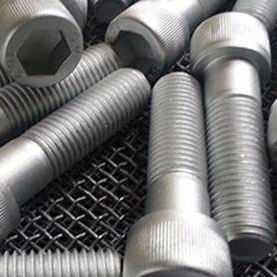
A flat head bolt, commonly referred to as a countersunk bolt, is a specialized fastener designed with a conical head that sits flush with or below the surface of the material it secures. This design eliminates protruding hardware, ensuring a smooth, aerodynamic, and safe finish essential for high-precision applications in aerospace, automotive, and machinery manufacturing. Sourcing directly from a verified manufacturer like Hebei Fujinrui Metal Products Co., Ltd. ensures adherence to strict dimensional tolerances, superior material integrity, and competitive factory-direct pricing for bulk industrial procurement.
What Is a Flat Head Bolt? Engineering Definition and Function
In mechanical engineering, a flat head bolt (often technically categorized under countersunk head fasteners) serves a distinct purpose compared to standard hex or pan head bolts. The defining characteristic is its head geometry: a truncated cone shape with a specific angle, typically 82 degrees in Imperial standards (ANSI/ASME) and 90 degrees in Metric standards (ISO/DIN).
The primary function of this design is to allow the bolt head to nest into a matching countersunk hole drilled into the workpiece. When tightened, the head sits flush with the surface. This is critical in applications where:
- Aerodynamics matter: Protruding heads create drag in automotive and aerospace structures.
- Safety is paramount: Smooth surfaces prevent snagging on clothing, equipment, or moving parts.
- Aesthetics are required: Consumer-facing products demand a clean, uninterrupted visual line.
- Space is limited: Flush mounting allows components to fit into tight assemblies without interference.
Unlike standard bolts that rely solely on friction under the head for locking, flat head bolts often utilize the wedging action of the conical head against the countersunk hole to resist lateral movement, providing enhanced shear strength in precision alignments.
Key Technical Specifications and Standards
When procuring flat head bolts for industrial use, understanding the governing standards is non-negotiable. Deviations in head angle or thread pitch can lead to assembly failures. As a manufacturer with over 20 years of experience, Hebei Fujinrui Metal Products Co., Ltd. produces these fasteners in strict compliance with international norms.
Common International Standards
| Standard Code | Region/Origin | Head Angle | Typical Application |
|---|---|---|---|
| ANSI B18.6.3 | USA (Imperial) | 82° | Aerospace, US Machinery |
| ISO 10642 | International (Metric) | 90° | General Engineering, EU Markets |
| DIN 7991 | Germany (Metric) | 90° | Precision Machinery, Automotive |
| JIS B 1180 | Japan (Metric) | 90° | Electronics, Asian Manufacturing |
Material Grades and Mechanical Properties
The performance of a flat head bolt is dictated by its material composition. Selecting the wrong grade can result in shearing, stripping, or corrosion failure.
- Carbon Steel (Grade 5 / Class 8.8): The most common choice for general industrial use. It offers a balanced combination of tensile strength and cost-effectiveness. Suitable for structural steel connections and machinery assembly.
- Alloy Steel (Grade 8 / Class 10.9 & 12.9): Heat-treated for high tensile strength. Used in high-stress environments such as engine mounts, suspension systems, and heavy-duty equipment where vibration resistance is critical.
- Stainless Steel (A2-70 / A4-80): Essential for corrosive environments. A2 (304) is standard for indoor or mild outdoor use, while A4 (316) provides superior resistance to chlorides and acids, making it ideal for marine and chemical processing applications.
Why Choose Factory-Direct Sourcing from Hebei Fujinrui?
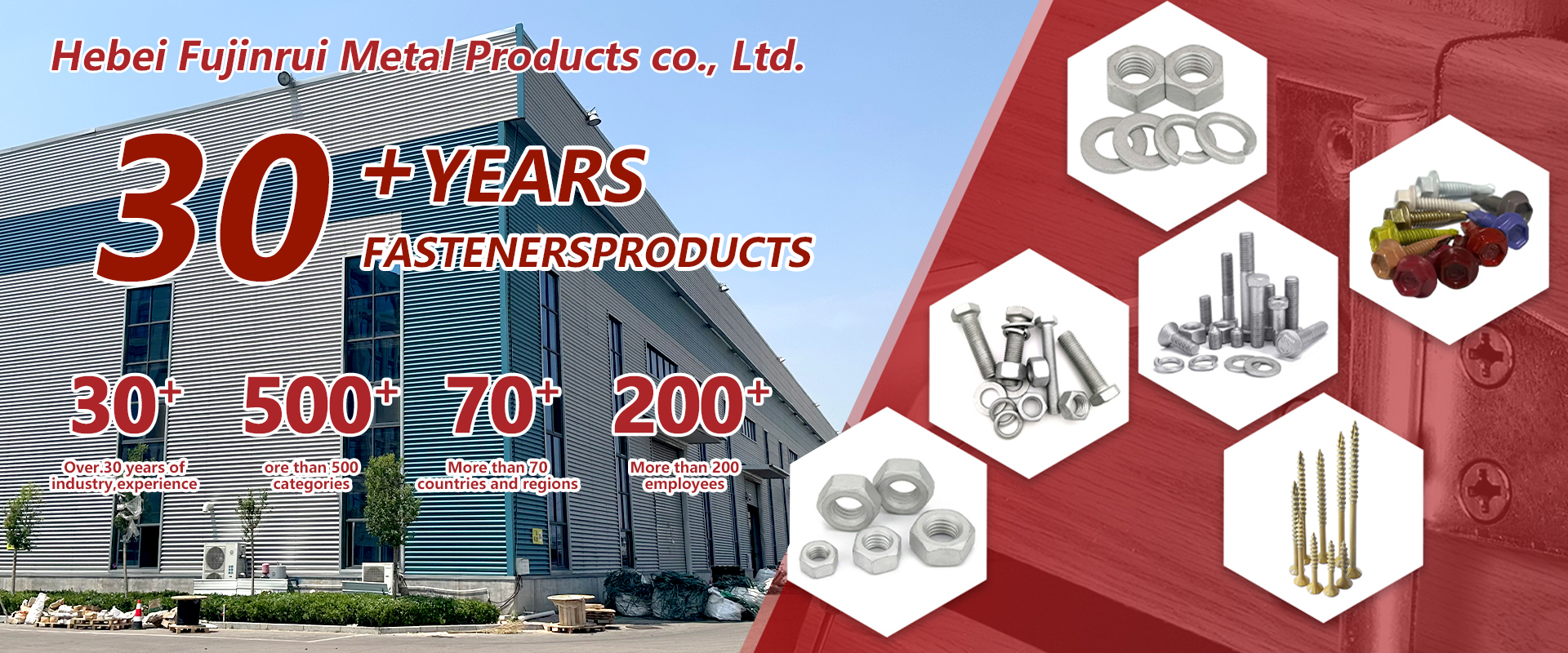
In the global supply chain, intermediaries often inflate costs and obscure quality control processes. Sourcing directly from an established manufacturer mitigates these risks. Hebei Fujinrui Metal Products Co., Ltd., established in 2004 in Handan City, Hebei Province, represents a tier-1 production capability for fasteners.
With a facility covering 10,000 square meters and a workforce of over 200 skilled personnel, the company integrates cold heading, threading, and advanced metal surface corrosion protection under one roof. This vertical integration is crucial for maintaining consistent quality across large batches.
Manufacturing Capabilities and Quality Control
The core advantage of partnering with Hebei Fujinrui lies in its mature production technology team and comprehensive product range. The facility is equipped to handle complex customizations alongside standard production runs.
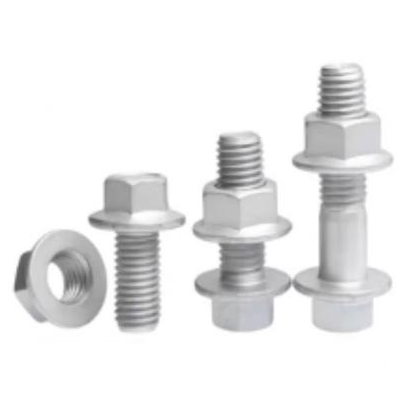
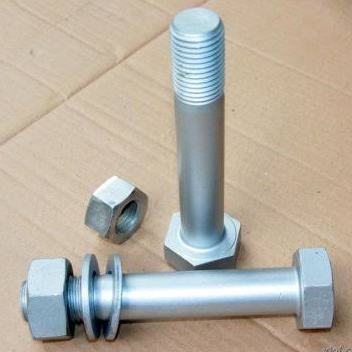
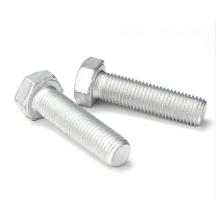
- Diverse Product Portfolio: Beyond flat head bolts, the company produces Self Drilling Screws, hexagonal bolts and nuts, flange bolts and nuts, and flat and spring washers. This allows for consolidated sourcing of entire fastening kits.
- Standard Compliance: Production lines are calibrated for American (ANSI), German (DIN), and National (GB) standards, ensuring compatibility with global export markets including Europe, America, and the Middle East.
- Surface Treatment Expertise: Corrosion protection is not an afterthought but an integrated process. Options include zinc plating, hot-dip galvanizing, and black oxide finishes, tailored to the specific environmental exposure of the end-use application.
For buyers seeking reliability, the company’s two-decade track record serves as a testament to its operational stability. The ability to maintain year-round availability of critical stock items ensures that supply chain disruptions are minimized for international partners.
Flat Head Bolt vs. Other Fastener Types: A Comparative Analysis
Selecting the right fastener requires understanding how flat head bolts compare to alternatives. While they offer unique advantages, they are not suitable for every scenario.
| Feature | Flat Head (Countersunk) | Hex Head Bolt | Pan Head Screw |
|---|---|---|---|
| Profile | Flush with surface | Protrudes significantly | Slightly protrudes |
| Installation | Requires countersinking hole | Standard drill hole | Standard drill hole |
| Clamping Force | Moderate (wedging action) | High (large bearing surface) | Low to Moderate |
| Aerodynamics | Excellent | Poor | Fair |
| Cost | Higher (due to machining) | Lowest | Low |
| Best Use Case | Aerospace, Automotive panels | Structural steel, Construction | Sheet metal, Electronics |
This comparison highlights that while flat head bolts involve a more complex installation process due to the need for countersinking, their functional benefits in specific engineering contexts are unmatched. For industries prioritizing surface finish and safety, the additional preparation time is a necessary investment.
Installation Best Practices and Common Errors
Even the highest quality flat head bolt from Hebei Fujinrui will fail if installed incorrectly. The precision of the countersink hole is as important as the bolt itself.
Step-by-Step Installation Guide
- Drill the Pilot Hole: Start with a pilot hole slightly smaller than the bolt’s shank diameter to ensure proper thread engagement.
- Countersink the Hole: Use a countersink bit matched to the bolt’s head angle (82° or 90°). The depth must be precise; too shallow prevents flushing, while too deep reduces the bearing surface.
- Clean the Hole: Remove all metal burrs and debris. Debris can prevent the bolt from seating fully, leading to uneven stress distribution.
- Insert and Tighten: Insert the bolt and tighten using the appropriate driver (Allen key for socket caps, screwdriver for slotted). Apply torque gradually to avoid stripping threads.
- Verify Flushness: Ensure the head is perfectly level with the material surface. Any protrusion indicates an insufficient countersink depth.
Avoiding Common Pitfalls
- Mismatched Angles: Using a 90° countersink bit for an 82° ANSI bolt will result in point contact rather than surface contact, drastically reducing holding power and risking head shearing.
- Over-Tightening: Flat head bolts have less material in the head compared to hex bolts. Excessive torque can strip the drive recess or snap the head off, especially in high-grade alloy steels which may be more brittle.
- Ignoring Material Thickness: Ensure the base material is thick enough to accommodate the countersink without compromising structural integrity. Thin sheets may deform under the wedging pressure of the head.
Applications Across Industries
The versatility of flat head bolts makes them indispensable in several high-value sectors. Hebei Fujinrui’s export experience to Europe, America, and the Middle East reflects the global demand for these specific fastening solutions.
Aerospace and Aviation
In aircraft construction, every millimeter of drag counts. Flat head bolts are used extensively in fuselage panels and wing assemblies to maintain a smooth aerodynamic profile. The high-strength alloy variants (Class 10.9/12.9) provide the necessary fatigue resistance against constant vibration and pressure changes.
Automotive Manufacturing
Modern vehicles utilize flat head bolts for interior trim, dashboard assemblies, and exterior body panels where visible hardware is undesirable. They are also critical in engine compartments where space is constrained and protruding heads could interfere with belts or hoses.
Machinery and Equipment
For industrial machinery, safety regulations often mandate that no sharp edges or protruding fasteners exist on moving parts. Flat head bolts ensure that conveyor belts, robotic arms, and protective guards remain smooth, preventing operator injury and equipment snagging.
Marine and Offshore
Using stainless steel (A4-80) flat head bolts is standard in marine environments. The flush design prevents water pooling around the fastener head, which can accelerate localized corrosion. This is vital for deck fittings, hull attachments, and interior cabinetry on ships and offshore platforms.
How to Select the Right Flat Head Bolt for Your Project
Choosing the correct specification involves balancing mechanical requirements with environmental factors. Here is a decision framework for procurement managers and engineers.
1. Determine the Load Requirements
Assess whether the joint will face shear loads (side-to-side force) or tensile loads (pulling apart). Flat head bolts excel in shear applications due to the wedging effect. For high tensile loads, ensure the thread engagement length is sufficient and consider using higher grade materials like Class 10.9.
2. Evaluate Environmental Conditions
If the application is outdoors, near chemicals, or in a marine environment, stainless steel is mandatory. For indoor, dry environments, carbon steel with zinc plating offers a cost-effective solution with adequate corrosion resistance. Hebei Fujinrui’s integrated surface treatment capabilities allow for customized coating thicknesses to meet specific salt-spray test requirements.
3. Check Compatibility with Base Material
Ensure the hardness of the bolt does not exceed the hardness of the material it is fastening, unless a nut is used on the other side. Driving a hard alloy bolt into soft aluminum without proper care can strip the internal threads of the hole.
4. Verify Standard Compliance
Confirm whether your project requires Metric (ISO/DIN) or Imperial (ANSI) specifications. Mixing standards is a common error in global supply chains. Hebei Fujinrui produces both, ensuring seamless integration regardless of your regional requirements.
Frequently Asked Questions (FAQ)
What is the difference between a flat head bolt and a countersunk screw?
While the terms are often used interchangeably, “bolt” typically implies a fastener designed to be used with a nut or tapped hole, carrying higher structural loads. “Screw” often refers to self-tapping or wood-fastening applications. However, in engineering contexts, a flat head cap screw is a high-precision bolt with a socket drive, distinct from a simple slotted flat head screw.
Can flat head bolts be reused?
Reusability depends on the condition of the threads and the head. If the drive recess is stripped or the threads are damaged during removal, the bolt must be replaced. High-grade alloy bolts subjected to high torque should generally not be reused in critical safety applications due to potential metal fatigue.
Why are flat head bolts more expensive than hex bolts?
The manufacturing process for flat head bolts is more complex. It requires precise forming of the conical head and often additional machining to ensure the angle is exact. Furthermore, the installation process requires countersinking, which adds labor and tooling costs to the overall assembly.
Does Hebei Fujinrui offer custom sizes?
Yes. With over 20 years of experience and a mature production technology team, Hebei Fujinrui Metal Products Co., Ltd. can accommodate custom lengths, diameters, and head angles for large-volume orders. Their facility in Handan City is equipped to handle non-standard requirements while maintaining strict quality control.
What surface treatments are available for corrosion protection?
The company offers a range of treatments including electro-zinc plating, hot-dip galvanizing, black oxide, and dacromet. The choice depends on the required salt-spray resistance hours and aesthetic preferences. For harsh environments, consulting with their technical team is recommended to select the optimal coating.
Conclusion: Securing Quality and Value in Fastener Procurement
Flat head bolts are not merely hardware; they are critical engineering components that ensure safety, aesthetics, and performance in high-stakes applications. From the aerodynamic skins of aircraft to the rugged decks of marine vessels, the requirement for a flush, secure fit is non-negotiable.
For businesses seeking a reliable supply chain partner, Hebei Fujinrui Metal Products Co., Ltd. stands out as a premier choice. Established in 2004, the company combines two decades of industry expertise with modern manufacturing capabilities. Their 10,000-square-meter facility, staffed by over 200 professionals, ensures that every bolt—from self-drilling screws to high-tensile flat head bolts—meets rigorous international standards.
By choosing a factory-direct supplier, you eliminate middleman markups and gain direct access to technical expertise and quality assurance processes. Whether you require American, German, or national standard fasteners, Hebei Fujinrui delivers consistent quality, competitive pricing, and reliable export services to Europe, America, the Middle East, and beyond.
To optimize your procurement strategy and ensure your projects are built on a foundation of reliability, consider partnering with a manufacturer that prioritizes precision and integrity. Explore our full range of fastening solutions and request a customized quote today.