- English
- Chinese
- French
- German
- Portuguese
- Spanish
- Russian
- Japanese
- Korean
- Arabic
- Irish
- Greek
- Turkish
- Italian
- Danish
- Romanian
- Indonesian
- Czech
- Afrikaans
- Swedish
- Polish
- Basque
- Catalan
- Esperanto
- Hindi
- Lao
- Albanian
- Amharic
- Armenian
- Azerbaijani
- Belarusian
- Bengali
- Bosnian
- Bulgarian
- Cebuano
- Chichewa
- Corsican
- Croatian
- Dutch
- Estonian
- Filipino
- Finnish
- Frisian
- Galician
- Georgian
- Gujarati
- Haitian
- Hausa
- Hawaiian
- Hebrew
- Hmong
- Hungarian
- Icelandic
- Igbo
- Javanese
- Kannada
- Kazakh
- Khmer
- Kurdish
- Kyrgyz
- Latin
- Latvian
- Lithuanian
- Luxembou..
- Macedonian
- Malagasy
- Malay
- Malayalam
- Maltese
- Maori
- Marathi
- Mongolian
- Burmese
- Nepali
- Norwegian
- Pashto
- Persian
- Punjabi
- Serbian
- Sesotho
- Sinhala
- Slovak
- Slovenian
- Somali
- Scots Gaelic
- Shona
- Sindhi
- Sundanese
- Swahili
- Tajik
- Tamil
- Telugu
- Thai
- Ukrainian
- Urdu
- Uzbek
- Vietnamese
- Welsh
- Xhosa
- Yiddish
- Yoruba
- Zulu
- Kinyarwanda
- Tatar
- Oriya
- Turkmen
- Uyghur

Dome Nut Manufacturer | High Quality Wholesale Supplier
2026-10-17
- What Is a Dome Nut and How Does It Work?
- Material Selection and Corrosion Resistance
- Dome Nut vs. Standard Hex Nut: A Detailed Comparison
- Common Standards and Specifications
- Manufacturing Excellence: The Role of Hebei Fujinrui Metal Products
- Applications of Dome Nuts Across Industries
- How to Choose the Right Dome Nut for Your Project
- Installation Best Practices and Common Mistakes
- Frequently Asked Questions (FAQ)
- Why Partner with a Experienced Manufacturer?
- Conclusion and Next Steps
A dome nut, also known as an acorn nut or cap nut, is a specialized fastener featuring a rounded, closed top that completely covers the exposed threads of a bolt or stud. This design serves two critical functions: it protects the threaded end from corrosion and damage, and it provides a smooth, finished aesthetic while eliminating sharp edges that could cause injury or snag clothing. For industrial buyers seeking reliability, sourcing from a manufacturer with established production capabilities ensures consistent thread precision and material integrity.
What Is a Dome Nut and How Does It Work?
The primary engineering purpose of a dome nut is to seal the end of a male thread. Unlike standard hex nuts, which leave the bolt end exposed, the dome shape creates a barrier against environmental factors such as moisture, dust, and chemicals. This makes them indispensable in applications where thread degradation could lead to mechanical failure or safety hazards.
In terms of mechanics, a dome nut functions similarly to a standard hex nut during installation. It features internal threads that mate with external bolt threads. The key difference lies in the external geometry. The domed cap extends beyond the end of the bolt, ensuring that no sharp metal protrudes. This is particularly important in high-traffic areas or machinery with moving parts where exposed threads could pose a laceration risk.
Key Structural Components
- Hexagonal Body: The lower portion allows for standard wrench or socket engagement, providing the torque necessary for secure tightening.
- Internal Threads: Precision-cut threads ensure proper engagement with ANSI, DIN, or ISO standard bolts.
- Domed Cap: The upper section is either hollow or solid, designed to cover the bolt end completely. In high-quality manufacturing, this cap is formed seamlessly to prevent cracking under stress.
Material Selection and Corrosion Resistance
Choosing the right material for dome nuts is critical for longevity, especially in harsh environments. The material determines the nut’s strength grade, corrosion resistance, and suitability for specific industries such as marine, chemical processing, or outdoor construction.
Stainless Steel Dome Nuts
Stainless steel is the most common material for dome nuts due to its excellent balance of strength and corrosion resistance. Grades 304 and 316 are the industry standards.
- Grade 304 (A2): Offers good resistance to oxidation and corrosion in most atmospheric conditions. It is cost-effective and suitable for general indoor and outdoor applications.
- Grade 316 (A4): Contains molybdenum, which significantly enhances resistance to chlorides and acids. This grade is essential for marine environments, coastal structures, and chemical plants where saltwater or aggressive chemicals are present.
Carbon Steel and Plated Options
For applications requiring higher tensile strength but less extreme corrosion resistance, carbon steel dome nuts are a viable option. These are typically coated with zinc plating, galvanization, or black oxide to provide a protective layer.
Zinc-plated carbon steel nuts are widely used in automotive and general machinery assembly. However, they are not recommended for prolonged exposure to wet or saline environments without additional protective coatings. Black oxide finishes offer minimal corrosion protection but provide a sleek, non-reflective appearance preferred in certain aesthetic applications.
Brass and Non-Ferrous Metals
Brass dome nuts are chosen for their decorative appeal and non-magnetic properties. They are commonly used in electrical fixtures, plumbing, and architectural hardware where a gold-like finish is desired. While brass has lower tensile strength compared to steel, it offers excellent resistance to corrosion and is easy to machine.
Dome Nut vs. Standard Hex Nut: A Detailed Comparison
Understanding when to use a dome nut versus a standard hex nut is crucial for efficient procurement and design. The following table highlights the key differences to help engineers and purchasers make informed decisions.
| Feature | Dome Nut (Acorn Nut) | Standard Hex Nut |
|---|---|---|
| Thread Coverage | Covers exposed threads completely | Leaves threads exposed |
| Safety | High; eliminates sharp edges | Low; exposed threads can cause injury |
| Aesthetics | Finished, smooth, professional look | Industrial, functional appearance |
| Corrosion Protection | Protects bolt end from moisture ingress | No protection for bolt end |
| Installation Space | Requires slightly more vertical clearance | Compact profile |
| Cost | Slightly higher due to complex forming | Lower; standard mass production |
| Primary Application | Public-facing structures, marine, automotive | Internal machinery, structural framing |
Common Standards and Specifications
Global trade requires adherence to recognized standards to ensure interchangeability and performance. Manufacturers must produce dome nuts that comply with international specifications to meet diverse customer requirements.
DIN 1587 (German Standard)
The DIN 1587 standard specifies dimensions for low-profile dome nuts. These are popular in European markets and are characterized by a lower dome height relative to the hex width. They are ideal for applications where space is limited but a finished look is still required.
ANSI/ASME B18.2.2 (American Standard)
In the United States, dome nuts often follow ANSI standards. These may vary slightly in dimensions compared to DIN standards, particularly in thread pitch and hex width. Ensuring compatibility between the nut and the bolt standard (UNC or UNF) is vital to prevent thread stripping.
ISO 4035 and Other International Norms
ISO standards provide a unified framework for global manufacturing. Many modern manufacturers, including those in China, produce dome nuts that meet both DIN and ISO specifications to facilitate exports to Europe, America, and the Middle East. Compliance with these standards ensures that the nuts will fit correctly with corresponding bolts regardless of the origin of the other components.
Manufacturing Excellence: The Role of Hebei Fujinrui Metal Products
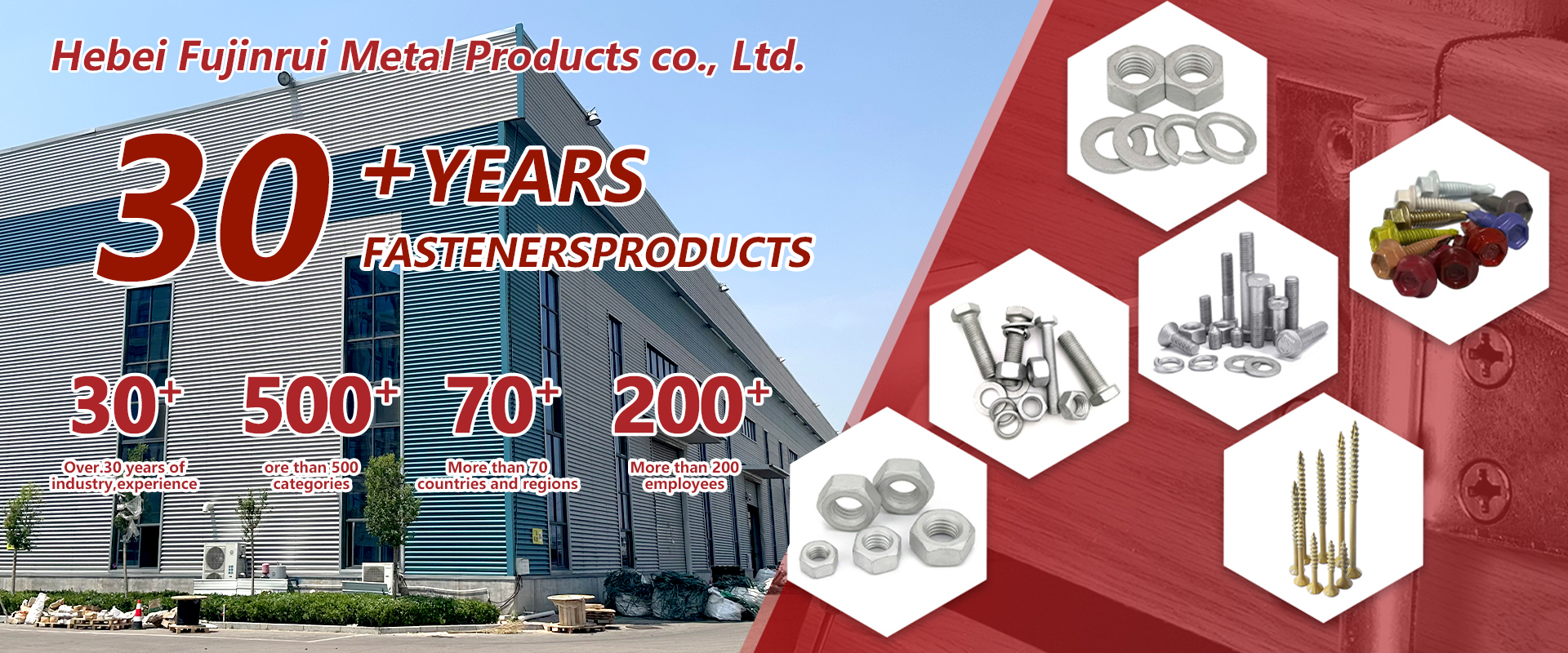
Quality in fastener manufacturing is not just about raw materials; it is about precision engineering and process control. Hebei Fujinrui Metal Products Co., Ltd. exemplifies this commitment to quality. Established in 2004 and located in Handan City, Hebei Province, the company has grown into a significant player in the global fastener market.
With a facility covering 10,000 square meters and a workforce of over 200 skilled employees, Hebei Fujinrui integrates fastener production with advanced metal surface corrosion protection technologies. This vertical integration allows for stricter quality control from raw material intake to final packaging. The company’s mature production technology team brings more than 20 years of experience in the fastener industry, ensuring that every dome nut meets rigorous dimensional and mechanical standards.
The company produces a wide range of products, including self-drilling screws, hexagonal bolts and nuts, flange bolts and nuts, and washers. Their capability to manufacture according to American, German, and national standards makes them a versatile partner for international buyers. By exporting to Europe, America, the Middle East, and other regions, Hebei Fujinrui has demonstrated its ability to meet diverse regulatory and quality expectations. Their focus on high-quality products at competitive prices positions them as a reliable choice for businesses seeking long-term supply chain stability.
Applications of Dome Nuts Across Industries
Dome nuts are versatile components used in various sectors. Their ability to provide both functional security and aesthetic finish makes them suitable for a wide range of applications.
Automotive and Transportation
In the automotive industry, dome nuts are used on wheel hubs, battery terminals, and interior trim components. The smooth surface prevents injury during maintenance and provides a clean look under the hood or in the cabin. They are also used in motorcycle and bicycle assemblies where exposed threads could catch on clothing or equipment.
Marine and Offshore Structures
Marine environments are highly corrosive due to salt spray and humidity. Stainless steel dome nuts, particularly Grade 316, are essential for securing railings, deck fittings, and hull components. By covering the bolt threads, they prevent water from pooling at the end of the fastener, reducing the risk of crevice corrosion.
Furniture and Architectural Hardware
For visible furniture assemblies, such as shelving units, tables, and outdoor benches, dome nuts provide a polished appearance. They eliminate the unsightly look of cut bolt ends and protect users from sharp edges. In architectural applications, they are used on handrails, gate hinges, and facade fixtures where aesthetics and public safety are paramount.
Electrical and Plumbing Fixtures
Brass dome nuts are frequently used in plumbing and electrical installations. Their non-corrosive nature and attractive finish make them ideal for visible pipe fittings and light fixtures. Additionally, the closed top prevents dust and debris from entering the threaded connection, which can be crucial for maintaining electrical conductivity or fluid tightness.
How to Choose the Right Dome Nut for Your Project
Selecting the appropriate dome nut involves several considerations. Making the wrong choice can lead to premature failure, aesthetic mismatches, or safety issues.
1. Determine the Thread Size and Pitch
The first step is to identify the correct thread size (e.g., M6, M8, 1/4″-20). Using a nut with the wrong pitch will result in poor engagement and potential stripping. Always match the nut’s thread specification with the bolt or stud being used.
2. Assess the Environmental Conditions
Evaluate the operating environment. For indoor, dry conditions, carbon steel with zinc plating may suffice. For outdoor, marine, or chemical environments, stainless steel (304 or 316) is necessary. Ignoring environmental factors can lead to rapid corrosion and joint failure.
3. Consider Load Requirements
While dome nuts are generally used for light to medium loads, it is important to ensure they meet the strength grade required for the application. High-strength applications may require specialized alloy steels or larger diameters to distribute the load effectively.
4. Aesthetic Preferences
If the fastener is visible, consider the finish. Polished stainless steel offers a modern, clean look, while brass provides a traditional, warm appearance. Black oxide or coated carbon steel can blend in with darker machinery or structures.
Installation Best Practices and Common Mistakes
Proper installation is key to maximizing the performance of dome nuts. Even high-quality fasteners can fail if installed incorrectly.
Step-by-Step Installation Guide
- Step 1: Clean the bolt threads to remove any dirt, rust, or debris that could interfere with engagement.
- Step 2: Hand-tighten the dome nut onto the bolt to ensure proper thread alignment. Avoid cross-threading, which can damage both the nut and the bolt.
- Step 3: Use a appropriately sized wrench or socket to tighten the nut. Apply torque gradually and evenly.
- Step 4: Do not overtighten. Excessive torque can strip the threads or deform the dome cap, compromising its aesthetic and protective functions.
- Step 5: Inspect the installation to ensure the dome fully covers the bolt end and sits flush against the surface.
Common Errors to Avoid
- Using Damaged Threads: Never force a nut onto damaged threads. This weakens the connection and increases the risk of failure.
- Mismatched Materials: Avoid mixing different metals (e.g., stainless steel nut on a carbon steel bolt) in corrosive environments without proper isolation, as this can lead to galvanic corrosion.
- Insufficient Engagement: Ensure the bolt extends sufficiently into the nut. If the bolt is too short, the nut may not engage enough threads to hold securely.
Frequently Asked Questions (FAQ)
What is the difference between a dome nut and a cap nut?
The terms “dome nut” and “cap nut” are often used interchangeably. Both refer to a nut with a closed top. However, some industry distinctions suggest that “cap nuts” may have a taller, more cylindrical dome, while “dome nuts” have a lower, more rounded profile. Functionally, they serve the same purpose of covering exposed threads.
Can dome nuts be reused?
Yes, dome nuts can be reused if they are not damaged. However, repeated tightening and loosening can wear down the threads or deform the dome cap. It is recommended to inspect them for signs of wear or corrosion before reuse. In critical applications, replacing them with new nuts is advisable to ensure safety.
Are dome nuts waterproof?
Dome nuts provide a degree of water resistance by covering the bolt end, preventing direct water entry into the threads. However, they are not completely waterproof unless used with a sealing washer or gasket. For submerged applications, additional sealing measures are necessary.
What tools are needed to install dome nuts?
Standard wrenches, socket sets, or spanners that match the hex size of the nut are required. For tight spaces, a ratcheting wrench or a flexible socket extension may be helpful. Avoid using adjustable wrenches if possible, as they can slip and damage the nut’s corners.
How do I prevent galvanic corrosion when using stainless steel dome nuts?
Galvanic corrosion occurs when two dissimilar metals are in contact in the presence of an electrolyte. To prevent this, use bolts made of the same material as the nut (e.g., stainless steel bolt with stainless steel nut). If mixing metals is unavoidable, use insulating washers or coatings to separate the metals.
Why Partner with a Experienced Manufacturer?
In the B2B sector, the reliability of your supply chain is as important as the product itself. Partnering with a manufacturer like Hebei Fujinrui Metal Products Co., Ltd. offers several strategic advantages. With over two decades of experience, the company understands the nuances of international standards and customer expectations.
Their integrated approach, combining production with surface treatment, ensures that every dome nut not only meets dimensional tolerances but also possesses the necessary corrosion resistance for its intended application. This reduces the risk of quality issues downstream and minimizes the need for secondary processing by the buyer.
Furthermore, their capacity to produce a wide variety of fasteners, including self-drilling screws, flange bolts, and washers, allows for consolidated sourcing. This simplifies logistics, reduces administrative overhead, and often leads to better pricing through bundled orders. For businesses looking to optimize their procurement strategy, working with a comprehensive supplier is a smart move.
Conclusion and Next Steps
Dome nuts are essential components for ensuring safety, aesthetics, and longevity in mechanical assemblies. By covering exposed threads, they protect against corrosion and injury, making them ideal for automotive, marine, furniture, and architectural applications. Selecting the right material, standard, and size is crucial for optimal performance.
For businesses seeking a reliable source of high-quality dome nuts, Hebei Fujinrui Metal Products Co., Ltd. offers a proven track record of excellence. With their extensive experience, robust production capabilities, and commitment to international standards, they are well-equipped to meet your fastener needs.
Whether you require standard stainless steel dome nuts or custom solutions for specialized applications, partnering with an experienced manufacturer ensures consistency and reliability. Evaluate your current supply chain and consider the benefits of working with a supplier that prioritizes quality and customer satisfaction.
To discuss your specific requirements, request a quote, or learn more about our product range, please contact our sales team today. We are ready to provide tailored solutions that meet your technical and commercial goals.
Explore our full range of fastener products and technical specifications