- English
- Chinese
- French
- German
- Portuguese
- Spanish
- Russian
- Japanese
- Korean
- Arabic
- Irish
- Greek
- Turkish
- Italian
- Danish
- Romanian
- Indonesian
- Czech
- Afrikaans
- Swedish
- Polish
- Basque
- Catalan
- Esperanto
- Hindi
- Lao
- Albanian
- Amharic
- Armenian
- Azerbaijani
- Belarusian
- Bengali
- Bosnian
- Bulgarian
- Cebuano
- Chichewa
- Corsican
- Croatian
- Dutch
- Estonian
- Filipino
- Finnish
- Frisian
- Galician
- Georgian
- Gujarati
- Haitian
- Hausa
- Hawaiian
- Hebrew
- Hmong
- Hungarian
- Icelandic
- Igbo
- Javanese
- Kannada
- Kazakh
- Khmer
- Kurdish
- Kyrgyz
- Latin
- Latvian
- Lithuanian
- Luxembou..
- Macedonian
- Malagasy
- Malay
- Malayalam
- Maltese
- Maori
- Marathi
- Mongolian
- Burmese
- Nepali
- Norwegian
- Pashto
- Persian
- Punjabi
- Serbian
- Sesotho
- Sinhala
- Slovak
- Slovenian
- Somali
- Scots Gaelic
- Shona
- Sindhi
- Sundanese
- Swahili
- Tajik
- Tamil
- Telugu
- Thai
- Ukrainian
- Urdu
- Uzbek
- Vietnamese
- Welsh
- Xhosa
- Yiddish
- Yoruba
- Zulu
- Kinyarwanda
- Tatar
- Oriya
- Turkmen
- Uyghur

China Titanium Alloy Bolt Manufacturer & Supplier
2026-10-12
- What Is a Titanium Alloy Bolt?
- Why Choose Titanium Alloy Bolts Over Stainless Steel?
- Common Grades of Titanium Alloy Bolts
- Manufacturing Excellence: The Hebei Fujinrui Advantage
- Key Applications of Titanium Alloy Bolts
- How to Select the Right Titanium Alloy Bolt
- Installation and Maintenance Best Practices
- Frequently Asked Questions (FAQ)
- Conclusion: Securing Your Supply Chain with Reliable Titanium Fasteners
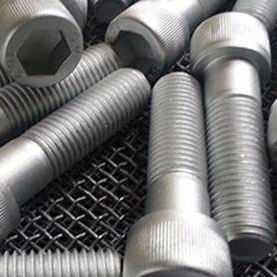
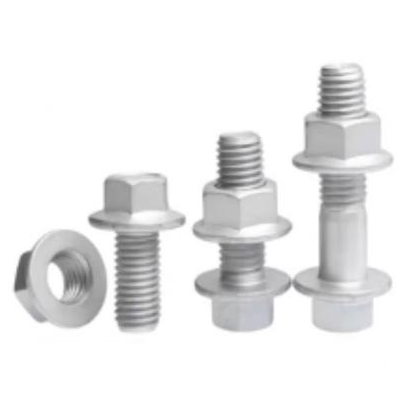
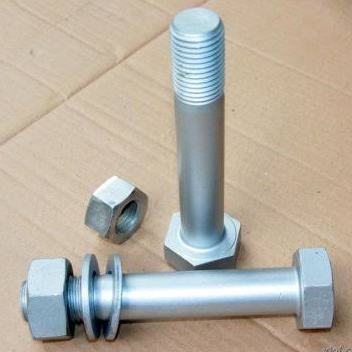
Titanium alloy bolts are high-performance fasteners engineered for extreme environments where strength-to-weight ratio and corrosion resistance are critical. Unlike standard steel fasteners, these bolts utilize alloys such as Ti-6Al-4V (Grade 5) to withstand aggressive chemical exposure, high temperatures, and heavy mechanical loads without adding significant weight. For industrial buyers sourcing from China, selecting a manufacturer with verified metallurgical expertise and consistent quality control is essential to ensure structural integrity in aerospace, marine, and chemical processing applications.
What Is a Titanium Alloy Bolt?
A titanium alloy bolt is a threaded fastener made from a combination of titanium and other metallic elements, most commonly aluminum and vanadium. This composition enhances the base metal’s natural properties, resulting in a fastener that offers superior tensile strength while remaining approximately 45% lighter than steel equivalents.
In industrial engineering, the term “titanium alloy” typically refers to Grade 5 (Ti-6Al-4V), which accounts for the majority of titanium fastener usage globally. These bolts are not merely “stronger”; they are designed to solve specific engineering challenges related to galvanic corrosion, fatigue resistance, and thermal stability.
Key Characteristics of Titanium Fasteners
- High Strength-to-Weight Ratio: Titanium alloys provide strength comparable to many steels but at nearly half the weight, crucial for aerospace and automotive efficiency.
- Exceptional Corrosion Resistance: They form a passive oxide layer that protects against seawater, chlorides, and acidic environments, outperforming stainless steel in harsh conditions.
- Non-Magnetic Properties: Ideal for applications involving sensitive electronic equipment or MRI machines where magnetic interference must be eliminated.
- Biocompatibility: Safe for use in medical implants and surgical instruments due to non-toxicity and resistance to body fluids.
Why Choose Titanium Alloy Bolts Over Stainless Steel?
When evaluating fastener materials, engineers often debate between stainless steel (such as 316L) and titanium alloys. While stainless steel is cost-effective for general purposes, titanium alloy bolts become the necessary choice when operational limits are pushed.
The primary differentiator is performance under stress. In high-vibration environments, titanium’s fatigue strength ensures longer service life. Furthermore, in marine applications, stainless steel can still suffer from crevice corrosion, whereas titanium remains virtually immune. However, titanium requires careful handling during installation to prevent galling, a form of wear caused by adhesion between sliding surfaces.
| Feature | Titanium Alloy (Grade 5) | Stainless Steel (316L) | Carbon Steel (Grade 8.8) |
|---|---|---|---|
| Density | 4.43 g/cm³ (Lightweight) | 7.98 g/cm³ | 7.85 g/cm³ |
| Tensile Strength | ~900-1000 MPa | ~500-700 MPa | ~800 MPa |
| Corrosion Resistance | Excellent (Seawater/Chemicals) | Good (Moderate Environments) | Poor (Requires Coating) |
| Magnetic Property | Non-Magnetic | Non-Magnetic (Mostly) | Magnetic |
| Cost Factor | High | Medium | Low |
Common Grades of Titanium Alloy Bolts
Not all titanium bolts are created equal. The specific alloy grade determines the bolt’s mechanical properties and suitable applications. Understanding these grades is vital for procurement accuracy.
Grade 5 (Ti-6Al-4V)
Grade 5 is the most widely used titanium alloy in the fastener industry. It contains 6% aluminum and 4% vanadium. This grade offers an excellent balance of strength, weight, and corrosion resistance. It is heat-treatable, allowing manufacturers to further enhance its mechanical properties. Typical applications include aerospace structural components, high-performance automotive racing parts, and marine hardware.
Grade 2 (Pure Titanium)
While technically “pure” titanium, Grade 2 is often categorized alongside alloys in commercial discussions due to its industrial utility. It offers lower strength than Grade 5 but superior ductility and corrosion resistance. It is easier to machine and form, making it suitable for chemical processing equipment where extreme strength is less critical than total corrosion immunity.
Grade 23 (Ti-6Al-4V ELI)
Grade 23 is an extra-low interstitial variant of Grade 5. It offers higher fracture toughness and ductility. This grade is predominantly used in medical implants and critical aerospace applications where failure is not an option. Due to the complex manufacturing requirements, sourcing Grade 23 bolts requires a manufacturer with advanced metallurgical controls.
Manufacturing Excellence: The Hebei Fujinrui Advantage
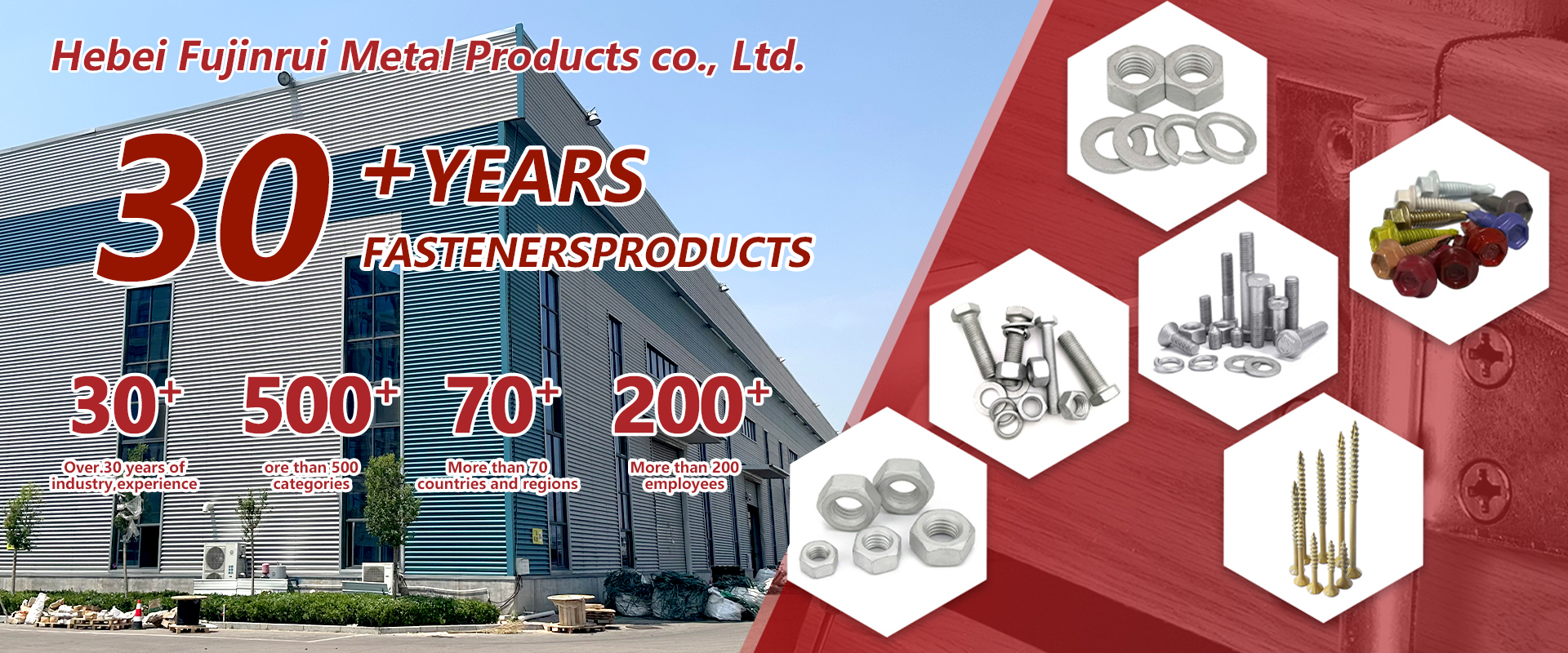
Sourcing titanium alloy bolts requires a partner who understands both the material science and the precision engineering involved in fastener production. Hebei Fujinrui Metal Products Co., Ltd. has established itself as a reliable entity in this sector since its establishment in 2004. Located in Handan City, Hebei Province, the company operates from a 10,000-square-meter facility dedicated to fastener production and metal surface corrosion protection.
With over 20 years of experience in the fastener industry, Hebei Fujinrui integrates production with rigorous quality assurance. The company employs more than 200 staff members, including a mature production technology team capable of handling complex specifications. While the company is well-known for producing self-drilling screws, hexagonal bolts, flange bolts, and washers according to American, German, and national standards, their capability extends to high-grade alloy fasteners.
The integration of metal surface corrosion protection within the same enterprise ensures that every bolt, whether titanium or steel, meets stringent durability standards before export. This vertical integration allows for tighter control over lead times and quality consistency, a critical factor for buyers in Europe, America, and the Middle East who rely on just-in-time manufacturing schedules.
Quality Control and Standards Compliance
In the production of titanium alloy bolts, adherence to international standards is non-negotiable. Hebei Fujinrui ensures that all products meet relevant ASTM, ISO, and DIN specifications. The manufacturing process involves precise cold heading, thread rolling, and heat treatment processes tailored to the specific alloy grade. This attention to detail minimizes the risk of micro-cracks and ensures uniform grain structure, which directly impacts the bolt’s fatigue life.
Key Applications of Titanium Alloy Bolts
The unique properties of titanium alloys make them indispensable in several high-stakes industries. Understanding these applications helps buyers justify the investment in premium fasteners.
Aerospace and Aviation
In aerospace, every gram counts. Titanium alloy bolts are used extensively in airframe structures, landing gear, and engine components. Their ability to maintain strength at elevated temperatures makes them ideal for jet engines, where steel might lose temper or corrode due to combustion byproducts.
Marine and Offshore Engineering
Seawater is highly corrosive to most metals. Titanium’s resistance to chloride-induced corrosion makes it the preferred choice for submarine components, offshore oil rig platforms, and desalination plants. Bolts used in these environments must withstand constant exposure to salt spray and high-pressure water without degrading.
Chemical Processing Industry
Chemical plants often handle aggressive acids, alkalis, and solvents. Titanium alloy bolts resist attack from oxidizing acids like nitric acid and chlorides. This reliability prevents leaks and structural failures in pipelines and reactor vessels, ensuring plant safety and operational continuity.
Medical Equipment
Due to its biocompatibility and non-magnetic nature, titanium is used in surgical instruments, imaging devices, and implantable hardware. Bolts in these applications must be free from contaminants and possess a smooth surface finish to prevent bacterial growth and tissue irritation.
How to Select the Right Titanium Alloy Bolt
Choosing the correct titanium bolt involves more than just picking a size. Engineers and procurement specialists must consider several technical factors to ensure optimal performance.
- Load Requirements: Determine the tensile and shear loads the bolt will endure. Grade 5 is suitable for high-load structural applications, while Grade 2 is better for low-load, high-corrosion environments.
- Temperature Range: Assess the operating temperature. Titanium performs well up to 400°C, but beyond this, oxidation rates increase. For extreme heat, specialized alloys or coatings may be required.
- Galvanic Compatibility: When connecting titanium to other metals, consider the galvanic series. Titanium is cathodic to most other metals, which can cause accelerated corrosion of the adjacent material. Insulating washers or sleeves may be necessary.
- Thread Fit and Tolerance: Ensure the bolt threads match the nut or tapped hole specifications (e.g., UNC, UNF, Metric). Poor thread fit can lead to stripping or uneven load distribution.
Installation and Maintenance Best Practices
Even the highest quality titanium alloy bolt can fail if installed incorrectly. Titanium is prone to galling, a phenomenon where the threads seize and weld together due to friction and heat. To mitigate this, proper lubrication is essential during installation.
Preventing Galling
Use anti-seize compounds specifically formulated for titanium. These lubricants reduce the coefficient of friction between the bolt and nut threads. Avoid using standard steel wire brushes to clean titanium threads, as steel particles can embed in the titanium and cause rust spots or galvanic corrosion later.
Torque Specifications
Do not rely on torque values for steel bolts when installing titanium fasteners. Titanium has a different modulus of elasticity. Use torque tables provided by the manufacturer or calculate torque based on the specific alloy’s yield strength. Over-tightening can strip threads or cause immediate bolt failure.
Inspection and Replacement
Regularly inspect titanium bolts for signs of fretting corrosion or physical damage. While titanium is corrosion-resistant, it is not immune to mechanical wear. In critical applications, establish a replacement schedule based on operational hours and load cycles.
Frequently Asked Questions (FAQ)
Are titanium alloy bolts stronger than steel bolts?
Titanium alloy bolts, particularly Grade 5, have a tensile strength comparable to many medium-carbon steels. However, their key advantage is the strength-to-weight ratio. They offer similar strength at nearly half the weight of steel. High-strength alloy steels can exceed titanium in absolute strength, but they are significantly heavier and less corrosion-resistant.
Can titanium bolts be used with aluminum components?
Yes, but caution is required. Titanium is cathodic to aluminum, which can lead to galvanic corrosion of the aluminum part. It is recommended to use insulating washers or sleeves between the titanium bolt and the aluminum component to prevent direct electrical contact.
What is the lifespan of a titanium alloy bolt?
In corrosive environments where stainless steel might fail within months or years, titanium alloy bolts can last decades. Their lifespan is primarily limited by mechanical fatigue rather than corrosion. With proper installation and maintenance, they often outlast the equipment they secure.
Does Hebei Fujinrui customize titanium bolts?
Yes, as an experienced manufacturer with over 20 years in the industry, Hebei Fujinrui Metal Products Co., Ltd. supports customization for various standards including American, German, and national standards. Buyers can request specific lengths, head styles, and thread pitches to match their engineering requirements.
Why are titanium bolts more expensive?
The higher cost is due to the complexity of extracting and refining titanium ore, as well as the difficult machining processes required. Titanium work-hardens quickly, requiring specialized tooling and slower production speeds. However, the long-term benefits of reduced maintenance and extended service life often offset the initial investment.
Conclusion: Securing Your Supply Chain with Reliable Titanium Fasteners
Titanium alloy bolts represent a critical component in modern engineering, offering an unmatched combination of lightness, strength, and durability. Whether for aerospace innovation, marine endurance, or chemical safety, the right fastener choice directly impacts project success and operational safety.
For businesses seeking a dependable supply chain partner, Hebei Fujinrui Metal Products Co., Ltd. offers a proven track record of quality and reliability. With two decades of expertise, a robust production capacity, and a commitment to international standards, we provide fasteners that meet the rigorous demands of global markets. Our integrated approach to production and surface protection ensures that every bolt delivers consistent performance.
If you are looking for high-quality titanium alloy bolts or other specialized fasteners, contact our team today to discuss your specific technical requirements and receive a competitive quote.