- Chinese
- French
- German
- Portuguese
- Spanish
- Russian
- Japanese
- Korean
- Arabic
- Irish
- Greek
- Turkish
- Italian
- Danish
- Romanian
- Indonesian
- Czech
- Afrikaans
- Swedish
- Polish
- Basque
- Catalan
- Esperanto
- Hindi
- Lao
- Albanian
- Amharic
- Armenian
- Azerbaijani
- Belarusian
- Bengali
- Bosnian
- Bulgarian
- Cebuano
- Chichewa
- Corsican
- Croatian
- Dutch
- Estonian
- Filipino
- Finnish
- Frisian
- Galician
- Georgian
- Gujarati
- Haitian
- Hausa
- Hawaiian
- Hebrew
- Hmong
- Hungarian
- Icelandic
- Igbo
- Javanese
- Kannada
- Kazakh
- Khmer
- Kurdish
- Kyrgyz
- Latin
- Latvian
- Lithuanian
- Luxembou..
- Macedonian
- Malagasy
- Malay
- Malayalam
- Maltese
- Maori
- Marathi
- Mongolian
- Burmese
- Nepali
- Norwegian
- Pashto
- Persian
- Punjabi
- Serbian
- Sesotho
- Sinhala
- Slovak
- Slovenian
- Somali
- Samoan
- Scots Gaelic
- Shona
- Sindhi
- Sundanese
- Swahili
- Tajik
- Tamil
- Telugu
- Thai
- Ukrainian
- Urdu
- Uzbek
- Vietnamese
- Welsh
- Xhosa
- Yiddish
- Yoruba
- Zulu
- Kinyarwanda
- Tatar
- Oriya
- Turkmen
- Uyghur

What Is Hydrogen Embrittlement in Bolts and Screws?
2026-05-28
Introduction
Hydrogen embrittlement (HE) is one of the most serious yet often overlooked failure modes in high-strength bolts, screws, nuts, and other fasteners. It causes sudden, brittle fracture under tensile stress — even at loads well below a fastener's rated capacity. Understanding HE is critical for engineers, procurement teams, and quality managers who rely on threaded fasteners in demanding applications.
What Is Hydrogen Embrittlement?
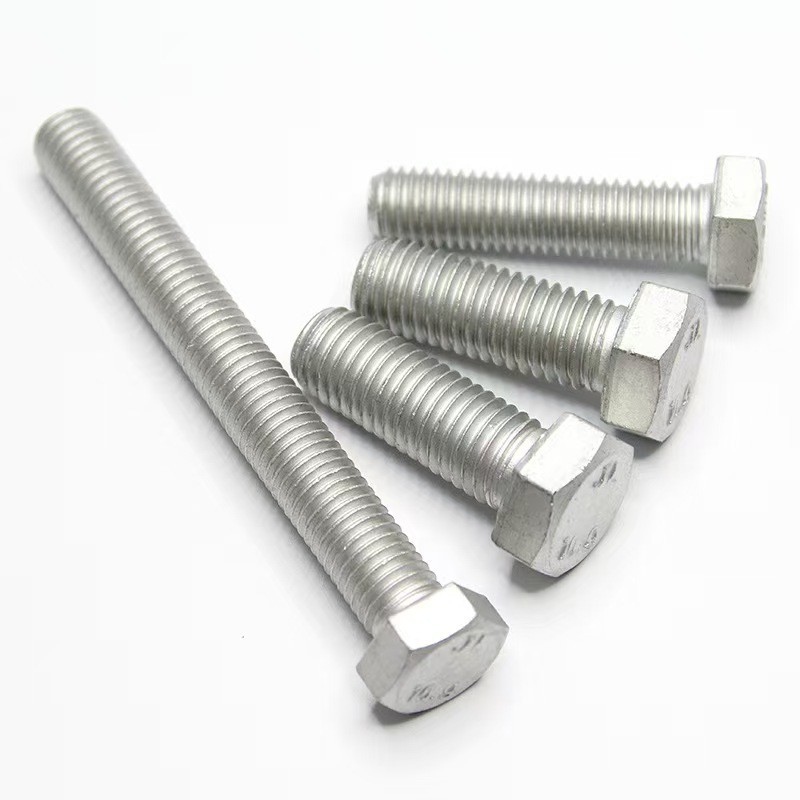
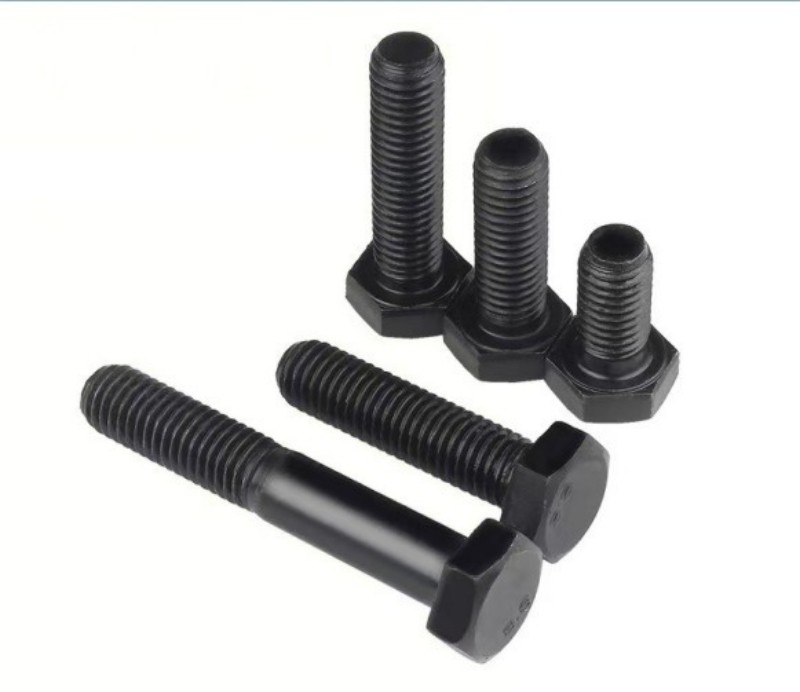
Hydrogen embrittlement occurs when atomic hydrogen penetrates the metal lattice of a bolt or screw. The hydrogen atoms diffuse into the steel's grain boundaries, reducing ductility and fracture toughness. The result: a fastener that looks intact but can crack without warning under sustained load.
Key Facts
- Affects high-strength steel bolts (grade 8.8, 10.9, 12.9 and above) most severely
- Can occur during electroplating, pickling, acid cleaning, or exposure to a corrosive environment
- Typically manifests within hours to days after assembly — often called delayed fracture
- Does NOT leave visible warning signs before sudden failure
Common Sources of Hydrogen in Fasteners
| Process | Risk Level | Notes |
| Electroplating (zinc, nickel) | High | Hydrogen generated at cathode surface |
| Acid pickling / descaling | High | Prolonged acid exposure drives H into steel |
| Welding near fasteners | Medium | Arc welding releases hydrogen |
| Corrosive service environment | Medium | H2S, moisture accelerate absorption |
| Dacromet / Geomet coating | Low | Water-based, no hydrogen involvement |
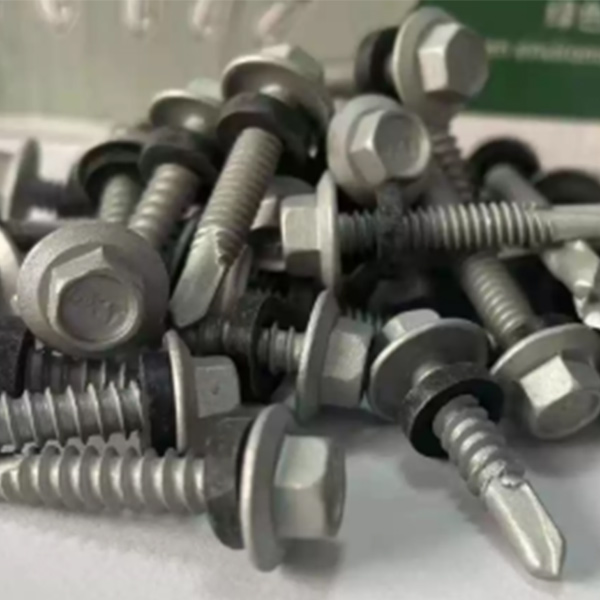
Note: Dacromet and similar water-based coating technologies are widely recommended as hydrogen-embrittlement-free alternatives to traditional electroplating for high-strength bolts and hex bolts.
Which Fasteners Are Most at Risk?
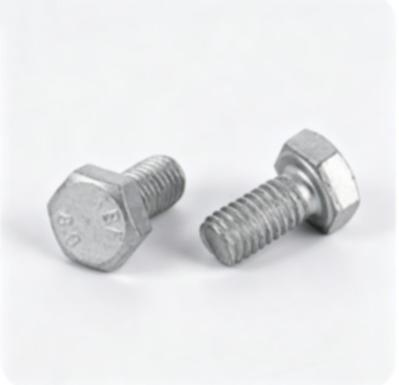
- High-strength hex bolts (M8-M36, grade 10.9 / 12.9)
- Structural bolts used in bridges, heavy machinery, and wind towers
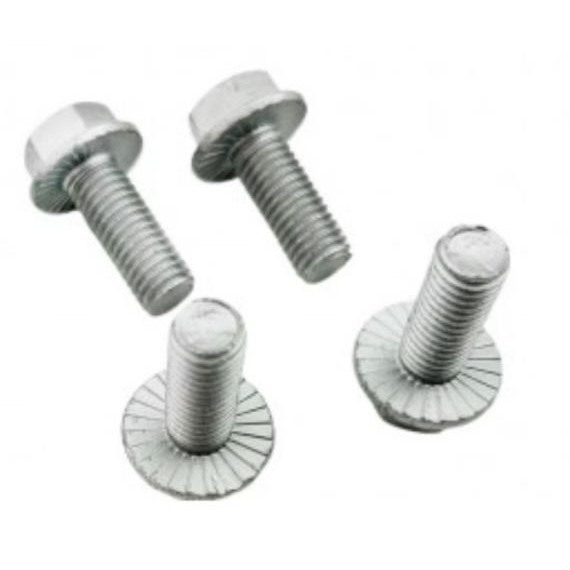
- Flange bolts and socket head cap screws in torque-critical joints
- Any threaded fastener with hardness >= 32 HRC
Low-strength screws and bolts (grade 4.8 / 6.8) are generally less susceptible due to their higher ductility.
How to Prevent Hydrogen Embrittlement
1. Choose the Right Surface Treatment
Avoid electroplating for high-strength bolts. Opt for:
- Dacromet coating — zero hydrogen risk, excellent corrosion resistance (480-1000+ hours salt spray)
- Geomet / Luxubao coating — RoHS-compliant, no hexavalent chromium
- Hot-dip galvanizing — suitable for structural bolts below grade 8.8
2. Post-Plating Baking (De-embrittlement)
If electroplating is unavoidable, bake fasteners at 190-220 degrees C for 8-24 hours within 4 hours of plating to drive out trapped hydrogen. This is required per ASTM F1941 and ISO 4042 standards.
3. Specify Standards
When sourcing bolts and screws, reference:
- ASTM F606 — mechanical testing of externally threaded fasteners
- ISO 15330 — HE testing for bolts and screws
- ASTM B633 / F1941 — plating standards with HE relief requirements
4. Control Tightening Torque
Over-torquing accelerates crack initiation in HE-susceptible bolts. Use calibrated torque wrenches and follow manufacturer specifications.
How to Detect Hydrogen Embrittlement Failure
- Fractography: Intergranular fracture pattern under SEM (vs. ductile dimple fracture in normal failure)
- Sustained load test: Per ISO 15330 — apply 75% proof load for 48 hours, inspect for cracks
- Slow strain rate test (SSRT): Lab test to quantify HE susceptibility index
Summary
| Factor | Detail |
| Most affected fasteners | High-strength bolts & screws (grade 10.9, 12.9) |
| Primary cause | Hydrogen absorption during plating or acid treatment |
| Failure type | Delayed brittle fracture under sustained tensile load |
| Best prevention | Dacromet / Geomet coating or post-plating bake relief |
| Key standards | ISO 15330, ASTM F1941, ASTM F606 |
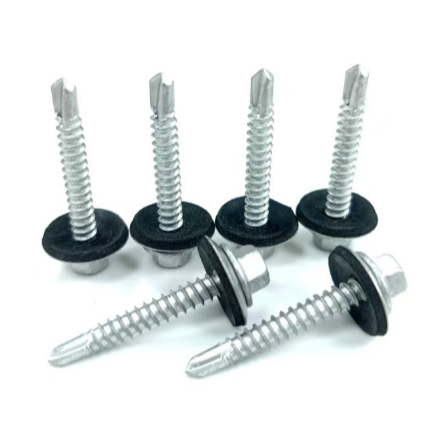
Hydrogen embrittlement is a preventable failure mode. Specifying the right surface treatment — especially Dacromet-coated bolts and Luxubao-coated screws — is the simplest, most cost-effective way to eliminate HE risk in critical assemblies.
Related Products
- Dacromet Hex Bolts — Grade 8.8 / 10.9, M6-M36
- Geomet Flange Bolts — RoHS Compliant, Salt-spray 720h+
- Anti-corrosion Fastener Sets — Custom spec available
Published by FUJINRUI Metal Products — Specialist in anti-corrosion fasteners and surface-treated bolts for global markets.