- English
- Chinese
- French
- German
- Portuguese
- Spanish
- Russian
- Japanese
- Korean
- Arabic
- Irish
- Greek
- Turkish
- Italian
- Danish
- Romanian
- Indonesian
- Czech
- Afrikaans
- Swedish
- Polish
- Basque
- Catalan
- Esperanto
- Hindi
- Lao
- Albanian
- Amharic
- Armenian
- Azerbaijani
- Belarusian
- Bengali
- Bosnian
- Bulgarian
- Cebuano
- Chichewa
- Corsican
- Croatian
- Dutch
- Estonian
- Filipino
- Finnish
- Frisian
- Galician
- Georgian
- Gujarati
- Haitian
- Hausa
- Hawaiian
- Hebrew
- Hmong
- Hungarian
- Icelandic
- Igbo
- Javanese
- Kannada
- Kazakh
- Khmer
- Kurdish
- Kyrgyz
- Latin
- Latvian
- Lithuanian
- Luxembou..
- Macedonian
- Malagasy
- Malay
- Malayalam
- Maltese
- Maori
- Marathi
- Mongolian
- Burmese
- Nepali
- Norwegian
- Pashto
- Persian
- Punjabi
- Serbian
- Sesotho
- Sinhala
- Slovak
- Slovenian
- Somali
- Scots Gaelic
- Shona
- Sindhi
- Sundanese
- Swahili
- Tajik
- Tamil
- Telugu
- Thai
- Ukrainian
- Urdu
- Uzbek
- Vietnamese
- Welsh
- Xhosa
- Yiddish
- Yoruba
- Zulu
- Kinyarwanda
- Tatar
- Oriya
- Turkmen
- Uyghur

Four-Jaw Nut Manufacturer: Best Factory Price & OEM Supply
2026-05-25
- What Is a Four-Jaw Nut and How Does It Work?
- Why Choose a Dedicated Four-Jaw Nut Manufacturer?
- OEM and Customization Capabilities
- Key Applications of Four-Jaw Nuts
- Material Selection and Durability
- Comparison: Four-Jaw Nuts vs. Standard Hex Nuts
- Quality Standards and Certifications
- Installation and Maintenance Best Practices
- Frequently Asked Questions (FAQ)
- Global Supply Chain and Logistics
- Conclusion: Making the Right Choice
A four-jaw nut manufacturer specializes in producing high-precision fastening components designed for applications requiring superior grip and torque transmission. Unlike standard hexagonal nuts, these specialized fasteners feature four distinct gripping surfaces or integrated jaw mechanisms that prevent slippage under extreme vibration. Sourcing directly from a dedicated factory ensures the best pricing, strict quality control, and flexible OEM supply chains tailored to specific industrial requirements.
What Is a Four-Jaw Nut and How Does It Work?
The term four-jaw nut often refers to a specialized category of fasteners used in heavy-duty machinery, automotive assembly, and precision tooling. While traditional nuts rely on six flat sides for wrench engagement, a four-jaw configuration offers unique mechanical advantages. In many industrial contexts, this design integrates with specific mating components to create a self-locking or high-torque interface.
These components function by distributing clamping force across four primary contact points. This geometry reduces the likelihood of rounding off corners during installation, a common failure mode in standard fasteners subjected to high stress. The design is particularly effective in environments where space constraints prevent the use of larger wrenches or where rapid engagement is necessary.
From an engineering perspective, the four-point contact system enhances stability. When tightened, the jaws engage deeply with the corresponding bolt or shaft, creating a friction lock that resists loosening due to dynamic loads. This makes them indispensable in sectors like railway maintenance, agricultural machinery, and large-scale manufacturing equipment.
The Mechanical Principle Behind Four-Jaw Designs
Understanding the mechanics requires looking at torque distribution. In a standard hex nut, force is applied to two opposite faces. In a four-jaw variant, the load is shared across a different vector, often allowing for higher torque application with less risk of deformation. The “jaws” may be part of the nut itself or a separate locking mechanism that encases a standard thread.
Industry experts recognize that the geometry minimizes stress concentration. By avoiding sharp internal corners found in some modified fasteners, the material integrity remains intact even after repeated installation and removal cycles. This durability is a key reason why manufacturers prioritize this design for critical infrastructure projects.
Furthermore, the alignment capability of four-jaw systems is superior in certain asymmetric applications. They allow for slight adjustments in positioning before final tightening, ensuring that the connected components are perfectly aligned. This feature is crucial in precision engineering where misalignment can lead to premature wear or catastrophic failure.
Why Choose a Dedicated Four-Jaw Nut Manufacturer?
Partnering with a specialized four-jaw nut manufacturer offers distinct advantages over purchasing generic fasteners from general suppliers. The primary benefit lies in the depth of technical expertise. A dedicated factory understands the nuances of metallurgy, heat treatment, and thread rolling specific to this geometry.
General hardware suppliers often stock limited varieties based on mass-market demand. In contrast, a specialist manufacturer can engineer solutions for niche applications. Whether the requirement involves exotic alloys for corrosive environments or custom dimensions for legacy machinery, a focused producer has the tooling and knowledge to deliver.
Quality assurance is another critical differentiator. Specialized factories implement rigorous testing protocols, including tensile strength analysis, hardness testing, and salt spray corrosion tests. These measures ensure that every batch meets international standards such as ISO, DIN, or ASTM, providing peace of mind for procurement managers.
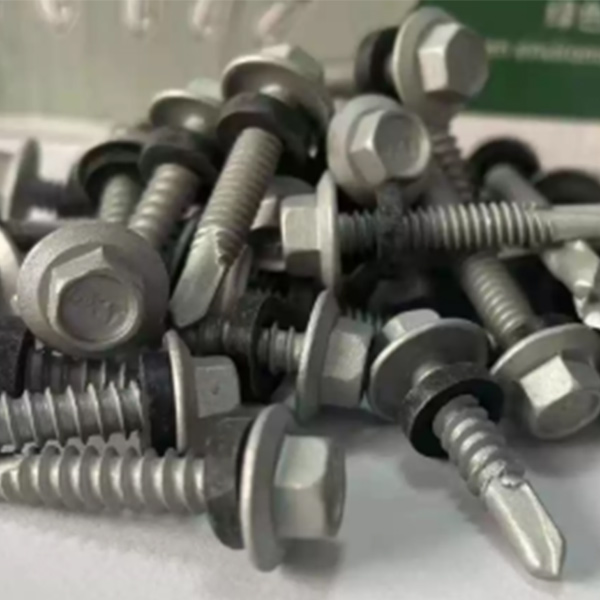
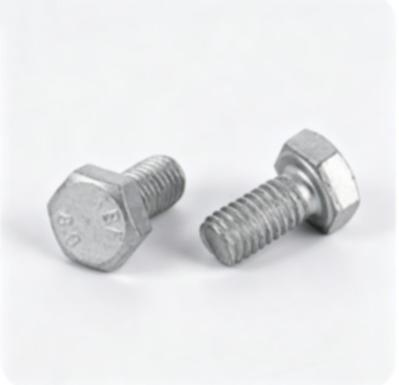
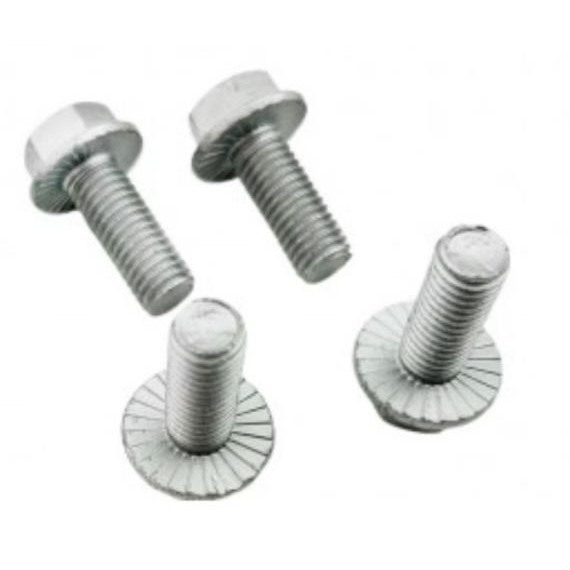
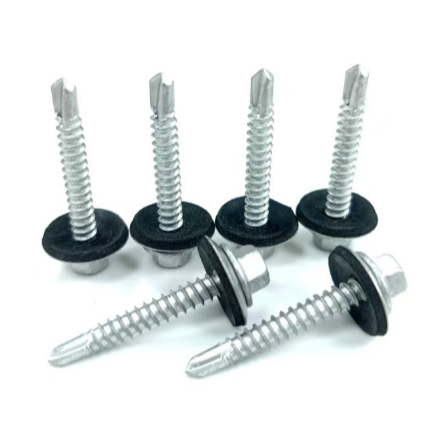
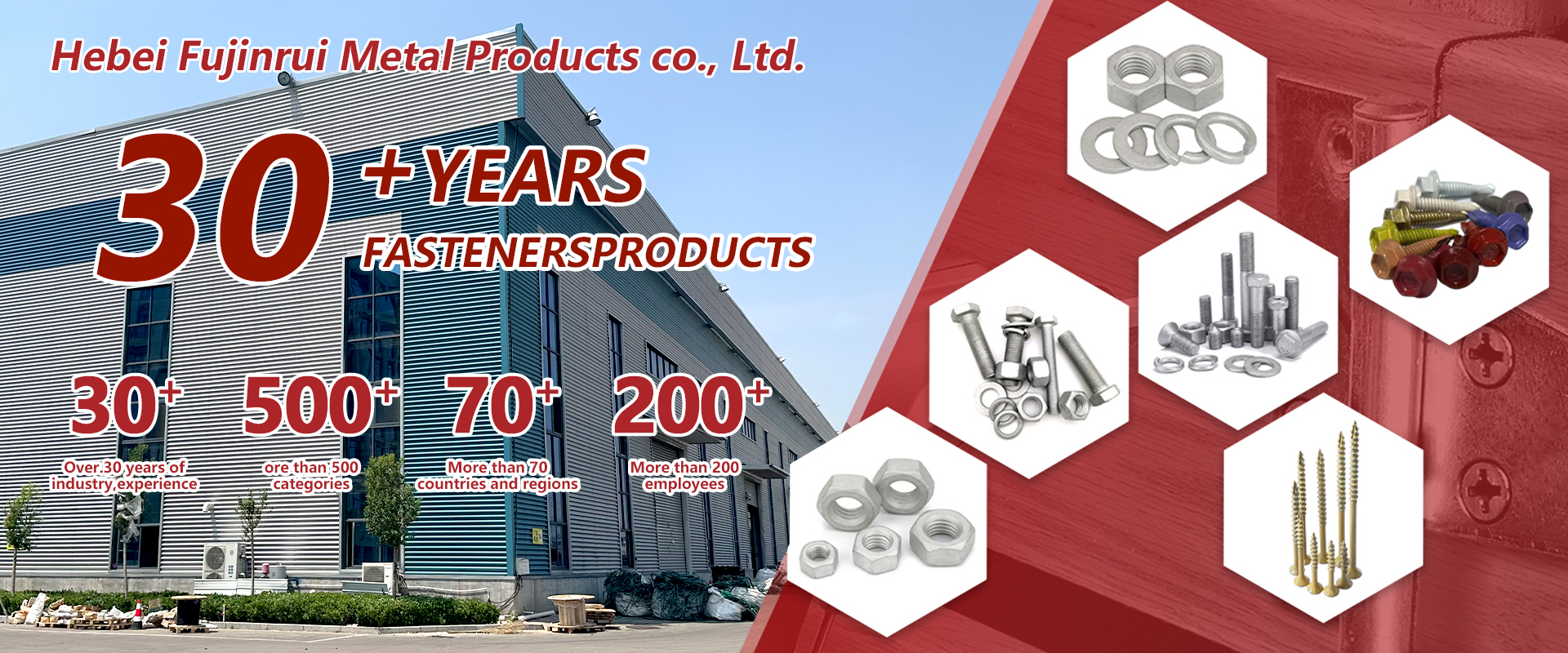
Exemplifying this level of commitment is Hebei Fujinrui Metal Products Co., Ltd., a premier enterprise established in 2004 and located in Handan City, Hebei Province. Spanning a 10,000-square-meter facility with a skilled workforce of over 200 employees, Fujinrui integrates advanced fastener production with comprehensive metal surface corrosion protection. With more than two decades of industry experience, the company has cultivated a mature production technology team capable of meeting complex global demands. Their extensive portfolio includes self-drilling screws, hexagonal bolts and nuts, flange fasteners, and washers compliant with American, German, and national standards. Exporting consistently to Europe, America, the Middle East, and beyond, Hebei Fujinrui combines high-quality craftsmanship with competitive pricing to serve as a reliable partner for international projects.
Cost Efficiency Through Direct Factory Supply
One of the most compelling reasons to source directly is cost efficiency. Eliminating intermediaries removes markup layers, resulting in the best factory price for bulk orders. For large-scale projects requiring thousands of units, these savings can significantly impact the overall budget.
Direct manufacturers also offer better logistics control. They can coordinate production schedules to match project timelines, reducing inventory holding costs for the buyer. Just-in-time delivery models become feasible when working closely with the production source, streamlining the supply chain.
Moreover, direct communication facilitates faster problem resolution. If a specification needs adjustment or a quality issue arises, there is no delay caused by third-party coordination. The engineering team at the factory can immediately assess the situation and implement corrective actions.
OEM and Customization Capabilities
Modern industrial demands rarely fit a one-size-fits-all model. This is where OEM supply capabilities become essential. A proficient four-jaw nut manufacturer provides comprehensive customization services, adapting products to meet unique client specifications.
Customization extends beyond simple size variations. Clients can request specific material grades, such as stainless steel 316 for marine environments or alloy steel for high-temperature applications. Surface treatments like zinc plating, hot-dip galvanizing, or PTFE coating can be applied to enhance corrosion resistance.
Thread specifications are another area of flexibility. While metric and imperial threads are standard, specialized pitches or left-hand threads can be manufactured upon request. This level of adaptability ensures that the fasteners integrate seamlessly into existing systems without requiring costly modifications to other components.
The OEM Process: From Concept to Production
The OEM journey begins with a detailed consultation. Engineers analyze the application requirements, including load conditions, environmental factors, and assembly methods. Based on this data, they propose a design optimization that balances performance and cost.
Once the design is approved, prototype production commences. This stage allows the client to test the fit and function of the four-jaw nuts in real-world scenarios. Feedback from this phase is incorporated into the final design before mass production begins.
During mass production, strict quality controls remain in place. Statistical process control (SPC) techniques monitor key parameters to ensure consistency. Every unit produced adheres to the agreed-upon tolerances, guaranteeing interchangeability and reliability across the entire batch.
Key Applications of Four-Jaw Nuts
The versatility of the four-jaw nut makes it suitable for a wide range of industries. Its unique gripping mechanism addresses challenges that standard fasteners cannot solve effectively. Understanding these applications helps buyers identify whether this component is the right solution for their needs.
In the automotive industry, these nuts are often used in suspension systems and engine mounts where vibration resistance is paramount. The four-point lock prevents loosening even under the harsh conditions of off-road driving or high-speed racing.
The construction sector utilizes four-jaw nuts in scaffolding and structural steel connections. Their ability to maintain tension under dynamic loads ensures the safety and stability of temporary and permanent structures alike.
Specialized Uses in Heavy Machinery
Heavy machinery, such as excavators and cranes, relies on robust fastening solutions. Four-jaw nuts are frequently employed in pivot points and hydraulic cylinder attachments. The enhanced torque capacity allows for tighter clamping forces, reducing play and improving operational precision.
In the railway industry, track maintenance equipment often incorporates these fasteners. The ability to quickly engage and disengage while maintaining a secure hold is vital for efficient track repairs. Safety is a non-negotiable factor, and the reliability of four-jaw designs meets these stringent requirements.
Agricultural machinery also benefits from this technology. Tractors and harvesters operate in dirty, vibrating environments where standard nuts might seize or loosen. The four-jaw configuration resists contamination buildup and maintains its grip, reducing downtime for maintenance.
Material Selection and Durability
The longevity of a four-jaw nut depends heavily on the material used. Manufacturers offer a variety of options to suit different environmental conditions. Selecting the appropriate material is crucial for ensuring the fastener performs reliably throughout its service life.
Carbon steel is the most common choice for general-purpose applications. It offers a good balance of strength and cost-effectiveness. When treated with appropriate coatings, carbon steel nuts can withstand moderate exposure to moisture and chemicals.
For more demanding environments, stainless steel is the preferred option. Grades like 304 and 316 provide excellent corrosion resistance, making them ideal for marine, chemical processing, and food processing industries. Although more expensive, the extended lifespan often justifies the initial investment.
Heat Treatment and Hardness
Heat treatment processes significantly enhance the mechanical properties of four-jaw nuts. Techniques such as quenching and tempering increase hardness and tensile strength. This ensures that the jaws do not deform under high torque loads.
Manufacturers carefully control the hardness levels to prevent brittleness. Over-hardened fasteners may crack under impact, while under-hardened ones may strip easily. The goal is to achieve an optimal balance that maximizes durability without compromising toughness.
Surface hardening methods, such as carburizing or nitriding, can be applied to specific areas of the nut. This creates a hard outer shell resistant to wear while maintaining a ductile core that absorbs shock. Such advanced treatments are typical in high-performance automotive and aerospace applications.
Comparison: Four-Jaw Nuts vs. Standard Hex Nuts
To understand the value proposition of a four-jaw nut, it is helpful to compare it with the ubiquitous hex nut. While both serve the fundamental purpose of fastening, their performance characteristics differ significantly in specific scenarios.
The following table highlights the key differences between these two fastener types, aiding engineers and procurement specialists in making informed decisions.
| Feature | Four-Jaw Nut | Standard Hex Nut |
|---|---|---|
| Grip Mechanism | Four-point contact with enhanced locking | Six-flat surface for wrench engagement |
| Vibration Resistance | High; designed to resist loosening | Moderate; often requires lock washers |
| Torque Capacity | Superior distribution of clamping force | Standard; prone to rounding under extreme torque |
| Installation Speed | Fast engagement in specialized tools | Universal but may require precise alignment |
| Cost | Higher due to specialized manufacturing | Lower due to mass production |
| Primary Application | Heavy-duty, high-vibration environments | General purpose construction and assembly |
This comparison illustrates that while hex nuts are suitable for everyday tasks, four-jaw nuts excel in critical applications where failure is not an option. The added cost is offset by increased safety and reduced maintenance requirements.
When to Upgrade to Four-Jaw Solutions
Upgrading to four-jaw nuts is advisable when existing fasteners frequently loosen or fail. If a project involves high-frequency vibration or dynamic loading, the superior locking mechanism of the four-jaw design provides a reliable solution.
Additionally, if space constraints limit the type of wrench that can be used, the compact engagement profile of certain four-jaw variants may offer a practical advantage. Engineers should evaluate the specific stress factors in their application before making the switch.
In cases where regulatory compliance mandates higher safety factors, switching to specialized fasteners like four-jaw nuts can help meet these standards. It demonstrates a commitment to quality and risk mitigation in engineering design.
Quality Standards and Certifications
A reputable four-jaw nut manufacturer adheres to strict international quality standards. Compliance with these norms ensures that the products meet global expectations for safety and performance.
ISO 9001 certification is a baseline indicator of a manufacturer’s commitment to quality management. It signifies that the factory has established processes for continuous improvement and customer satisfaction.
Product-specific standards such as DIN (German Institute for Standardization), ANSI (American National Standards Institute), and JIS (Japanese Industrial Standards) define the dimensional and mechanical properties of the nuts. Manufacturers who certify their products against these standards provide verifiable proof of quality.
Testing Protocols in Manufacturing
Rigorous testing is integral to the production process. Tensile testing measures the maximum load the nut can withstand before breaking. Proof load testing ensures that the nut can sustain a specified load without permanent deformation.
Hardness testing, typically using the Rockwell or Vickers scale, verifies that the material has been heat-treated correctly. Consistent hardness across the batch guarantees uniform performance.
Corrosion resistance is evaluated through salt spray testing, especially for coated or stainless steel variants. This simulates years of exposure to harsh environments in a controlled setting, predicting the product’s lifespan.
Installation and Maintenance Best Practices
Proper installation is crucial to realizing the full benefits of four-jaw nuts. Even the highest quality fastener can fail if not installed correctly. Following best practices ensures optimal performance and longevity.
Before installation, inspect the threads of both the bolt and the nut. Any debris, damage, or corrosion can compromise the connection. Cleaning the threads with a wire brush or solvent is a simple yet effective step.
Use the correct tooling designed for four-jaw engagement. Applying torque with inappropriate tools can damage the jaws or strip the threads. Torque wrenches should be calibrated regularly to ensure accurate application of force.
Step-by-Step Installation Guide
Following a systematic approach minimizes errors and enhances safety during assembly. The following steps outline the standard procedure for installing four-jaw nuts:
- Step 1: Verify that the bolt and nut specifications match the application requirements.
- Step 2: Clean all threads thoroughly to remove dirt, oil, or rust.
- Step 3: Hand-tighten the nut to ensure proper thread engagement without cross-threading.
- Step 4: Use a calibrated torque wrench to tighten the nut to the specified value.
- Step 5: Inspect the engagement to confirm that all four jaws are securely seated.
- Step 6: Perform a final visual check for any signs of deformation or damage.
Maintenance involves periodic inspection, especially in high-vibration environments. Check for signs of loosening or corrosion during scheduled downtime. Re-torquing may be necessary if settlement occurs, although the locking features of four-jaw nuts usually minimize this need.
Frequently Asked Questions (FAQ)
Addressing common queries helps clarify uncertainties regarding four-jaw nuts and their procurement. This section provides concise answers based on industry expertise.
What distinguishes a four-jaw nut from a standard lock nut?
While both aim to prevent loosening, a four-jaw nut utilizes a geometric locking mechanism with four distinct contact points, offering higher torque capacity and stability compared to the friction-based locking of standard nylon insert or deformed thread lock nuts.
Can four-jaw nuts be reused?
Yes, in most cases, four-jaw nuts can be reused provided they show no signs of deformation, thread stripping, or excessive wear. However, in critical safety applications, it is often recommended to replace them after disassembly to ensure maximum reliability.
What materials are available for custom OEM orders?
Manufacturers typically offer a wide range of materials including carbon steel, alloy steel, stainless steel (304, 316), brass, and titanium. The choice depends on the specific strength, corrosion resistance, and temperature requirements of the application.
How long does it take to produce a custom OEM batch?
Lead times vary based on complexity and volume. Simple customizations may take a few weeks, while complex designs requiring new tooling could take several months. Direct consultation with the manufacturer provides an accurate timeline.
Are four-jaw nuts compatible with standard bolts?
Generally, yes, provided the thread pitch and diameter match. However, some specialized four-jaw designs are intended for use with specific mating components. It is essential to verify compatibility with the manufacturer before purchase.
Global Supply Chain and Logistics
A reliable four-jaw nut manufacturer understands the importance of efficient logistics. Global clients require timely delivery regardless of their location. Established factories have robust shipping networks to handle international freight.
Packaging plays a vital role in preserving product quality during transit. Nuts are typically packed in corrosion-resistant materials, sealed in moisture-proof bags, and placed in sturdy cartons. Palletizing ensures stability during ocean or air freight.
Documentation is handled professionally, including commercial invoices, packing lists, and certificates of origin. This streamlines customs clearance and prevents delays at ports, ensuring that projects stay on schedule.
Sustainability in Manufacturing
Modern manufacturers are increasingly adopting sustainable practices. Energy-efficient machinery, waste reduction programs, and recycling initiatives are becoming standard. Choosing a manufacturer with a green focus aligns with corporate social responsibility goals.
Long-lasting fasteners contribute to sustainability by reducing the frequency of replacement and maintenance. The durability of four-jaw nuts means fewer resources are consumed over the lifecycle of the machinery they support.
Conclusion: Making the Right Choice
Selecting the right fastening solution is critical for the success and safety of any engineering project. A four-jaw nut offers unparalleled advantages in terms of grip, torque transmission, and vibration resistance, making it the ideal choice for demanding industrial applications.
By partnering with a dedicated four-jaw nut manufacturer like Hebei Fujinrui Metal Products Co., Ltd., businesses gain access to superior quality, competitive factory prices, and comprehensive OEM supply options. With over 20 years of experience and a proven track record of exporting to Europe, America, and the Middle East, such specialized producers ensure that every fastener meets the exact needs of the application.
For engineers and procurement professionals facing challenges with standard fasteners, upgrading to a four-jaw solution is a strategic move. It enhances reliability, reduces maintenance costs, and improves overall system performance. Evaluate your current fastening needs and consider the long-term benefits of switching to high-performance four-jaw nuts.
Take the next step by consulting with a reputable manufacturer to discuss your specific requirements. Whether you need a small batch for prototyping or large-scale production for global distribution, the right partner will deliver precision, quality, and value.