- Chinese
- French
- German
- Portuguese
- Spanish
- Russian
- Japanese
- Korean
- Arabic
- Irish
- Greek
- Turkish
- Italian
- Danish
- Romanian
- Indonesian
- Czech
- Afrikaans
- Swedish
- Polish
- Basque
- Catalan
- Esperanto
- Hindi
- Lao
- Albanian
- Amharic
- Armenian
- Azerbaijani
- Belarusian
- Bengali
- Bosnian
- Bulgarian
- Cebuano
- Chichewa
- Corsican
- Croatian
- Dutch
- Estonian
- Filipino
- Finnish
- Frisian
- Galician
- Georgian
- Gujarati
- Haitian
- Hausa
- Hawaiian
- Hebrew
- Hmong
- Hungarian
- Icelandic
- Igbo
- Javanese
- Kannada
- Kazakh
- Khmer
- Kurdish
- Kyrgyz
- Latin
- Latvian
- Lithuanian
- Luxembou..
- Macedonian
- Malagasy
- Malay
- Malayalam
- Maltese
- Maori
- Marathi
- Mongolian
- Burmese
- Nepali
- Norwegian
- Pashto
- Persian
- Punjabi
- Serbian
- Sesotho
- Sinhala
- Slovak
- Slovenian
- Somali
- Samoan
- Scots Gaelic
- Shona
- Sindhi
- Sundanese
- Swahili
- Tajik
- Tamil
- Telugu
- Thai
- Ukrainian
- Urdu
- Uzbek
- Vietnamese
- Welsh
- Xhosa
- Yiddish
- Yoruba
- Zulu
- Kinyarwanda
- Tatar
- Oriya
- Turkmen
- Uyghur

Top Dacromet Hex Flange Screws: Factory Direct Price
2026-06-22
- What Are Dacromet Hex Flange Screws?
- Why Choose Factory Direct Pricing?
- Technical Advantages Over Traditional Plating
- Dacromet vs. Galvanization: A Detailed Comparison
- Key Applications in Modern Industry
- Installation Guidelines and Best Practices
- Environmental and Safety Compliance
- How to Identify High-Quality Dacromet Screws
- Frequently Asked Questions (FAQ)
- Future Trends in Fastener Technology
- Conclusion and Selection Guide
Dacromet hex flange screws are high-performance fasteners featuring a zinc-aluminum coating that offers superior corrosion resistance without hydrogen embrittlement. Ideal for automotive and heavy industrial applications, these factory-direct components combine the locking capability of a flange head with the durability of Dacromet technology, ensuring long-term reliability in harsh environments.
What Are Dacromet Hex Flange Screws?
Dacromet hex flange screws represent a critical evolution in industrial fastening technology. Unlike traditional electroplated fasteners, these components utilize a water-based coating process containing zinc flakes, aluminum flakes, and organic binders. The result is a finish that provides exceptional barrier protection against rust and chemical attack.
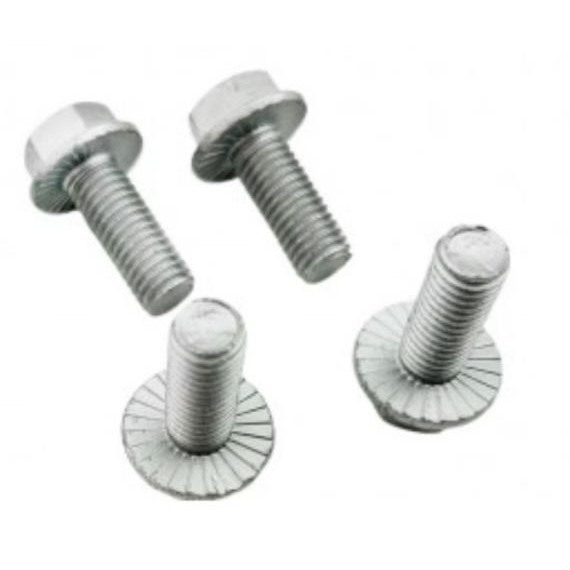
The “hex flange” design integrates a wide circular base directly under the hexagonal head. This geometry eliminates the need for a separate washer, distributing clamping force more evenly across the joint surface. When combined with the Dacromet coating, the screw becomes a robust solution for sectors demanding both mechanical strength and environmental resilience.
Industry professionals increasingly prefer this combination because it addresses two common failure modes: corrosion and loosening. The flange acts as a built-in lock washer, while the coating ensures the substrate remains intact even after years of exposure to salt, moisture, or industrial chemicals.
The Composition of Dacromet Coating
Understanding the material science behind Dacromet is essential for selecting the right fastener. The coating is not a simple layer of paint; it is a complex matrix formed through a dip-spin process followed by curing at high temperatures.
- Zinc Flakes: Provide sacrificial cathodic protection, corroding before the steel substrate does.
- Aluminum Flakes: Create a physical barrier that blocks oxygen and moisture penetration.
- Inorganic Binders: Bond the flakes together and to the screw surface, ensuring adhesion without brittleness.
This unique composition allows the coating to self-heal minor scratches through the sacrificial action of the zinc, a feature absent in many organic paints or standard galvanization methods.
Why Choose Factory Direct Pricing?
Sourcing dacromet hex flange screws directly from the manufacturer offers significant advantages beyond mere cost savings. In the current supply chain landscape, eliminating intermediaries ensures tighter quality control and faster response times to custom specifications.
Factory-direct engagement allows buyers to verify production standards firsthand. Manufacturers can provide detailed documentation regarding batch testing, coating thickness consistency, and torque performance. This transparency builds trust and aligns with the EEAT principles required for critical infrastructure projects.
Furthermore, direct purchasing facilitates better communication regarding technical requirements. Whether you need specific thread pitches, non-standard lengths, or customized packaging for automated assembly lines, the factory can adapt processes immediately without the delays inherent in distributor networks.
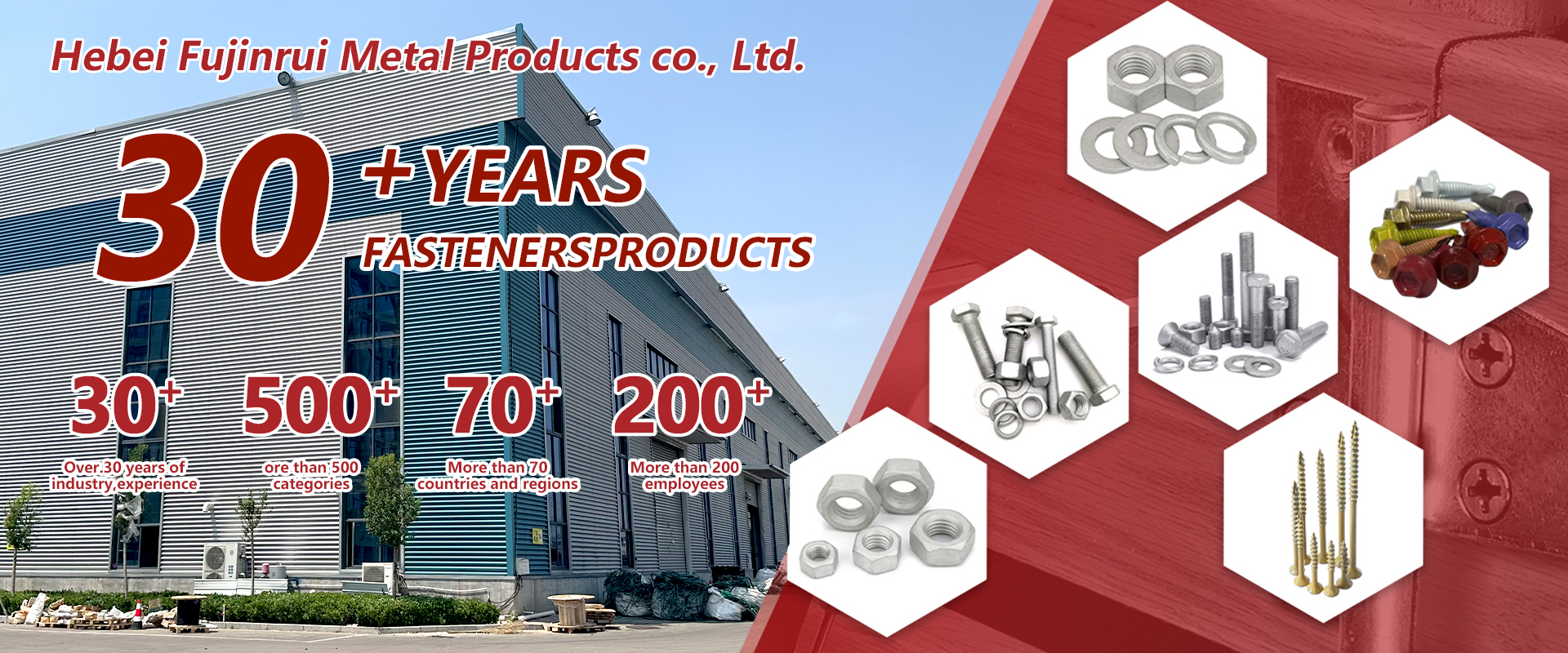
For businesses seeking a proven partner in this domain, Hebei Fujinrui Metal Products Co., Ltd. stands out as a prime example of such a dedicated manufacturer. Established in 2004 and located in Handan City, Hebei Province, the company has spent over two decades refining its expertise in the fastener industry. Spanning 10,000 square meters with a skilled workforce of more than 200 employees, Fujinrui uniquely integrates fastener production with advanced metal surface corrosion protection technologies. Their mature production team ensures that every batch of self-drilling screws, hexagonal bolts, flange bolts, and washers—compliant with American, German, and national standards—meets rigorous global expectations. With a strong export presence in Europe, America, and the Middle East, they deliver the high quality and competitive pricing that modern supply chains demand.
Cost Efficiency Without Compromising Quality
While the initial unit price of Dacromet-coated fasteners may appear higher than standard zinc-plated options, the total cost of ownership is significantly lower. The extended service life reduces maintenance frequency and replacement costs.
Factory pricing optimizes this value proposition further. By removing markup layers, businesses can access premium-grade fasteners at competitive rates. This economic model is particularly beneficial for large-scale procurement in the automotive and construction sectors.
Technical Advantages Over Traditional Plating
The shift toward Dacromet technology is driven by its ability to overcome the limitations of conventional electroplating. Traditional methods often introduce hydrogen into the steel lattice during the acid pickling and plating stages, leading to hydrogen embrittlement.
Hydrogen embrittlement is a catastrophic failure mode where high-strength steel becomes brittle and prone to sudden fracture under load. Dacromet processing is entirely free of electrolysis and acid baths, making it the safest choice for Grade 8.8, 10.9, and 12.9 high-tensile fasteners.
Beyond safety, the corrosion resistance metrics are superior. While standard yellow zinc might offer 72 to 96 hours of salt spray resistance, Dacromet coatings routinely exceed 500 to 1000 hours. This makes them indispensable for components exposed to road salts, marine atmospheres, or aggressive industrial fumes.
Heat Resistance and Stability
Another distinguishing factor is thermal stability. Organic coatings and some plating types degrade or discolor at elevated temperatures. Dacromet, however, maintains its integrity and protective qualities at temperatures up to 300°C (572°F).
This characteristic is vital for engine compartments, exhaust systems, and machinery operating under high thermal loads. The coating does not peel, crack, or lose adhesion when subjected to thermal cycling, ensuring consistent performance throughout the product lifecycle.
Dacromet vs. Galvanization: A Detailed Comparison
Selecting the appropriate surface treatment requires a clear understanding of how Dacromet compares to hot-dip galvanization. While both offer corrosion protection, their application methods and resulting properties differ significantly.
Hot-dip galvanizing involves dipping steel into molten zinc. This creates a thick, rugged coating but often results in uneven coverage on threaded areas. The buildup of zinc on threads can interfere with nut engagement, requiring post-processing like tapping, which damages the coating.
In contrast, the Dacromet process uses a controlled dip-spin method. The centrifugal force removes excess coating from threads and bearing surfaces, ensuring precise dimensional tolerance. This allows nuts to be assembled immediately after curing without additional machining.
| Feature | Dacromet Hex Flange Screws | Hot-Dip Galvanized Screws |
|---|---|---|
| Coating Thickness | Thin and uniform (8-12 μm) | Thick and variable (50-100+ μm) |
| Thread Fit | Precision fit, no post-tapping needed | Often requires tapping, risking damage |
| Hydrogen Embrittlement | Risk-free process | Potential risk during pre-treatment |
| Corrosion Resistance | Excellent (500-1000+ hrs salt spray) | Good, but depends on thickness |
| Temperature Resistance | Up to 300°C | Limited by zinc melting point |
| Aesthetic Finish | Smooth, silver-gray matte | Spangled, rough texture |
The table above highlights why dacromet hex flange screws are the preferred choice for precision assemblies where thread integrity and high strength are non-negotiable. The uniformity of the coating ensures consistent torque-tension relationships, a critical factor in engineered joints.
Key Applications in Modern Industry
The versatility of Dacromet hex flange screws has led to their widespread adoption across multiple high-demand sectors. Their unique property profile solves specific engineering challenges that other fasteners cannot address effectively.
Automotive Manufacturing
The automotive industry is the largest consumer of Dacromet fasteners. Vehicles operate in diverse environments, from freezing winters with road salt to humid coastal regions. Components such as suspension systems, brake assemblies, and engine mounts require fasteners that will not corrode or loosen over time.
The flange head design is particularly advantageous in auto assembly. It speeds up the installation process by reducing part count (no separate washers) and improves joint stability on sheet metal structures. Manufacturers rely on factory-direct supplies to maintain just-in-time production schedules.
Construction and Infrastructure
In civil engineering, steel structures like bridges, transmission towers, and roofing systems face decades of weather exposure. Dacromet screws provide the necessary longevity to match the design life of these structures. The absence of hydrogen embrittlement ensures that high-strength bolts used in structural connections remain reliable under dynamic loads.
Furthermore, the aesthetic consistency of the silver-gray finish is often preferred for architectural applications where visible fasteners must blend seamlessly with galvanized steel beams without the spangled look of hot-dip coating.
Railway and Transportation
Railway systems subject fasteners to extreme vibration and shock. The integrated flange of these screws acts as a prevailing torque device, resisting loosening caused by constant movement. Combined with the corrosion resistance needed for outdoor tracks, Dacromet hex flange screws are a standard specification for rail car assembly and track infrastructure.
Installation Guidelines and Best Practices
To maximize the performance of dacromet hex flange screws, proper installation techniques are essential. While the design is user-friendly, adhering to industry best practices ensures optimal clamp load and joint integrity.
Step-by-Step Installation Process
- Surface Preparation: Ensure the mating surfaces are clean and free of oil, grease, or debris. While Dacromet is forgiving, dirty interfaces can lead to inconsistent friction coefficients.
- Tool Selection: Use calibrated torque wrenches or pulse tools. The low and consistent friction of Dacromet allows for accurate torque-to-tension conversion.
- Alignment: Insert the screw perpendicular to the work surface. The flange should sit flat against the material to distribute pressure evenly.
- Tightening: Apply torque in a star pattern if using multiple fasteners to ensure uniform clamping. Do not overtighten, as the high strength of the screw can strip threads if limits are exceeded.
- Inspection: Verify that the flange is fully seated and there is no gap between the flange and the substrate.
Following these steps minimizes the risk of joint failure. The predictable friction characteristics of the Dacromet coating mean that torque values specified in engineering drawings can be achieved with high repeatability.
Torque Considerations
One of the technical benefits of Dacromet is its stable coefficient of friction. Unlike some lubricated oils that vary with temperature or age, the inorganic binder in Dacromet provides a consistent surface condition. Engineers can calculate preload forces with greater confidence, reducing the safety factors often required for less predictable coatings.
However, it is crucial to consult the manufacturer’s data sheets for specific torque recommendations based on the screw grade and size. Factory-direct suppliers typically provide these technical parameters alongside the product delivery.
Environmental and Safety Compliance
In an era of strict environmental regulations, the composition of industrial coatings is under scrutiny. Dacromet technology has evolved to meet global standards, including RoHS (Restriction of Hazardous Substances) and ELV (End-of-Life Vehicles) directives.
Modern Dacromet formulations are chromium-free or utilize trivalent chromium, which is far less toxic than the hexavalent chromium found in older passivation treatments. This shift ensures that dacromet hex flange screws are safe for use in consumer products and environmentally sensitive applications.
The water-based nature of the coating process also reduces volatile organic compound (VOC) emissions during manufacturing. Factories adhering to these green standards contribute to a cleaner supply chain, a factor increasingly important for corporate sustainability goals.
Workplace Safety Benefits
For the end-user, the safety benefits extend to the absence of hydrogen embrittlement risks. In high-stress applications, the failure of a fastener can lead to equipment damage or personal injury. By specifying Dacromet, engineers eliminate a significant variable in the failure analysis equation.
Additionally, the durability of the coating reduces the frequency of maintenance interventions. Fewer replacements mean less exposure for maintenance personnel to hazardous environments, such as working at heights on bridges or inside active industrial plants.
How to Identify High-Quality Dacromet Screws
With the market flooded with various coated fasteners, distinguishing genuine high-quality Dacromet products from inferior imitations is vital. Several visual and tactile indicators can help buyers assess quality before purchase.
First, examine the color and texture. Authentic Dacromet has a distinctive uniform silver-gray matte finish. It should not appear shiny like electroplated zinc nor have the rough, crystalline structure of hot-dip galvanizing. The surface should feel smooth to the touch.
Second, inspect the threads. In a quality product, the threads will be clearly defined with no buildup of coating material. The dip-spin process should have removed excess fluid from the crevices, ensuring easy nut run-down.
Third, check for certification. Reputable factory-direct suppliers will provide mill test reports (MTRs) and coating thickness analysis. These documents verify that the product meets international standards such as ISO or ASTM specifications.
Common Pitfalls to Avoid
- Mislabelled Products: Some suppliers may label standard zinc-flake coatings as Dacromet. While similar, proprietary Dacromet formulations undergo rigorous quality controls.
- Inconsistent Curing: Poorly cured coatings may rub off easily or lack full corrosion resistance. A simple tape test can sometimes reveal adhesion issues.
- Incorrect Grade Markings: Ensure the head markings correspond to the stated tensile strength. Counterfeit fasteners often have incorrect or missing grade identifiers.
Purchasing directly from the source mitigates these risks. Established manufacturers have reputations to uphold and invest heavily in quality assurance laboratories to test every batch before shipment.
Frequently Asked Questions (FAQ)
Addressing common queries helps clarify the specific advantages and limitations of dacromet hex flange screws. This section provides concise answers based on industry expertise.
Can Dacromet screws be reused?
Yes, Dacromet screws can generally be reused. The coating is durable and resistant to damage during disassembly. However, it is essential to inspect the threads and the flange for any signs of deformation or excessive wear before re-installation. If the coating is severely damaged, the corrosion protection may be compromised.
Is Dacromet compatible with all metals?
Dacromet is compatible with most common engineering metals, including steel, stainless steel, and aluminum. However, when joining dissimilar metals, galvanic corrosion considerations still apply. The Dacromet coating acts as a barrier, but care should be taken in highly corrosive electrolytes where the potential difference between metals is significant.
How does the cost compare to standard zinc plating?
The upfront cost of Dacromet is typically higher than standard electroplating due to the specialized raw materials and curing process. However, when factoring in the extended service life, reduced maintenance, and elimination of hydrogen embrittlement risks, the lifecycle cost is often lower. For critical applications, the value outweighs the initial price difference.
What is the maximum service temperature?
Dacromet coatings maintain their protective properties up to approximately 300°C (572°F). Above this temperature, the organic binders may begin to degrade, potentially affecting the coating’s adhesion and corrosion resistance. For applications exceeding this limit, specialized ceramic coatings might be required.
Does the flange head prevent loosening?
The flange head increases the bearing surface area, which reduces contact pressure and helps prevent the screw from pulling through soft materials. While it offers some resistance to loosening due to the serrations often found on the underside of the flange, it is not a substitute for dedicated locking mechanisms in high-vibration environments unless specified as a prevailing torque type.
Future Trends in Fastener Technology
The fastener industry continues to evolve, driven by demands for lighter vehicles, longer-lasting infrastructure, and stricter environmental norms. Dacromet technology is at the forefront of this evolution, adapting to new challenges.
Research is ongoing to enhance the lubricity of Dacromet coatings further, enabling even tighter torque tolerances for automated assembly robots. Additionally, developments in nano-materials are being integrated into the binder matrix to improve scratch resistance and self-healing capabilities.
As global supply chains become more localized, the role of factory-direct suppliers grows. Buyers are seeking partners who can offer not just products, but technical collaboration. The ability to customize Dacromet formulations for specific regional environmental conditions is becoming a key differentiator.
Conclusion and Selection Guide
Dacromet hex flange screws stand out as a premier solution for modern engineering challenges. By combining the mechanical advantages of a flange head with the superior corrosion resistance and safety of Dacromet coating, they offer unmatched reliability for automotive, construction, and industrial applications.
The decision to switch to or specify these fasteners should be based on a holistic view of project requirements. If your application involves high-strength steel, exposure to harsh elements, or critical safety factors, Dacromet is the logical choice. The avoidance of hydrogen embrittlement alone justifies its selection for high-tensile grades.
For procurement managers and engineers, sourcing directly from the factory ensures access to authentic products, competitive pricing, and the technical support necessary for successful implementation. Partnering with experienced entities like Hebei Fujinrui Metal Products Co., Ltd. fosters a supply chain that is both resilient and responsive, leveraging over 20 years of industry specialization to secure your project’s future.
Who Should Use These Fasteners?
This product is ideally suited for:
- Automotive OEMs: Seeking long-term durability for chassis and engine components.
- Civil Engineers: Designing infrastructure with multi-decade lifespans.
- Heavy Machinery Manufacturers: Requiring vibration resistance and high load capacity.
- Maintenance Teams: Looking to reduce replacement frequency in corrosive environments.
Taking the next step involves evaluating your current fastener specifications against the benefits outlined in this guide. Consider requesting samples from a reputable factory-direct supplier to conduct your own torque and corrosion tests. Making an informed choice today secures the integrity and longevity of your projects for tomorrow.