- Chinese
- French
- German
- Portuguese
- Spanish
- Russian
- Japanese
- Korean
- Arabic
- Irish
- Greek
- Turkish
- Italian
- Danish
- Romanian
- Indonesian
- Czech
- Afrikaans
- Swedish
- Polish
- Basque
- Catalan
- Esperanto
- Hindi
- Lao
- Albanian
- Amharic
- Armenian
- Azerbaijani
- Belarusian
- Bengali
- Bosnian
- Bulgarian
- Cebuano
- Chichewa
- Corsican
- Croatian
- Dutch
- Estonian
- Filipino
- Finnish
- Frisian
- Galician
- Georgian
- Gujarati
- Haitian
- Hausa
- Hawaiian
- Hebrew
- Hmong
- Hungarian
- Icelandic
- Igbo
- Javanese
- Kannada
- Kazakh
- Khmer
- Kurdish
- Kyrgyz
- Latin
- Latvian
- Lithuanian
- Luxembou..
- Macedonian
- Malagasy
- Malay
- Malayalam
- Maltese
- Maori
- Marathi
- Mongolian
- Burmese
- Nepali
- Norwegian
- Pashto
- Persian
- Punjabi
- Serbian
- Sesotho
- Sinhala
- Slovak
- Slovenian
- Somali
- Samoan
- Scots Gaelic
- Shona
- Sindhi
- Sundanese
- Swahili
- Tajik
- Tamil
- Telugu
- Thai
- Ukrainian
- Urdu
- Uzbek
- Vietnamese
- Welsh
- Xhosa
- Yiddish
- Yoruba
- Zulu
- Kinyarwanda
- Tatar
- Oriya
- Turkmen
- Uyghur

China Hammer Nut Manufacturer & Wholesale Supplier
2026-10-17
- What Is a Hammer Nut and How Does It Work?
- Key Applications of Hammer Nuts in Industry
- Hammer Nut vs. Other Insert Nuts: A Comparative Analysis
- Technical Specifications and Selection Guide
- Manufacturing Excellence: The Hebei Fujinrui Advantage
- Installation Best Practices and Common Errors
- Frequently Asked Questions (FAQ)
- Conclusion: Securing Your Supply Chain with Reliable Fasteners
A hammer nut, also known as a T-nut or tee nut, is a specialized fastener designed to create a strong, threaded anchor point in wood, composite materials, or thin metal sheets. Unlike standard nuts that require access to both sides of a workpiece, hammer nuts are installed by driving them into a pre-drilled hole from one side. The prongs or teeth on the body bite into the material, preventing rotation and pull-out under load. This design makes them indispensable in furniture assembly, automotive trim, and industrial machinery where blind fastening is required. For businesses seeking reliable supply chains, sourcing from an experienced manufacturer ensures consistent thread quality, proper heat treatment, and corrosion resistance tailored to specific environmental conditions.
What Is a Hammer Nut and How Does It Work?
Understanding the mechanical function of a hammer nut is critical for engineers and procurement specialists selecting fasteners for structural or aesthetic applications. At its core, a hammer nut is a type of insert nut. It features a cylindrical body with internal threading and external protrusions—typically three or four prongs, or a knurled surface.
The Mechanical Anchoring Principle
When installed, the hammer nut is placed into a hole slightly smaller than its outer diameter. As it is driven in—either by hand with a hammer or via pneumatic press—the prongs compress slightly and then expand into the surrounding material. This creates two forms of resistance:
- Rotational Resistance: The prongs dig into the substrate, preventing the nut from spinning when a bolt is tightened.
- Pull-Out Resistance: The expanded body and the material displaced by the prongs create a mechanical lock against axial forces.
This dual-action locking mechanism allows hammer nuts to withstand significant torque and vibration, making them superior to simple press-fit inserts in dynamic environments. In industrial settings, such as conveyor belt assemblies or modular machinery frames, this reliability reduces maintenance downtime caused by loose fasteners.
Common Materials and Finishes
Hammer nuts are manufactured from various metals to suit different strength and corrosion requirements. The most common materials include:
- Carbon Steel: Offers high tensile strength and is cost-effective for general industrial use. Typically plated with zinc or black oxide for moderate corrosion protection.
- Stainless Steel (304/316): Ideal for outdoor applications, marine environments, or food processing equipment where rust resistance is paramount.
- Brass: Used primarily for aesthetic purposes in visible furniture applications or where non-magnetic properties are required.
Surface treatments play a crucial role in longevity. Zinc plating provides a sacrificial layer against rust, while Dacromet or Geomet coatings offer enhanced protection in harsh chemical environments. Selecting the right finish is as important as choosing the correct size, especially for exports to regions with high humidity or saline exposure.
Key Applications of Hammer Nuts in Industry
Hammer nuts are versatile components found across multiple sectors. Their ability to provide a durable thread in materials that cannot be tapped directly makes them a preferred choice for designers and manufacturers. Below are the primary industries leveraging this technology.
Furniture Manufacturing and Assembly
In the furniture industry, particularly for flat-pack or ready-to-assemble (RTA) furniture, hammer nuts are essential. They allow for strong connections between particleboard, MDF, or plywood panels without the need for complex joinery. When a customer assembles a bookshelf or desk, the hammer nut provides the threaded anchor for cam locks or direct bolt connections. The prongs ensure that the nut does not rotate during assembly, simplifying the user experience and reducing the risk of stripped threads.
Automotive and Transportation
Vehicle interiors rely heavily on hammer nuts for securing trim panels, seat brackets, and dashboard components. In these applications, space is often limited, and access to the back of the panel is impossible. Hammer nuts allow manufacturers to install robust mounting points from the front side. Furthermore, automotive-grade hammer nuts must withstand constant vibration. High-quality manufacturing ensures that the prongs maintain their grip over the vehicle’s lifespan, preventing rattles and loose components.
Industrial Machinery and Enclosures
For heavy machinery, access panels and protective covers need to be removable for maintenance yet secure during operation. Hammer nuts embedded in sheet metal housings provide reliable threads for machine screws. This is particularly useful in electrical enclosures, HVAC systems, and agricultural equipment. The ability to repeatedly remove and reinstall bolts without damaging the base material is a key advantage over self-tapping screws, which can strip out after multiple uses.
Construction and Modular Structures
In modular construction and temporary structures, speed of assembly is critical. Hammer nuts enable rapid connection of wooden or composite beams. They are often used in conjunction with carriage bolts to create strong lap joints. Their ease of installation means that workers do not need specialized tools beyond a hammer or a simple setting tool, accelerating project timelines.
Hammer Nut vs. Other Insert Nuts: A Comparative Analysis
Choosing the right insert nut depends on the material, load requirements, and installation method. While hammer nuts are popular, they are not always the best solution for every scenario. Understanding the differences helps in making informed procurement decisions.
| Feature | Hammer Nut (T-Nut) | Press-In Knurled Nut | Threaded Insert (Helical) |
|---|---|---|---|
| Installation Method | Hammered or pressed into pre-drilled hole | Pressed into slightly smaller hole | Screwed into pre-tapped hole |
| Retention Mechanism | Prongs bite into material | Knurling creates friction fit | External threads lock into material |
| Rotational Resistance | High (due to prongs) | Moderate (depends on knurl depth) | Very High (mechanical thread lock) |
| Material Suitability | Wood, soft plastics, thin sheet metal | Soft plastics, wood | Hard plastics, wood, soft metals |
| Load Bearing Capacity | High pull-out strength | Moderate | High torque and pull-out strength |
| Reusability | Low (prongs may damage hole on removal) | Low | Moderate to High |
From the table, it is evident that hammer nuts excel in applications requiring high pull-out strength and rotational stability in softer materials like wood. However, for hard plastics or where high torque is applied frequently, threaded inserts might be more suitable. For quick, low-cost assembly in wood-based products, hammer nuts remain the industry standard due to their simplicity and effectiveness.
Technical Specifications and Selection Guide
Selecting the correct hammer nut involves matching several technical parameters to your application needs. Incorrect sizing can lead to poor retention, material splitting, or thread stripping.
Critical Dimensions
- Inner Diameter (ID): Must match the bolt or screw size (e.g., M6, M8, 1/4″-20).
- Outer Diameter (OD): Determines the size of the pre-drilled hole. A tighter fit increases holding power but requires more force to install.
- Overall Length: Must be appropriate for the material thickness. If the nut is too long, it may protrude; if too short, it lacks sufficient engagement.
- Prong Configuration: Three-prong nuts are common for wood, while four-prong or square-base nuts offer better stability in sheet metal applications.
Material Thickness Considerations
A common mistake is using a hammer nut in material that is too thin. The material thickness should ideally be equal to or greater than the length of the nut’s body. If the material is too thin, the prongs may not fully engage, leading to easy pull-out. Conversely, in very thick materials, ensure the hole depth is sufficient to accommodate the entire nut without bottoming out prematurely.
Standards and Compliance
Global trade requires adherence to international standards. Hammer nuts are produced according to various specifications, including:
- DIN Standards: Common in European markets, ensuring metric compatibility and specific dimensional tolerances.
- ANSI/ASME Standards: Predominant in the United States, focusing on imperial sizes and strength grades.
- GB Standards: Chinese national standards that align with many international requirements, offering a broad range of options for global export.
Ensuring that your supplier complies with these standards is vital for seamless integration into your production lines, especially if you are assembling products for diverse international markets.
Manufacturing Excellence: The Hebei Fujinrui Advantage
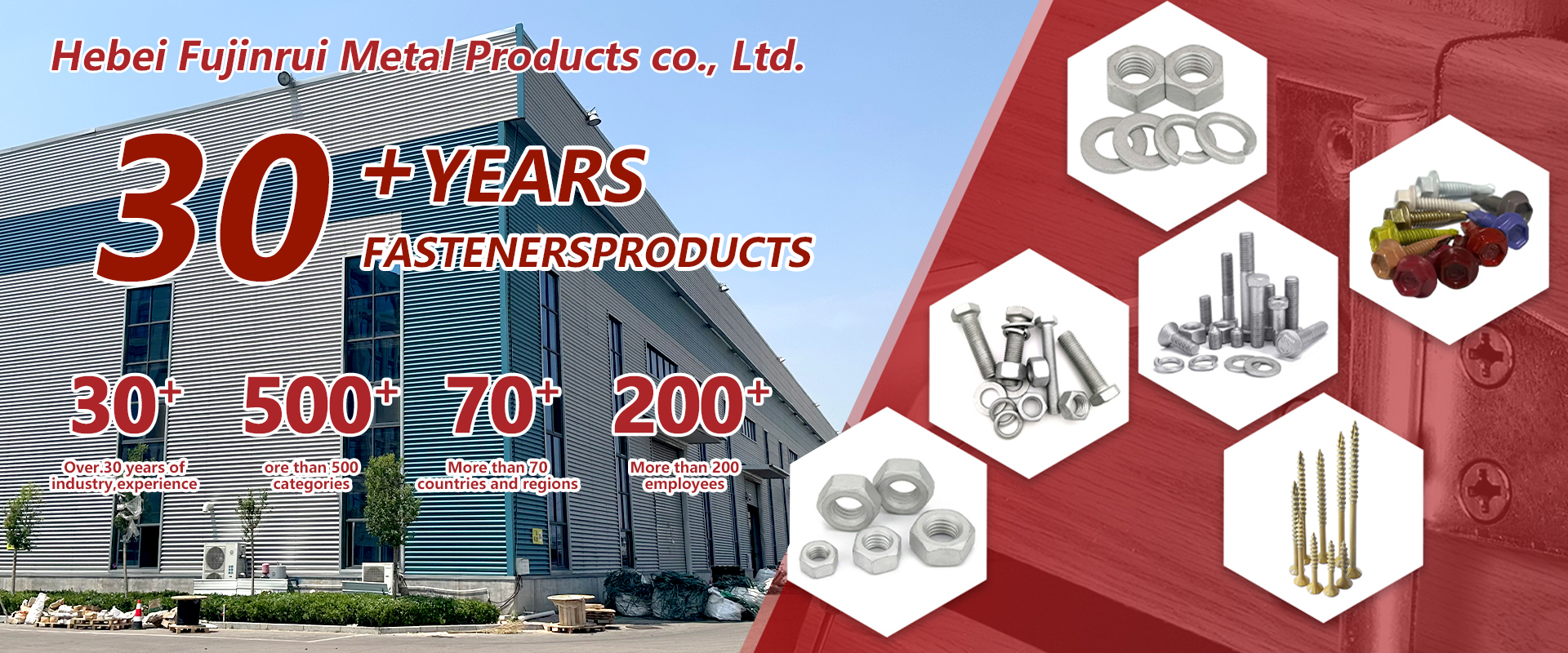
In the competitive landscape of fastener manufacturing, consistency and expertise define quality. Hebei Fujinrui Metal Products Co., Ltd. stands out as a premier partner for businesses seeking high-quality hammer nuts and related fastening solutions. Established in 2004 in Handan City, Hebei Province, the company has grown into a comprehensive enterprise integrating fastener production with advanced metal surface corrosion protection.
Two Decades of Industry Expertise
With over 20 years of experience in the fastener industry, Hebei Fujinrui has refined its production processes to meet the rigorous demands of global clients. The company operates from a 10,000-square-meter facility, employing more than 200 skilled professionals. This scale allows for significant production capacity while maintaining strict quality control at every stage, from raw material selection to final packaging.
Integrated Production and Surface Treatment
One of the key advantages of partnering with Hebei Fujinrui is their integrated approach. Unlike suppliers who outsource surface treatment, Fujinrui handles metal surface corrosion protection in-house. This vertical integration ensures that every hammer nut, whether carbon steel or stainless steel, receives the appropriate finish—be it zinc plating, black oxide, or specialized coatings—without delays or quality discrepancies. This capability is particularly beneficial for clients requiring specific corrosion resistance levels for outdoor or marine applications.
Diverse Product Portfolio and Global Reach
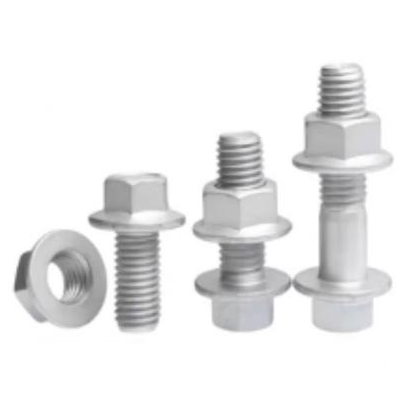
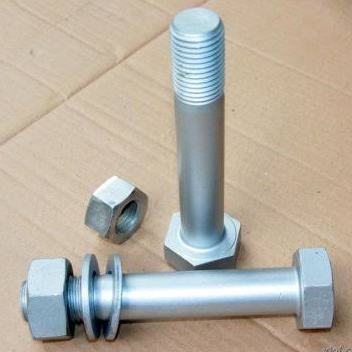
While specializing in hammer nuts, Hebei Fujinrui offers a broad range of fastener products, including self-drilling screws, hexagonal bolts and nuts, flange bolts and nuts, and various washers. This diversity allows buyers to consolidate their supply chain, sourcing multiple fastener types from a single, reliable vendor. The company produces items adhering to American, German, and national standards, ensuring compatibility with global engineering requirements. Their products are exported regularly to Europe, America, the Middle East, and other regions, demonstrating their ability to meet international quality and logistical standards.
Commitment to Quality and Value
Hebei Fujinrui’s mature production technology team ensures that every batch meets precise dimensional tolerances and strength requirements. By combining high-quality manufacturing with competitive pricing, the company positions itself as a strategic partner for businesses looking to optimize costs without compromising on reliability. Whether you need standard off-the-shelf sizes or custom specifications, their experienced team is equipped to deliver solutions that align with your project timelines and technical needs.
Installation Best Practices and Common Errors
Even the highest quality hammer nut can fail if installed incorrectly. Proper installation techniques are essential to achieve the desired holding power and prevent material damage.
Step-by-Step Installation Guide
- Drill the Correct Hole Size: Refer to the manufacturer’s specifications for the recommended hole diameter. The hole should be slightly smaller than the nut’s outer diameter to ensure a tight fit.
- Check Hole Depth: Ensure the hole is deep enough to accommodate the entire length of the nut, plus a small clearance for debris.
- Position the Nut: Place the hammer nut into the hole with the prongs facing the entry side. Ensure it is perpendicular to the surface.
- Drive the Nut: Use a hammer or a pneumatic press to drive the nut into the hole. Apply even force to avoid tilting. Stop when the flange or base of the nut is flush with the material surface.
- Inspect the Installation: Check that the nut is seated firmly and that the prongs have fully engaged the material. There should be no gap between the nut’s flange and the surface.
Common Mistakes to Avoid
- Oversized Holes: Drilling a hole that is too large results in poor retention. The prongs will not bite into the material, leading to spin-out under torque.
- Excessive Force: Hammering too aggressively can deform the nut, damaging the internal threads or bending the prongs. This makes it difficult or impossible to insert the bolt.
- Incorrect Material Choice: Using standard carbon steel hammer nuts in wet or corrosive environments without adequate plating will lead to rapid rusting and failure.
- Ignoring Grain Direction: In wood, installing hammer nuts too close to the edge or end grain can cause splitting. Always maintain adequate edge margins.
Frequently Asked Questions (FAQ)
What is the difference between a hammer nut and a regular nut?
A regular nut requires a bolt to pass through a hole and be tightened from the other side, often needing a wrench to hold the nut in place. A hammer nut is designed to be embedded into the material itself. Its prongs lock it in place, allowing you to tighten a bolt from one side only. This makes it ideal for blind holes or thin materials where a traditional nut would be impractical.
Can hammer nuts be removed and reused?
Generally, hammer nuts are considered semi-permanent. While they can be pulled out, the prongs often damage the surrounding material, enlarging the hole. This compromises the holding power for reinstallation. For applications requiring frequent disassembly, threaded inserts or captive nuts are better alternatives. If a hammer nut must be reused, it is advisable to use a slightly larger size or fill the old hole with epoxy before reinstalling.
How do I choose the right size hammer nut for my project?
Selection depends on the bolt size you intend to use and the thickness of the material. Match the inner thread of the hammer nut to your bolt (e.g., M6 nut for an M6 bolt). Ensure the material thickness is at least equal to the length of the nut’s body. Consult the supplier’s dimension chart to determine the correct pre-drill hole size, which is critical for a secure fit.
Are hammer nuts suitable for metal applications?
Yes, but with caveats. Standard pronged hammer nuts are best for wood and soft plastics. For sheet metal, specialized hammer nuts with sharper, harder prongs or square bases are used. These are designed to pierce and lock into thin metal sheets. It is crucial to select a nut specifically rated for metal if that is your substrate, as standard wood-grade nuts may not penetrate or hold effectively in steel or aluminum.
What surface treatments are available for corrosion resistance?
Common treatments include zinc plating (clear or yellow), black oxide, and nickel plating. For harsh environments, such as marine or chemical exposure, stainless steel (304 or 316) is the best choice. Some manufacturers also offer Dacromet or Geomet coatings, which provide superior corrosion resistance compared to standard zinc plating. Always specify your environmental conditions to your supplier to get the right recommendation.
Conclusion: Securing Your Supply Chain with Reliable Fasteners
Hammer nuts are a small but critical component in the integrity of assembled products. From furniture to industrial machinery, their performance directly impacts product durability and user satisfaction. Choosing the right supplier is just as important as selecting the right specification. You need a partner who understands the nuances of material science, manufacturing precision, and global compliance.
Hebei Fujinrui Metal Products Co., Ltd. offers the expertise, capacity, and quality assurance needed to support your business goals. With over two decades of experience, integrated surface treatment capabilities, and a commitment to international standards, Fujinrui ensures that every hammer nut delivered meets the highest expectations. Whether you are sourcing for a large-scale manufacturing run or a specialized custom project, their team is ready to provide the technical support and competitive pricing you need.
To optimize your procurement strategy and ensure consistent quality, consider evaluating your current fastener specifications against the capabilities offered by experienced manufacturers. Review your application requirements, consider environmental factors, and select materials that offer the best balance of strength and corrosion resistance.
For detailed product catalogs, custom specifications, or to request a quote for your next project, explore our comprehensive range of fastening solutions. Partner with a manufacturer that values precision and reliability as much as you do.