- English
- Chinese
- French
- German
- Portuguese
- Spanish
- Russian
- Japanese
- Korean
- Arabic
- Irish
- Greek
- Turkish
- Italian
- Danish
- Romanian
- Indonesian
- Czech
- Afrikaans
- Swedish
- Polish
- Catalan
- Esperanto
- Hindi
- Lao
- Albanian
- Amharic
- Armenian
- Azerbaijani
- Belarusian
- Bengali
- Bosnian
- Bulgarian
- Cebuano
- Chichewa
- Corsican
- Croatian
- Dutch
- Estonian
- Filipino
- Finnish
- Frisian
- Galician
- Georgian
- Gujarati
- Haitian
- Hausa
- Hawaiian
- Hebrew
- Hmong
- Hungarian
- Icelandic
- Igbo
- Javanese
- Kannada
- Kazakh
- Khmer
- Kurdish
- Kyrgyz
- Latin
- Latvian
- Lithuanian
- Luxembou..
- Macedonian
- Malagasy
- Malay
- Malayalam
- Maltese
- Maori
- Marathi
- Mongolian
- Burmese
- Nepali
- Norwegian
- Pashto
- Persian
- Punjabi
- Serbian
- Sesotho
- Sinhala
- Slovak
- Slovenian
- Somali
- Samoan
- Scots Gaelic
- Shona
- Sindhi
- Sundanese
- Swahili
- Tajik
- Tamil
- Telugu
- Thai
- Ukrainian
- Urdu
- Uzbek
- Vietnamese
- Welsh
- Xhosa
- Yiddish
- Yoruba
- Zulu
- Kinyarwanda
- Tatar
- Oriya
- Turkmen
- Uyghur

How Bolt Technology Enhances Structural Integrity in High-Performance Manufacturing
2026-11-02
- The Critical Role of Bolt Technology in Structural Integrity
- Engineering Principles Behind High-Performance Fastening
- Material Selection and Metallurgical Advances
- Surface Treatment Technologies for Durability
- Manufacturing Precision and Quality Control
- Common Failure Modes and Prevention Strategies
- Selecting the Right Bolt Technology for Your Application
- FAQ: Understanding Bolt Technology in Manufacturing
- Conclusion
Summary This article explores how advanced bolt technology enhances structural integrity in high-performance manufacturing sectors. It details the engineering principles behind preload, material selection, and surface treatments like Dacromet and 1500H coatings. By examining failure modes such as fatigue and corrosion, the content provides actionable insights for engineers and procurement specialists on selecting reliable fastening solutions. The discussion integrates industry standards and manufacturing best practices to ensure long-term reliability in critical applications.
The Critical Role of Bolt Technology in Structural Integrity
In high-performance manufacturing, the reliability of a structure often hinges on its weakest link. While beams, plates, and frames receive significant design attention, the connections holding them together are equally vital. Bolt technology has evolved from simple mechanical fastening to a sophisticated engineering discipline that directly influences the safety, longevity, and performance of industrial infrastructure. Whether in aerospace assemblies, heavy machinery, or large-scale construction projects, the integrity of bolted joints determines whether a structure can withstand dynamic loads, vibration, and environmental stress.
Structural integrity is not merely about holding parts together; it is about maintaining clamping force under varying conditions. A bolted joint functions as a spring system, where the bolt stretches and the clamped materials compress. When external forces act on this system, the distribution of load between the bolt and the joint interface is critical. If the bolt technology employed does not account for factors such as thermal expansion, vibration-induced loosening, or corrosive environments, the joint may fail prematurely. Such failures can lead to catastrophic consequences, including equipment downtime, safety hazards, and costly repairs.
For engineers and procurement professionals, understanding the nuances of bolt technology is essential. It involves more than selecting a standard hex head screw; it requires a comprehensive approach that includes material science, surface treatment technologies, precise manufacturing tolerances, and rigorous quality control. In 2026, as industries push for higher efficiency and stricter safety standards, the demand for high-performance fasteners that guarantee structural integrity has never been greater.
Engineering Principles Behind High-Performance Fastening
To appreciate how bolt technology enhances structural integrity, one must first understand the mechanical principles governing bolted joints. The primary function of a bolt is to create a clamp load that holds joint members together. This clamp load generates friction between the mating surfaces, which resists shear forces and prevents separation under tensile loads.
Preload and Clamping Force
Preload is the tension created in a bolt when it is tightened. It is the most critical parameter in bolted joint design. An insufficient preload can lead to joint separation, allowing relative motion between parts. This motion causes fretting wear and accelerates fatigue failure. Conversely, excessive preload can yield the bolt, causing permanent deformation or immediate fracture. Advanced bolt technology focuses on achieving and maintaining the optimal preload throughout the service life of the assembly.
The relationship between torque and preload is complex, influenced by friction coefficients in the threads and under the bolt head or nut. Modern manufacturing techniques aim to reduce variability in these friction coefficients, ensuring that a specified torque results in a consistent and predictable clamp load. This consistency is vital for high-performance applications where uniformity across hundreds or thousands of fasteners is required.
Load Distribution and Stress Concentration
Bolts are subject to various types of loading, including tensile, shear, and combined loads. In high-performance manufacturing, dynamic loads—those that change in magnitude or direction over time—are particularly challenging. Fatigue failure, which occurs due to cyclic loading, is a common mode of failure in bolted joints. Bolt technology addresses this by optimizing the geometry of the fastener to reduce stress concentrations.
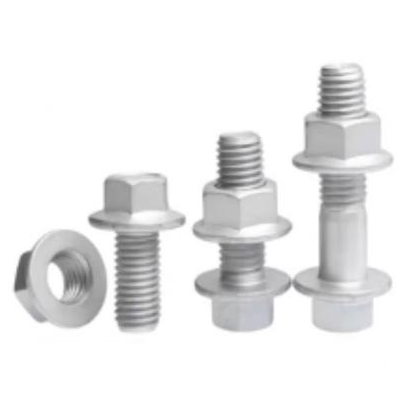
For instance, the transition from the shank to the head and the thread root geometry are carefully designed to distribute stress evenly. High-strength bolts often feature rolled threads rather than cut threads, as rolling induces compressive residual stresses on the surface, significantly improving fatigue resistance. Furthermore, the use of flange bolts or washers helps distribute the clamping force over a larger area, reducing bearing stress on the joined materials and preventing localized deformation.
Material Selection and Metallurgical Advances
The choice of material is fundamental to the performance of any fastener. Bolt technology leverages advanced metallurgy to produce fasteners that offer superior strength, toughness, and resistance to environmental degradation. The material must be compatible with the application’s mechanical requirements and the operating environment.
High-Strength Carbon Steels
Carbon steel remains the most widely used material for structural bolts due to its excellent strength-to-cost ratio. Grades such as ASTM A325 and ASTM A490 in the United States, or ISO 8.8 and 10.9 globally, define specific mechanical properties including tensile strength and yield strength. High-strength carbon steel bolts are typically heat-treated through quenching and tempering processes to achieve the desired microstructure. This treatment enhances hardness and strength while maintaining sufficient ductility to prevent brittle fracture.
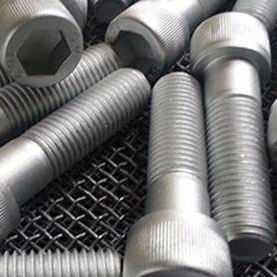
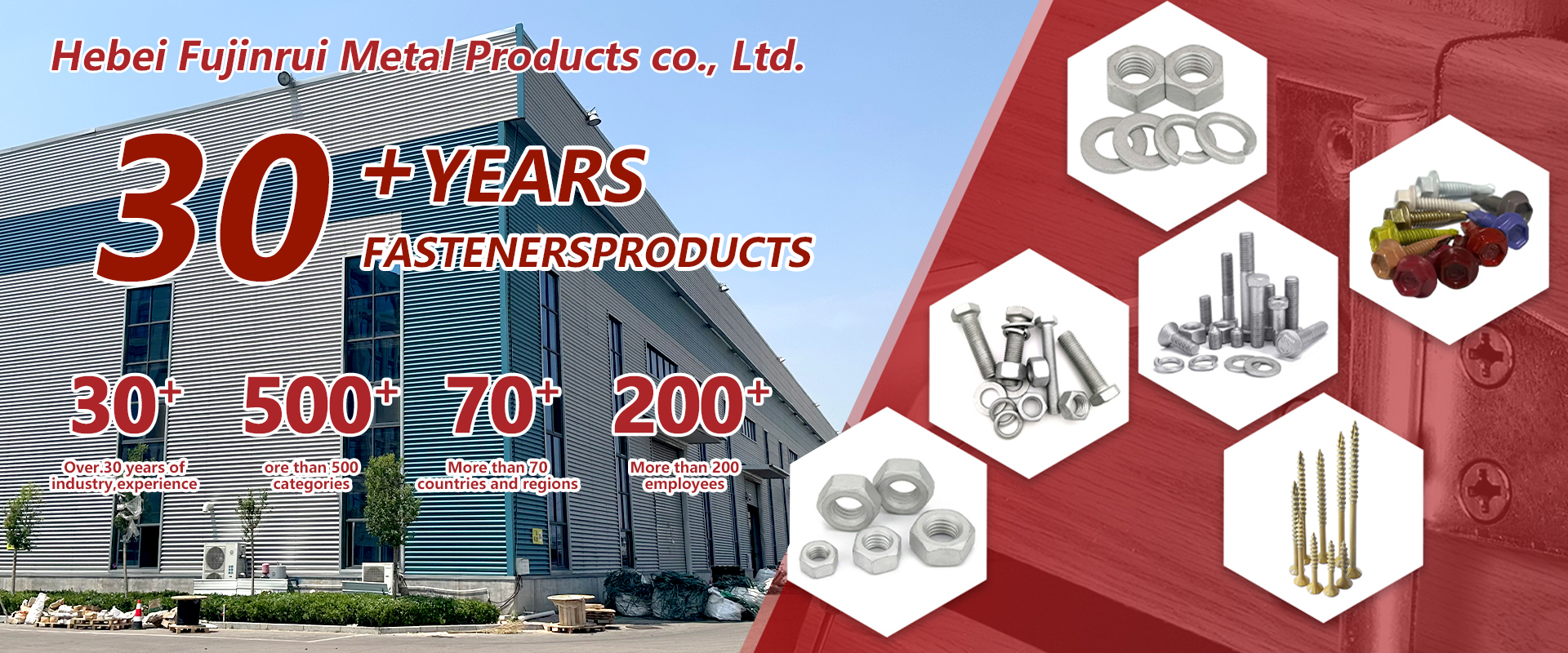
In high-performance manufacturing, the consistency of the heat treatment process is paramount. Variations in temperature or cooling rates can lead to inconsistent mechanical properties within a batch. Reputable manufacturers employ precise control systems to ensure that every bolt meets the specified grade requirements. For example, Hebei Fujinrui Metal Products Co., Ltd. utilizes vertically integrated manufacturing facilities with dedicated heat treatment lines to ensure that their Outer Hexagon Bolts and Inner Hexagon Bolts consistently meet international standards such as DIN, ANSI, and ISO.
Stainless Steel and Alloy Solutions
For applications requiring high corrosion resistance or extreme temperatures, stainless steel and alloy steels are preferred. Austenitic stainless steels (such as 304 and 316) offer excellent corrosion resistance but generally have lower strength compared to carbon steels. Martensitic stainless steels can be heat-treated to achieve higher strengths, making them suitable for more demanding structural applications.
Alloy steels, containing elements like chromium, molybdenum, and nickel, provide enhanced strength and toughness at elevated temperatures. These materials are often used in aerospace and energy sectors where components are exposed to harsh conditions. The selection of the appropriate material depends on a careful analysis of the operating environment, including exposure to chemicals, moisture, and temperature fluctuations.
Surface Treatment Technologies for Durability
Even the strongest bolt can fail if it succumbs to corrosion. Surface treatment technologies are a crucial aspect of modern bolt technology, providing a barrier against environmental attacks and enhancing the longevity of the fastener. In high-performance manufacturing, where maintenance access may be limited or costly, the durability of the coating is as important as the strength of the bolt itself.
Dacromet and Zinc Flake Coatings
Dacromet, a type of zinc flake coating, is widely recognized for its superior corrosion resistance and consistent friction coefficients. Unlike traditional electroplating, which can suffer from hydrogen embrittlement and uneven thickness, Dacromet coatings are applied through a dipping and spinning process that ensures uniform coverage, even in complex geometries and thread roots. This uniformity is critical for maintaining consistent preload during tightening.
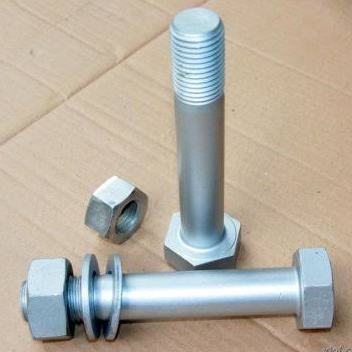
Dacromet coatings offer excellent protection against salt spray and atmospheric corrosion, making them ideal for outdoor structures, marine applications, and automotive components. The coating also provides good heat resistance, retaining its protective properties at temperatures up to 300°C. Hebei Fujinrui Metal Products Co., Ltd. specializes in High Rust Resistance DIN931 Dacromet Hex Bolts, leveraging this technology to deliver products that meet the stringent demands of global infrastructure projects.
1500H Corrosion-Resistant Coatings
For extreme environments, advanced coatings such as the 1500H-rated anti-corrosion treatment provide an additional layer of protection. The “1500H” designation typically refers to the number of hours the coated fastener can withstand in a salt spray test without showing signs of red rust. This level of performance is essential for applications in coastal regions, chemical processing plants, and offshore platforms where exposure to chlorides and other corrosive agents is continuous.
These advanced coatings often incorporate organic topcoats that seal the inorganic zinc base, further enhancing barrier protection and lubricity. The combination of high corrosion resistance and controlled friction makes these coated bolts suitable for critical structural connections where reliability is non-negotiable. The integration of EPDM washers with self-drilling screws, as offered in some specialized product lines, further enhances sealing and vibration resistance, providing a comprehensive solution for roofing and cladding applications.
Manufacturing Precision and Quality Control
The theoretical benefits of advanced bolt technology can only be realized through precise manufacturing and rigorous quality control. Every step of the production process, from raw material selection to final inspection, impacts the performance of the finished fastener.
Cold Forging and Thread Rolling
Cold forging is a preferred method for producing high-quality bolts because it aligns the grain structure of the metal, resulting in improved strength and toughness. Unlike machining, which cuts away material and disrupts the grain flow, cold forging shapes the metal under high pressure, creating a denser and more robust component. This process is particularly effective for producing the heads and shanks of hexagon bolts and nuts.
Thread rolling, another critical process, forms the threads by displacing material rather than cutting it. This results in smoother thread surfaces with higher fatigue strength due to the compressive residual stresses introduced during forming. Precision thread rolling ensures that the pitch diameter and thread profile adhere strictly to international standards, facilitating proper engagement with nuts and tapped holes. Misaligned or poorly formed threads can lead to uneven load distribution and premature failure.
Quality Assurance and Testing
A robust quality management system is essential for verifying that bolts meet specified requirements. Key tests include dimensional verification, hardness testing, tensile strength testing, and salt spray testing for coated products. Dimensional checks ensure that the bolt fits correctly and engages properly with the nut. Hardness testing confirms that the heat treatment has achieved the desired mechanical properties.
Tensile testing measures the maximum load a bolt can withstand before breaking, while yield strength testing determines the point at which permanent deformation occurs. Salt spray testing evaluates the effectiveness of surface treatments by exposing coated bolts to a corrosive saline environment for a specified duration. Hebei Fujinrui Metal Products Co., Ltd. implements a rigorous quality management system that governs every stage of production, from raw material inspection to final dimensional verification and salt spray testing. This commitment to quality ensures compliance with functional performance requirements and delivery reliability for OEM and project-based orders.
| Test Type | Purpose | Relevance to Structural Integrity |
|---|---|---|
| Dimensional Verification | Ensure correct fit and thread engagement | Prevents cross-threading and ensures uniform load distribution |
| Hardness Testing | Verify heat treatment effectiveness | Confirms material strength and resistance to deformation |
| Tensile Strength Testing | Measure maximum load capacity | Ensures the bolt can withstand design loads without breaking |
| Salt Spray Testing | Evaluate corrosion resistance of coatings | Predicts longevity in corrosive environments, preventing rust-induced failure |
| Proof Load Testing | Check for defects without yielding | Identifies material flaws or manufacturing defects in bulk production |
Common Failure Modes and Prevention Strategies
Understanding how bolted joints fail is crucial for designing safer and more reliable structures. Common failure modes include fatigue, corrosion, loosening, and overload. Each mode requires specific prevention strategies rooted in advanced bolt technology.
Fatigue Failure
Fatigue failure occurs when a bolt is subjected to cyclic loading, leading to crack initiation and propagation. It is often characterized by a smooth fracture surface with beach marks. To prevent fatigue failure, engineers should ensure adequate preload to minimize alternating stress in the bolt. Using bolts with rolled threads and optimized geometry reduces stress concentrations. Additionally, selecting materials with high fatigue strength and applying shot peening can enhance resistance to cyclic loads.
Corrosion and Hydrogen Embrittlement
Corrosion weakens the cross-sectional area of the bolt, reducing its load-carrying capacity. In severe cases, it can lead to complete fracture. Hydrogen embrittlement, a phenomenon where hydrogen atoms diffuse into the metal lattice, causes brittle failure in high-strength steels. This is particularly relevant for electroplated bolts. To mitigate these risks, use corrosion-resistant coatings like Dacromet or stainless steel materials. Avoid electroplating for high-strength bolts unless proper baking processes are employed to remove hydrogen. Regular inspection and maintenance are also essential for identifying early signs of corrosion.
Vibration-Induced Loosening
Vibration can cause nuts to rotate and loosen, leading to a loss of preload and joint separation. This is a common issue in machinery and transportation applications. Prevention strategies include using locking nuts, thread-locking adhesives, or mechanical locking devices such as wedge-locking washers. Self-drilling screws with EPDM washers, for instance, provide a secure connection that resists loosening while also sealing the joint against moisture ingress. Proper torque application during installation is also critical to ensure that the initial preload is sufficient to resist vibrational forces.
Selecting the Right Bolt Technology for Your Application
Choosing the appropriate fastener involves balancing technical requirements, environmental conditions, and cost considerations. There is no one-size-fits-all solution; each application demands a tailored approach.
- Assess Load Requirements: Determine the magnitude and type of loads (static, dynamic, shear, tensile) the joint will experience. Select a bolt grade that provides a sufficient safety margin.
- Evaluate Environmental Conditions: Consider exposure to moisture, chemicals, temperature extremes, and UV radiation. Choose materials and coatings that offer adequate protection. For harsh environments, opt for Dacromet or 1500H-coated bolts.
- Consider Material Compatibility: Ensure that the bolt material is compatible with the joined materials to prevent galvanic corrosion. Use insulating washers or coatings if dissimilar metals must be connected.
- Verify Standards and Certifications: Ensure that the fasteners comply with relevant international standards (ISO, DIN, ASTM, etc.). Request certification documents from suppliers to verify compliance.
- Partner with Reliable Manufacturers: Work with manufacturers who have proven expertise in fastener engineering and quality control. Hebei Fujinrui Metal Products Co., Ltd., with over two decades of experience, offers a diversified product matrix and vertically integrated manufacturing capabilities, ensuring consistent performance and traceable batch control.
FAQ: Understanding Bolt Technology in Manufacturing
What is the difference between proof load and tensile strength?
Proof load is the maximum load a bolt can withstand without undergoing permanent deformation. It is typically lower than the tensile strength, which is the maximum load the bolt can carry before breaking. Proof load testing is used to verify that a bolt meets minimum strength requirements without destroying the sample, whereas tensile testing determines the ultimate breaking point.
Why is preload important in bolted joints?
Preload creates the clamping force that holds joint members together. It generates friction between the mating surfaces, which resists shear loads and prevents separation under tensile loads. Adequate preload ensures that the bolt shares the load with the joint members, reducing the alternating stress on the bolt and preventing fatigue failure.
How does Dacromet coating improve bolt performance?
Dacromet coating provides superior corrosion resistance compared to traditional zinc plating. It offers uniform coverage, even in thread roots, and maintains a consistent friction coefficient, which ensures predictable preload during tightening. Additionally, Dacromet is resistant to hydrogen embrittlement and can withstand higher temperatures.
Can I reuse high-strength bolts?
Generally, it is not recommended to reuse high-strength bolts, especially those that have been tightened to their yield point. Reuse can lead to reduced preload capacity and increased risk of failure due to thread damage or material fatigue. If reuse is necessary, inspect the bolts carefully for signs of damage and replace them if any defects are found.
Conclusion
Bolt technology plays a pivotal role in ensuring the structural integrity of high-performance manufacturing applications. By understanding the engineering principles behind preload, material selection, and surface treatments, engineers and procurement professionals can make informed decisions that enhance the reliability and longevity of their structures. Advanced coatings like Dacromet and 1500H, combined with precise manufacturing processes such as cold forging and thread rolling, provide the necessary protection and strength to withstand demanding operational conditions.
As industries continue to evolve, the demand for high-quality, standards-compliant fasteners will remain strong. Partnering with experienced manufacturers who prioritize quality and innovation is essential for achieving optimal results. Hebei Fujinrui Metal Products Co., Ltd. stands ready to support global industrial and construction applications with its comprehensive range of engineered fastening solutions and commitment to excellence. For more information on our products and capabilities, visit our homepage to explore how we can contribute to your project’s success.