- English
- Chinese
- French
- German
- Portuguese
- Spanish
- Russian
- Japanese
- Korean
- Arabic
- Irish
- Greek
- Turkish
- Italian
- Danish
- Romanian
- Indonesian
- Czech
- Afrikaans
- Swedish
- Polish
- Catalan
- Esperanto
- Hindi
- Lao
- Albanian
- Amharic
- Armenian
- Azerbaijani
- Belarusian
- Bengali
- Bosnian
- Bulgarian
- Cebuano
- Chichewa
- Corsican
- Croatian
- Dutch
- Estonian
- Filipino
- Finnish
- Frisian
- Galician
- Georgian
- Gujarati
- Haitian
- Hausa
- Hawaiian
- Hebrew
- Hmong
- Hungarian
- Icelandic
- Igbo
- Javanese
- Kannada
- Kazakh
- Khmer
- Kurdish
- Kyrgyz
- Latin
- Latvian
- Lithuanian
- Luxembou..
- Macedonian
- Malagasy
- Malay
- Malayalam
- Maltese
- Maori
- Marathi
- Mongolian
- Burmese
- Nepali
- Norwegian
- Pashto
- Persian
- Punjabi
- Serbian
- Sesotho
- Sinhala
- Slovak
- Slovenian
- Somali
- Samoan
- Scots Gaelic
- Shona
- Sindhi
- Sundanese
- Swahili
- Tajik
- Tamil
- Telugu
- Thai
- Ukrainian
- Urdu
- Uzbek
- Vietnamese
- Welsh
- Xhosa
- Yiddish
- Yoruba
- Zulu
- Kinyarwanda
- Tatar
- Oriya
- Turkmen
- Uyghur

Understanding Bolt Standards and Material Selection for US Industrial Applications
2026-11-02
- Navigating Bolt Standards for the US Market
- Key ASTM and SAE Standards for Industrial Bolts
- Material Selection: Carbon Steel vs. Alloy vs. Stainless
- Corrosion Protection and Surface Treatments
- The Role of Manufacturing Precision and Quality Control
- Strategic Sourcing for US Industrial Projects
- Common Challenges and Solutions in Bolt Application
- FAQ: Frequently Asked Questions About US Bolt Standards
- Conclusion
Summary Selecting the right fasteners for US industrial projects requires a deep understanding of ASTM and SAE standards, material grades, and corrosion resistance mechanisms. This guide details how to navigate bolt specifications for the American market, ensuring structural integrity and compliance. It highlights the importance of partnering with experienced manufacturers like Hebei Fujinrui Metal Products Co., Ltd. to secure high-quality, standards-compliant solutions.
Navigating Bolt Standards for the US Market
In the complex landscape of American industrial construction and manufacturing, the reliability of a structure often hinges on the smallest components. Among these, the bolt usa market represents a critical sector where precision, standardization, and material integrity are non-negotiable. For engineers, procurement specialists, and project managers, understanding the specific regulatory framework governing fasteners in the United States is essential. Unlike generic hardware, industrial bolts must adhere to rigorous specifications set by organizations such as the American Society for Testing and Materials (ASTM) and the Society of Automotive Engineers (SAE). Failure to comply with these standards can lead to catastrophic structural failures, costly project delays, and significant liability issues.
The United States employs a dual system of measurement and standardization, utilizing both Imperial (inch-based) and Metric systems. However, the core of US industrial specification lies in the performance requirements defined by ASTM standards. These standards do not merely dictate dimensions; they define the mechanical properties, chemical composition, and testing protocols that a bolt must withstand. For international suppliers and domestic buyers alike, navigating this landscape requires more than just catalog availability—it demands technical expertise in matching the right bolt grade to the specific environmental and load-bearing conditions of the application.
This comprehensive guide explores the intricacies of bolt standards, material selection, and corrosion protection technologies relevant to US industrial applications. By understanding these factors, businesses can make informed decisions that enhance safety, longevity, and cost-efficiency. Furthermore, we will examine how established manufacturers, such as Hebei Fujinrui Metal Products Co., Ltd., leverage vertical integration and advanced surface treatment technologies to meet these demanding requirements.
Key ASTM and SAE Standards for Industrial Bolts
When sourcing fasteners for the US market, the first step is identifying the applicable standard. The two primary bodies governing these specifications are ASTM International and the SAE. While there is some overlap, each serves distinct sectors of the industry.
ASTM Standards for Structural and Heavy Industry
ASTM standards are predominantly used in construction, infrastructure, and heavy industrial applications. They focus on the material properties and performance under stress. The most commonly referenced standards include:
- ASTM A307: This specification covers carbon steel bolts and studs with a tensile strength of 60,000 psi. It is divided into Grade A (for general applications) and Grade B (for flanged joints in piping systems). These are typically low-carbon steel fasteners used in non-critical structural connections.
- ASTM A325: Historically the backbone of structural steel construction, A325 specifies high-strength bolts for structural steel joints. Although largely superseded by ASTM F3125 in recent years, the term “A325” remains widely recognized in the industry. These bolts are designed for high-tension applications in bridges and buildings.
- ASTM A490: Similar to A325 but with higher tensile strength requirements (150 ksi minimum), A490 bolts are made from alloy steel. They are used in heavy-duty structural connections where space is limited, and higher load capacity is required per bolt.
- ASTM F1554: This standard covers anchor bolts used to secure structural supports to concrete foundations. Given the critical nature of anchoring, F1554 includes strict requirements for bend testing and weldability, with grades ranging from 36 to 105 ksi.
- ASTM A193/A194: These standards apply to bolting materials for high-temperature or high-pressure service, such as in power generation and petrochemical plants. A193 covers alloy and stainless steel bolts, while A194 covers nuts.
SAE Grades for Automotive and Mechanical Applications
The Society of Automotive Engineers (SAE) grades are primarily used in machinery, automotive, and equipment manufacturing. SAE grades are identified by radial lines on the bolt head, indicating tensile strength.
- SAE J429 Grade 2: Low carbon steel, suitable for general-purpose applications where high strength is not critical.
- SAE J429 Grade 5: Medium carbon steel, quenched and tempered. This is one of the most common grades for automotive and machinery applications, offering a good balance of strength and ductility.
- SAE J429 Grade 8: Medium carbon alloy steel, quenched and tempered. Grade 8 bolts provide higher tensile strength and are used in high-stress applications such as engine components and suspension systems.
Understanding the distinction between these standards is vital. A bolt that meets SAE Grade 5 specifications may not necessarily meet the chemical composition or testing requirements of ASTM A325, even if their tensile strengths appear similar. Therefore, specifying the correct standard is the first line of defense in quality assurance.
Material Selection: Carbon Steel vs. Alloy vs. Stainless
The performance of a bolt is fundamentally determined by its material composition. In the US industrial context, the choice between carbon steel, alloy steel, and stainless steel depends on the required strength, environmental conditions, and budget constraints.
Carbon Steel: The Industrial Workhorse
Carbon steel is the most widely used material for industrial bolts due to its cost-effectiveness and versatile mechanical properties. The carbon content influences the hardness and strength of the steel. Low-carbon steel (such as in ASTM A307) is easy to form and weld but offers lower strength. Medium-carbon steel, when heat-treated (quenched and tempered), achieves the high strengths required for structural applications (ASTM A325/F3125).
However, carbon steel is susceptible to corrosion. Without proper surface treatment, exposure to moisture and chemicals can lead to rust, compromising the bolt’s integrity. This necessitates the use of protective coatings, a area where specialized manufacturing capabilities become crucial.
Alloy Steel: High Strength and Temperature Resistance
Alloy steels contain additional elements such as chromium, molybdenum, and nickel. These additions enhance the steel’s hardenability, toughness, and resistance to wear and temperature. ASTM A490 and A193 bolts are typical examples of alloy steel fasteners. They are essential in applications involving high dynamic loads or extreme temperatures, such as in power plants or heavy machinery.
Stainless Steel: Corrosion Resistance
For environments where corrosion is a primary concern—such as marine structures, chemical processing plants, or food processing facilities—stainless steel is the preferred choice. The most common grades are:
- 304 Stainless Steel: Offers good corrosion resistance and formability. It is suitable for general outdoor applications but may suffer from crevice corrosion in chloride-rich environments.
- 316 Stainless Steel: Contains molybdenum, which significantly improves resistance to chlorides and acids. This makes it ideal for coastal areas and chemical industries.
While stainless steel offers superior corrosion resistance, it generally has lower tensile strength compared to heat-treated alloy steels. Additionally, stainless steel is prone to galling (cold welding) during installation, requiring careful lubrication and torque control.
| Material Type | Typical Standards | Key Characteristics | Common Applications |
|---|---|---|---|
| Low Carbon Steel | ASTM A307, SAE Grade 2 | Low cost, easy to weld, low strength | General assembly, non-structural brackets |
| Medium Carbon Steel (Heat Treated) | ASTM A325/F3125, SAE Grade 5/8 | High strength, good toughness | Structural steel, machinery, automotive |
| Alloy Steel | ASTM A490, A193 | Very high strength, temperature resistant | Bridges, heavy equipment, power generation |
| Stainless Steel (304/316) | ASTM F593, A193 B8/B8M | Excellent corrosion resistance, lower strength | Marine, chemical, food processing, outdoor |
Corrosion Protection and Surface Treatments
For carbon and alloy steel bolts, surface treatment is not merely an aesthetic choice; it is a functional necessity. In the US market, particularly in infrastructure and energy sectors, the longevity of a fastener is often defined by its coating. Several technologies are prevalent, each with distinct advantages.
Hot-Dip Galvanizing (HDG)
Hot-dip galvanizing involves immersing the bolt in molten zinc. This creates a thick, durable coating that provides excellent sacrificial protection. HDG is widely specified in outdoor structural applications (ASTM A153). However, the process can affect the mechanical properties of high-strength bolts due to the high temperatures involved, potentially leading to hydrogen embrittlement if not properly managed. Additionally, the thick coating can interfere with thread fit, requiring tapped nuts or over-tapping.
Mechanical Galvanizing
Mechanical galvanizing applies zinc powder to the bolt surface through mechanical tumbling. It produces a smoother, more uniform coating than HDG and does not involve high heat, preserving the bolt’s tensile strength. This makes it suitable for high-strength fasteners where dimensional accuracy is critical.
Dacromet and Geomet Coatings
Zinc flake coatings, such as Dacromet and Geomet, have gained significant traction in the US industrial market. These water-based, inorganic coatings offer superior corrosion resistance compared to traditional electroplating, often exceeding 1,000 hours in salt spray testing. Crucially, they are free from hexavalent chromium, complying with strict environmental regulations like RoHS and REACH. Dacromet coatings also provide excellent resistance to hydrogen embrittlement, making them ideal for high-strength bolts (Class 10.9/12.9).
Hebei Fujinrui Metal Products Co., Ltd. specializes in these advanced surface treatments. Their capability to apply Dacromet coating and 1500H-rated anti-corrosion treatments ensures that their hex bolts and self-drilling screws meet the stringent durability requirements of North American projects. The 1500H rating indicates a high level of protection, suitable for harsh environments where standard coatings might fail prematurely.
Zinc Plating (Electroplating)
Electroplating provides a thin, shiny zinc layer. It is cost-effective and suitable for indoor applications with low corrosion risk. However, it offers limited sacrificial protection and is not recommended for outdoor or wet environments unless supplemented with additional sealers.
The Role of Manufacturing Precision and Quality Control
Even with the correct material and coating, a bolt can fail if it is not manufactured to precise tolerances. Thread quality, head dimensions, and concentricity are critical for ensuring proper load distribution and ease of installation. In the US market, quality control is not optional; it is a contractual requirement.
Vertical Integration and Process Control
Leading manufacturers employ vertically integrated production processes to maintain control over every stage of manufacturing. This includes:
- Cold Forging: Shaping the bolt head and body from wire rod without heating, which preserves the grain structure and enhances strength.
- Thread Rolling: Forming threads by displacing material rather than cutting it, resulting in stronger threads with better fatigue resistance.
- Heat Treatment: Precise quenching and tempering to achieve the required hardness and tensile strength. Consistency in furnace temperature and cooling rates is vital to prevent brittleness or soft spots.
- Surface Coating: Applying protective layers in controlled environments to ensure uniform thickness and adhesion.
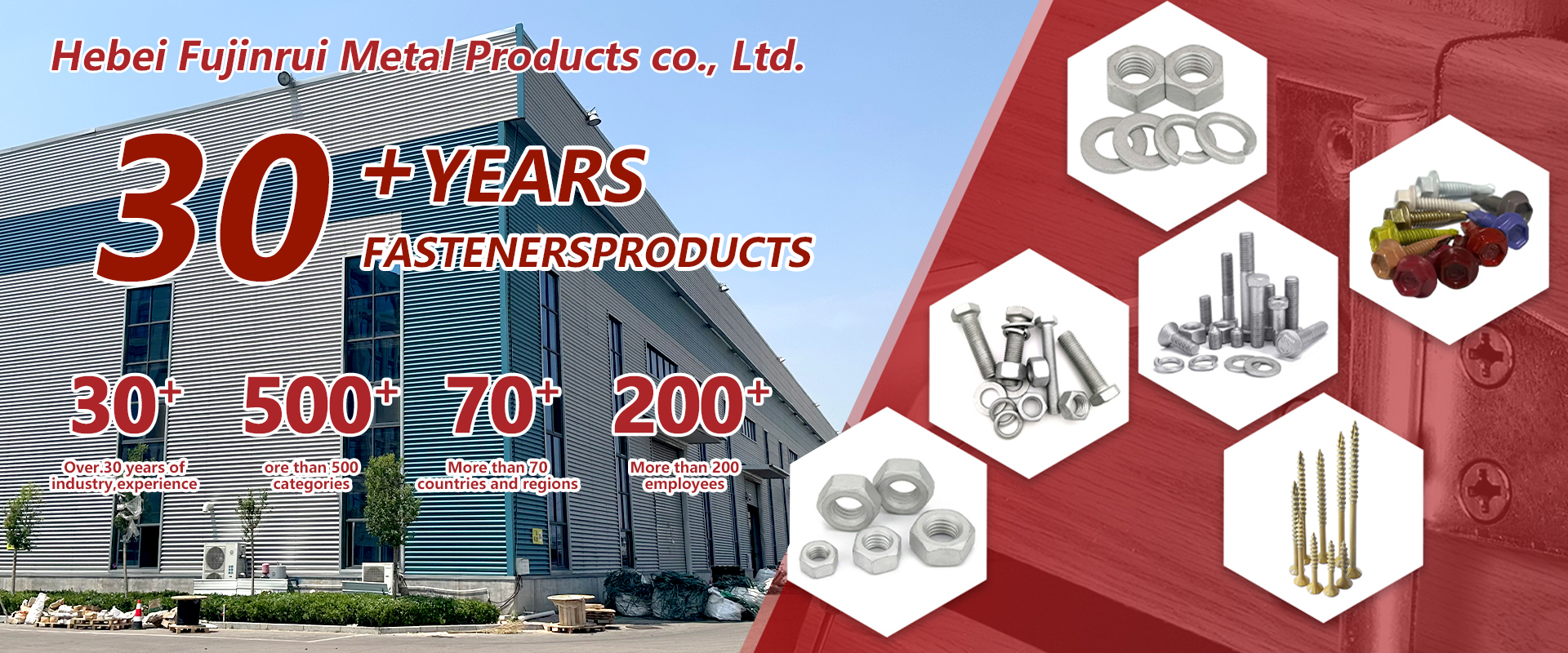
Hebei Fujinrui Metal Products Co., Ltd. operates a modern 10,000-square-meter production base equipped with these integrated capabilities. With over 200 professionals and a technical team boasting more than two decades of cumulative experience, the company ensures that every batch of fasteners meets international standards. Their rigorous quality management system governs every stage, from raw material inspection to final dimensional verification and salt spray testing. This level of oversight is essential for meeting the traceability and documentation requirements of US industrial projects.
Testing and Certification
Compliance with ASTM and SAE standards requires rigorous testing. Key tests include:
- Tensile Testing: Verifying that the bolt can withstand the minimum required load without breaking.
- Hardness Testing: Ensuring the material has been heat-treated correctly.
- Wedge Testing: Assessing the ductility and head strength of the bolt.
- Salt Spray Testing: Evaluating the corrosion resistance of the coating.
Manufacturers must provide Mill Test Reports (MTRs) or Certificates of Conformance (COCs) that document these test results. For critical applications, third-party inspection may also be required. Partnering with a supplier who maintains consistent stock and offers transparent documentation, such as Hebei Fujinrui, simplifies the procurement process and reduces project risk.
Strategic Sourcing for US Industrial Projects
Procuring fasteners for the US market involves more than just comparing unit prices. Total Cost of Ownership (TCO) considers factors such as installation efficiency, maintenance requirements, and failure risks. A cheaper bolt that fails prematurely or causes installation delays can be far more expensive than a premium, reliable alternative.
Evaluating Suppliers
When selecting a supplier for bolt usa requirements, consider the following criteria:
- Standards Compliance: Does the supplier have a proven track record of meeting ASTM, SAE, and DIN standards? Can they provide valid certification?
- Technical Expertise: Can the supplier offer guidance on material selection and coating options based on your specific application?
- Production Capacity: Can the supplier handle large volumes and meet tight deadlines? Vertical integration, as seen with Hebei Fujinrui, often leads to more reliable lead times.
- Quality Assurance: What testing protocols are in place? Is there a system for traceability?
- Customization: Can the supplier accommodate special packaging, labeling, or custom dimensions if needed?
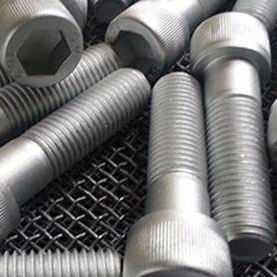
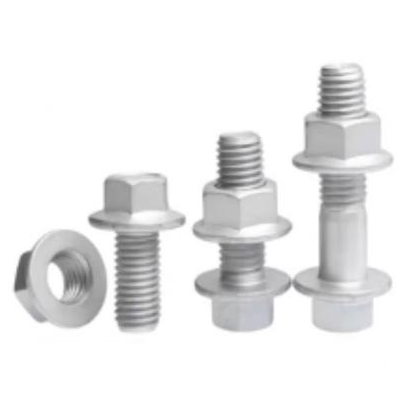
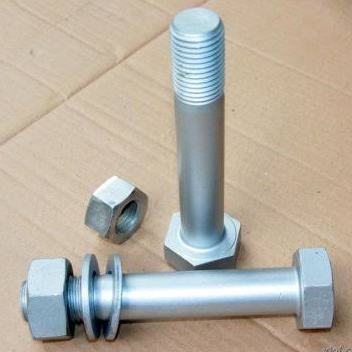
Hebei Fujinrui Metal Products Co., Ltd. positions itself as a reliable partner in this regard. Established in 2004, the company has built a reputation for sincerity and value, serving a broad international clientele including exports to North America. Their product portfolio encompasses a comprehensive range of engineered fastening solutions, including Outer Hexagon Bolts, Inner Hexagon Bolts, Self-drilling Screws, and Rigging Components. By offering application guidance and standardization consultation, they help customers optimize their fastener choices for performance and cost.
Common Challenges and Solutions in Bolt Application
Even with high-quality products, improper application can lead to failures. Understanding common pitfalls can help engineers and contractors avoid costly mistakes.
Hydrogen Embrittlement
High-strength steel bolts are susceptible to hydrogen embrittlement, a condition where hydrogen atoms diffuse into the metal, causing sudden brittle failure. This risk is heightened during electroplating. To mitigate this, manufacturers should use baking processes to remove hydrogen after plating or opt for hydrogen-embrittlement-free coatings like Dacromet. Hebei Fujinrui’s use of advanced corrosion protection technologies helps minimize this risk for their high-strength offerings.
Galling in Stainless Steel
Stainless steel bolts are prone to galling, where the threads seize and tear during tightening. Using lubricants specifically designed for stainless steel, reducing tightening speed, and ensuring proper thread alignment can prevent this issue.
Improper Torque
Under-torquing can lead to joint loosening due to vibration, while over-torquing can stretch or break the bolt. Using calibrated torque wrenches and following manufacturer recommendations for lubrication and torque values is essential. For structural bolts, turn-of-nut methods or direct tension indicators may be used to ensure proper preload.
FAQ: Frequently Asked Questions About US Bolt Standards
What is the difference between ASTM A325 and ASTM F3125?
ASTM F3125 is the newer overarching specification that covers high-strength structural bolts, including those previously covered by ASTM A325 and A490. While A325 is still commonly referred to in the industry, new projects may specify F3125 Grade A325. The technical requirements remain largely similar, but F3125 provides a more unified framework.
Can I use metric bolts in US industrial applications?
Yes, metric bolts are increasingly used in the US, especially in automotive and machinery sectors. However, for structural steel construction, Imperial (inch-based) bolts are still the norm. It is crucial to ensure that the nuts and holes match the bolt system. Mixing metric and imperial components can lead to fit issues and compromised joint integrity.
Why is Dacromet coating preferred for certain industrial applications?
Dacromet coating offers superior corrosion resistance compared to standard zinc plating, often lasting several times longer in salt spray tests. It is also free from hexavalent chromium, making it environmentally compliant. Additionally, it provides excellent resistance to hydrogen embrittlement, making it safe for high-strength bolts.
How does Hebei Fujinrui ensure quality for US exports?
Hebei Fujinrui Metal Products Co., Ltd. employs a rigorous quality management system that includes raw material inspection, in-process control, and final dimensional verification. Their products undergo salt spray testing to ensure coating durability. With over 20 years of experience and a dedicated technical team, they ensure compliance with international standards, including American specifications, providing reliable documentation and consistent product performance.
Conclusion
Selecting the right fasteners for US industrial applications is a multifaceted decision that impacts safety, durability, and project success. By understanding the nuances of ASTM and SAE standards, material properties, and corrosion protection technologies, engineers and procurement professionals can make informed choices. The shift towards high-performance coatings like Dacromet and the emphasis on vertical integration in manufacturing reflect the industry’s demand for reliability and compliance.
Partnering with experienced manufacturers who understand these requirements is key. Hebei Fujinrui Metal Products Co., Ltd. exemplifies this approach, combining deep domain expertise with advanced production capabilities to deliver high-performance fasteners. Their commitment to quality, transparency, and technical collaboration makes them a valuable resource for businesses seeking reliable fastening solutions for the global market. Whether for structural steel, machinery, or specialized industrial applications, prioritizing standards-compliant, high-quality bolts ensures long-term performance and peace of mind.