- Chinese
- French
- German
- Portuguese
- Spanish
- Russian
- Japanese
- Korean
- Arabic
- Irish
- Greek
- Turkish
- Italian
- Danish
- Romanian
- Indonesian
- Czech
- Afrikaans
- Swedish
- Polish
- Basque
- Catalan
- Esperanto
- Hindi
- Lao
- Albanian
- Amharic
- Armenian
- Azerbaijani
- Belarusian
- Bengali
- Bosnian
- Bulgarian
- Cebuano
- Chichewa
- Corsican
- Croatian
- Dutch
- Estonian
- Filipino
- Finnish
- Frisian
- Galician
- Georgian
- Gujarati
- Haitian
- Hausa
- Hawaiian
- Hebrew
- Hmong
- Hungarian
- Icelandic
- Igbo
- Javanese
- Kannada
- Kazakh
- Khmer
- Kurdish
- Kyrgyz
- Latin
- Latvian
- Lithuanian
- Luxembou..
- Macedonian
- Malagasy
- Malay
- Malayalam
- Maltese
- Maori
- Marathi
- Mongolian
- Burmese
- Nepali
- Norwegian
- Pashto
- Persian
- Punjabi
- Serbian
- Sesotho
- Sinhala
- Slovak
- Slovenian
- Somali
- Samoan
- Scots Gaelic
- Shona
- Sindhi
- Sundanese
- Swahili
- Tajik
- Tamil
- Telugu
- Thai
- Ukrainian
- Urdu
- Uzbek
- Vietnamese
- Welsh
- Xhosa
- Yiddish
- Yoruba
- Zulu
- Kinyarwanda
- Tatar
- Oriya
- Turkmen
- Uyghur

Wave Washer Manufacturer | Custom Spring Washers & Wholesale Supply
2026-10-19
- What Is a Wave Washer and How Does It Work?
- Wave Washer vs. Other Spring Washers: A Technical Comparison
- Key Applications of Custom Wave Washers
- Material Selection and Surface Treatments
- Why Choose Hebei Fujinrui as Your Wave Washer Manufacturer?
- How to Choose the Right Wave Washer for Your Application
- Manufacturing Process: Ensuring Precision and Consistency
- Frequently Asked Questions (FAQ)
- Conclusion: Secure Your Supply Chain with a Trusted Partner
A wave washer is a specialized spring washer characterized by its undulating, wavy shape. Unlike flat washers that distribute load, wave washers provide axial flexibility and compensate for dimensional variations in assemblies. They absorb shock, maintain preload under vibration, and seal gaps between mating surfaces. As a leading wave washer manufacturer, Hebei Fujinrui Metal Products Co., Ltd. delivers high-precision custom spring washers designed to meet rigorous industrial standards, ensuring reliability in automotive, electronics, and heavy machinery applications.
What Is a Wave Washer and How Does It Work?
A wave washer, often referred to as a crescent washer or waved spring washer, is a type of disc spring with a continuous wave pattern around its circumference. This unique geometry allows the washer to act as a flexible element within a bolted joint or mechanical assembly.
The Mechanical Principle of Wave Washers
The primary function of a wave washer is to provide a spring rate (load-deflection characteristic) rather than just static spacing. When compressed between two surfaces, the waves flatten slightly, generating a restoring force. This force serves several critical engineering purposes:
- Compensating for Tolerances: In mass production, component heights vary. Wave washers absorb these minor discrepancies, ensuring consistent clamp load without over-stressing bolts.
- Vibration Damping: The elastic nature of the wave profile absorbs kinetic energy from vibrations, preventing loosening of fasteners in dynamic environments.
- Thermal Expansion Management: Materials expand and contract with temperature changes. Wave washers accommodate these shifts, maintaining seal integrity in heat-exchange systems or outdoor equipment.
At Hebei Fujinrui Metal Products Co., Ltd., our engineering team leverages over 20 years of experience in the fastener industry to optimize the wave height and pitch. This ensures that each washer delivers the precise spring rate required for your specific application, whether it involves delicate electronics or heavy-duty industrial machinery.
Wave Washer vs. Other Spring Washers: A Technical Comparison
Selecting the right spring washer is crucial for assembly integrity. While wave washers are versatile, they differ significantly from other common types like Belleville washers, split lock washers, and finger washers. Understanding these differences helps engineers make informed procurement decisions.
| Feature | Wave Washer | Belleville (Conical) Washer | Split Lock Washer | Finger Washer |
|---|---|---|---|---|
| Shape | Continuous wave pattern | Conical disc with a slit | Helical split ring | Raised radial fingers |
| Primary Function | Gap compensation & light spring load | High load capacity & thermal compensation | Friction-based locking (limited effectiveness) | Electrical grounding & high deflection |
| Load Capacity | Low to Medium | Very High | Low | Medium |
| Deflection Range | Moderate | Low | High | Very High |
| Best Application | Electronics, bearings, general assembly | Heavy machinery, high-temp flanges | General purpose (non-critical) | Grounding straps, large tolerance gaps |
For applications requiring a balance between space constraints and moderate spring force, the wave washer is often the superior choice. Its low profile allows it to fit into tight assemblies where a Belleville washer might be too tall, while providing more consistent performance than a split lock washer.
Key Applications of Custom Wave Washers
Wave washers are ubiquitous across various industries due to their ability to solve complex mechanical challenges. At Hebei Fujinrui Metal Products Co., Ltd., we supply wave washers to diverse sectors, including Europe, America, and the Middle East. Here are the most common use cases:
1. Automotive Industry
In automotive assemblies, vibration is constant. Wave washers are used in:
- Bearing Preload: Maintaining proper tension in wheel hubs and transmission bearings to prevent noise and wear.
- Brake Systems: Compensating for thermal expansion in brake calipers and pads.
- Engine Components: Securing sensors and small brackets where vibration resistance is critical.
2. Electronics and Electrical Equipment
Wave washers play a vital role in electrical connectivity and protection:
- Grounding Connections: Ensuring a tight, conductive contact between chassis and ground wires, even if surface finishes are uneven.
- PCB Mounting: Providing stress relief for screws mounting printed circuit boards, preventing board warping.
- Switch Mechanisms: Acting as contact springs in relays and switches.
3. Industrial Machinery and Manufacturing
Heavy equipment demands robust fastening solutions:
- Pump and Valve Assemblies: Maintaining seal pressure in fluid systems despite pressure fluctuations.
- Motor Mounts: Absorbing operational vibrations to protect housing structures.
- Fastener Retention: Preventing nuts and bolts from backing out in high-vibration environments like conveyor systems.
Material Selection and Surface Treatments
The performance of a wave washer is heavily dependent on the material used and the surface treatment applied. As an enterprise integrating fastener product production and metal surface corrosion protection, Hebei Fujinrui Metal Products Co., Ltd. offers a wide range of options to suit environmental conditions.
Common Materials
- Carbon Steel (SAE 1060-1090): The most common material, offering high tensile strength and elasticity. Ideal for general industrial use.
- Stainless Steel (304/316): Provides excellent corrosion resistance. Essential for marine, chemical, and food processing applications.
- Phosphor Bronze: Known for its conductivity and non-magnetic properties. Used extensively in electrical grounding and explosive environments.
- Beryllium Copper: Offers high conductivity and fatigue resistance, suitable for high-performance electrical contacts.
Surface Corrosion Protection
Given our expertise in metal surface corrosion protection, we ensure that every washer meets durability standards. Common treatments include:
- Zinc Plating: Cost-effective protection against rust for indoor applications.
- Hot-Dip Galvanizing: Thick coating for outdoor and harsh environmental exposure.
- Black Oxide: Provides mild corrosion resistance and reduces light reflection, often used in military and aesthetic applications.
- Dacromet/Geomet: High-performance coatings offering superior salt-spray resistance, compliant with modern automotive standards.
Why Choose Hebei Fujinrui as Your Wave Washer Manufacturer?
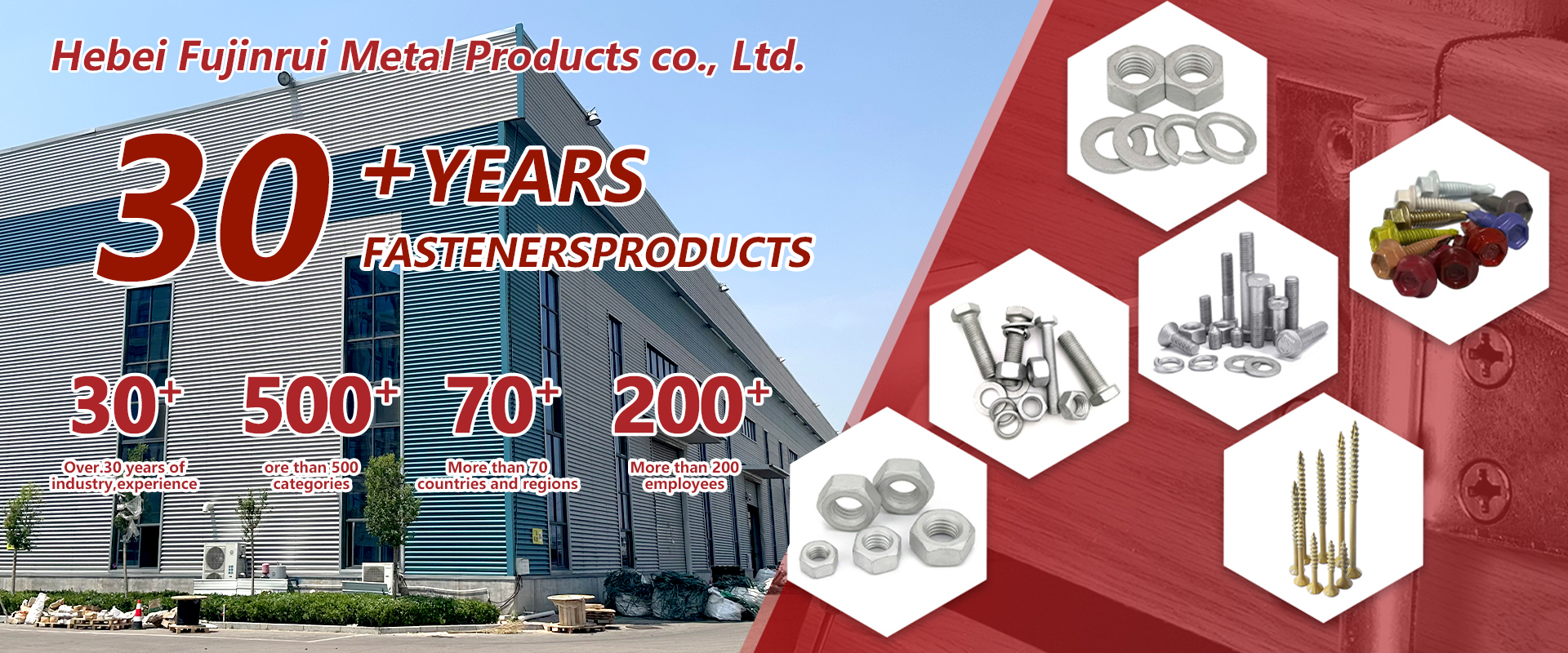
Established in 2004 and located in Handan City, Hebei Province, Hebei Fujinrui Metal Products Co., Ltd. has grown into a trusted partner for global buyers. Our facility covers 10,000 square meters and employs more than 200 skilled professionals. We are not just a supplier; we are a manufacturing partner with deep technical roots.
20+ Years of Industry Expertise
With more than two decades of experience in the fastener industry, we understand the nuances of spring washer production. Our mature production technology team ensures that every wave washer meets strict dimensional tolerances. Whether you require American standards (ANSI), German standards (DIN), or national standards (GB), we have the capability to produce them all year round.
Integrated Production and Quality Control
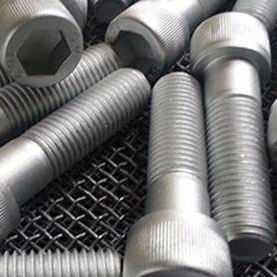
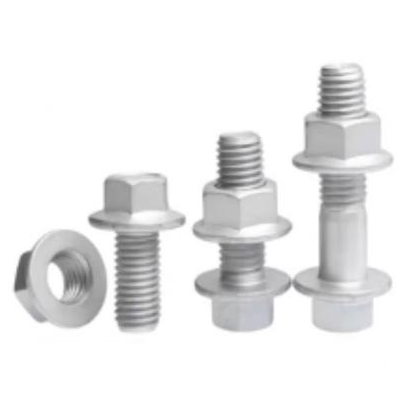
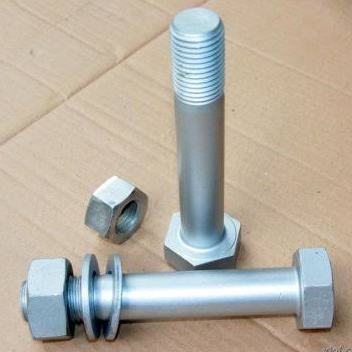
Our enterprise integrates fastener product production with advanced metal surface corrosion protection. This vertical integration allows us to control quality at every stage, from raw material selection to final packaging. We produce a comprehensive range of products, including Self Drilling Screws, hexagonal bolts and nuts, flange bolts and nuts, and various types of flat and spring washers.
Global Export Capability
We export our high-quality products to Europe, America, the Middle East, and other regions. Our logistics team is experienced in handling international shipping requirements, ensuring timely delivery. With competitive pricing and a commitment to quality, we are confident in being your best choice for wholesale wave washer supply.
How to Choose the Right Wave Washer for Your Application
Selecting the correct wave washer involves analyzing several key parameters. Making the wrong choice can lead to assembly failure, loose fasteners, or damaged components.
1. Determine the Load Requirements
Calculate the required spring load. Wave washers provide a relatively low load compared to Belleville washers. If your application requires high clamp forces, consider stacking multiple wave washers or switching to a conical spring washer. For light to medium loads, a single wave washer is efficient and cost-effective.
2. Assess Space Constraints
Measure the available axial space. Wave washers are thin and ideal for tight spaces. Ensure the outer diameter (OD) and inner diameter (ID) fit within the assembly’s clearance holes. Hebei Fujinrui offers custom sizing to fit non-standard dimensions.
3. Consider Environmental Factors
Evaluate the operating environment. Will the washer be exposed to moisture, chemicals, or extreme temperatures?
- For corrosive environments, choose Stainless Steel 316 with appropriate passivation.
- For high-temperature applications, ensure the material retains its elasticity at operating temps.
- For electrical applications, select conductive materials like Phosphor Bronze.
4. Evaluate Dynamic vs. Static Loads
If the assembly is subject to continuous vibration or cyclic loading, fatigue resistance is critical. High-carbon steel heat-treated properly offers good fatigue life. For extreme cyclic applications, consult our engineering team for material recommendations that maximize cycle life.
Manufacturing Process: Ensuring Precision and Consistency
Understanding how wave washers are made highlights the importance of choosing an experienced manufacturer. At Hebei Fujinrui, our process is refined for precision.
Step 1: Material Slitting and Blanking
High-quality coil steel is slit to the exact width required. Blanking presses cut the discs to the specified outer and inner diameters with minimal burrs, ensuring smooth edges that do not damage mating surfaces.
Step 2: Wave Forming
This is the critical step. Using precision die sets, the flat discs are formed into their wave pattern. The number of waves and the wave height are strictly controlled. Inconsistent forming leads to uneven load distribution. Our mature technology team monitors this process continuously to maintain uniformity.
Step 3: Heat Treatment
For carbon steel washers, heat treatment (hardening and tempering) is essential to achieve the desired spring properties. This process enhances elasticity and prevents permanent deformation under load. We adhere to strict hardness specifications to ensure performance reliability.
Step 4: Surface Treatment and Quality Inspection
Washers undergo cleaning and surface treatment (plating or coating) for corrosion protection. Finally, every batch undergoes rigorous quality inspection, checking dimensions, hardness, and load-deflection characteristics. Only products meeting our high standards are approved for shipment.
Frequently Asked Questions (FAQ)
What is the difference between a wave washer and a lock washer?
A wave washer primarily provides spring tension and gap compensation, whereas a traditional split lock washer relies on friction and biting edges to prevent loosening. Wave washers are generally more effective in maintaining preload in vibrating environments without damaging the bolted surface.
Can wave washers be reused?
It is generally not recommended to reuse wave washers, especially in critical applications. Once compressed, they may lose some of their elastic recovery capability (set). Reusing them can result in insufficient clamp load. For non-critical, low-load applications, reuse might be acceptable if the washer shows no signs of deformation.
Do you offer custom wave washers?
Yes, Hebei Fujinrui Metal Products Co., Ltd. specializes in custom spring washers. We can manufacture wave washers to specific dimensions, materials, and wave patterns based on your technical drawings or samples. Contact us to discuss your custom requirements.
What standards do your wave washers comply with?
We produce wave washers complying with various international standards, including DIN 6798 (German standard), ANSI B18.21.1 (American standard), and GB (Chinese national standard). We can also manufacture to proprietary specifications.
How does wave height affect performance?
Wave height directly influences the spring rate and load capacity. A higher wave height generally provides greater deflection range but may reduce the maximum load capacity before flattening. Precise control of wave height is essential for achieving the desired mechanical performance.
Conclusion: Secure Your Supply Chain with a Trusted Partner
Wave washers are small components with a massive impact on the reliability and longevity of mechanical assemblies. Whether you need standard sizes for general maintenance or custom-engineered solutions for specialized machinery, the quality of your washer matters.
Hebei Fujinrui Metal Products Co., Ltd. brings over 20 years of expertise, a 10,000-square-meter production facility, and a commitment to high-quality metal surface corrosion protection. We serve clients across Europe, America, and the Middle East, delivering products that meet stringent international standards.
Ready to optimize your assembly?
Don’t let poor-quality fasteners compromise your product’s integrity. Partner with a manufacturer that understands the science of spring washers. Contact Hebei Fujinrui today for a quote on our wholesale wave washers, custom spring solutions, or comprehensive fastener packages.