- Chinese
- French
- German
- Portuguese
- Spanish
- Russian
- Japanese
- Korean
- Arabic
- Irish
- Greek
- Turkish
- Italian
- Danish
- Romanian
- Indonesian
- Czech
- Afrikaans
- Swedish
- Polish
- Basque
- Catalan
- Esperanto
- Hindi
- Lao
- Albanian
- Amharic
- Armenian
- Azerbaijani
- Belarusian
- Bengali
- Bosnian
- Bulgarian
- Cebuano
- Chichewa
- Corsican
- Croatian
- Dutch
- Estonian
- Filipino
- Finnish
- Frisian
- Galician
- Georgian
- Gujarati
- Haitian
- Hausa
- Hawaiian
- Hebrew
- Hmong
- Hungarian
- Icelandic
- Igbo
- Javanese
- Kannada
- Kazakh
- Khmer
- Kurdish
- Kyrgyz
- Latin
- Latvian
- Lithuanian
- Luxembou..
- Macedonian
- Malagasy
- Malay
- Malayalam
- Maltese
- Maori
- Marathi
- Mongolian
- Burmese
- Nepali
- Norwegian
- Pashto
- Persian
- Punjabi
- Serbian
- Sesotho
- Sinhala
- Slovak
- Slovenian
- Somali
- Samoan
- Scots Gaelic
- Shona
- Sindhi
- Sundanese
- Swahili
- Tajik
- Tamil
- Telugu
- Thai
- Ukrainian
- Urdu
- Uzbek
- Vietnamese
- Welsh
- Xhosa
- Yiddish
- Yoruba
- Zulu
- Kinyarwanda
- Tatar
- Oriya
- Turkmen
- Uyghur

How to Source High-Quality Bolt Autorent: A 2026 Procurement Guide for Industrial Buyers
2026-10-31
- Understanding the Modern Fastener Procurement Landscape in 2026
- Key Criteria for Evaluating Fastener Manufacturers
- Technical Specifications and Material Standards
- Corrosion Protection: Choosing the Right Surface Treatment
- Product Portfolio Diversity for Industrial Applications
- Supply Chain Reliability and Order Fulfillment
- Case Study: Partnering with a Vertically Integrated Manufacturer
- Common Pitfalls in Fastener Sourcing and How to Avoid Them
- FAQ: Sourcing High-Quality Bolts and Fasteners
- Conclusion: Building a Resilient Supply Chain for 2026 and Beyond
Summary Sourcing high-quality fasteners in 2026 requires a strategic approach to supplier verification, material certification, and corrosion protection standards. This guide outlines the essential steps for industrial buyers to evaluate manufacturers, interpret technical specifications like Dacromet and 1500H coatings, and ensure compliance with international standards such as DIN and ASTM. By focusing on vertically integrated production capabilities and rigorous quality control, procurement professionals can secure reliable supply chains for critical infrastructure and construction projects.
Understanding the Modern Fastener Procurement Landscape in 2026
The global industrial sector in 2026 faces heightened demands for durability, sustainability, and supply chain resilience. For procurement managers and engineering teams, sourcing bolts and fasteners is no longer just about finding the lowest unit price. It is about mitigating risk, ensuring structural integrity, and maintaining project timelines. The term bolt autorent, often used in specific industrial contexts or regional supply chains, refers to the automated or streamlined procurement and rental-like availability models for high-volume fastener solutions, emphasizing the need for consistent stock and rapid fulfillment. Whether you are sourcing for large-scale infrastructure, roofing systems, or mechanical assemblies, the criteria for selecting a supplier have evolved.
In this environment, buyers must look beyond basic product catalogs. They need partners who offer technical transparency, verified manufacturing capabilities, and advanced surface treatment technologies. The integration of digital supply chain tools has made it easier to track orders, but it has also raised the bar for accuracy. A single batch of substandard fasteners can lead to costly delays, safety hazards, and reputational damage. Therefore, a comprehensive procurement strategy must include deep due diligence on manufacturer expertise, production verticalization, and quality assurance protocols.
Key Criteria for Evaluating Fastener Manufacturers
When assessing potential suppliers, industrial buyers should prioritize manufacturers that demonstrate deep domain expertise and operational transparency. The ability to produce consistent, high-performance fasteners depends on several core factors.
Vertical Integration and Production Capabilities
A vertically integrated manufacturer controls every stage of the production process, from raw material selection to final coating and packaging. This level of control is critical for maintaining quality consistency. Key production stages to evaluate include:
- Cold Forging: Precision cold forging ensures the structural integrity of the bolt head and shank, reducing the risk of cracking under stress.
- Thread Rolling: High-precision thread rolling creates stronger threads compared to cutting, enhancing the load-bearing capacity of the fastener.
- Heat Treatment: Proper heat treatment adjusts the hardness and tensile strength of the steel, ensuring it meets specific grade requirements such as Grade 8.8 or 10.9.
- Surface Coating: Advanced coating lines apply corrosion-resistant layers such as Dacromet or zinc flake coatings, which are essential for longevity in harsh environments.
Manufacturers with in-house capabilities for these processes can respond more quickly to custom orders and maintain tighter quality control than those who outsource key steps. For example, a facility equipped with precision cold forging and thread rolling lines can ensure that every bolt meets exact dimensional tolerances, reducing the likelihood of assembly issues on-site.
Quality Management Systems and Certifications
A robust quality management system (QMS) is non-negotiable for industrial suppliers. Buyers should verify that the manufacturer adheres to international standards such as ISO 9001. Beyond certification, inquire about the specific testing protocols implemented at each stage of production. These should include:
- Raw Material Inspection: Verifying the chemical composition and mechanical properties of incoming steel coils or rods.
- In-Process Control: Regular dimensional checks during forging and threading to catch deviations early.
- Final Dimensional Verification: Ensuring every batch meets specified length, diameter, and thread pitch requirements.
- Salt Spray Testing: Conducting standardized salt spray tests to validate the corrosion resistance of coated products.
Traceability is another critical aspect. A reliable supplier should be able to provide batch-specific test reports and certificates of conformity, allowing buyers to trace any issue back to its source. This level of transparency builds trust and facilitates smoother audits for large projects.
Technical Specifications and Material Standards
Understanding technical specifications is vital for selecting the right fasteners for your application. Industrial buyers must be familiar with international standards and material grades to ensure compatibility and performance.
International Standards Compliance
Fasteners must comply with relevant national and international standards to ensure interoperability and safety. Common standards include:
| Standard | Region/Origin | Key Application |
|---|---|---|
| DIN 931/933 | Germany/Europe | Hexagon head bolts for general structural use |
| ASTM A325/A490 | USA | High-strength structural bolts for steel construction |
| GB/T 5782/5783 | China | General purpose hexagon bolts |
| ISO 4014/4017 | International | Hexagon head bolts with coarse pitch thread |
When sourcing, specify the exact standard required for your project. For instance, if you are working on a European infrastructure project, DIN standards may be mandatory. Conversely, US-based projects often require ASTM compliance. A versatile manufacturer like Hebei Fujinrui Metal Products Co., Ltd. maintains stock and production capabilities for American, German, and Chinese national specifications, offering flexibility for global buyers.
Material Grades and Strength Classes
The material grade determines the tensile strength and yield strength of the fastener. Common carbon steel grades include 4.8, 8.8, 10.9, and 12.9. Higher grades offer greater strength but may require specific heat treatment processes to avoid brittleness. For corrosive environments, stainless steel grades such as 304 and 316 are preferred. Understanding these distinctions helps buyers avoid over-specifying (which increases cost) or under-specifying (which compromises safety).
Corrosion Protection: Choosing the Right Surface Treatment
Corrosion is the primary enemy of metal fasteners, especially in outdoor, marine, or chemical exposure scenarios. Selecting the appropriate surface treatment is crucial for extending service life and reducing maintenance costs.
Dacromet and Zinc Flake Coatings
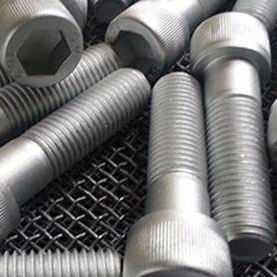
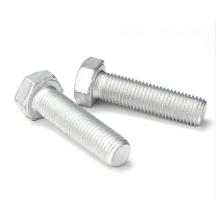
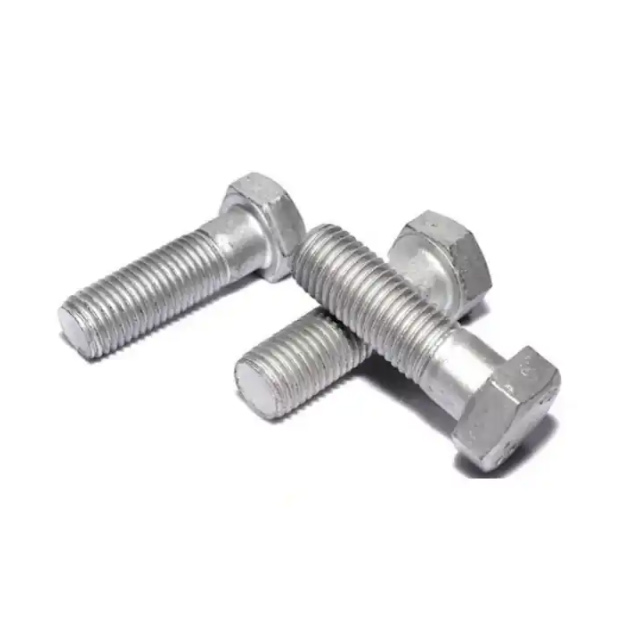
Dacromet is a widely recognized zinc flake coating that provides excellent corrosion resistance and uniform thickness. It is particularly effective for high-strength bolts because it does not cause hydrogen embrittlement, a common issue with electroplating. Dacromet-coated bolts, such as the DIN931 Dacromet Hex Bolts offered by specialized manufacturers, are ideal for applications requiring long-term durability without sacrificing mechanical properties.
1500H Anti-Corrosion Treatments
For extreme environments, advanced treatments like the 1500H-rated anti-corrosion coating offer superior protection. This rating typically refers to the number of hours a coated fastener can withstand salt spray testing without showing signs of red rust. A 1500H rating indicates a high level of protection, suitable for coastal structures, chemical plants, and other aggressive environments. When evaluating suppliers, ask for test data supporting their corrosion resistance claims. Manufacturers with in-house coating lines, such as those applying 1500H treatments, can ensure consistent application quality and adherence to performance benchmarks.
EPDM Washers and Sealing Solutions
In roofing and cladding applications, water tightness is as important as structural strength. Self-drilling screws with EPDM (Ethylene Propylene Diene Monomer) washers provide a reliable seal against moisture ingress. The EPDM washer compresses under the screw head, creating a watertight barrier that prevents leaks. Ensure that the washer material is compatible with the substrate and resistant to UV degradation, especially for outdoor installations.
Product Portfolio Diversity for Industrial Applications
A comprehensive product portfolio allows buyers to consolidate suppliers and streamline procurement. Look for manufacturers who offer a wide range of fastening solutions, including:
- Self-Drilling Screws: Ideal for attaching metal sheets to steel structures without pre-drilling.
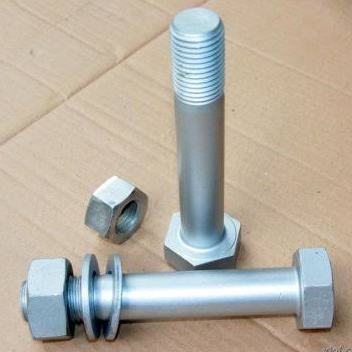
- Hexagon Bolts and Nuts: Standard components for structural connections and machinery assembly.
- Self-Tapping Screws: Used for joining thin materials or creating threads in softer substrates.
- Rigging Components: Essential for lifting and securing heavy loads in construction and logistics.
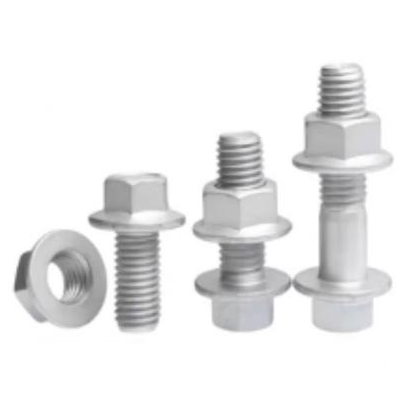
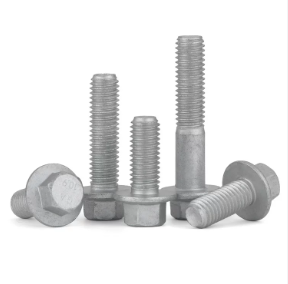
For example, a manufacturer offering both High Strength Flange External Hexagon Bolts and Hexagon Flange Self-tapping Screws can serve diverse needs within a single construction project. This diversity reduces logistical complexity and ensures consistent quality across different fastener types. Additionally, specialized products like Nylon Head External Hexagonal Drill Thread Screws provide insulation and aesthetic benefits for specific architectural applications.
Supply Chain Reliability and Order Fulfillment
In 2026, supply chain disruptions remain a significant concern for industrial buyers. Evaluating a supplier’s ability to deliver on time and in full is critical.
Stock Availability and Lead Times
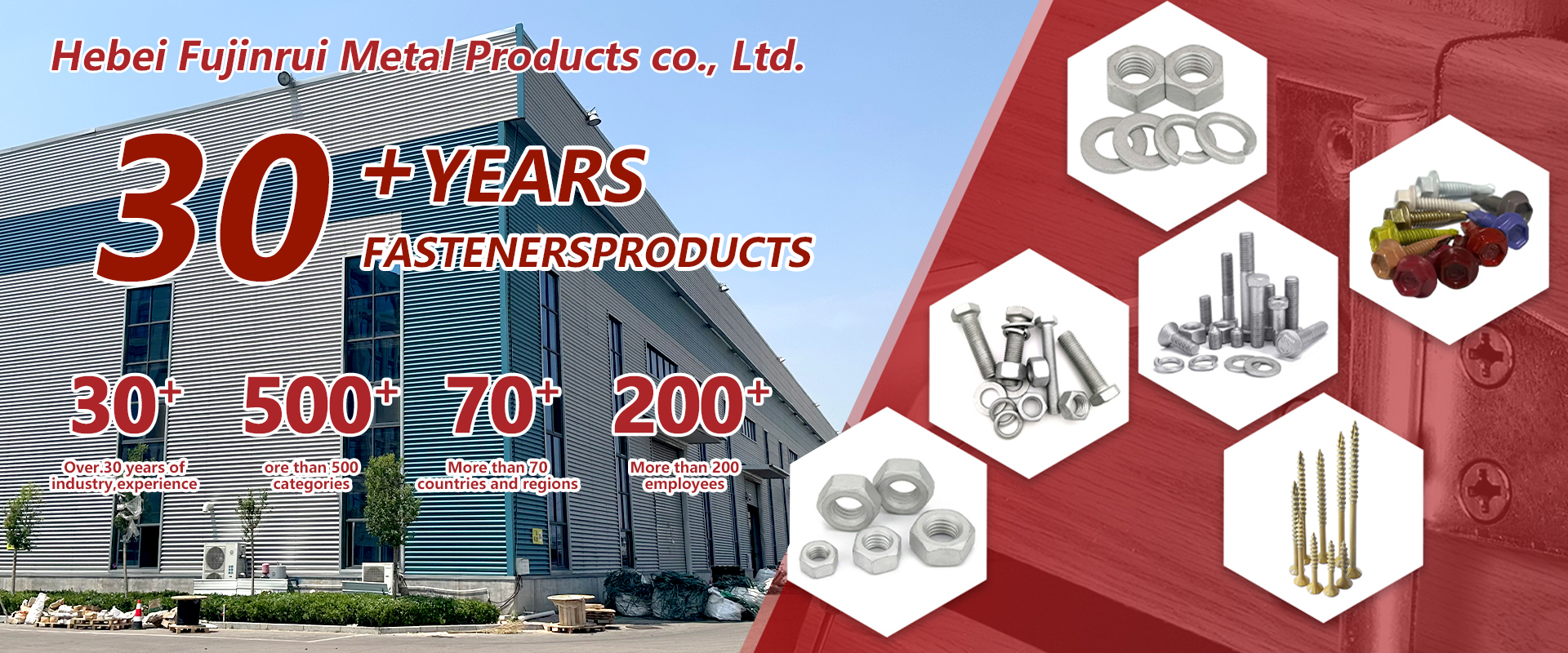
Manufacturers with consistent stock levels for standard items can fulfill urgent orders quickly. Ask potential suppliers about their inventory management practices and typical lead times for custom orders. A company with a modern production base and stable capacity, such as one spanning 10,000 square meters with over 200 professionals, is better positioned to handle large volumes and meet tight deadlines. Year-round availability of key products ensures that projects are not delayed due to material shortages.
Customization and Packaging
Custom packaging can streamline onsite assembly and reduce waste. Some manufacturers offer customized packaging solutions, such as box counts tailored to specific installation rates or labeled batches for easy identification. This level of service adds value beyond the product itself, improving efficiency for contractors and installers. Additionally, technical collaboration during the design phase can help optimize fastener selection, reducing overall project costs.
Case Study: Partnering with a Vertically Integrated Manufacturer
To illustrate the benefits of choosing a capable partner, consider the profile of Hebei Fujinrui Metal Products Co., Ltd. Established in 2004 and headquartered in Handan City, Hebei Province, this company exemplifies the traits of a reliable B2B supplier. With over two decades of cumulative experience, their technical team provides deep insights into fastener engineering and surface treatment.
Their vertically integrated facility includes precision cold forging, thread rolling, heat treatment, and surface coating lines. This integration allows them to produce a diverse range of products, from High Rust Resistance DIN931 Dacromet Hex Bolts to 1500H Corrosion-Resistant Coated Hexagon Self-Drilling Tapping Screws. By controlling the entire production process, they ensure consistent quality and traceability. Their rigorous quality management system, encompassing raw material inspection to final salt spray testing, guarantees compliance with international standards.
Furthermore, their commitment to customer support, including application guidance and standardization consultation, helps buyers make informed decisions. Serving clients in Europe, North America, and the Middle East, they have demonstrated the ability to meet diverse market requirements. For industrial buyers seeking a partner who combines technical expertise with reliable delivery, such a manufacturer offers a compelling value proposition.
Common Pitfalls in Fastener Sourcing and How to Avoid Them
Even experienced buyers can encounter challenges when sourcing fasteners. Being aware of common pitfalls can help avoid costly mistakes.
Ignoring Hydrogen Embrittlement Risks
High-strength bolts are susceptible to hydrogen embrittlement, especially if electroplated incorrectly. This can lead to sudden, catastrophic failure under load. To avoid this, specify coatings like Dacromet or mechanical galvanizing for high-strength applications, and ensure the manufacturer follows strict baking procedures to remove hydrogen.
Overlooking Thread Compatibility
Mismatched threads between bolts and nuts can cause assembly difficulties and reduce joint integrity. Always verify that threaded components are manufactured to the same standard and tolerance class. Using components from the same supplier minimizes this risk.
Neglecting Environmental Factors
Choosing a standard zinc coating for a marine environment will result in rapid corrosion. Always assess the environmental conditions of the installation site and select a coating with an appropriate salt spray rating, such as 1500H for harsh conditions.
FAQ: Sourcing High-Quality Bolts and Fasteners
What is the difference between self-drilling and self-tapping screws?
Self-drilling screws have a drill point that allows them to penetrate metal without pre-drilling, while self-tapping screws require a pilot hole and create their own threads as they are driven in. Self-drilling screws are faster to install in thick metal applications.
Why is Dacromet coating preferred for high-strength bolts?
Dacromet coating provides excellent corrosion resistance without causing hydrogen embrittlement, a common issue with electroplating. It also offers uniform thickness and good adhesion, making it ideal for high-strength applications where structural integrity is critical.
How can I verify the quality of a fastener supplier?
Request certificates of conformity, test reports for material composition and mechanical properties, and evidence of quality management systems such as ISO 9001. Visiting the factory or requesting virtual tours can also provide insights into their production capabilities and quality control processes.
What does a 1500H corrosion resistance rating mean?
A 1500H rating indicates that the coated fastener can withstand 1500 hours of salt spray testing without showing signs of red rust. This level of protection is suitable for highly corrosive environments, such as coastal areas or chemical processing plants.
Conclusion: Building a Resilient Supply Chain for 2026 and Beyond
Sourcing high-quality fasteners in 2026 requires a balanced approach that considers technical specifications, supplier capabilities, and supply chain reliability. By prioritizing vertically integrated manufacturers with proven expertise in surface treatment and quality control, industrial buyers can mitigate risks and ensure project success. Understanding the nuances of corrosion protection, material grades, and international standards empowers procurement professionals to make informed decisions.
Partnerships with established manufacturers like Hebei Fujinrui Metal Products Co., Ltd. offer the added benefit of technical collaboration and consistent product availability. As the industry continues to evolve, focusing on long-term relationships with reliable suppliers will be key to navigating challenges and achieving sustainable growth. For further information on specialized fastening solutions and corrosion protection technologies, explore our comprehensive product range and technical resources.