- Chinese
- French
- German
- Portuguese
- Spanish
- Russian
- Japanese
- Korean
- Arabic
- Irish
- Greek
- Turkish
- Italian
- Danish
- Romanian
- Indonesian
- Czech
- Afrikaans
- Swedish
- Polish
- Basque
- Catalan
- Esperanto
- Hindi
- Lao
- Albanian
- Amharic
- Armenian
- Azerbaijani
- Belarusian
- Bengali
- Bosnian
- Bulgarian
- Cebuano
- Chichewa
- Corsican
- Croatian
- Dutch
- Estonian
- Filipino
- Finnish
- Frisian
- Galician
- Georgian
- Gujarati
- Haitian
- Hausa
- Hawaiian
- Hebrew
- Hmong
- Hungarian
- Icelandic
- Igbo
- Javanese
- Kannada
- Kazakh
- Khmer
- Kurdish
- Kyrgyz
- Latin
- Latvian
- Lithuanian
- Luxembou..
- Macedonian
- Malagasy
- Malay
- Malayalam
- Maltese
- Maori
- Marathi
- Mongolian
- Burmese
- Nepali
- Norwegian
- Pashto
- Persian
- Punjabi
- Serbian
- Sesotho
- Sinhala
- Slovak
- Slovenian
- Somali
- Samoan
- Scots Gaelic
- Shona
- Sindhi
- Sundanese
- Swahili
- Tajik
- Tamil
- Telugu
- Thai
- Ukrainian
- Urdu
- Uzbek
- Vietnamese
- Welsh
- Xhosa
- Yiddish
- Yoruba
- Zulu
- Kinyarwanda
- Tatar
- Oriya
- Turkmen
- Uyghur

High-Quality Bolt Kontakt: Manufacturing Standards and Performance Analysis
2026-10-28
- Understanding the Critical Role of High-Quality Bolt Connections
- Manufacturing Standards and Compliance
- Material Selection and Metallurgical Properties
- Advanced Surface Treatments for Corrosion Protection
- Performance Analysis: Load, Vibration, and Fatigue
- Integration of Manufacturing Expertise: A Case Study
- Selecting the Right Supplier for Your Project
- FAQ: Common Questions About Bolt Connections
- Conclusion
Summary This article provides a comprehensive analysis of high-quality bolt connections, focusing on manufacturing standards, material selection, and performance metrics. It explores the critical role of precision engineering and advanced surface treatments, such as Dacromet and 1500H anti-corrosion coatings, in ensuring structural integrity. By examining international standards like DIN and ISO, and integrating insights from experienced manufacturers like Hebei Fujinrui Metal Products Co., Ltd., the content offers valuable guidance for engineers and procurement professionals seeking reliable fastening solutions for demanding industrial and construction applications.
Understanding the Critical Role of High-Quality Bolt Connections
In the realm of structural engineering and industrial assembly, the integrity of a structure often hinges on its smallest components. A bolt kontakt, or bolt connection, is far more than a simple mechanical joinery; it is a critical interface that transfers loads, resists vibration, and maintains the stability of complex systems. Whether in heavy machinery, bridge construction, or renewable energy infrastructure, the quality of these connections determines the safety, longevity, and performance of the entire assembly.
The term “bolt kontakt” emphasizes the interaction between the fastener and the joined materials. A high-quality connection ensures uniform load distribution, minimizes stress concentrations, and prevents premature failure due to fatigue or corrosion. As industries push towards lighter, stronger, and more durable designs, the demand for precision-engineered fasteners has never been higher. This article delves into the manufacturing standards, material science, and performance analysis that define superior bolt connections, providing a roadmap for selecting the right fastening solutions for critical applications.
The Engineering Behind Reliable Fastening
A reliable bolt connection relies on three fundamental principles: proper preload, accurate thread engagement, and compatible material properties. Preload, the tension created in the bolt when tightened, is essential for keeping the joint clamped together under external loads. If the preload is insufficient, the joint may slip, leading to fretting corrosion and eventual fatigue failure. Conversely, excessive preload can cause the bolt to yield or strip the threads.
Thread engagement is equally critical. The depth and quality of the threads determine the shear strength of the connection. International standards specify minimum engagement lengths to ensure that the bolt fails in tension rather than by thread stripping, which is a more predictable and safer mode of failure. Furthermore, the compatibility of materials between the bolt, nut, and substrate prevents galvanic corrosion, a common issue in mixed-metal assemblies exposed to harsh environments.
Manufacturing Standards and Compliance
The production of high-performance fasteners is governed by rigorous international standards that ensure consistency, reliability, and interoperability. Understanding these standards is essential for engineers and procurement specialists who need to verify that a bolt kontakt meets the specific requirements of their project.
Key International Standards: DIN, ISO, and ASTM
Different regions and industries adhere to specific standardization bodies. In Europe, the Deutsches Institut für Normung (DIN) standards are widely recognized for their precision and strict quality controls. For instance, DIN 931 specifies the dimensions and technical requirements for hexagon head bolts with shanks, a common component in structural steelwork. Similarly, ISO (International Organization for Standardization) provides globally accepted benchmarks, facilitating international trade and collaboration.
In North America, ASTM (American Society for Testing and Materials) standards dominate, particularly in construction and infrastructure projects. ASTM A325 and A490, for example, define the requirements for high-strength structural bolts. Compliance with these standards ensures that fasteners possess the necessary tensile strength, yield strength, and hardness for their intended applications. Manufacturers like Hebei Fujinrui Metal Products Co., Ltd. maintain strict adherence to these diverse standards, offering products that comply with American, German, and Chinese national specifications, thereby serving a global clientele with confidence.
The Importance of Certification and Traceability
Beyond dimensional compliance, certification plays a pivotal role in quality assurance. Certified fasteners come with mill test reports that document the chemical composition and mechanical properties of the material batch. This traceability is crucial for critical applications where failure could have catastrophic consequences. A robust quality management system governs every stage of production, from raw material inspection to final dimensional verification and salt spray testing. This ensures that each bolt not only meets but exceeds functional performance requirements, providing peace of mind to engineers and project managers.
Material Selection and Metallurgical Properties
The performance of a bolt connection is intrinsically linked to the material from which it is made. Selecting the right material involves balancing strength, ductility, corrosion resistance, and cost. Common materials include carbon steel, alloy steel, and stainless steel, each offering distinct advantages depending on the application environment.
Carbon Steel vs. Stainless Steel
Carbon steel is the most widely used material for general-purpose fasteners due to its high strength-to-cost ratio. Grades such as 8.8, 10.9, and 12.9 indicate increasing levels of tensile strength, making them suitable for heavy-duty structural applications. However, carbon steel is susceptible to corrosion unless protected by surface treatments. On the other hand, stainless steel, particularly grades 304 and 316, offers excellent corrosion resistance, making it ideal for marine environments, chemical processing plants, and outdoor structures exposed to the elements.
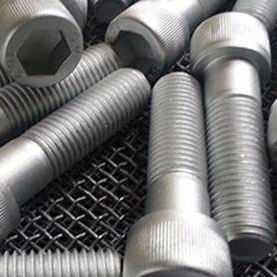
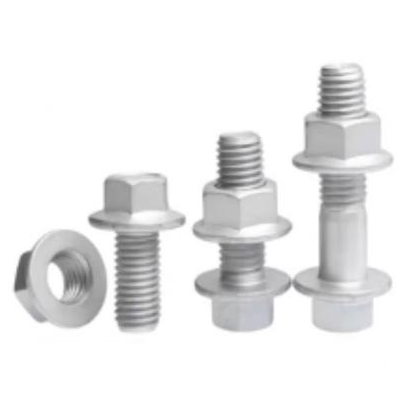
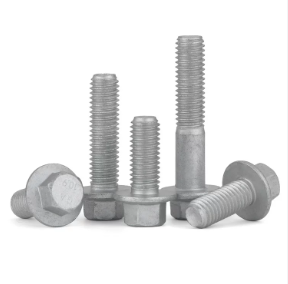
Hebei Fujinrui’s product portfolio reflects this diversity, offering everything from High Strength Flange External Hexagon Bolts made of carbon steel to Stainless Steel External Hexagon Bolts for corrosive environments. This versatility allows customers to select the optimal material for their specific operational conditions, ensuring both performance and longevity.
The Role of Heat Treatment
Heat treatment is a critical process that enhances the mechanical properties of steel fasteners. Through processes such as quenching and tempering, manufacturers can achieve the desired balance of hardness and toughness. Proper heat treatment ensures that the bolt can withstand high preload forces without becoming brittle, which would increase the risk of sudden fracture. Precision control over heating and cooling cycles is essential to avoid defects such as decarburization or uneven hardness, which can compromise the integrity of the bolt kontakt.
Advanced Surface Treatments for Corrosion Protection
Corrosion is one of the primary causes of fastener failure, particularly in outdoor or industrial environments. Advanced surface treatments are therefore indispensable for extending the service life of bolt connections. These treatments not only protect the base metal from environmental attack but also improve friction coefficients, which is vital for consistent torque-tension relationships during installation.
Dacromet and Geomet Coatings
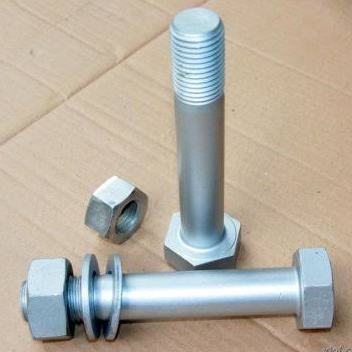
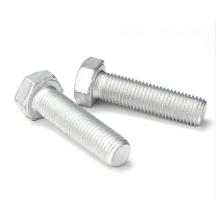
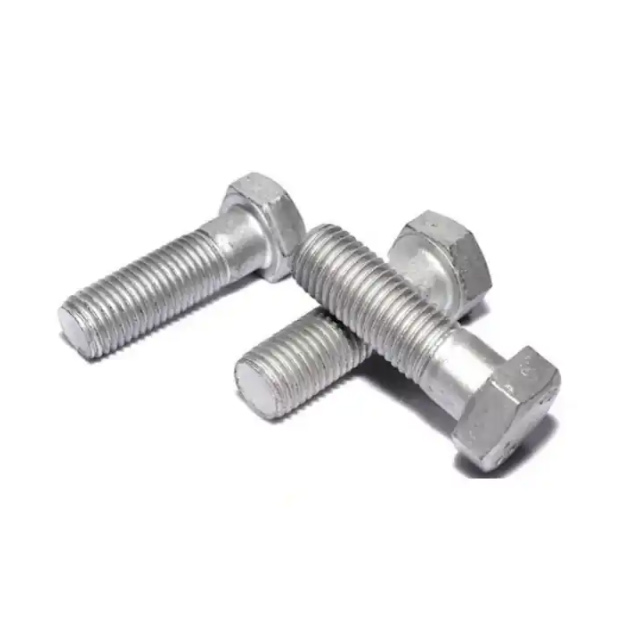
Dacromet, a zinc-flake coating, is renowned for its exceptional corrosion resistance and lack of hydrogen embrittlement risk. Unlike traditional electroplating, Dacromet provides a sacrificial layer that protects the underlying steel even if the coating is slightly damaged. This makes it an ideal choice for high-strength bolts where hydrogen embrittlement is a concern. Hebei Fujinrui applies proven technologies such as Dacromet coating to its DIN931 Hex Bolts, ensuring high rust resistance and reliability in demanding conditions.
1500H Anti-Corrosion Technology
For extreme environments, advanced solutions like 1500H-rated anti-corrosion treatments offer superior protection. These coatings are designed to withstand prolonged exposure to salt spray, humidity, and chemical agents, significantly outperforming standard galvanized finishes. The application of such technologies demonstrates a manufacturer’s commitment to quality and innovation. By integrating these advanced surface treatments into their production lines, manufacturers can provide fasteners that maintain their structural integrity and aesthetic appearance over decades of service.
| Surface Treatment | Corrosion Resistance | Hydrogen Embrittlement Risk | Typical Applications |
|---|---|---|---|
| Zinc Plating | Moderate | High (if not baked) | Indoor, dry environments |
| Hot-Dip Galvanizing | High | Low | Outdoor structures, utilities |
| Dacromet/Geomet | Very High | None | Automotive, high-strength structural |
| 1500H Coating | Extreme | None | Marine, chemical, offshore |
Performance Analysis: Load, Vibration, and Fatigue
Evaluating the performance of a bolt kontakt involves analyzing its behavior under various loading conditions. Static load capacity is just the beginning; dynamic loads, vibration, and thermal cycling pose significant challenges that must be addressed through careful design and selection.
Vibration Resistance and Locking Mechanisms
Vibration can cause threaded connections to loosen over time, a phenomenon known as spontaneous loosening. To mitigate this, engineers often employ locking mechanisms such as nylon insert lock nuts, serrated flange nuts, or thread-locking adhesives. Hebei Fujinrui offers specialized products like Hex Self-drilling Screws with EPDM Washers and Nylon Head External Hexagonal Drill Thread Screws, which provide enhanced sealing and vibration resistance. These features are particularly valuable in roofing, automotive, and machinery applications where constant movement is expected.
Fatigue Life and Stress Concentration
Fatigue failure occurs when a material is subjected to cyclic loading, leading to crack initiation and propagation. The geometry of the bolt, particularly the transition between the shank and the head, and the thread root, are areas of high stress concentration. Precision manufacturing techniques, such as thread rolling instead of cutting, improve the surface finish and grain structure at these critical points, significantly enhancing fatigue life. Rigorous testing, including salt spray tests and mechanical property verification, ensures that each batch of fasteners meets the required fatigue performance standards.
Integration of Manufacturing Expertise: A Case Study
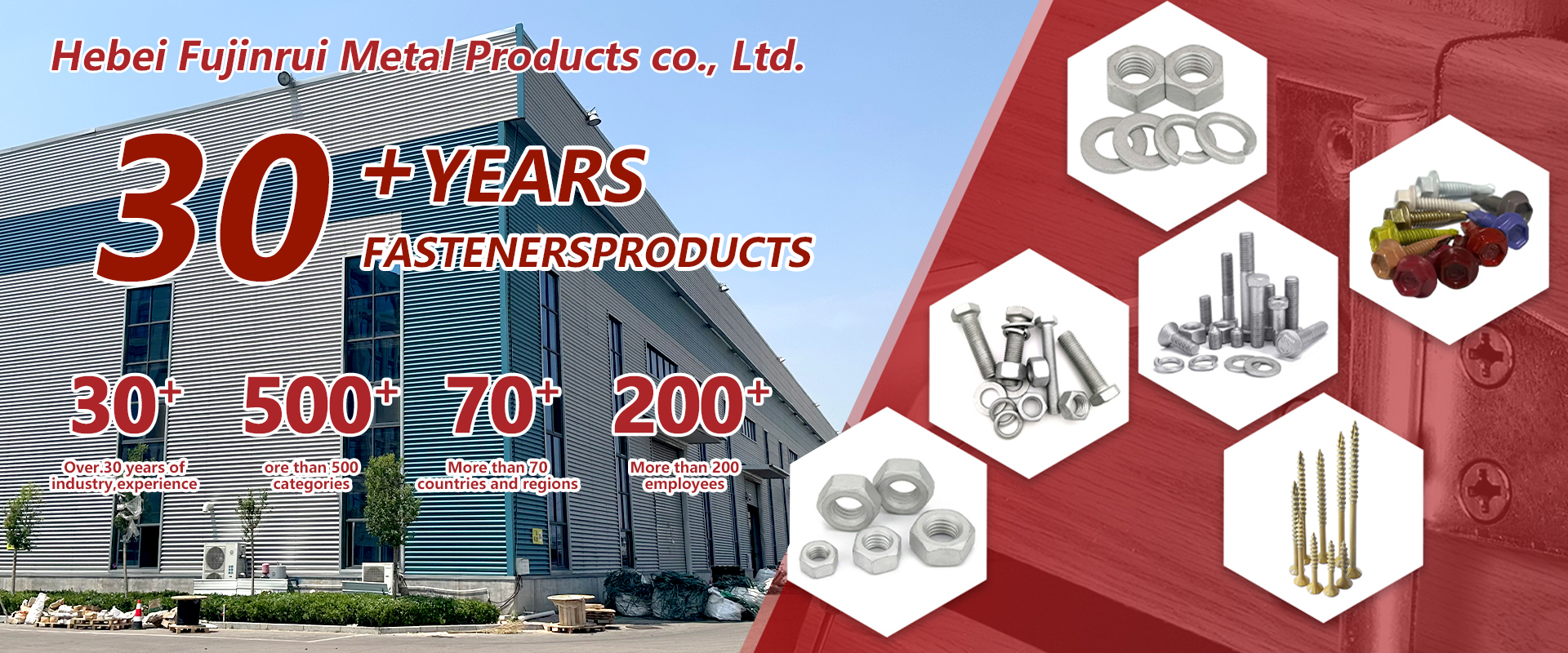
Theoretical knowledge of standards and materials must be backed by practical manufacturing capability. Hebei Fujinrui Metal Products Co., Ltd., established in 2004, exemplifies the integration of deep domain expertise with advanced production technology. Headquartered in Handan City, Hebei Province, the company operates from a modern 10,000-square-meter facility, employing over 200 professionals with cumulative experience spanning more than two decades in the fastener industry.
Vertically Integrated Production Capabilities
One of the key strengths of Hebei Fujinrui is its vertically integrated manufacturing process. This includes precision cold forging, thread rolling, heat treatment, and surface coating lines all under one roof. Such integration allows for tighter quality control, faster response times, and greater flexibility in meeting custom requirements. From raw material inspection to final dimensional verification, every stage is governed by a rigorous quality management system. This ensures that products like High Rust Resistance DIN931 Dacromet Hex Bolts and High Strength Flange External Hexagon Bolts consistently meet international standards.
Customization and Global Reach
Understanding that different projects have unique needs, Hebei Fujinrui offers customized packaging solutions and technical consultation. Their product matrix covers a wide range of engineered fastening solutions, including Self-drilling Screws, Inner Hexagon Bolts, and Rigging Components. With exports regularly delivered to Europe, North America, and the Middle East, the company has built a reputation for responsiveness, transparency, and technical collaboration. This global presence underscores their ability to meet diverse regulatory and performance requirements, making them a reliable partner for international infrastructure development.
Selecting the Right Supplier for Your Project
Choosing the right supplier for high-quality bolt connections is a strategic decision that impacts project success. Beyond price, several factors should be considered to ensure that the selected partner can deliver consistent quality and reliability.
- Technical Expertise: Look for suppliers with a proven track record in fastener engineering and surface treatment technologies. Experience in handling complex projects and providing application guidance is invaluable.
- Quality Assurance: Verify that the supplier has certified quality management systems and conducts regular testing, including salt spray and mechanical property tests.
- Production Capacity: Ensure the supplier has the capacity to meet your volume requirements and delivery timelines. Vertically integrated facilities often offer better control over lead times.
- Compliance and Certification: Check for compliance with relevant international standards (DIN, ISO, ASTM) and the availability of mill test reports for traceability.
- Customer Support: Responsive customer support, including technical consultation and customization options, can significantly smooth the procurement process.
FAQ: Common Questions About Bolt Connections
What is the difference between a bolt and a screw?
While often used interchangeably, bolts and screws have distinct characteristics. Bolts are typically designed to pass through unthreaded holes in multiple parts and are secured with a nut. They rely on clamping force generated by tightening the nut. Screws, on the other hand, usually engage with pre-formed threads in one of the parts or create their own threads (self-tapping). Understanding this distinction is crucial for selecting the appropriate bolt kontakt for your application.
How does corrosion affect bolt performance?
Corrosion reduces the cross-sectional area of the bolt, weakening its load-bearing capacity. It can also lead to stress corrosion cracking, particularly in high-strength steels under tension. Furthermore, corrosion products can expand, causing additional stress on the joint. Using appropriate surface treatments like Dacromet or 1500H coatings is essential to mitigate these risks.
Why is preload important in bolted joints?
Preload is the tension induced in the bolt during tightening. It creates a clamping force that holds the joined parts together. Adequate preload prevents relative motion between the parts, which can lead to fretting, wear, and fatigue failure. It also ensures that external loads are transferred through friction between the clamped surfaces rather than through shear on the bolt shank, which is a weaker mode of load transfer.
Conclusion
A high-quality bolt kontakt is the result of meticulous engineering, precise manufacturing, and rigorous quality control. From adhering to international standards like DIN and ISO to implementing advanced surface treatments such as Dacromet and 1500H coatings, every step in the production process contributes to the overall performance and reliability of the connection. For engineers and procurement professionals, understanding these factors is essential for making informed decisions that ensure the safety and longevity of their projects.
Companies like Hebei Fujinrui Metal Products Co., Ltd. demonstrate how vertical integration, technical expertise, and a commitment to quality can deliver superior fastening solutions for global markets. By partnering with manufacturers who prioritize integrity, innovation, and customer collaboration, businesses can secure the foundational elements of their structures with confidence. For those seeking reliable, standards-compliant fasteners and expert technical support, exploring the offerings of established industry leaders is a prudent first step towards achieving project excellence.
To learn more about high-performance fastening solutions and how they can benefit your next project, visit Hebei Fujinrui Metal Products Co., Ltd. for detailed product specifications and professional consultation.