- English
- Chinese
- French
- German
- Portuguese
- Spanish
- Russian
- Japanese
- Korean
- Arabic
- Irish
- Greek
- Turkish
- Italian
- Danish
- Romanian
- Indonesian
- Czech
- Afrikaans
- Swedish
- Polish
- Basque
- Catalan
- Esperanto
- Hindi
- Lao
- Albanian
- Amharic
- Armenian
- Azerbaijani
- Belarusian
- Bengali
- Bosnian
- Bulgarian
- Cebuano
- Chichewa
- Corsican
- Croatian
- Dutch
- Estonian
- Filipino
- Finnish
- Frisian
- Galician
- Georgian
- Gujarati
- Hausa
- Hawaiian
- Hebrew
- Hmong
- Hungarian
- Icelandic
- Igbo
- Javanese
- Kannada
- Kazakh
- Khmer
- Kurdish
- Kyrgyz
- Latin
- Latvian
- Lithuanian
- Luxembou..
- Macedonian
- Malagasy
- Malay
- Malayalam
- Maltese
- Maori
- Marathi
- Mongolian
- Burmese
- Nepali
- Norwegian
- Pashto
- Persian
- Punjabi
- Serbian
- Sesotho
- Sinhala
- Slovak
- Slovenian
- Somali
- Samoan
- Scots Gaelic
- Shona
- Sindhi
- Sundanese
- Swahili
- Tajik
- Tamil
- Telugu
- Thai
- Ukrainian
- Urdu
- Uzbek
- Vietnamese
- Welsh
- Xhosa
- Yiddish
- Yoruba
- Zulu
- Kinyarwanda
- Tatar
- Oriya
- Turkmen
- Uyghur

How to Source High-Quality Bolt Online: A B2B Procurement Guide
2026-10-29
- Understanding the Shift to Digital Bolt Procurement
- Key Technical Specifications for Online Bolt Sourcing
- Evaluating Supplier Credibility and Manufacturing Capabilities
- Quality Assurance and Inspection Protocols
- Navigating Logistics and Supply Chain Reliability
- Common Pitfalls in Online Bolt Procurement
- FAQ: Sourcing Bolts Online
- Conclusion
Summary Sourcing high-quality bolts online requires a strategic approach that goes beyond simple price comparison. This guide outlines the critical steps for B2B procurement, including understanding technical specifications, verifying supplier manufacturing capabilities, assessing quality control standards like ISO and ASTM, and evaluating surface treatment options. By following these best practices, procurement professionals can mitigate risks, ensure compliance with international standards, and establish reliable supply chains for industrial and construction applications.
Understanding the Shift to Digital Bolt Procurement
In the modern industrial landscape, the process of sourcing fasteners has evolved significantly. Traditionally, B2B buyers relied heavily on local distributors, physical catalogs, and long-standing personal relationships to secure bolt supplies. However, the digital transformation of the supply chain has made it possible—and often necessary—to source bolt online from global manufacturers. This shift offers unprecedented access to specialized products, competitive pricing, and transparent manufacturing data. Yet, it also introduces new challenges regarding quality verification, logistical coordination, and technical compatibility.
For procurement managers, engineers, and project leads, buying bolts online is not merely a transactional activity; it is a technical decision that impacts the structural integrity and longevity of their projects. Whether you are sourcing standard hexagon bolts for general assembly or specialized self-drilling screws for roofing systems, the principles of due diligence remain paramount. The convenience of digital platforms must be balanced with rigorous technical evaluation to ensure that the fasteners received meet the exacting demands of your application.
This guide provides a comprehensive framework for navigating the online procurement landscape. It moves beyond basic purchasing advice to delve into the technical nuances of fastener engineering, material science, and quality assurance. By understanding what to look for in a supplier’s digital presence, technical documentation, and communication protocols, buyers can make informed decisions that reduce risk and enhance project outcomes.
Key Technical Specifications for Online Bolt Sourcing
Before initiating any online search, it is crucial to define the technical requirements of the fasteners needed. Ambiguity in specifications is the leading cause of procurement errors in the fastener industry. When browsing online catalogs or requesting quotes, precision is key.
Material Grade and Composition
The material composition determines the strength, durability, and corrosion resistance of the bolt. Common materials include carbon steel, stainless steel, and alloy steel. For carbon steel bolts, understanding the property class is essential. For instance, ISO 8.8 and ISO 10.9 indicate different tensile strengths and yield points. In the American system, SAE J429 Grade 5 and Grade 8 serve similar functions. When sourcing online, ensure that the supplier clearly states the material grade. Vague descriptions like “high strength” without specific grade references should be treated with caution.
Stainless steel bolts, such as those made from A2-70 or A4-80 grades, offer superior corrosion resistance but may have different mechanical properties compared to carbon steel. It is vital to match the material grade to the environmental conditions of the application. For coastal or chemical-heavy environments, higher-grade stainless steel or specially coated carbon steel may be required.
Dimensions and Thread Standards
Bolts are defined by their diameter, length, and thread pitch. Metric (ISO) and Imperial (UNC/UNF) systems are not interchangeable, and mixing them can lead to catastrophic failure. When sourcing bolt online, verify whether the supplier adheres to DIN, ISO, ANSI, or JIS standards. Key dimensions to specify include:
- Nominal Diameter: The major diameter of the thread.
- Length: Measured from under the head to the end of the shank for most bolts.
- Thread Pitch: The distance between threads, critical for ensuring proper engagement.
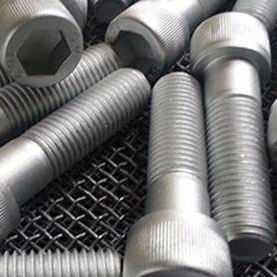
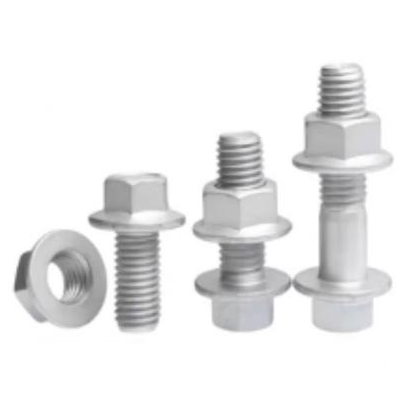
- Head Style: Hexagon, flange, socket head, etc., which affects installation tools and load distribution.
For specialized applications, such as those requiring self-drilling or self-tapping capabilities, the point geometry and drill capacity must also be specified. Suppliers like Hebei Fujinrui Metal Products Co., Ltd. offer a diverse range of such engineered solutions, including Hex Self-drilling Screws with EPDM Washers, which require precise dimensional accuracy to function correctly.
Surface Treatment and Corrosion Protection
Surface treatment is often overlooked but is critical for the longevity of fasteners. Online suppliers should provide detailed information on coating types. Common treatments include zinc plating, hot-dip galvanizing, Dacromet, and Geomet. Each offers different levels of corrosion resistance and aesthetic finishes.
For high-performance applications, advanced coatings like Dacromet provide superior salt spray resistance. For example, High Rust Resistance DIN931 Dacromet Hex Bolts are designed for demanding environments where standard zinc plating would fail. When evaluating online product descriptions, look for specific test data, such as hours of neutral salt spray (NSS) resistance, rather than generic claims of “rust-proof.”
| Coating Type | Corrosion Resistance | Typical Application | Environmental Impact |
|---|---|---|---|
| Zinc Plating | Moderate | Indoor, dry environments | Contains hexavalent chromium (unless specified otherwise) |
| Hot-Dip Galvanizing | High | Outdoor structures, utility poles | Thicker coating, may affect thread fit |
| Dacromet | Very High | Automotive, marine, infrastructure | Chrome-free options available, environmentally friendly |
| Geomet | High | General industrial, automotive | Water-based, low VOC |
Evaluating Supplier Credibility and Manufacturing Capabilities
The internet allows buyers to access suppliers from around the world, but it also makes it easier for trading companies to pose as manufacturers. For B2B procurement, distinguishing between a true manufacturer and a middleman is crucial for cost control, quality assurance, and technical support.
Verifying Manufacturing Infrastructure
A credible manufacturer will typically showcase their production facilities on their website. Look for details about their equipment, such as cold forging machines, thread rolling lines, heat treatment furnaces, and surface coating plants. Vertically integrated manufacturers, who control the entire production process from raw material to finished product, offer greater consistency and traceability.
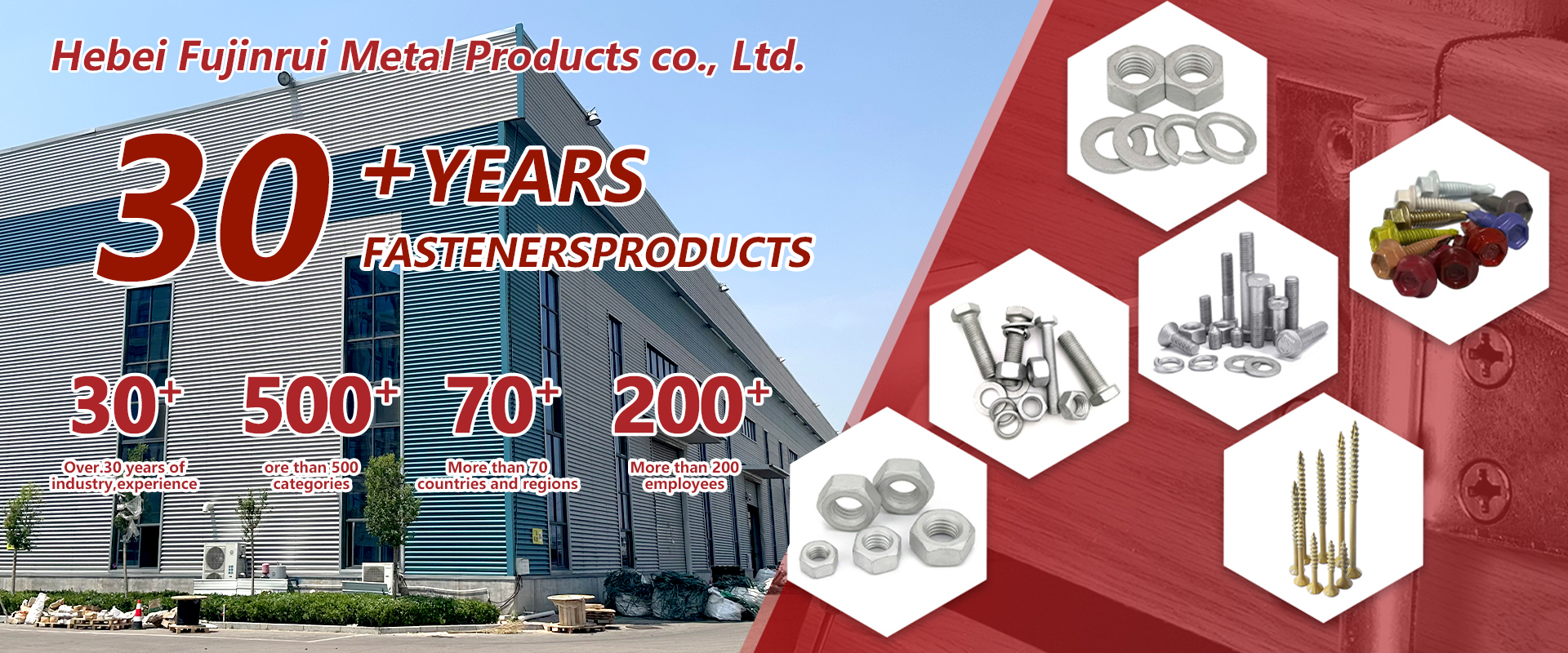
For instance, a company like Hebei Fujinrui Metal Products Co., Ltd. operates a 10,000-square-meter production base with precision cold forging and thread rolling capabilities. This level of integration allows for strict control over dimensional accuracy and mechanical properties. When reviewing supplier profiles, check for evidence of in-house testing labs, such as salt spray chambers and tensile testing machines, which indicate a commitment to quality control.
Assessing Experience and Expertise
Longevity in the industry is a strong indicator of reliability. Companies with decades of experience, such as those established in the early 2000s or earlier, have likely navigated various market cycles and technical challenges. Look for suppliers with a seasoned technical team capable of providing application guidance and standardization consultation. This expertise is invaluable when dealing with non-standard or custom fastener requirements.
Additionally, consider the supplier’s product matrix. A diversified portfolio that includes self-drilling screws, outer hexagon bolts, inner hexagon bolts, and rigging components suggests a broad capability in fastener engineering. This diversity allows buyers to consolidate their supply chain, reducing administrative overhead and ensuring consistent quality across different fastener types.
Checking Certifications and Compliance
International standards compliance is non-negotiable for B2B transactions. Reputable suppliers will hold certifications such as ISO 9001 for quality management systems. Furthermore, their products should comply with relevant industry standards, such as DIN (German), ANSI/ASME (American), and GB (Chinese). When sourcing bolt online, request copies of these certifications and verify their validity. Suppliers who openly share their compliance documentation demonstrate transparency and confidence in their products.
Quality Assurance and Inspection Protocols
Quality assurance (QA) is the backbone of reliable fastener procurement. Without robust QA processes, even the best-designed bolts can fail in the field. When evaluating online suppliers, inquire about their quality control procedures at each stage of production.
Raw Material Inspection
Quality begins with raw materials. Suppliers should source wire rod and steel from reputable mills and perform incoming inspections to verify chemical composition and mechanical properties. Spectrometric analysis is commonly used to ensure that the material meets the specified grade requirements. Ask potential suppliers if they provide material certificates (Mill Test Certificates) with each shipment.
In-Process Control
During manufacturing, continuous monitoring is essential. This includes checking dimensional accuracy after cold forging and thread rolling, as well as monitoring heat treatment parameters such as temperature and time. Consistent heat treatment is critical for achieving the desired hardness and tensile strength. Suppliers with automated monitoring systems are more likely to produce consistent batches.
Final Inspection and Testing
Before shipment, finished products undergo final inspection. This includes visual checks for surface defects, dimensional verification using calipers and gauges, and functional testing. For high-strength bolts, tensile testing and hardness testing are mandatory. Corrosion resistance is verified through salt spray testing, with results documented in hours of exposure without red rust. For example, products like the 1500H Corrosion-Resistant Coated Hexagon Self-Drilling Tapping Screws undergo rigorous testing to ensure they meet their rated performance.
A rigorous quality management system governs every stage, from raw material inspection to final dimensional verification. This ensures compliance with functional performance requirements and delivery reliability. Buyers should feel empowered to request third-party inspection reports or even conduct their own audits if the order volume justifies it.
Navigating Logistics and Supply Chain Reliability
Once the technical and quality aspects are settled, the logistics of online procurement come into play. Reliable delivery is as important as product quality in B2B operations.
Inventory and Lead Times
Suppliers with consistent stock levels for standard items can offer shorter lead times, which is crucial for just-in-time manufacturing projects. Check if the supplier maintains year-round availability for key products like DIN931 hex bolts or self-tapping screws. For custom orders, clarify the production lead time and any potential bottlenecks. Transparent communication about lead times helps in planning project schedules effectively.
Packaging and Shipping
Proper packaging prevents damage during transit and facilitates easy handling on-site. Standard packaging includes cartons with pallets, but customized packaging solutions may be available for specific needs. Ensure that the supplier uses durable materials and clear labeling to identify product specifications and batch numbers. This traceability is essential for quality control and warranty purposes.
When sourcing internationally, understand the Incoterms (International Commercial Terms) offered by the supplier. Common terms like FOB (Free on Board) or CIF (Cost, Insurance, and Freight) define the responsibilities of the buyer and seller regarding shipping costs and risks. Clear agreement on these terms prevents unexpected costs and disputes.
Common Pitfalls in Online Bolt Procurement
Even experienced buyers can fall into traps when sourcing fasteners online. Being aware of these common pitfalls can save time, money, and reputation.
- Ignoring Thread Compatibility: Assuming that all metric or imperial threads are identical can lead to assembly issues. Always verify the specific standard (e.g., DIN 933 vs. ISO 4017).
- Overlooking Surface Treatment Details: Not specifying the exact coating type can result in receiving bolts that corrode prematurely. Always define the required salt spray resistance hours.
- Focusing Solely on Price: The lowest price often comes with compromised quality. Consider the total cost of ownership, including the risk of failure and rework.
- Neglecting Sample Testing: Never place a large order without first evaluating samples. Test the samples for fit, finish, and mechanical properties.
- Miscommunicating Specifications: Ambiguous drawings or descriptions can lead to incorrect production. Use standardized language and provide detailed technical drawings whenever possible.
FAQ: Sourcing Bolts Online
What documents should I request from an online bolt supplier?
You should request a Mill Test Certificate (MTC) for material verification, a Certificate of Conformity (COC) for standard compliance, and any relevant ISO certification documents. For specialized coatings, ask for salt spray test reports.
How can I verify the quality of bolts before placing a large order?
Always order samples first. Conduct your own dimensional checks, hardness tests, and fit tests. If possible, engage a third-party inspection agency to verify the supplier’s production process and final output.
What is the difference between DIN and ISO standards for bolts?
While many DIN standards have been adopted as ISO standards, there can be slight differences in dimensions and tolerances. It is crucial to specify which standard you require to ensure compatibility with your existing components. Most modern suppliers comply with both, but clarity is essential.
Can I customize bolts when sourcing online?
Yes, many manufacturers offer customization services for non-standard sizes, materials, or coatings. However, custom orders typically have longer lead times and higher minimum order quantities (MOQs). Provide detailed drawings and specifications to ensure accurate production.
Conclusion
Sourcing high-quality bolts online is a multifaceted process that requires a blend of technical knowledge, supplier evaluation, and logistical planning. By focusing on precise specifications, verifying manufacturing capabilities, and insisting on rigorous quality assurance, B2B buyers can leverage the global market to secure reliable and cost-effective fastening solutions. The key lies in partnering with suppliers who demonstrate transparency, expertise, and a commitment to standards compliance.
Companies like Hebei Fujinrui Metal Products Co., Ltd. exemplify the kind of integrated, standards-compliant partner that can support complex procurement needs. With over two decades of experience, a vertically integrated manufacturing facility, and a diverse product portfolio ranging from self-drilling screws to high-strength hex bolts, such suppliers offer the reliability and technical depth required for modern industrial projects. As you navigate the online marketplace, let these guidelines serve as your roadmap to successful and secure procurement.