- English
- Chinese
- French
- German
- Portuguese
- Spanish
- Russian
- Japanese
- Korean
- Arabic
- Irish
- Greek
- Turkish
- Italian
- Danish
- Romanian
- Indonesian
- Czech
- Afrikaans
- Swedish
- Polish
- Basque
- Catalan
- Esperanto
- Hindi
- Lao
- Albanian
- Amharic
- Armenian
- Azerbaijani
- Belarusian
- Bengali
- Bosnian
- Bulgarian
- Cebuano
- Chichewa
- Corsican
- Croatian
- Dutch
- Estonian
- Filipino
- Finnish
- Frisian
- Galician
- Georgian
- Gujarati
- Hausa
- Hawaiian
- Hebrew
- Hmong
- Hungarian
- Icelandic
- Igbo
- Javanese
- Kannada
- Kazakh
- Khmer
- Kurdish
- Kyrgyz
- Latin
- Latvian
- Lithuanian
- Luxembou..
- Macedonian
- Malagasy
- Malay
- Malayalam
- Maltese
- Maori
- Marathi
- Mongolian
- Burmese
- Nepali
- Norwegian
- Pashto
- Persian
- Punjabi
- Serbian
- Sesotho
- Sinhala
- Slovak
- Slovenian
- Somali
- Samoan
- Scots Gaelic
- Shona
- Sindhi
- Sundanese
- Swahili
- Tajik
- Tamil
- Telugu
- Thai
- Ukrainian
- Urdu
- Uzbek
- Vietnamese
- Welsh
- Xhosa
- Yiddish
- Yoruba
- Zulu
- Kinyarwanda
- Tatar
- Oriya
- Turkmen
- Uyghur

China Bolts & Nuts Manufacturer: Wholesale High Quality
2026-10-20
- Understanding Bolts and Nuts: Core Components of Industrial Assembly
- Types of Bolts and Nuts for Industrial Applications
- Material Selection and Corrosion Resistance
- International Standards: ANSI, DIN, and ISO
- Why Choose Hebei Fujinrui Metal Products Co., Ltd.?
- How to Select the Right Bolts and Nuts for Your Project
- Frequently Asked Questions (FAQ)
- Conclusion: Secure Your Supply Chain with Reliable Fasteners
Bolts and nuts are fundamental mechanical fasteners used to join two or more components securely. A bolt is a threaded fastener designed to pass through holes in assembled parts, while a nut is a hardware device with a threaded hole that mates with the bolt to clamp the parts together. For industrial procurement, selecting the right bolts and nuts involves evaluating material grade, thread standard (such as ANSI, DIN, or ISO), and corrosion resistance. Hebei Fujinrui Metal Products Co., Ltd. leverages over 20 years of manufacturing expertise to supply high-quality, standardized fasteners for global construction, automotive, and machinery sectors, ensuring structural integrity and operational safety.
Understanding Bolts and Nuts: Core Components of Industrial Assembly
In the realm of mechanical engineering and construction, the reliability of an assembly often hinges on the quality of its smallest components. Bolts and nuts form the backbone of non-permanent joints, allowing for disassembly and maintenance without damaging the primary structures. Unlike welding or riveting, which create permanent bonds, bolted connections offer flexibility and ease of inspection.
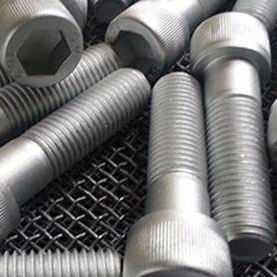
A bolt typically consists of a head and a cylindrical body with screw threads along a portion of its length. The head shape determines the tool required for installation—common types include hexagonal, square, and socket heads. The nut, conversely, is a block with a threaded hole. When tightened, the interaction between the bolt’s external threads and the nut’s internal threads generates clamping force, holding the assembled materials firmly in place.
For B2B buyers and engineers, understanding the distinction between various fastener types is critical. While often grouped together, bolts, screws, and studs serve different mechanical functions. Bolts generally require a nut for assembly, whereas screws tap directly into the material. This guide explores the technical specifications, material standards, and selection criteria necessary for sourcing premium bolts and nuts from reliable manufacturers like Hebei Fujinrui Metal Products Co., Ltd.
The Mechanical Function of Threaded Fasteners
The primary function of a bolt and nut assembly is to convert torque into axial clamping force. This force creates friction between the joined surfaces, preventing relative motion. Key mechanical considerations include:
- Tensile Strength: The maximum stress the bolt can withstand while being stretched or pulled before failing.
- Yield Strength: The point at which the bolt deforms permanently under load.
- Shear Strength: The ability to resist forces that cause sliding failure along the plane of the threads.
- Preload: The tension created in the fastener when tightened, which is crucial for joint integrity.
Failure to account for these factors can lead to loosening due to vibration, fatigue fracture, or catastrophic structural failure. Therefore, sourcing from a manufacturer with rigorous quality control, such as Hebei Fujinrui, ensures that each batch meets specified mechanical property requirements.
Types of Bolts and Nuts for Industrial Applications
The diversity of industrial applications necessitates a wide range of bolt and nut configurations. Choosing the wrong type can compromise safety and efficiency. Below are the most common categories utilized in global trade and manufacturing.
Hexagonal Bolts and Nuts
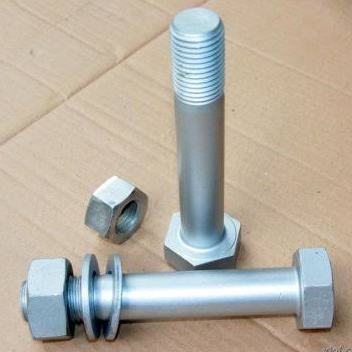
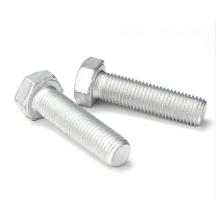
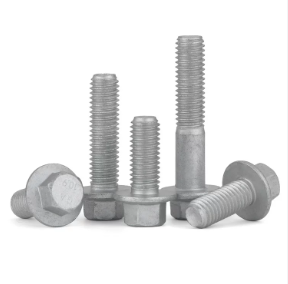
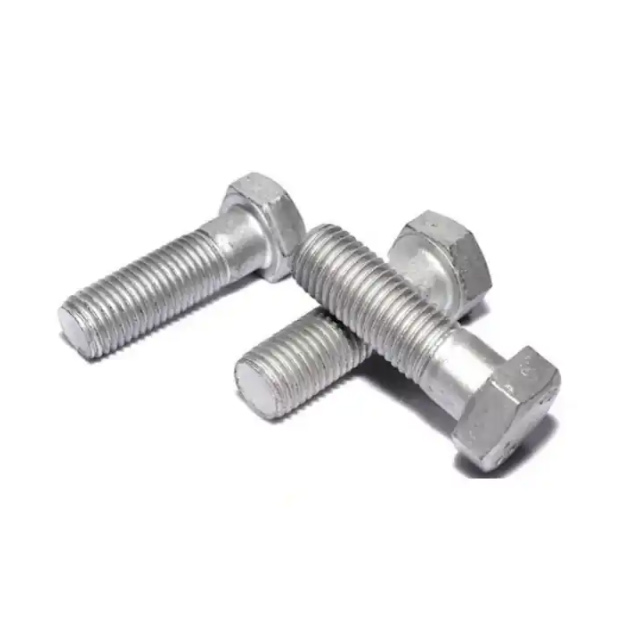
Hex bolts are the most widely used fasteners in construction and machinery. They feature a six-sided head, providing ample surface area for wrenches or sockets to apply torque. Hex nuts are the corresponding mating component. These are available in various grades, such as Grade 5 (medium strength) and Grade 8 (high strength) in the American standard, or Class 8.8 and 10.9 in the ISO metric system.
Hebei Fujinrui Metal Products Co., Ltd. specializes in producing high-precision hexagonal bolts and nuts that adhere to strict dimensional tolerances. Their production capabilities ensure consistent thread engagement, reducing the risk of stripping during installation.
Flange Bolts and Nuts
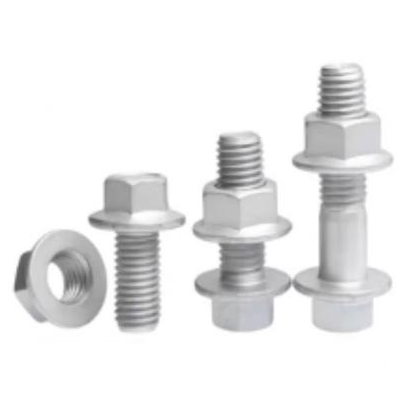
Flange bolts have an integrated washer-like flange under the head, which distributes the load over a larger area. This design eliminates the need for a separate washer and provides better resistance to loosening. Flange nuts operate on a similar principle, offering a wider bearing surface to protect soft materials from damage.
These fasteners are ideal for automotive assemblies and plumbing applications where space is limited, and vibration resistance is paramount. The integrated flange also helps compensate for slight misalignments in drilled holes.
Self-Drilling Screws and Specialty Fasteners
While not strictly bolts and nuts, self-drilling screws are a critical part of the fastener ecosystem. They combine the functions of drilling, tapping, and fastening into a single operation. This significantly reduces assembly time and labor costs in steel framing and metal roofing projects.
Hebei Fujinrui’s product portfolio includes these advanced fasteners, catering to clients who require efficient solutions for sheet metal and light gauge steel constructions. The company’s ability to integrate fastener production with metal surface corrosion protection adds significant value to these specialty items.
Material Selection and Corrosion Resistance
The longevity of a bolted joint is heavily influenced by the material composition and surface treatment. Environmental factors such as humidity, chemical exposure, and temperature fluctuations can accelerate corrosion, leading to joint failure.
Common Materials for Bolts and Nuts
| Material | Characteristics | Typical Applications |
|---|---|---|
| Carbon Steel | High strength, cost-effective, prone to rust without coating. | General construction, machinery, automotive. |
| Stainless Steel | Excellent corrosion resistance, moderate strength, aesthetic appeal. | Marine environments, food processing, chemical plants. |
| Alloy Steel | Enhanced strength and toughness, often heat-treated. | High-stress applications, heavy equipment, bridges. |
| Brass/Bronze | Non-magnetic, corrosion-resistant, lower strength. | Electrical components, decorative uses, marine hardware. |
Surface Treatments and Corrosion Protection
To enhance the durability of carbon steel fasteners, various surface treatments are applied. Hebei Fujinrui Metal Products Co., Ltd. integrates metal surface corrosion protection directly into its production line, ensuring superior quality control. Common treatments include:
- Zinc Plating: Provides a sacrificial layer that protects the underlying steel. Available in clear, yellow, or black finishes.
- Hot-Dip Galvanizing: Offers thick zinc coating for extreme outdoor exposure, suitable for infrastructure projects.
- Dacromet/Geomet: Zinc-flake coatings that provide excellent corrosion resistance without hydrogen embrittlement risks.
- Phosphate Coating: Often used as a base for oil or wax application, providing moderate corrosion resistance and good lubricity.
Choosing the right finish depends on the operating environment. For instance, coastal projects require hot-dip galvanizing or stainless steel, while indoor machinery may only need zinc plating.
International Standards: ANSI, DIN, and ISO
Global trade requires adherence to recognized standards to ensure interoperability and safety. Bolts and nuts manufactured by Hebei Fujinrui comply with major international standards, including American (ANSI/ASME), German (DIN), and Chinese National Standards (GB).
Key Standard Differences
Understanding these standards is vital for procurement specialists. While dimensions may appear similar, thread pitches and head heights can vary significantly.
- ANSI/ASME (American): Uses Unified National Coarse (UNC) and Fine (UNF) threads. Common grades include SAE J429 Grade 5 and Grade 8.
- DIN (German/European): Widely used in Europe and Asia. DIN 933 specifies hex head bolts, while DIN 934 covers hex nuts. Metric threads (M6, M8, M10) are standard.
- ISO (International): Harmonizes many DIN and ANSI standards. ISO 4014 and ISO 4017 are common references for hex bolts.
Hebei Fujinrui’s capability to produce according to American, German, and national standards allows them to serve a diverse global client base, exporting to Europe, America, the Middle East, and beyond. This flexibility ensures that clients receive products that fit their specific engineering requirements without the need for costly adapters or rework.
Why Choose Hebei Fujinrui Metal Products Co., Ltd.?
In a market saturated with suppliers, identifying a partner with genuine manufacturing capability and quality assurance is challenging. Hebei Fujinrui Metal Products Co., Ltd. stands out due to its established history, integrated production model, and commitment to quality.
Established Expertise and Capacity
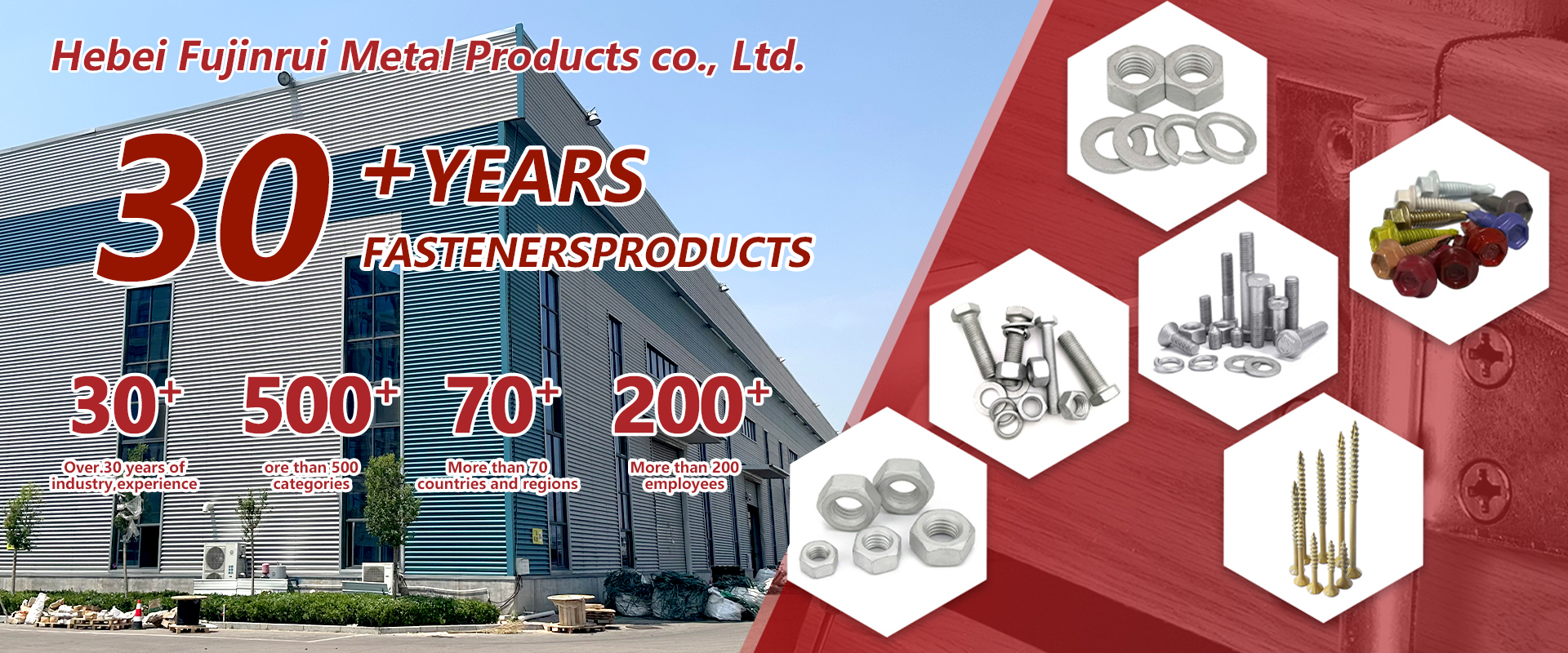
Founded in 2004 and located in Handan City, Hebei Province—a hub for fastener manufacturing—Hebei Fujinrui has accumulated over 20 years of industry experience. The company operates across a 10,000-square-meter facility with a dedicated staff of more than 200 people. This scale enables them to handle large-volume wholesale orders while maintaining consistent lead times.
Integrated Production and Quality Control
Unlike traders who outsource production, Hebei Fujinrui is an enterprise integrating fastener product production and metal surface corrosion protection. This vertical integration offers several advantages:
- Consistent Quality: Direct control over every stage, from raw material selection to final coating.
- Cost Efficiency: Eliminating middlemen reduces costs, allowing for competitive pricing without compromising quality.
- Customization: The mature production technology team can adapt to specific client requirements, whether for unique dimensions or specialized coatings.
Global Export Experience
With a robust export network, Hebei Fujinrui understands the logistical and compliance requirements of international markets. Their products are regularly exported to Europe, America, and the Middle East, meeting the stringent quality expectations of these regions. Whether you need self-drilling screws for a construction project in the US or hexagonal bolts for machinery in Germany, their inventory is available year-round to meet urgent demands.
How to Select the Right Bolts and Nuts for Your Project
Selecting the appropriate fastener involves a systematic evaluation of application requirements. Follow these steps to ensure optimal performance.
Step 1: Determine Load Requirements
Assess the static and dynamic loads the joint will endure. High-vibration environments require higher-grade bolts (e.g., Grade 8.8 or 10.9) and potentially locking nuts or washers.
Step 2: Identify Environmental Conditions
Consider exposure to moisture, chemicals, or extreme temperatures. For outdoor or marine applications, prioritize stainless steel or hot-dip galvanized carbon steel to prevent rust.
Step 3: Check Dimensional Standards
Verify the thread size, pitch, and length required. Ensure compatibility with existing holes and components. Refer to the relevant standard (ANSI, DIN, ISO) specified in your engineering drawings.
Step 4: Evaluate Installation Constraints
Consider the tools available for installation. If access is limited, flange bolts or self-drilling screws may be more suitable than standard hex bolts requiring a wrench and socket.
Step 5: Consult with the Manufacturer
Engage with experienced suppliers like Hebei Fujinrui early in the design phase. Their technical team can provide recommendations on material grades and coatings based on real-world application data.
Frequently Asked Questions (FAQ)
What is the difference between a bolt and a screw?
A bolt is designed to pass through unthreaded holes and is secured with a nut, creating a clamping force. A screw typically threads directly into the material it is joining. However, in common usage, the terms are often interchangeable, though engineering distinctions remain important for load-bearing applications.
How do I prevent bolts from loosening due to vibration?
To prevent loosening, use locking mechanisms such as spring washers, nylon-insert lock nuts, or thread-locking adhesives. Flange nuts and bolts also offer better resistance to vibration due to their increased bearing surface and friction.
Can I mix different grades of bolts and nuts?
It is generally recommended to match the grade of the nut to the bolt. Using a lower-grade nut with a high-strength bolt can result in thread stripping before the bolt reaches its full tensile capacity. Hebei Fujinrui ensures that matched sets are available to maintain structural integrity.
What certifications does Hebei Fujinrui hold?
As a seasoned manufacturer with over 20 years of experience, Hebei Fujinrui adheres to international quality standards. Their production processes are designed to meet the requirements of ANSI, DIN, and ISO standards, ensuring that products are suitable for global export to regulated markets.
How long does it take to receive a wholesale order?
Lead times depend on order volume and customization requirements. However, Hebei Fujinrui maintains year-round availability of standard products like hexagonal bolts, nuts, and washers. For custom orders, their efficient production line and experienced team ensure timely delivery.
Conclusion: Secure Your Supply Chain with Reliable Fasteners
The integrity of any structural or mechanical assembly depends on the quality of its bolts and nuts. Compromising on fastener quality can lead to costly repairs, safety hazards, and operational downtime. By partnering with a manufacturer that combines technical expertise with robust production capabilities, businesses can ensure the reliability of their products.
Hebei Fujinrui Metal Products Co., Ltd. offers a comprehensive solution for global buyers seeking high-quality fasteners. With over two decades of experience, a 10,000-square-meter production facility, and a commitment to integrating corrosion protection with manufacturing, they provide a competitive edge in the global market. Whether you require standard hex bolts, specialized flange fasteners, or self-drilling screws, their ability to meet American, German, and national standards makes them a versatile partner.
For procurement managers and engineers looking to optimize their supply chain, choosing a supplier with proven EEAT (Experience, Expertise, Authoritativeness, and Trustworthiness) is essential. Hebei Fujinrui’s track record of exporting to Europe, America, and the Middle East underscores their reliability and adherence to international quality norms.
Ready to secure high-quality bolts and nuts for your next project? Contact Hebei Fujinrui Metal Products Co., Ltd. today to discuss your specifications, request a quote, or learn more about their wholesale capabilities.
Explore Our Full Range of Fastener Solutions and Technical Specifications