- English
- Chinese
- French
- German
- Portuguese
- Spanish
- Russian
- Japanese
- Korean
- Arabic
- Irish
- Greek
- Turkish
- Italian
- Danish
- Romanian
- Indonesian
- Czech
- Afrikaans
- Swedish
- Polish
- Basque
- Catalan
- Esperanto
- Hindi
- Lao
- Albanian
- Amharic
- Armenian
- Azerbaijani
- Belarusian
- Bengali
- Bosnian
- Bulgarian
- Cebuano
- Chichewa
- Corsican
- Croatian
- Dutch
- Estonian
- Filipino
- Finnish
- Frisian
- Galician
- Georgian
- Gujarati
- Hausa
- Hawaiian
- Hebrew
- Hmong
- Hungarian
- Icelandic
- Igbo
- Javanese
- Kannada
- Kazakh
- Khmer
- Kurdish
- Kyrgyz
- Latin
- Latvian
- Lithuanian
- Luxembou..
- Macedonian
- Malagasy
- Malay
- Malayalam
- Maltese
- Maori
- Marathi
- Mongolian
- Burmese
- Nepali
- Norwegian
- Pashto
- Persian
- Punjabi
- Serbian
- Sesotho
- Sinhala
- Slovak
- Slovenian
- Somali
- Samoan
- Scots Gaelic
- Shona
- Sindhi
- Sundanese
- Swahili
- Tajik
- Tamil
- Telugu
- Thai
- Ukrainian
- Urdu
- Uzbek
- Vietnamese
- Welsh
- Xhosa
- Yiddish
- Yoruba
- Zulu
- Kinyarwanda
- Tatar
- Oriya
- Turkmen
- Uyghur

Air Conditioner Nut Supplier: Best Factory Direct Price 2026
2026-05-21
- What Is an Air Conditioner Nut and Why Does It Matter?
- Factory Direct Pricing Advantages in 2026
- Material Standards and Technical Specifications
- Common Applications and Installation Scenarios
- How to Identify High-Quality Air Conditioner Nuts
- Installation Best Practices for Maximum Durability
- Frequently Asked Questions About HVAC Fasteners
- Future Trends in HVAC Fastener Technology
- Partnering with a Proven Industry Leader
- Conclusion and Strategic Sourcing Recommendations
Looking for a reliable air conditioner nut supplier with the best factory direct price in 2026? Our manufacturing facility specializes in high-precision fasteners designed specifically for HVAC systems, ensuring durability and thermal stability. By eliminating intermediaries, we provide cost-effective solutions without compromising on quality standards or material integrity for your cooling units.
What Is an Air Conditioner Nut and Why Does It Matter?
An air conditioner nut is a specialized fastener used to secure critical components within heating, ventilation, and air conditioning systems. These small but vital parts hold together copper pipes, compressor mounts, and fan assemblies under extreme thermal cycling conditions.
Unlike standard hardware store nuts, HVAC-specific fasteners are engineered to withstand vibration, moisture exposure, and temperature fluctuations ranging from freezing to over 100 degrees Celsius. Using inferior substitutes can lead to loosening joints, refrigerant leaks, and systemic failures.
The industry increasingly recognizes that proper fastener selection directly impacts the lifespan of an AC unit. A single compromised connection can cause catastrophic efficiency losses or complete system shutdowns during peak summer demand periods.
Manufacturers now prioritize corrosion-resistant alloys and precise thread tolerances to meet rigorous safety codes. This shift reflects a broader understanding that component reliability starts at the microscopic level of thread engagement and material grain structure.
The Critical Role of Fasteners in HVAC Integrity
In modern air conditioning units, hundreds of connection points rely on these specialized nuts to maintain structural integrity. The failure of even one can compromise the sealed refrigerant loop, leading to expensive repairs and environmental hazards.
Vibration resistance is perhaps the most crucial attribute. Compressors generate constant oscillation that can gradually loosen standard hex nuts. Our engineered solutions incorporate locking features or specific alloy compositions that resist this natural tendency to back off.
Thermal expansion presents another challenge. As metal components heat up and cool down repeatedly, they expand and contract at different rates. High-quality air conditioner nuts maintain consistent clamping force throughout these cycles, preventing gaps from forming.
Corrosion protection is equally vital, especially for outdoor condenser units exposed to rain, humidity, and salt air in coastal regions. Standard steel fasteners rust quickly in these environments, whereas our specialized coatings provide decades of protection.
Factory Direct Pricing Advantages in 2026
Sourcing directly from the manufacturer offers significant financial benefits for wholesalers, contractors, and large-scale project developers. The traditional supply chain often adds multiple markups before products reach the end user.
By purchasing factory direct, buyers eliminate distributor margins, warehousing fees, and logistical redundancies. This streamlined approach results in lower unit costs while maintaining strict quality control protocols throughout the production process.
In 2026, raw material volatility has made supply chain transparency more important than ever. Direct relationships allow clients to verify material certifications and production timelines without relying on third-party assurances or vague promises.
Furthermore, factory-direct suppliers can offer customized specifications more readily. Whether you need non-standard thread pitches, specific plating thicknesses, or unique head styles, direct communication with engineers facilitates faster prototyping and implementation.
Cost Breakdown: Direct vs. Distributor Models
Understanding where money goes in the supply chain helps justify the shift toward direct sourcing. Traditional models involve several layers of handling, each adding cost without adding value to the physical product itself.
Distributor markups typically range significantly depending on volume and region. These intermediaries provide local inventory but often lack deep technical knowledge about specific HVAC applications or material science nuances.
Logistics consolidation is another area where direct sourcing shines. Instead of shipping small batches through multiple warehouses, factory-direct orders move in optimized loads straight from the production line to the job site or central storage.
Quality assurance costs are also reduced. When issues arise, direct communication allows for immediate root cause analysis and corrective action, rather than a lengthy blame game between retailers, distributors, and manufacturers.
| Factor | Factory Direct Model | Traditional Distributor Model |
|---|---|---|
| Unit Cost | Lowest possible (no middlemen) | Higher due to layered markups |
| Customization | High flexibility for specs | Limited to stock items |
| Lead Time | Predictable production schedule | Dependent on warehouse stock |
| Technical Support | Direct engineer access | Sales representative only |
| Quality Traceability | Full batch tracking available | Often limited or unavailable |
Material Standards and Technical Specifications
Selecting the right material for an air conditioner nut is not merely a matter of preference but a requirement for system longevity. The harsh operating environment of HVAC equipment demands materials that resist degradation over time.
Stainless steel remains the gold standard for many applications, particularly in coastal or industrial areas where salt and chemical pollutants are present. Grades like 304 and 316 offer excellent corrosion resistance while maintaining sufficient tensile strength.
For indoor units or dry climates, carbon steel with advanced plating technologies provides a cost-effective alternative. Modern zinc-nickel and geometric coatings offer superior protection compared to traditional galvanization methods.
Brass and bronze alloys are frequently specified for connections involving copper tubing due to their compatibility and resistance to galvanic corrosion. These non-ferrous metals ensure that dissimilar metal reactions do not weaken the joint over time.
Understanding Corrosion Resistance Ratings
Industry professionals evaluate fastener performance using standardized salt spray testing hours. This metric indicates how long a coated fastener can withstand corrosive environments before red rust appears on the surface.
Zinc plating typically offers basic protection suitable for indoor use, lasting anywhere from 48 to 96 hours in salt spray tests. While economical, it may not suffice for outdoor condenser units in humid climates.
Advanced polymer coatings and multi-layer systems can extend this resistance to over 1,000 hours. These sophisticated treatments create a barrier that prevents moisture and oxygen from reaching the base metal substrate.
Stainless steel grades vary significantly in performance. While 304 stainless is adequate for most general purposes, 316 grade contains molybdenum, which drastically improves resistance to chlorides and acidic environments found near oceans.
Common Applications and Installation Scenarios
The versatility of high-quality air conditioner nuts extends across various segments of the HVAC industry. From residential split systems to massive commercial chillers, reliable fastening is a universal requirement.
In residential installations, these nuts secure the outdoor condenser fan motors and compressor mounting brackets. Vibration isolation is key here, as excessive movement can damage refrigerant lines and electrical connections.
Commercial rooftop units face even harsher conditions, including UV exposure, wind loads, and thermal shock. Heavy-duty fasteners with locking mechanisms prevent loosening caused by the intense vibration of large centrifugal fans.
Industrial refrigeration systems, such as those used in cold storage warehouses, operate at extremely low temperatures. Materials must remain ductile and strong even when subjected to sub-zero conditions without becoming brittle.
Specific Use Cases in Modern HVAC Systems
One critical application involves securing flare nuts on copper refrigerant lines. These connections must remain perfectly sealed to prevent the escape of environmentally sensitive refrigerants like R-410A or R-32.
Service valve retention is another vital area. Technicians frequently access these valves for maintenance, requiring nuts that can be removed and reinstalled multiple times without stripping threads or losing clamping force.
Electrical panel enclosures on AC units also rely on specialized hardware to maintain grounding continuity and protect internal components from water ingress. Proper torque application ensures gaskets compress correctly for weatherproofing.
Mounting brackets for variable refrigerant flow (VRF) systems require precise alignment and robust holding power. Any shift in these heavy units can strain piping networks and lead to premature fatigue failures.
How to Identify High-Quality Air Conditioner Nuts
Distinguishing between premium and substandard fasteners requires attention to detail and knowledge of manufacturing markers. Visual inspection alone is often insufficient; tactile and dimensional checks are equally important.
Examine the thread quality closely. High-grade nuts feature clean, sharp threads with no burrs or irregularities. Poorly cut threads can cross-thread easily, damaging both the bolt and the component being secured.
Check for consistent coating coverage. Uniform color and texture indicate controlled plating processes, while blotchy or thin areas suggest poor quality control that could lead to early corrosion spots.
Verify markings on the nut head or face. Reputable manufacturers stamp their products with grade identifiers and logos, providing traceability back to the specific production batch and material certification.
Red Flags to Avoid When Sourcing
Be wary of suppliers who cannot provide material test reports or certification documents. Legitimate manufacturers maintain detailed records of every batch produced, including chemical composition and mechanical property data.
Inconsistent sizing is a major warning sign. If nuts from the same box vary in fit or require excessive force to thread, the manufacturing tolerances are likely out of spec, posing a risk to assembly integrity.
Avoid products with visible rust or white oxidation upon arrival. This indicates improper storage or inadequate packaging during transit, suggesting the supplier does not handle goods with necessary care.
Extremely low prices should trigger skepticism. While factory direct pricing is competitive, prices significantly below market averages often indicate the use of recycled scrap metal or skipped quality control steps.
Installation Best Practices for Maximum Durability
Even the highest quality air conditioner nut will fail if installed incorrectly. Proper technique ensures that the fastener performs as designed throughout the lifecycle of the equipment.
Always use calibrated torque wrenches when tightening critical connections. Over-torquing can stretch the bolt beyond its yield point, while under-torquing fails to generate sufficient clamping force to resist vibration.
Clean threads before assembly to remove dirt, oil, or debris that could affect friction coefficients. Contaminants can alter the relationship between applied torque and actual tension in the joint.
Apply appropriate lubricants or anti-seize compounds where specified, particularly for stainless steel fasteners. This prevents galling, a form of wear where metal surfaces fuse together under pressure.
Step-by-Step Guide to Secure Fastening
- Step 1: Inspect both the nut and bolt threads for damage or debris before beginning assembly.
- Step 2: Hand-tighten the nut initially to ensure proper thread engagement without cross-threading.
- Step 3: Use a torque wrench set to the manufacturer’s specified value for the specific size and grade.
- Step 4: Tighten in a star pattern if multiple nuts are used on a flange to ensure even distribution of pressure.
- Step 5: Perform a final visual check to confirm the nut sits flush and no threads are exposed unnecessarily.
Re-torque procedures may be necessary after the initial run-in period of new equipment. Thermal cycling and settling can cause slight relaxation in the joint, requiring a follow-up adjustment to restore optimal tension.
Document all torque values and installation dates for future maintenance reference. This practice aids technicians in diagnosing potential issues and ensures consistency across service intervals.
Frequently Asked Questions About HVAC Fasteners
Professionals in the HVAC sector often have specific questions regarding fastener selection and sourcing. Addressing these common inquiries helps clarify misconceptions and guides better purchasing decisions.
Many contractors wonder about the interchangeability of standard hardware store nuts with specialized HVAC versions. While they may fit physically, the performance characteristics differ significantly under operational stress.
Questions about lead times and minimum order quantities are frequent among buyers transitioning to factory-direct models. Understanding these logistics helps in planning projects and managing inventory levels effectively.
Environmental compliance is another growing concern. Buyers seek assurance that their fasteners meet global standards for restricted substances and do not contribute to environmental degradation.
Expert Answers to Common Concerns
Can I use regular steel nuts for outdoor AC units?
It is strongly discouraged. Regular steel lacks the necessary corrosion resistance and will rust rapidly when exposed to weather, potentially seizing or failing structurally within a single season.
What is the typical lead time for factory direct orders?
Lead times vary based on volume and customization but generally range from two to four weeks for standard specifications. Custom alloys or coatings may require additional processing time.
Do you provide samples for testing before bulk orders?
Yes, reputable suppliers offer sample kits allowing engineers to verify fit, finish, and material properties before committing to large-scale procurement.
Are these nuts compatible with all refrigerant types?
The nut material itself does not interact with refrigerants directly, but the sealing integrity they provide is crucial for containing all common refrigerant gases safely and effectively.
Future Trends in HVAC Fastener Technology
The landscape of air conditioning components is evolving, driven by efficiency mandates and smart technology integration. Fasteners are adapting to meet these new demands with innovative designs and materials.
Smart fasteners with embedded sensors are emerging for critical infrastructure monitoring. These devices can detect loosening or corrosion in real-time, alerting maintenance teams before failures occur.
Sustainability is shaping material choices, with increased focus on recyclable alloys and eco-friendly plating processes that eliminate toxic chromium and other hazardous substances from the supply chain.
Lightweight composites are being explored for non-structural applications to reduce overall unit weight. However, metal remains dominant for load-bearing and high-temperature zones due to its proven reliability.
Innovations Driving the 2026 Market
Nano-coatings represent the next frontier in corrosion protection. These ultra-thin layers provide barrier properties far exceeding traditional methods while adding negligible thickness to the fastener dimensions.
Self-locking technologies continue to advance, reducing the need for separate washers or chemical adhesives. Integrated deformation features in the thread design create permanent friction locks upon installation.
Digital twin integration allows manufacturers to simulate fastener performance under virtual stress conditions. This predictive capability ensures that only the most robust designs reach mass production stages.
Standardization efforts are gaining momentum globally to simplify cross-border trade and ensure uniform safety levels. Harmonized metrics help buyers compare products accurately regardless of origin.
Partnering with a Proven Industry Leader
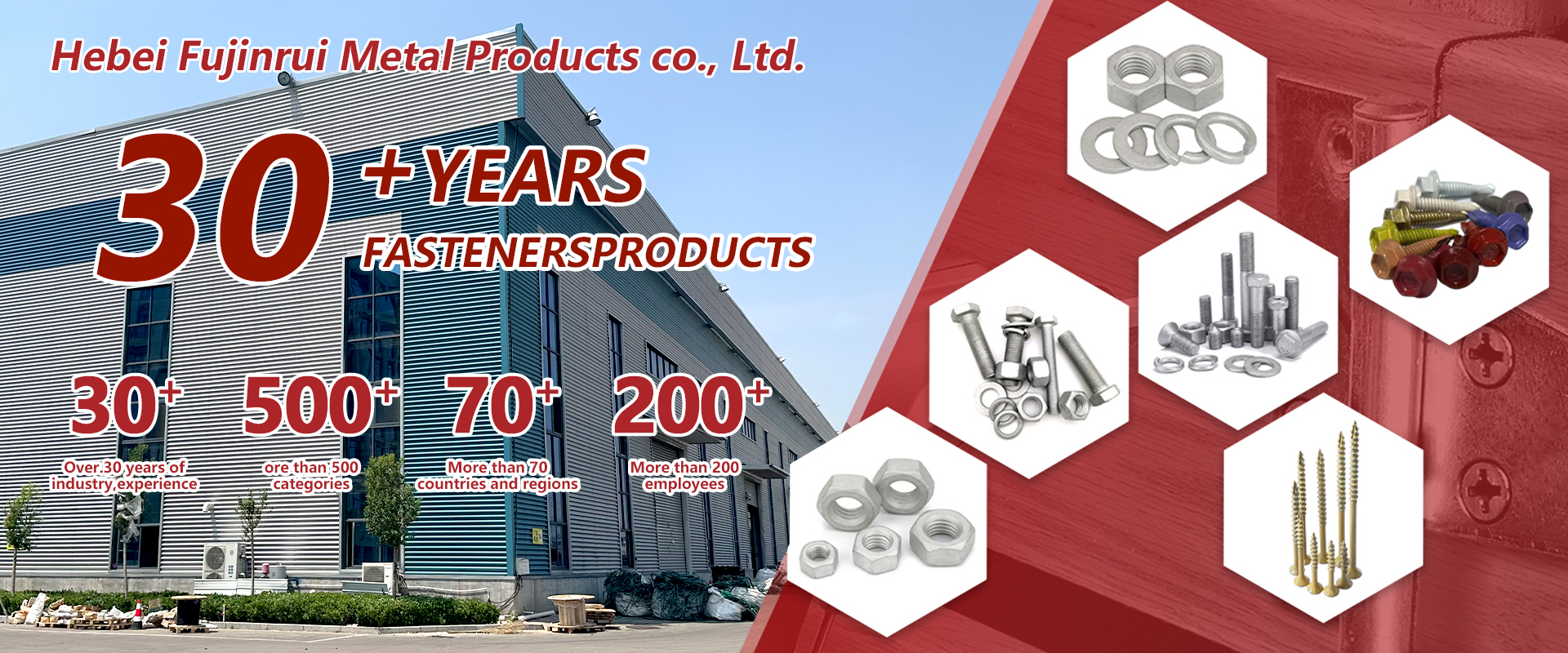
When selecting a long-term partner for your HVAC fastener needs, experience and capacity are paramount. Hebei Fujinrui Metal Products Co., Ltd. stands as a testament to enduring quality and manufacturing excellence. Established in 2004 and located in Handan City, Hebei Province, the company has grown into a comprehensive enterprise integrating fastener production with advanced metal surface corrosion protection.
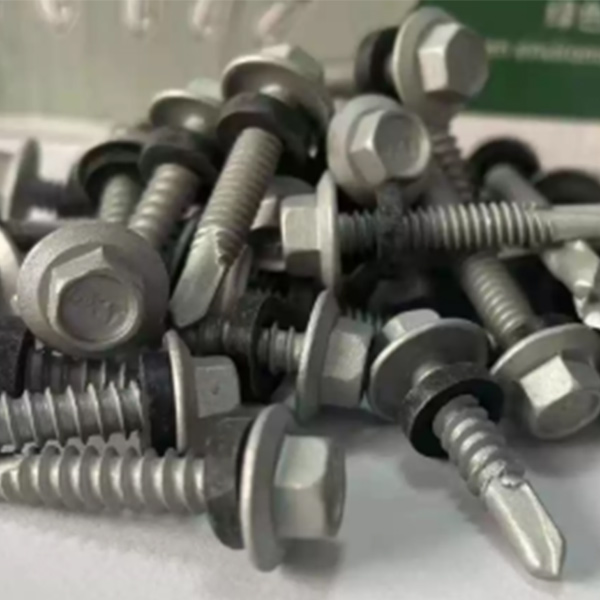
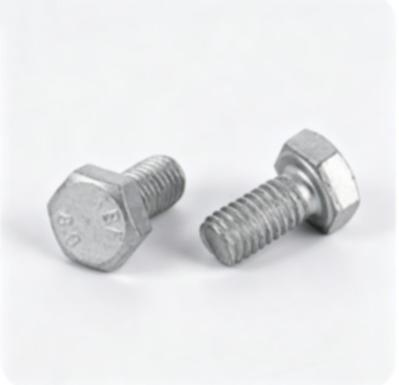
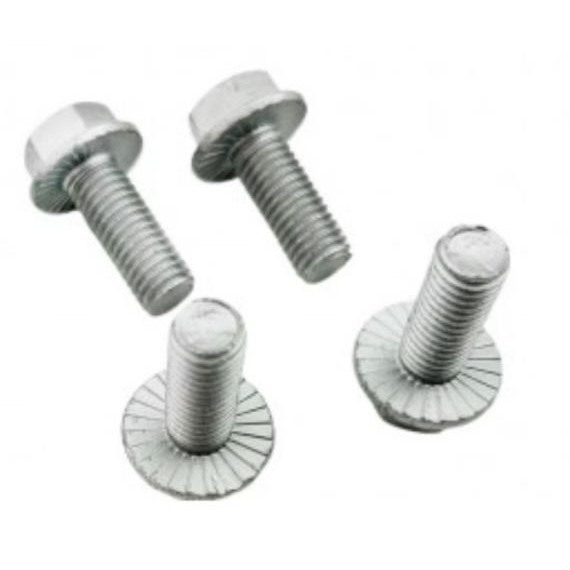
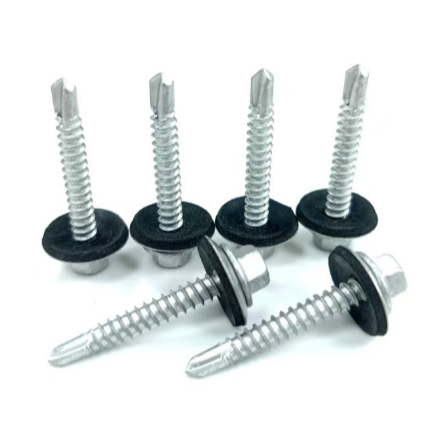
Spanning a 10,000-square-meter facility and supported by a dedicated team of over 200 professionals, Fujinrui brings more than 20 years of specialized industry experience to every order. Their mature production technology team ensures that every hexagonal bolt, nut, flange fastener, washer, and self-drilling screw meets rigorous international standards, including American, German, and National specifications.
With a year-round availability of stock and a proven track record of exporting high-quality products to Europe, America, the Middle East, and beyond, Hebei Fujinrui offers the perfect blend of competitive pricing and uncompromising reliability. For businesses seeking a supplier that combines deep technical expertise with scalable production capabilities, they represent a strategic choice for securing your supply chain in 2026 and beyond.
Conclusion and Strategic Sourcing Recommendations
Selecting the right air conditioner nut supplier is a strategic decision that impacts operational reliability and long-term maintenance costs. Factory direct sourcing in 2026 offers the optimal balance of price, quality, and technical support.
This approach is ideal for HVAC contractors, equipment manufacturers, and facility managers who prioritize system longevity and want to avoid the risks associated with generic hardware. Direct partnerships ensure access to the latest material innovations.
To proceed, evaluate your current supply chain for inefficiencies and request material certifications from potential partners. Prioritize suppliers who demonstrate transparency in their manufacturing processes and offer robust technical assistance.
Investing in high-quality fasteners today prevents costly downtime tomorrow. Make the switch to a dedicated factory-direct provider to secure your position in the competitive HVAC market with superior component reliability.