- English
- Chinese
- French
- German
- Portuguese
- Spanish
- Russian
- Japanese
- Korean
- Arabic
- Irish
- Greek
- Turkish
- Italian
- Danish
- Romanian
- Indonesian
- Czech
- Afrikaans
- Swedish
- Polish
- Catalan
- Esperanto
- Hindi
- Lao
- Albanian
- Amharic
- Armenian
- Azerbaijani
- Belarusian
- Bengali
- Bosnian
- Bulgarian
- Cebuano
- Chichewa
- Corsican
- Croatian
- Dutch
- Estonian
- Filipino
- Finnish
- Frisian
- Galician
- Georgian
- Gujarati
- Haitian
- Hausa
- Hawaiian
- Hebrew
- Hmong
- Hungarian
- Icelandic
- Igbo
- Javanese
- Kannada
- Kazakh
- Khmer
- Kurdish
- Kyrgyz
- Latin
- Latvian
- Lithuanian
- Luxembou..
- Macedonian
- Malagasy
- Malay
- Malayalam
- Maltese
- Maori
- Marathi
- Mongolian
- Burmese
- Nepali
- Norwegian
- Pashto
- Persian
- Punjabi
- Serbian
- Sesotho
- Sinhala
- Slovak
- Slovenian
- Somali
- Samoan
- Scots Gaelic
- Shona
- Sindhi
- Sundanese
- Swahili
- Tajik
- Tamil
- Telugu
- Thai
- Ukrainian
- Urdu
- Uzbek
- Vietnamese
- Welsh
- Xhosa
- Yiddish
- Yoruba
- Zulu
- Kinyarwanda
- Tatar
- Oriya
- Turkmen
- Uyghur

Understanding Bolt Pricing Factors: A Guide for B2B Procurement
2026-10-30
- The Complexity of Bolt Pricing in Modern Procurement
- Raw Material Costs: The Foundation of Bolt Pricing
- Manufacturing Processes and Technical Precision
- Surface Treatment and Corrosion Protection
- Quality Assurance and Compliance Costs
- Supply Chain Dynamics and Logistics
- Total Cost of Ownership (TCO) in Fastener Procurement
- Strategic Sourcing: How to Evaluate Suppliers
- Common Misconceptions About Bolt Pricing
- FAQ: Understanding Bolt Prices
- Conclusion: Making Informed Procurement Decisions
Summary Understanding bolt prices requires more than comparing unit costs; it involves analyzing raw material volatility, manufacturing complexity, surface treatment technologies like Dacromet, and total cost of ownership. This guide details the critical factors influencing fastener pricing in 2026, helping B2B procurement professionals make informed decisions that balance quality, compliance, and budget efficiency.
The Complexity of Bolt Pricing in Modern Procurement
In the realm of industrial construction and manufacturing, fasteners are often viewed as minor components, yet their failure can lead to catastrophic structural issues. For B2B procurement professionals, understanding bolt prices is not merely about finding the lowest quote on a spreadsheet. It is about deciphering the underlying value drivers that determine whether a fastener will perform reliably over its intended lifecycle. In 2026, the global supply chain for metal products has matured into a landscape where transparency, technical compliance, and material integrity are paramount.
The price of a bolt is the culmination of multiple variables: the fluctuating cost of raw steel, the energy intensity of cold forging, the precision of thread rolling, and the sophistication of corrosion protection systems. A hexagon bolt that appears inexpensive at the point of purchase may carry hidden costs if it fails premature salt spray tests or lacks the tensile strength required for high-load applications. Conversely, a premium-priced fastener from a vertically integrated manufacturer like Hebei Fujinrui Metal Products Co., Ltd. offers traceability, consistent quality control, and advanced surface treatments that reduce long-term maintenance expenses.
This article serves as a comprehensive guide for procurement managers, engineers, and project leads. It breaks down the specific factors that influence bolt pricing, explains how to evaluate supplier quotes beyond the bottom line, and highlights the importance of partnering with manufacturers who prioritize both technical excellence and ethical production standards.
Raw Material Costs: The Foundation of Bolt Pricing
The most significant variable in determining bolt prices is the cost of raw materials. Fasteners are primarily manufactured from carbon steel, alloy steel, or stainless steel, each with distinct market dynamics and price structures. Understanding these material grades is essential for accurate budget forecasting.
Carbon Steel vs. Alloy Steel
Carbon steel remains the most widely used material for general-purpose fasteners due to its balance of strength and cost. Grades such as 4.8, 8.8, 10.9, and 12.9 refer to the tensile strength of the bolt. As the grade increases, so does the complexity of the heat treatment process required to achieve the desired mechanical properties. For instance, producing a Grade 12.9 high-strength bolt involves precise quenching and tempering cycles that consume more energy and require stricter quality control than a Grade 4.8 standard bolt. This additional processing time directly impacts the final unit price.
Alloy steels, which contain elements like chromium, molybdenum, or nickel, are used for specialized applications requiring higher toughness or resistance to extreme temperatures. The scarcity and refining costs of these alloying elements make alloy steel bolts significantly more expensive. Procurement teams must verify whether the application truly necessitates alloy steel or if a properly treated high-grade carbon steel would suffice, thereby optimizing costs without compromising safety.
Stainless Steel and Market Volatility
Stainless steel fasteners, particularly those made from 304 and 316 grades, are priced differently due to their reliance on nickel and chromium markets. Nickel prices are historically volatile, subject to geopolitical tensions and mining output fluctuations. In 2026, buyers must be aware that stainless steel bolt prices can shift rapidly based on London Metal Exchange (LME) trends. While stainless steel offers superior natural corrosion resistance, it is generally softer than hardened carbon steel, making it unsuitable for high-tension structural joints unless specifically engineered. The decision to use stainless steel should be driven by environmental requirements rather than a default assumption of higher quality.
Wire Rod Quality and Sourcing
Not all steel wire rods are created equal. High-performance fasteners require clean, defect-free wire rods to prevent cracking during the cold heading process. Reputable manufacturers, such as Hebei Fujinrui, source raw materials from certified mills that provide mill test certificates ensuring chemical composition and mechanical property consistency. Lower-priced suppliers may use recycled or lower-grade wire rods, which can lead to increased rejection rates during production and potential field failures. The cost difference in raw material sourcing is often reflected in the reliability of the final product.
Manufacturing Processes and Technical Precision
Once the raw material is selected, the manufacturing process dictates a substantial portion of the bolt’s cost. The transition from wire rod to finished fastener involves several stages, each adding value and cost.
Cold Heading and Thread Rolling
Cold heading is the process of shaping the bolt head and shank using high-pressure dies. This method is efficient and produces strong grain structures, but it requires expensive, precision-machined tooling. For standard sizes like M10 or M12, tooling costs are amortized over millions of units, keeping prices low. However, for non-standard or large-diameter bolts, such as the 20mm full-thread DIN931 hex bolts produced by Hebei Fujinrui, the tooling wear and setup time are higher, leading to increased unit costs.
Thread rolling, which forms the threads by displacing material rather than cutting it, enhances the fatigue strength of the bolt. This process requires precise alignment and robust machinery. Manufacturers with automated, high-speed thread rolling lines can offer competitive pricing due to economies of scale. In contrast, smaller workshops with older equipment may have higher labor costs and slower production rates, which can paradoxically result in higher prices for lower-quality outputs.
Heat Treatment Complexities
For high-strength bolts (Grade 8.8 and above), heat treatment is non-negotiable. This process involves heating the bolts to specific temperatures and cooling them at controlled rates to achieve the desired hardness and tensile strength. Energy costs, particularly in regions with varying electricity tariffs, play a role here. Moreover, heat treatment furnaces must be regularly calibrated to ensure uniformity. Inconsistent heat treatment can lead to brittle bolts that snap under load or soft bolts that strip during installation. The investment in rigorous quality management systems, including regular hardness testing and microstructure analysis, is a cost factor that distinguishes professional manufacturers from casual producers.
Tolerance and Precision Standards
International standards such as ISO, DIN, ANSI, and JIS define the dimensional tolerances for fasteners. Tighter tolerances require more precise machining and more frequent quality inspections. For example, bolts used in automotive or aerospace applications often demand tighter fits than those used in general construction. Meeting these strict specifications reduces production speed and increases scrap rates, thereby raising the price. Procurement professionals should specify the exact standard required for their application to avoid paying for unnecessary precision or, conversely, risking failure by accepting loose tolerances.
Surface Treatment and Corrosion Protection
One of the most critical yet often misunderstood aspects of bolt pricing is surface treatment. The environment in which a fastener operates determines the level of corrosion protection required, which significantly influences cost. Advanced coating technologies are not just aesthetic; they are functional necessities that extend the lifespan of the structure.
Dacromet and Geomet Coatings
Dacromet, a type of zinc flake coating, is renowned for its exceptional corrosion resistance and lack of hydrogen embrittlement risk. Unlike traditional electroplating, Dacromet provides a uniform coating thickness even on complex geometries and threaded areas. The process involves dipping the bolts in a solution containing zinc and aluminum flakes, followed by curing at high temperatures. This technology is more expensive than standard zinc plating due to the cost of raw materials and the energy-intensive curing process. However, for applications in coastal areas, chemical plants, or outdoor infrastructure, Dacromet-coated bolts like the High Rust Resistance DIN931 Dacromet Hex Bolts offered by Hebei Fujinrui provide a superior return on investment by minimizing maintenance and replacement needs.
1500H Anti-Corrosion Treatments
In 2026, demand for ultra-high-performance coatings has grown. The 1500H-rated anti-corrosion treatment refers to coatings that can withstand 1500 hours of neutral salt spray testing without showing red rust. Achieving this level of protection requires sophisticated chemical formulations and strict process control. These coatings are essential for projects in harsh marine environments or industrial zones with high pollution levels. While the upfront cost of 1500H-coated fasteners is higher, the total cost of ownership is lower because they eliminate the need for frequent inspections and replacements. Procurement teams should evaluate the expected service life of the project when choosing between standard zinc plating and advanced coatings like 1500H or Dacromet.
EPDM Washers and Sealing Solutions
For roofing and cladding applications, bolts often come integrated with EPDM (Ethylene Propylene Diene Monomer) washers. These washers create a watertight seal around the bolt head, preventing water ingress that could lead to internal corrosion. The quality of the EPDM rubber is crucial; inferior rubber can harden and crack under UV exposure, compromising the seal. High-quality EPDM washers, such as those used in Hebei Fujinrui’s Hex Self-drilling Screws, add to the material cost but are vital for building envelope integrity. When comparing prices, ensure that the washer material specification is included in the quote, as some suppliers may substitute cheaper, less durable rubber compounds to lower costs.
Quality Assurance and Compliance Costs
Quality assurance (QA) is not an overhead cost to be minimized; it is an insurance policy against failure. The rigor of a manufacturer’s QA system is a major differentiator in bolt pricing.
Testing and Certification
Reputable manufacturers conduct extensive testing at every stage of production. This includes raw material inspection, in-process dimensional checks, hardness testing, torque testing, and salt spray testing for coated products. Each test requires equipment, skilled technicians, and time. For example, salt spray testing is a destructive test that takes days to complete. Maintaining a laboratory capable of performing these tests in-house, as Hebei Fujinrui does, ensures rapid feedback loops and consistent quality. Suppliers who outsource testing or skip certain checks may offer lower prices, but they transfer the risk of non-compliance to the buyer. In regulated industries, having traceable batch records and certified test reports is mandatory, and this administrative burden is factored into the price.
Standards Compliance
Compliance with international standards such as ASTM, DIN, ISO, and GB is essential for global trade. Achieving and maintaining certifications requires regular audits, documentation, and adherence to strict operational protocols. Manufacturers who invest in these certifications demonstrate a commitment to quality and reliability. For B2B buyers, purchasing from a certified supplier reduces the risk of receiving non-conforming goods that could halt construction projects or lead to legal liabilities. The cost of compliance is embedded in the price of the bolt, reflecting the manufacturer’s dedication to meeting global benchmarks.
Traceability and Batch Control
Traceability allows every bolt to be linked back to its raw material batch and production run. This is critical for root cause analysis in the event of a failure. Implementing a traceability system requires robust inventory management and labeling processes. While this adds administrative complexity, it provides invaluable data for quality improvement and customer support. Buyers should prioritize suppliers who offer full traceability, as it indicates a mature and transparent operation.
Supply Chain Dynamics and Logistics
Beyond the factory gate, logistics and supply chain efficiency play a significant role in the landed cost of bolts. In 2026, global shipping routes and freight rates remain dynamic, influenced by fuel costs, geopolitical events, and port congestion.
Packaging and Handling
Proper packaging is essential to prevent damage during transit. Fasteners are heavy and dense, requiring sturdy boxes, pallets, and sometimes shrink wrapping to protect against moisture and physical impact. Customized packaging solutions, such as branded boxes or specific weight limits per carton, add to the cost but enhance handling efficiency for the buyer. Hebei Fujinrui offers customized packaging options to meet the specific logistical needs of its international clients, ensuring that products arrive in pristine condition.
Lead Times and Inventory Management
Just-in-time delivery is increasingly important for construction projects with tight schedules. Manufacturers with stable production capacity and consistent stock levels, like Hebei Fujinrui, can offer shorter lead times and greater flexibility. Maintaining inventory of popular items, such as Outer Hexagon Bolts and Self-drilling Screws, requires capital investment and warehouse space. However, this readiness allows buyers to avoid costly project delays. When evaluating quotes, consider the supplier’s ability to deliver on time, as late deliveries can incur penalties and disrupt downstream operations.
Geographic Advantages
Hebei Province, particularly Handan City, is a major hub for fastener manufacturing in China. This clustering effect provides access to a skilled workforce, specialized suppliers, and efficient logistics networks. Manufacturers located in these established industrial zones benefit from economies of scale and reduced transportation costs for raw materials. These efficiencies can be passed on to buyers in the form of competitive pricing without sacrificing quality.
Total Cost of Ownership (TCO) in Fastener Procurement
To truly understand bolt prices, procurement professionals must adopt a Total Cost of Ownership (TCO) perspective. TCO includes not only the purchase price but also costs related to installation, maintenance, failure, and disposal.
| Cost Component | Low-Cost Supplier | Premium Manufacturer (e.g., Hebei Fujinrui) |
|---|---|---|
| Unit Price | Lower | Competitive, potentially higher initially |
| Quality Consistency | Variable, higher rejection rate | High, strict QC standards |
| Installation Efficiency | Lower, due to fit issues | Higher, precise tolerances |
| Maintenance Frequency | Higher, due to corrosion | Lower, advanced coatings |
| Risk of Failure | Higher, potential liability | Minimal, certified performance |
| Lifespan | Shorter | Extended, especially with Dacromet/1500H |
As illustrated in the table, a lower unit price does not equate to lower overall costs. Premium fasteners with advanced corrosion protection and precise manufacturing reduce installation time, minimize maintenance, and extend the lifespan of the structure. For long-term projects, the TCO of high-quality fasteners is often significantly lower than that of cheaper alternatives.
Strategic Sourcing: How to Evaluate Suppliers
Selecting the right supplier is as important as negotiating the price. Here are key criteria for evaluating fastener manufacturers:
- Technical Expertise: Does the supplier have a dedicated technical team? Can they provide application guidance and standardization consultation? Hebei Fujinrui employs over 200 professionals with decades of cumulative experience, offering valuable support for complex projects.
- Manufacturing Capability: Is the facility vertically integrated? Vertical integration, from cold forging to surface coating, ensures better control over quality and lead times. Look for manufacturers with in-house heat treatment and coating lines.
- Product Range: A diverse product matrix allows for one-stop sourcing, reducing logistical complexity. Ensure the supplier offers the specific types of fasteners you need, such as Self-drilling Screws, Flange Bolts, and Rigging Components.
- Quality Certifications: Verify that the supplier holds relevant ISO certifications and complies with international standards like ASTM and DIN. Request sample test reports to validate their claims.
- Transparency and Communication: A reliable partner communicates openly about production status, potential delays, and quality issues. Responsive customer support is a hallmark of a professional organization.
Common Misconceptions About Bolt Pricing
“All Bolts Are the Same”
This is perhaps the most dangerous misconception. While two bolts may look identical, differences in material grade, heat treatment, and coating can result in vastly different performance characteristics. A bolt that looks like a standard Grade 8.8 may actually be made from lower-grade steel with a superficial coating, posing a severe safety risk.
“Higher Price Always Means Better Quality”
While price is an indicator, it is not a guarantee. Some suppliers may charge premium prices for branding alone. It is essential to verify the technical specifications and quality controls behind the price. Conversely, a lower price from a vertically integrated manufacturer like Hebei Fujinrui may reflect operational efficiencies rather than compromised quality.
“Corrosion Protection is Optional”
In many environments, corrosion protection is critical. Skipping advanced coatings to save money can lead to premature failure, especially in humid or saline conditions. Investing in proper surface treatment is a cost-effective strategy for long-term durability.
FAQ: Understanding Bolt Prices
Why do bolt prices fluctuate so frequently?
Bolt prices are heavily influenced by the cost of raw materials, particularly steel and nickel, which are traded on global commodity markets. Fluctuations in energy costs, freight rates, and currency exchange rates also contribute to price volatility. Additionally, changes in environmental regulations can impact the cost of surface treatment processes.
What is the difference between zinc plating and Dacromet coating?
Zinc plating is a standard electrochemical process that provides basic corrosion resistance. Dacromet is a zinc-flake coating that offers superior corrosion resistance, no hydrogen embrittlement, and better coverage on threaded areas. Dacromet is more expensive but is recommended for harsh environments and high-strength applications.
How can I ensure I am getting the correct grade of bolt?
Always request mill test certificates and batch-specific quality reports from your supplier. Reputable manufacturers like Hebei Fujinrui provide full traceability, allowing you to verify the material composition and mechanical properties of each batch. Visual markings on the bolt head can also indicate the grade, but these should be verified with documentation.
Is it worth paying more for self-drilling screws with EPDM washers?
Yes, for roofing and cladding applications. The EPDM washer creates a watertight seal that prevents leaks and internal corrosion. High-quality EPDM resists UV degradation and temperature extremes, ensuring long-term performance. Cheaper alternatives may fail prematurely, leading to costly repairs.
Conclusion: Making Informed Procurement Decisions
Understanding bolt prices is a multifaceted task that goes beyond simple number comparison. It requires a deep appreciation of material science, manufacturing processes, surface treatment technologies, and supply chain dynamics. In 2026, the most successful procurement strategies are those that prioritize value over volume, quality over cheapness, and partnership over transaction.
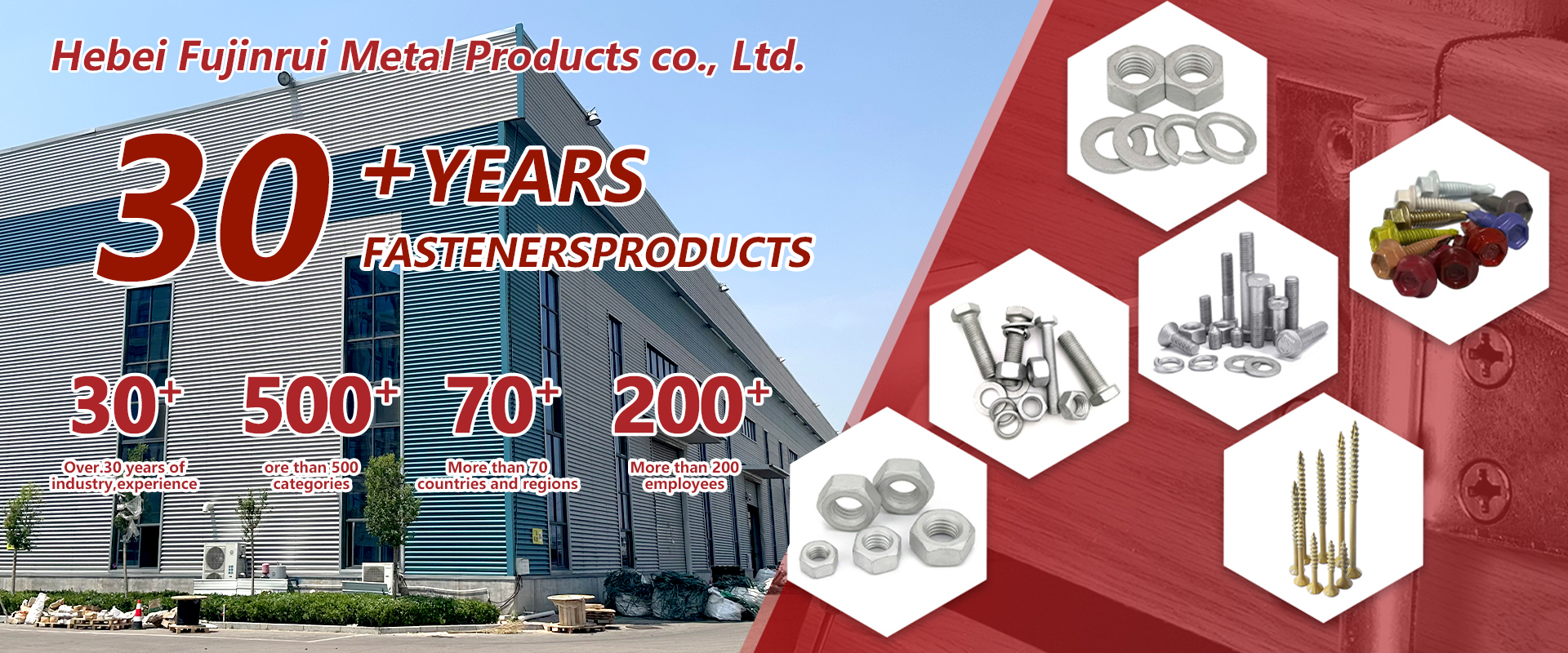
By recognizing the impact of raw material volatility, the importance of precision manufacturing, and the critical role of advanced corrosion protection like Dacromet and 1500H coatings, B2B buyers can make decisions that safeguard their projects and optimize their budgets. Partnering with a reliable, standards-compliant manufacturer such as Hebei Fujinrui Metal Products Co., Ltd. ensures access to high-performance fasteners, technical expertise, and consistent quality. Their vertically integrated facility, rigorous quality management system, and commitment to ethical business practices make them a trusted partner for global industrial and construction applications.
Ultimately, the true cost of a bolt is measured by its performance over time. Investing in quality fasteners is an investment in the safety, durability, and success of your infrastructure projects. As you navigate the complexities of bolt pricing, let technical integrity and long-term value guide your procurement choices.