- English
- Chinese
- French
- German
- Portuguese
- Spanish
- Russian
- Japanese
- Korean
- Arabic
- Irish
- Greek
- Turkish
- Italian
- Danish
- Romanian
- Indonesian
- Czech
- Afrikaans
- Swedish
- Polish
- Catalan
- Esperanto
- Hindi
- Lao
- Albanian
- Amharic
- Armenian
- Azerbaijani
- Belarusian
- Bengali
- Bosnian
- Bulgarian
- Cebuano
- Chichewa
- Corsican
- Croatian
- Dutch
- Estonian
- Filipino
- Finnish
- Frisian
- Galician
- Georgian
- Gujarati
- Haitian
- Hausa
- Hawaiian
- Hebrew
- Hmong
- Hungarian
- Icelandic
- Igbo
- Javanese
- Kannada
- Kazakh
- Khmer
- Kurdish
- Kyrgyz
- Latin
- Latvian
- Lithuanian
- Luxembou..
- Macedonian
- Malagasy
- Malay
- Malayalam
- Maltese
- Maori
- Marathi
- Mongolian
- Burmese
- Nepali
- Norwegian
- Pashto
- Persian
- Punjabi
- Serbian
- Sesotho
- Sinhala
- Slovak
- Slovenian
- Somali
- Samoan
- Scots Gaelic
- Shona
- Sindhi
- Sundanese
- Swahili
- Tajik
- Tamil
- Telugu
- Thai
- Ukrainian
- Urdu
- Uzbek
- Vietnamese
- Welsh
- Xhosa
- Yiddish
- Yoruba
- Zulu
- Kinyarwanda
- Tatar
- Oriya
- Turkmen
- Uyghur

Wholesale Wheel Bolt Supplier & Factory Direct Price
2026-10-12
- What Is a Wheel Bolt and Why Does Quality Matter?
- Types of Wheel Bolts: Choosing the Right Specification
- Technical Specifications and Material Standards
- Why Choose Factory Direct Pricing from Hebei Fujinrui?
- Common Mistakes When Sourcing Wheel Bolts
- Applications and Market Segments
- FAQ: Frequently Asked Questions About Wheel Bolts
- How to Request a Quote and Start Cooperation
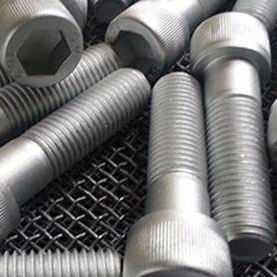
Looking for a reliable wheel bolt supplier? Securing high-quality wheel bolts directly from the factory ensures competitive pricing, consistent quality, and strict adherence to international automotive standards. Wheel bolts are critical safety components that connect the wheel to the vehicle hub, requiring precise tensile strength, thread accuracy, and corrosion resistance. As a manufacturer with over 20 years of experience, Hebei Fujinrui Metal Products Co., Ltd. provides OEM and ODM solutions for global distributors, auto parts brands, and assembly lines. We specialize in producing hexagonal, flange, and custom wheel bolts that meet DIN, ISO, JIS, and ANSI specifications, ensuring your supply chain remains robust and cost-effective.
What Is a Wheel Bolt and Why Does Quality Matter?
A wheel bolt, often referred to as a lug bolt in certain regions, is a threaded fastener designed to secure a vehicle’s wheel to its hub or brake drum. Unlike wheel studs, which are pressed into the hub, wheel bolts pass through the wheel holes and screw directly into threaded holes in the hub. This design is common in many European and Asian vehicle manufacturers.
The integrity of a wheel bolt is non-negotiable. It withstands dynamic loads, including shear forces during cornering, tension during acceleration, and vibration from road irregularities. A failure in this component can lead to catastrophic safety issues. Therefore, sourcing from a verified wheel bolt manufacturer who understands metallurgy and heat treatment is essential for any business in the automotive aftermarket or OEM sector.
Key Functions of Automotive Wheel Bolts
- Structural Integrity: Maintains the physical connection between the wheel and the axle under heavy loads.
- Vibration Dampening: High-quality threads and proper torque specifications prevent loosening due to constant vibration.
- Precision Alignment: Ensures the wheel is centered correctly, preventing wobble and uneven tire wear.
- Corrosion Resistance: Protects against rust and seizing, which is crucial for vehicle longevity and maintenance ease.
Types of Wheel Bolts: Choosing the Right Specification
Not all wheel bolts are created equal. Different vehicles require specific head styles, thread pitches, and lengths. Understanding these variations is key to selecting the right product for your inventory or production line.
1. Hex Head Wheel Bolts
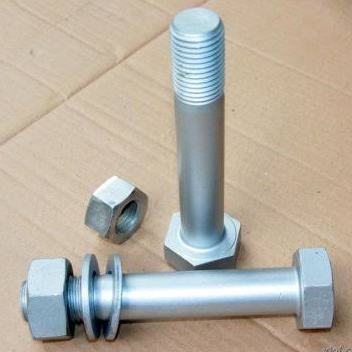
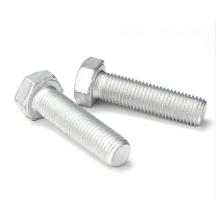
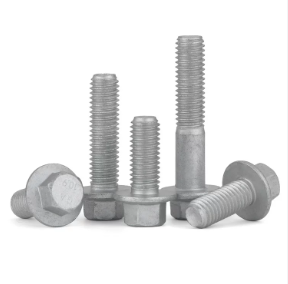
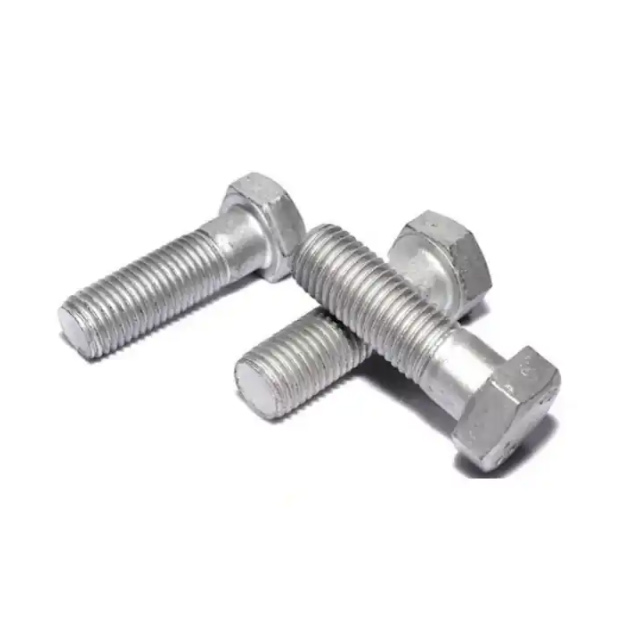
The most traditional type, featuring a six-sided head. These require a socket or wrench for installation. They are widely used in commercial vehicles and older passenger car models due to their simplicity and high torque capability.
2. Flange Wheel Bolts (Ball Seat & Flat Seat)
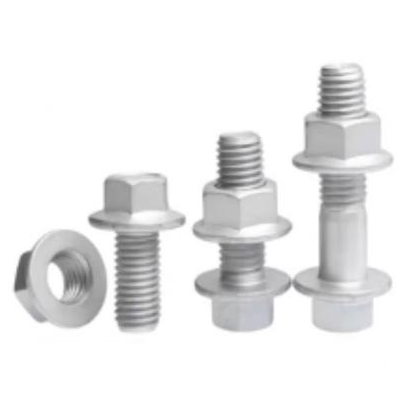
Modern passenger vehicles predominantly use flange bolts. The head integrates a washer-like flange that distributes clamping force over a wider area, reducing the risk of damaging alloy wheels.
- Ball Seat (Radius Seat): Features a spherical underside. Common in BMW, Mercedes-Benz, and Volkswagen groups. It allows for slight angular misalignment during installation.
- Flat Seat (Conical Seat): Features a tapered underside (usually 60 degrees). Common in Ford, Honda, and Toyota models. It centers the wheel precisely through the taper fit.
3. Tuner and Aftermarket Wheel Bolts
Designed for aesthetic appeal and lightweight performance, these often come in black oxide, chrome, or colored finishes. They may feature extended shanks or specialized heads for mag wheels. Sourcing these requires a supplier capable of precise surface treatment and custom packaging.
Technical Specifications and Material Standards
When evaluating a wheel bolt supplier, technical compliance is the primary indicator of expertise. At Hebei Fujinrui Metal Products Co., Ltd., we adhere to rigorous material and manufacturing standards to ensure every bolt meets safety requirements.
Material Grades and Strength Classes
Wheel bolts are typically manufactured from medium carbon steel or alloy steel. The most common strength grades include:
- Grade 8.8: Standard for many passenger vehicles. Offers a good balance of tensile strength and ductility.
- Grade 10.9: High-strength requirement for heavier vehicles, SUVs, and performance cars. Requires precise quenching and tempering.
- Grade 12.9: Ultra-high strength, used in specialized racing or heavy-duty industrial applications.
Our production facility in Handan City utilizes advanced heat treatment processes to achieve these mechanical properties consistently. We ensure that the core hardness and surface hardness are optimized to prevent brittle fracture while maintaining thread integrity.
Thread Standards and Precision
Thread accuracy is vital for proper torque application. Common thread pitches include M12x1.5, M14x1.5, and M12x1.25. Deviations in thread pitch can lead to cross-threading or false torque readings. Our manufacturing team employs precision rolling and cutting techniques to ensure class 6g or 6h thread tolerance, compatible with global automotive standards.
| Specification | Details | Application Context |
|---|---|---|
| Material | Medium Carbon Steel (C45, 35K), Alloy Steel (40Cr, SCM435) | Determines tensile strength and fatigue resistance. |
| Strength Grade | 8.8, 10.9, 12.9 | Must match vehicle manufacturer specifications. |
| Surface Treatment | Zinc Plating, Geomet, Dacromet, Black Oxide | Corrosion protection; Geomet/Dacromet offers superior salt spray resistance. |
| Head Style | Hex, Ball Seat Flange, Flat Seat Flange | Depends on wheel design and hub interface. |
| Standards | DIN 933, ISO 4014, JIS B 1176, ANSI B18.2.1 | Ensures global compatibility and regulatory compliance. |
Why Choose Factory Direct Pricing from Hebei Fujinrui?
In the competitive landscape of automotive fasteners, eliminating middlemen is the most effective strategy for improving margin and ensuring quality control. Hebei Fujinrui Metal Products Co., Ltd. stands out as a premier wheel bolt factory by integrating production and surface treatment under one roof.
Integrated Manufacturing Capabilities
Established in 2004, our facility covers 10,000 square meters and houses a dedicated team of over 200 skilled professionals. Unlike trading companies, we control every step of the process:
- Raw Material Selection: We source high-grade steel from certified mills, ensuring traceability.
- Cold Forging and Machining: Advanced headers and CNC machines produce precise shapes with minimal material waste.
- Heat Treatment: In-house furnaces allow for strict control over quenching and tempering cycles, critical for achieving Grade 10.9 and 12.9 strengths.
- Surface Corrosion Protection: We operate our own plating and coating lines, offering Zinc, Geomet, and Dacromet finishes. This integration reduces lead times and ensures consistent coating thickness.
Global Export Experience
With more than 20 years of experience in the fastener industry, we have established a strong footprint in Europe, America, and the Middle East. Our products comply with diverse regional standards, including American (ANSI/SAE), German (DIN), and International (ISO) norms. This global exposure means we understand the specific packaging, labeling, and documentation requirements for cross-border trade, smoothing the import process for our clients.
Quality Assurance and Testing
Trustworthiness is built on verification. Our quality control team performs regular tests, including:
- Tensile Strength Testing: Ensuring bolts meet or exceed grade requirements.
- Hardness Testing: Verifying core and surface hardness uniformity.
- Salt Spray Testing: Validating the corrosion resistance of our surface treatments.
- Dimensional Inspection: Using optical comparators to check thread pitch, head height, and shank length.
Common Mistakes When Sourcing Wheel Bolts
Procurement errors in the fastener industry can lead to costly returns, safety liabilities, and damaged reputations. Here are common pitfalls to avoid when selecting a supplier.
1. Ignoring Surface Treatment Requirements
Standard zinc plating may not suffice for vehicles exposed to harsh winter roads or coastal environments. Failing to specify high-performance coatings like Geomet or Dacromet can result in premature rusting and seized bolts. Always discuss the intended market environment with your supplier.
2. Overlooking Thread Pitch Compatibility
M12x1.5 and M12x1.25 look similar but are not interchangeable. Supplying the wrong pitch can strip the hub threads, causing expensive repairs. A reliable wheel bolt supplier will double-check vehicle application data before production.
3. Compromising on Heat Treatment
Some low-cost suppliers skip proper tempering to save energy costs. This results in brittle bolts that may snap under torque. Always request material certificates and test reports to verify heat treatment quality.
4. Poor Packaging Solutions
Wheel bolts are heavy and prone to shifting during transit. Inadequate packaging leads to damaged threads and scratched coatings. We provide robust cartons with internal dividers or custom blister packs to ensure products arrive in pristine condition, ready for retail or assembly.
Applications and Market Segments
Our wheel bolts serve a wide range of sectors. Understanding these applications helps in tailoring your order to specific market needs.
OEM and Aftermarket Replacement
The largest segment involves replacement parts for repair shops and auto parts stores. Consistency in dimensions and finish is crucial here, as mechanics rely on standard fits. We produce millions of units annually for this sector, ensuring batch-to-batch consistency.
Wheel Manufacturers and Alloy Wheel Brands
Companies producing aftermarket alloy wheels often need custom-length bolts or specialized seat types (e.g., extended shanks for deep-dish wheels). Our engineering team can customize lengths and head styles to match specific wheel designs.
Commercial and Heavy-Duty Vehicles
Trucks and buses require larger diameter bolts with higher strength grades. These applications demand extreme reliability. Our capacity to produce large-volume, high-strength fasteners makes us a preferred partner for commercial vehicle component suppliers.
FAQ: Frequently Asked Questions About Wheel Bolts
What is the difference between wheel bolts and wheel studs?
Wheel bolts screw directly into the hub, while wheel studs are pressed into the hub and secured with nuts. Bolts are common in European and Asian cars; studs are more common in American and Japanese trucks. The choice depends on the vehicle’s hub design.
How often should wheel bolts be replaced?
While not always mandatory, it is recommended to inspect wheel bolts during every tire rotation. Replace them if there are signs of stretching, thread damage, or severe corrosion. Many mechanics recommend replacing them when changing wheels to ensure optimal safety.
Can I use aftermarket wheel bolts on my car?
Yes, provided they match the exact specifications of the original equipment: thread size, pitch, length, seat type (ball or flat), and strength grade. Using incorrect specs can damage the hub or cause wheel detachment.
What is the best surface treatment for wheel bolts?
For standard conditions, zinc plating is cost-effective. For high corrosion resistance, especially in salty or humid environments, Geomet or Dacromet coatings are superior. Black oxide is often used for aesthetic purposes in tuner markets but offers less corrosion protection.
Does Hebei Fujinrui offer custom packaging?
Yes. We understand that branding is vital for distributors. We offer custom boxes, blister packs, and labeled bags with your logo and product information, helping you present a professional image to your end customers.
How to Request a Quote and Start Cooperation
Partnering with the right wheel bolt supplier streamlines your supply chain and enhances your product offering. At Hebei Fujinrui Metal Products Co., Ltd., we are committed to providing high-quality fasteners at factory-direct prices.
To get started, please prepare the following information for your inquiry:
- Specifications: Thread size, length, head type, and strength grade.
- Quantity: Estimated annual volume or initial trial order quantity.
- Surface Treatment: Preferred coating type and color.
- Packaging: Standard export packing or custom branded packaging.
Our sales and engineering teams are ready to assist you with technical drawings, sample provision, and competitive pricing. With our 20+ years of expertise, advanced production facilities, and dedication to quality, we are confident in becoming your long-term strategic partner in the fastener industry.
For detailed product catalogs, technical data sheets, or to discuss your specific requirements, please contact us today. Let us help you secure your supply chain with precision-engineered wheel bolts.