- English
- Chinese
- French
- German
- Portuguese
- Spanish
- Russian
- Japanese
- Korean
- Arabic
- Irish
- Greek
- Turkish
- Italian
- Danish
- Romanian
- Indonesian
- Czech
- Afrikaans
- Swedish
- Polish
- Catalan
- Esperanto
- Hindi
- Lao
- Albanian
- Amharic
- Armenian
- Azerbaijani
- Belarusian
- Bengali
- Bosnian
- Bulgarian
- Cebuano
- Chichewa
- Corsican
- Croatian
- Dutch
- Estonian
- Filipino
- Finnish
- Frisian
- Galician
- Georgian
- Gujarati
- Haitian
- Hausa
- Hawaiian
- Hebrew
- Hmong
- Hungarian
- Icelandic
- Igbo
- Javanese
- Kannada
- Kazakh
- Khmer
- Kurdish
- Kyrgyz
- Latin
- Latvian
- Lithuanian
- Luxembou..
- Macedonian
- Malagasy
- Malay
- Malayalam
- Maltese
- Maori
- Marathi
- Mongolian
- Burmese
- Nepali
- Norwegian
- Pashto
- Persian
- Punjabi
- Serbian
- Sesotho
- Sinhala
- Slovak
- Slovenian
- Somali
- Samoan
- Scots Gaelic
- Shona
- Sindhi
- Sundanese
- Swahili
- Tajik
- Tamil
- Telugu
- Thai
- Ukrainian
- Urdu
- Uzbek
- Vietnamese
- Welsh
- Xhosa
- Yiddish
- Yoruba
- Zulu
- Kinyarwanda
- Tatar
- Oriya
- Turkmen
- Uyghur

Wholesale Insert Nut Supplier | Direct Factory Prices 2026
2026-10-18
- What Is an Insert Nut and Why Is It Critical for Modern Assembly?
- Types of Insert Nuts: Selecting the Right Solution for Your Application
- Material Selection and Corrosion Protection Standards
- Installation Best Practices: Avoiding Common Failures
- Why Choose Hebei Fujinrui Metal Products Co., Ltd. as Your Supplier?
- Technical Specifications and Quality Control
- Frequently Asked Questions (FAQ)
- Applications Across Industries
- Conclusion: Secure Your Supply Chain with a Trusted Partner
Insert nuts, also known as threaded inserts or press-in nuts, are specialized fasteners designed to create durable, high-strength internal threads in soft materials such as plastic, wood, and composite panels. Unlike standard nuts that require access to both sides of a workpiece, insert nuts are installed directly into pre-drilled holes, providing a robust metal threading interface where direct tapping would fail. For B2B buyers and manufacturers in 2026, sourcing these components from a direct factory like Hebei Fujinrui Metal Products Co., Ltd. ensures consistent quality, adherence to international standards (ANSI, DIN, ISO), and competitive wholesale pricing without intermediary markups.
What Is an Insert Nut and Why Is It Critical for Modern Assembly?
An insert nut is a cylindrical metal component with internal threads and external features—such as knurls, barbs, or flanges—that lock it into the base material. Its primary function is to distribute load and prevent thread stripping in materials that lack structural integrity for standard screws. In industries ranging from automotive manufacturing to consumer electronics, the reliability of an assembly often depends on the quality of these small but vital components.
The engineering logic behind using insert nuts is straightforward: soft materials deform under stress. By embedding a hardened steel or brass insert, engineers transfer the clamping force from the fragile substrate to the metal insert. This prevents “pull-out” failure and allows for repeated assembly and disassembly, which is crucial for maintenance and repair operations. In 2026, as lightweight composites replace traditional metals in many applications, the demand for high-performance insert nuts has surged.
Core Functions of Threaded Inserts
- Thread Reinforcement: Provides strong metal threads in plastic, wood, or soft alloys.
- Load Distribution: Spreads clamping force over a larger area to prevent material cracking.
- Alignment Accuracy: Ensures precise positioning for mating components in complex assemblies.
- Reusability: Allows screws to be removed and reinstalled multiple times without damaging the base material.
Types of Insert Nuts: Selecting the Right Solution for Your Application
Choosing the correct type of insert nut is critical for product longevity. The selection process depends on the base material, installation method, and load requirements. At Hebei Fujinrui Metal Products Co., Ltd., we manufacture a diverse range of insert nuts tailored to specific industrial needs, ensuring compatibility with American, German, and national standards.
1. Knurled Insert Nuts (Press-In)
Knurled inserts feature diamond-shaped patterns on their outer surface. These knurls bite into the surrounding material when the nut is pressed in, providing excellent resistance to rotation and pull-out. They are ideal for manual or pneumatic press installation in thermoplastics and wood. The simplicity of design makes them a cost-effective solution for high-volume production lines.
2. Ultrasonic Insert Nuts
Designed for automated assembly, ultrasonic inserts are installed using high-frequency vibrations that melt the surrounding plastic slightly, allowing the nut to sink into place. Once cooled, the plastic solidifies around the insert’s undercuts, creating a hermetic seal and extremely high pull-out strength. This method is preferred in electronics and medical device manufacturing where precision and cleanliness are paramount.
3. Heat-Set Insert Nuts
Similar to ultrasonic inserts, heat-set nuts are installed by applying thermal energy to melt the substrate. They are commonly used in engineering plastics like PEEK or Delrin. The advantage here is the ability to achieve very tight tolerances and high torque values, making them suitable for high-stress mechanical assemblies.
4. Self-Tapping Insert Nuts
These inserts have external threads that cut into the base material as they are screwed in. They do not require pre-molded holes or specialized installation equipment, making them perfect for retrofitting or low-volume applications. However, they generally offer lower pull-out strength compared to press-in or ultrasonic options.
Material Selection and Corrosion Protection Standards
The durability of an insert nut is heavily influenced by its material composition and surface treatment. In harsh environments, such as outdoor infrastructure or marine applications, corrosion resistance is non-negotiable. Hebei Fujinrui Metal Products Co., Ltd. integrates advanced metal surface corrosion protection technologies into our production line, ensuring that every fastener meets rigorous durability standards.
| Material | Key Characteristics | Typical Applications |
|---|---|---|
| Carbon Steel | High tensile strength, cost-effective, requires coating for corrosion resistance. | Automotive interiors, furniture, general machinery. |
| Stainless Steel (304/316) | Excellent corrosion resistance, high temperature tolerance, hygienic. | Food processing, marine equipment, medical devices. |
| Brass | Natural corrosion resistance, non-magnetic, good electrical conductivity. | Electronics, plumbing fixtures, decorative hardware. |
| Aluminum | Lightweight, moderate strength, good for non-ferrous compatibility. | Aerospace components, lightweight consumer goods. |
Our facility in Handan City, Hebei Province, utilizes state-of-the-art plating and coating technologies. Whether you require zinc plating, black oxide, or hot-dip galvanizing, our mature production technology team ensures uniform coverage and adhesion. This integration of fastener production and surface treatment under one roof reduces lead times and guarantees consistent quality control.
Installation Best Practices: Avoiding Common Failures
Even the highest quality insert nut can fail if installed incorrectly. Understanding the mechanics of installation is essential for maintaining structural integrity. Below are the critical steps and common pitfalls to avoid during the assembly process.
Step-by-Step Installation Guide for Press-In Nuts
- Drill the Pilot Hole: Ensure the hole diameter matches the manufacturer’s specifications. A hole that is too large will result in poor retention; too small may cause material stress cracks.
- Align the Insert: Place the insert nut squarely into the hole. Misalignment can lead to cross-threading or uneven load distribution.
- Apply Uniform Pressure: Use a press or arbor press to push the insert in. Avoid hammering, as impact forces can deform the nut or damage the surrounding material.
- Check Depth: Ensure the insert is seated at the correct depth. Flush mounting is typical, but some designs require slight protrusion for specific mating parts.
Common Installation Errors
- Over-pressing: Pushing the insert too deep can weaken the material below it, reducing pull-out strength.
- Rotational Force: Twisting the insert during press-in can shear the knurls, compromising rotational resistance.
- Incorrect Hole Size: Deviating from recommended hole tolerances is the leading cause of insert failure.
- Ignoring Grain Direction: In wood or composite materials, installing against the grain can cause splitting.
Why Choose Hebei Fujinrui Metal Products Co., Ltd. as Your Supplier?
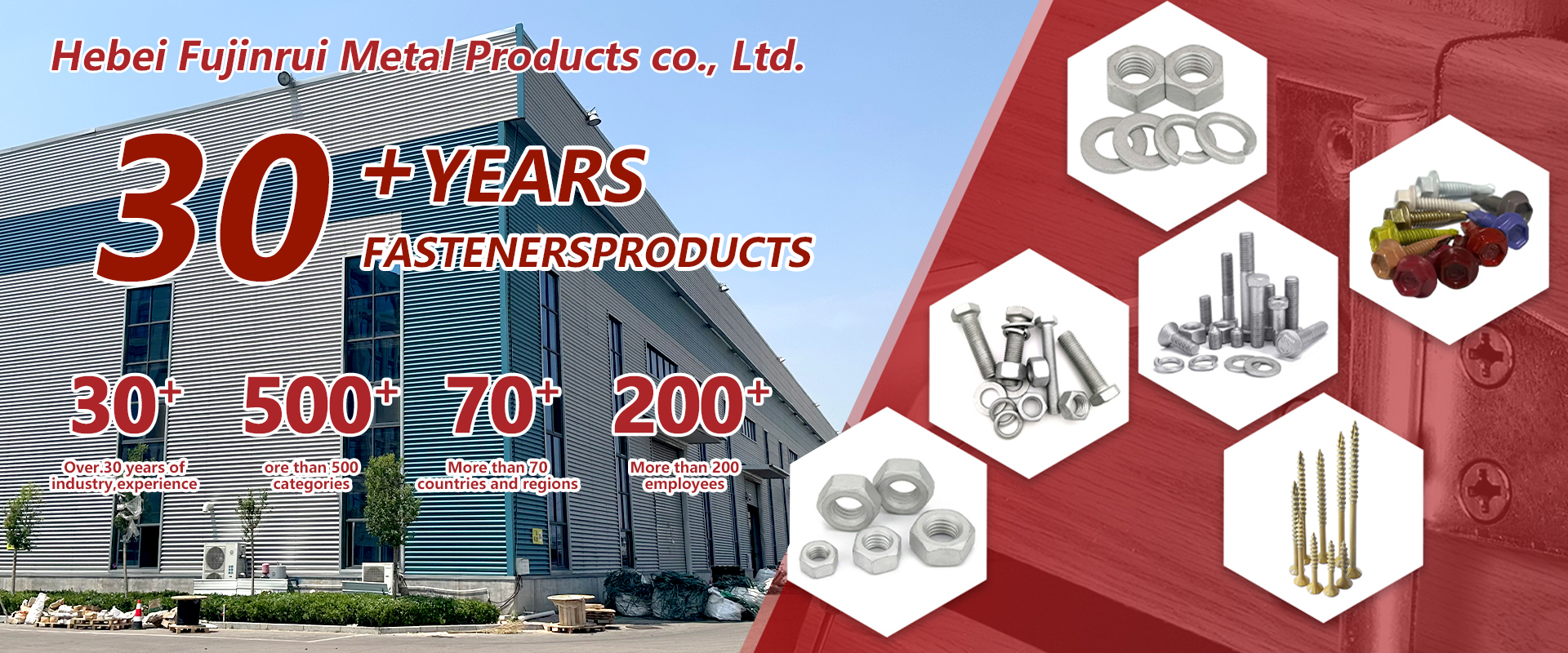
In the global fastener market, reliability and scalability are key differentiators. Established in 2004, Hebei Fujinrui Metal Products Co., Ltd. has grown into a comprehensive enterprise integrating fastener production and metal surface corrosion protection. Located in Handan City, a historic hub for standard parts manufacturing, our 10,000-square-meter facility is equipped to handle large-scale wholesale orders with precision and speed.
With a staff of more than 200 people, including a dedicated R&D and quality control team, we bring over 20 years of experience to every project. Our production capabilities extend beyond insert nuts to include self-drilling screws, hexagonal bolts and nuts, flange bolts, and various washers. This breadth of product availability allows us to serve as a one-stop solution for complex assembly needs, reducing supply chain complexity for our clients.
Key Advantages of Partnering with Fujinrui
- Direct Factory Pricing: By eliminating middlemen, we offer competitive wholesale prices that improve your bottom line.
- Global Compliance: Our products meet American (ANSI/ASME), German (DIN), and ISO standards, facilitating seamless exports to Europe, America, the Middle East, and beyond.
- Integrated Surface Treatment: Our in-house corrosion protection capabilities ensure faster turnaround times and stricter quality control compared to suppliers who outsource plating.
- Customization Capability: We support OEM and ODM requests, allowing for tailored solutions in size, material, and coating.
- Consistent Supply: With robust inventory management and production capacity, we ensure year-round availability of standard items.
Technical Specifications and Quality Control
Quality assurance is embedded in every stage of our manufacturing process. From raw material inspection to final packaging, each batch undergoes rigorous testing to ensure dimensional accuracy and mechanical performance. Our quality control protocols include:
- Dimensional Inspection: Using precision calipers and thread gauges to verify compliance with公差 (tolerance) standards.
- Hardness Testing: Ensuring materials meet required hardness levels for specific applications.
- Salt Spray Testing: Evaluating corrosion resistance of coated products to guarantee longevity in harsh environments.
- Torque-to-Failure Testing: Verifying that inserts can withstand specified torque loads without stripping or rotating.
This commitment to technical excellence has made us a trusted partner for distributors and manufacturers worldwide. We understand that in B2B transactions, trust is built on consistency. Every shipment from Fujinrui reflects our dedication to high-quality products and professional service.
Frequently Asked Questions (FAQ)
What is the difference between an insert nut and a regular nut?
A regular nut requires a bolt and access to both sides of the assembly. An insert nut is embedded into one side of a material (like plastic or wood) to create a threaded hole, allowing a screw to be fastened from the other side. This is essential when the base material is too soft to hold threads on its own.
Can insert nuts be reused?
Yes, one of the main advantages of metal insert nuts is reusability. Unlike direct-tapped threads in plastic, which wear out quickly, metal inserts allow screws to be removed and reinstalled multiple times without significant loss of holding power.
How do I choose the right size insert nut?
Selecting the right size involves matching the internal thread size (e.g., M4, M6, #8-32) to your screw and choosing an outer diameter that fits your pre-drilled hole. Consult the manufacturer’s datasheet for recommended hole sizes and installation depths to ensure optimal performance.
Do you provide custom packaging for wholesale orders?
Yes, Hebei Fujinrui Metal Products Co., Ltd. offers customized packaging solutions to meet brand-specific requirements. Whether you need bulk packaging for industrial use or retail-ready boxes, we can accommodate your logistics needs.
What certifications do your products hold?
Our manufacturing processes adhere to international quality standards. We produce according to ANSI, DIN, and ISO specifications. For specific certification requirements such as ISO 9001 or material test reports (MTRs), please contact our sales team for detailed documentation.
Applications Across Industries
The versatility of insert nuts makes them indispensable across various sectors. Understanding these applications helps in selecting the right specification for your project.
Automotive Industry
In modern vehicles, weight reduction is critical. Plastic composites are increasingly used for interior panels, dashboards, and lighting assemblies. Insert nuts provide the necessary strength to secure these components securely, resisting vibration and thermal cycling.
Consumer Electronics
Laptops, smartphones, and home appliances rely on precise assembly. Ultrasonic insert nuts are widely used here due to their clean installation process and ability to hold tight tolerances in compact spaces.
Furniture Manufacturing
Flat-pack furniture often uses insert nuts to allow consumers to assemble products easily. They provide stronger connections than direct screwing into particleboard or MDF, enhancing the durability of the final product.
Industrial Machinery
Heavy machinery requires robust fastening solutions. Flanged insert nuts and high-strength steel variants are used to secure covers, panels, and components that undergo frequent maintenance.
Conclusion: Secure Your Supply Chain with a Trusted Partner
In 2026, the demand for reliable, high-quality fasteners continues to grow. Whether you are manufacturing automotive components, consumer electronics, or industrial machinery, the integrity of your assembly depends on the quality of your insert nuts. Sourcing from a reputable manufacturer like Hebei Fujinrui Metal Products Co., Ltd. ensures that you receive products that meet international standards, offer superior corrosion resistance, and deliver consistent performance.
With over two decades of experience, a 10,000-square-meter production facility, and a commitment to integrated surface treatment, we are positioned to be your long-term strategic partner. We eliminate the risks associated with fragmented supply chains by offering comprehensive fastener solutions under one roof.
Ready to optimize your procurement strategy?
Contact Hebei Fujinrui Metal Products Co., Ltd. today to request a quote, sample kits, or technical specifications. Let our experienced team help you select the perfect insert nut solution for your application, ensuring quality, efficiency, and cost-effectiveness.
Explore Our Full Range of Fastener Solutions and Request a Quote