- English
- Chinese
- French
- German
- Portuguese
- Spanish
- Russian
- Japanese
- Korean
- Arabic
- Irish
- Greek
- Turkish
- Italian
- Danish
- Romanian
- Indonesian
- Czech
- Afrikaans
- Swedish
- Polish
- Catalan
- Esperanto
- Hindi
- Lao
- Albanian
- Amharic
- Armenian
- Azerbaijani
- Belarusian
- Bengali
- Bosnian
- Bulgarian
- Cebuano
- Chichewa
- Corsican
- Croatian
- Dutch
- Estonian
- Filipino
- Finnish
- Frisian
- Galician
- Georgian
- Gujarati
- Haitian
- Hausa
- Hawaiian
- Hebrew
- Hmong
- Hungarian
- Icelandic
- Igbo
- Javanese
- Kannada
- Kazakh
- Khmer
- Kurdish
- Kyrgyz
- Latin
- Latvian
- Lithuanian
- Luxembou..
- Macedonian
- Malagasy
- Malay
- Malayalam
- Maltese
- Maori
- Marathi
- Mongolian
- Burmese
- Nepali
- Norwegian
- Pashto
- Persian
- Punjabi
- Serbian
- Sesotho
- Sinhala
- Slovak
- Slovenian
- Somali
- Samoan
- Scots Gaelic
- Shona
- Sindhi
- Sundanese
- Swahili
- Tajik
- Tamil
- Telugu
- Thai
- Ukrainian
- Urdu
- Uzbek
- Vietnamese
- Welsh
- Xhosa
- Yiddish
- Yoruba
- Zulu
- Kinyarwanda
- Tatar
- Oriya
- Turkmen
- Uyghur

Wholesale Flange Nut Manufacturer | High Quality & Bulk Pricing
2026-10-16
- What Is a Flange Nut and How Does It Work?
- Types of Flange Nuts: Serrated vs. Smooth
- Material Selection and Standards Compliance
- Why Choose Hebei Fujinrui Metal Products Co., Ltd.?
- Applications of Flange Nuts in Industry
- How to Select the Right Flange Nut for Your Project
- Installation Best Practices and Common Mistakes
- Frequently Asked Questions (FAQ)
- Conclusion: Secure Your Supply Chain with Reliable Fastening Solutions
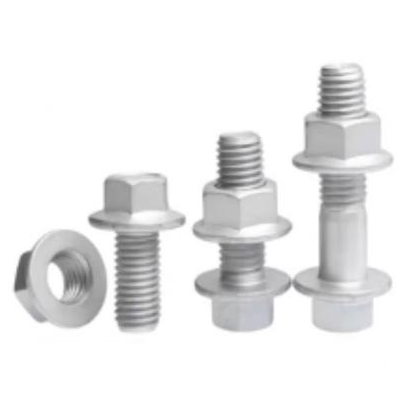
A flange nut is a specialized fastener featuring an integrated wide flange at one end, which acts as a built-in washer to distribute load and prevent damage to the mating surface. Designed for high-vibration environments, it eliminates the need for separate washers, streamlining assembly while enhancing joint integrity. For B2B buyers seeking reliable supply chains, partnering with an experienced manufacturer like Hebei Fujinrui Metal Products Co., Ltd. ensures access to ISO-compliant standards, bulk pricing advantages, and consistent quality across DIN, ANSI, and JIS specifications.
What Is a Flange Nut and How Does It Work?
A flange nut, often referred to as a法兰螺母 in international trade contexts, is a type of nut that has a wide flange at one end. This flange serves a dual purpose: it acts as an integrated, non-spinning washer and increases the surface area bearing on the part being secured. This design feature is critical in applications where space is limited or where a separate washer might be difficult to install.
The primary mechanical advantage of a flange nut lies in its ability to distribute clamping force over a larger area. By reducing the pressure per unit area on the substrate, it minimizes the risk of surface deformation, particularly when fastening soft materials like aluminum, plastic, or thin-sheet metal. Furthermore, the flange provides greater resistance to loosening caused by vibration, a common failure mode in automotive and industrial machinery.
Key Structural Components
- The Hexagonal Body: The main body allows for torque application using standard wrenches or sockets. It houses the internal threads that engage with the bolt or stud.
- The Integrated Flange: Located at the base, this circular extension is serrated or smooth. Serrated flanges bite into the surface to resist rotation, while smooth flanges are used when surface preservation is paramount.
- Internal Threads: Precision-cut threads ensure proper engagement with corresponding bolts. Quality manufacturers adhere to strict tolerance classes (e.g., 6H for metric nuts) to guarantee fitment.
Types of Flange Nuts: Serrated vs. Smooth
When sourcing flange nuts, understanding the distinction between serrated and smooth variants is essential for optimal performance. The choice depends largely on the material of the assembly and the vibrational conditions of the environment.
Serrated Flange Nuts
Serrated flange nuts feature radial teeth on the bearing surface. These teeth act as a locking mechanism by biting into the mating surface. This design provides excellent resistance to rotational loosening, making them ideal for high-vibration applications such as automotive engines, heavy machinery, and structural steel connections.
However, the serrations can mar or damage soft surfaces. Therefore, they are typically recommended for use with hardened steel or other durable materials where surface aesthetics or integrity are not compromised by minor indentation.
Smooth Flange Nuts
Smooth flange nuts have a flat, non-serrated bearing surface. They distribute load evenly without digging into the substrate. This makes them the preferred choice for assembling soft materials like plastics, aluminum, or painted surfaces where preventing damage is critical.
While they do not offer the same level of vibration resistance as serrated versions, they can be paired with thread-locking adhesives or safety wire if additional security is required. In many consumer electronics and appliance assemblies, smooth flange nuts are standard due to their clean appearance and non-destructive nature.
| Feature | Serrated Flange Nut | Smooth Flange Nut |
|---|---|---|
| Bearing Surface | Radial teeth/serrations | Flat, polished surface |
| Vibration Resistance | High (mechanical locking) | Moderate (friction-based) |
| Surface Impact | Can mark/indent soft materials | Non-damaging to surfaces |
| Best Application | Automotive, heavy machinery, steel structures | Electronics, appliances, plastic assemblies |
| Installation Torque | Requires higher torque to overcome serration bite | Standard torque application |
Material Selection and Standards Compliance
Selecting the right material for flange nuts is crucial for ensuring longevity and corrosion resistance. The operating environment—whether it involves exposure to moisture, chemicals, or extreme temperatures—dictates the appropriate material choice.
Common Materials
- Carbon Steel: The most common material for general-purpose applications. It offers high strength and is cost-effective. Typically coated with zinc plating, black oxide, or hot-dip galvanizing for corrosion protection.
- Stainless Steel (304/316): Ideal for corrosive environments such as marine applications, food processing, and chemical plants. Grade 316 offers superior resistance to chlorides and acids compared to 304.
- Alloy Steel: Used in high-strength applications requiring higher tensile strength, such as in aerospace or heavy construction. These are often heat-treated to achieve specific hardness grades.
International Standards
Global trade requires adherence to recognized standards to ensure interchangeability and safety. Hebei Fujinrui Metal Products Co., Ltd. manufactures flange nuts compliant with major international standards, including:
- DIN 6923: The German standard for hexagon flange nuts with serrations. Widely used in European automotive and industrial sectors.
- ANSI/ASME B18.2.2: The American standard covering square and hex nuts, including flange types. Essential for projects in North America.
- JIS B 1191: The Japanese Industrial Standard for hexagon flange nuts, commonly specified in Asian manufacturing and automotive industries.
- ISO 4161: The international standard for hexagon flange nuts with small series, ensuring global compatibility.
Understanding these standards helps procurement managers specify the correct part for their target market, avoiding costly rework or rejection upon arrival.
Why Choose Hebei Fujinrui Metal Products Co., Ltd.?
In the competitive landscape of fastener manufacturing, reliability and experience are paramount. Hebei Fujinrui Metal Products Co., Ltd. stands out as a trusted partner for global buyers seeking high-quality flange nuts and related fastening solutions.
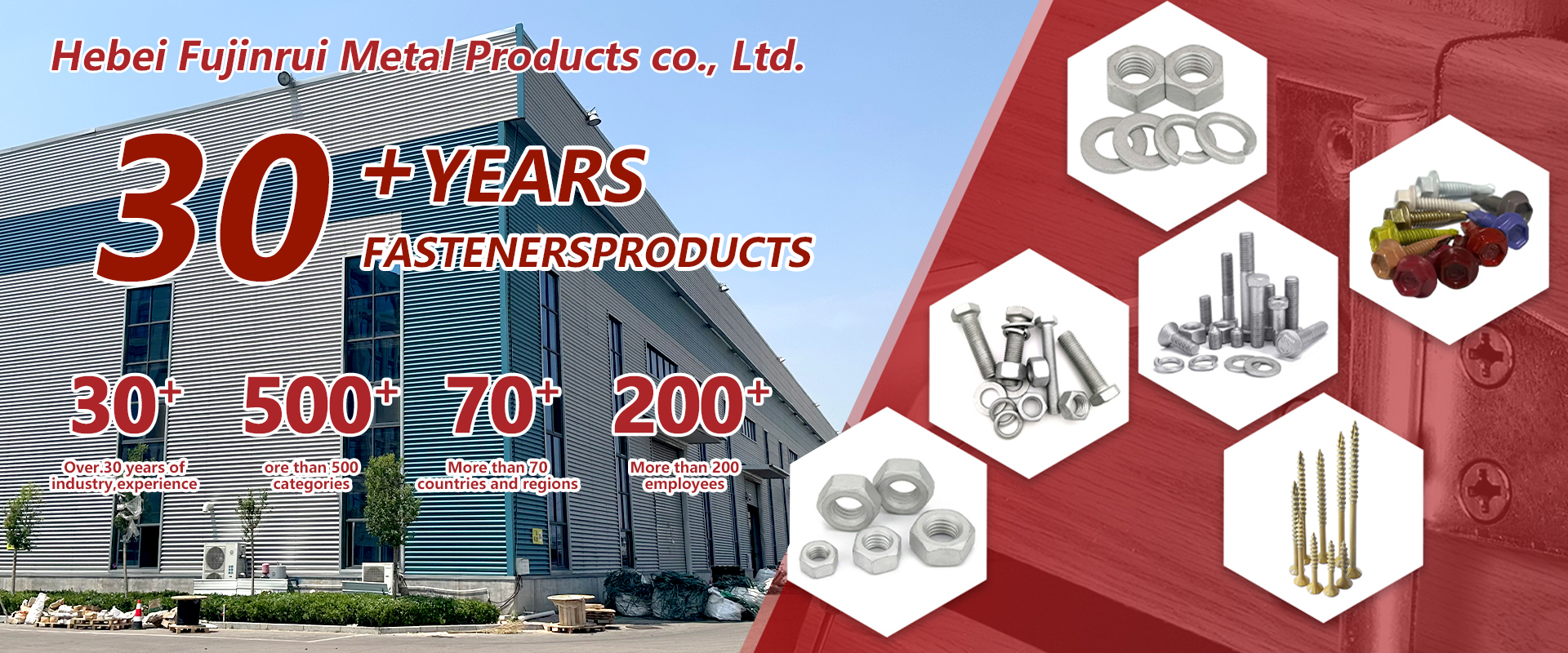
Established in 2004 and located in Handan City, Hebei Province, the company has grown into a significant player in the fastener industry. With a facility covering 10,000 square meters and a dedicated workforce of over 200 employees, Fujinrui integrates production with advanced metal surface corrosion protection technologies. This vertical integration allows for stricter quality control and faster turnaround times.
Two Decades of Expertise
With more than 20 years of experience, Fujinrui has developed a mature production technology team capable of handling complex customizations and large-scale bulk orders. The company’s expertise extends beyond flange nuts to include self-drilling screws, hexagonal bolts and nuts, flat and spring washers, and other specialized fasteners.
The ability to produce according to American, German, and national standards ensures that Fujinrui can meet the diverse needs of clients exporting to Europe, America, the Middle East, and other regions. Their commitment to high-quality products at competitive prices has established them as a preferred supplier for many international distributors and industrial manufacturers.
Quality Assurance and Corrosion Protection
One of the key differentiators for Fujinrui is its in-house capability for metal surface corrosion protection. Fasteners are often exposed to harsh environments, and proper coating is essential for longevity. The company employs rigorous testing protocols to ensure that coatings such as zinc plating, Dacromet, and hot-dip galvanizing meet international salt-spray test requirements.
This focus on durability reduces the total cost of ownership for buyers by minimizing maintenance and replacement frequency. Whether you require standard stock items or custom-engineered solutions, Fujinrui’s infrastructure supports consistent quality and timely delivery.
Applications of Flange Nuts in Industry
Flange nuts are versatile components used across a wide range of industries. Their unique design features make them suitable for applications where reliability, space efficiency, and ease of assembly are critical.
Automotive Industry
In automotive manufacturing, flange nuts are extensively used in engine assemblies, chassis components, and exhaust systems. The high-vibration environment of a vehicle demands fasteners that resist loosening. Serrated flange nuts are particularly popular here, securing critical parts like suspension brackets and intake manifolds. The integrated flange also simplifies automated assembly lines by reducing the number of components handlers need to manage.
Construction and Structural Steel
Large-scale construction projects utilize flange nuts for connecting steel beams and columns. The wide bearing surface helps distribute loads effectively, reducing stress concentrations on the steel members. Hot-dip galvanized flange nuts are often specified for outdoor structures to withstand weathering and corrosion over decades of service.
Electronics and Appliances
In the assembly of consumer electronics and home appliances, smooth flange nuts are preferred. They secure internal components without damaging delicate plastic housings or printed circuit boards. Their compact design saves valuable space inside compact devices, contributing to sleeker product designs.
Agricultural Machinery
Farm equipment operates in rugged, dirty, and high-vibration conditions. Flange nuts provide the robustness needed to keep machinery operational. Their resistance to loosening ensures that vital components remain secure, reducing downtime and maintenance costs for farmers.
How to Select the Right Flange Nut for Your Project
Choosing the correct flange nut involves several technical considerations. Making the wrong choice can lead to joint failure, corrosion, or assembly difficulties. Here is a guide to help you make an informed decision.
1. Determine the Load Requirements
Assess the tensile and shear loads the joint will experience. High-load applications may require higher-grade materials such as alloy steel or larger diameter nuts. Ensure the nut’s proof load exceeds the maximum expected tension in the bolt.
2. Evaluate the Environment
Consider the environmental conditions the fastener will face. For outdoor or marine environments, stainless steel or heavily coated carbon steel is necessary to prevent rust. For indoor, dry environments, standard zinc-plated carbon steel may suffice.
3. Choose the Right Flange Type
Decide between serrated and smooth flanges based on the substrate material and vibration levels. Use serrated nuts for hard materials and high vibration; use smooth nuts for soft materials or where surface finish matters.
4. Verify Thread Compatibility
Ensure the nut’s thread pitch and diameter match the bolt or stud. Metric (M6, M8, M10, etc.) and Imperial (1/4″-20, 5/16″-18, etc.) threads are not interchangeable. Mixing them can strip threads and compromise joint integrity.
5. Check Standards and Certifications
Confirm that the manufacturer complies with the required industry standards (DIN, ANSI, ISO). Request material certificates and test reports to verify compliance, especially for critical safety applications.
Installation Best Practices and Common Mistakes
Proper installation is just as important as selecting the right fastener. Even the highest quality flange nut can fail if installed incorrectly. Follow these best practices to ensure optimal performance.
Best Practices
- Clean Threads: Ensure both the bolt and nut threads are clean and free of debris before assembly. Dirt can cause false torque readings and improper seating.
- Correct Torque: Use a calibrated torque wrench to apply the specified torque. Over-tightening can stretch the bolt or strip threads, while under-tightening can lead to loosening.
- Alignment: Ensure the bolt is perpendicular to the mating surface. Angled installation can cause uneven loading on the flange, leading to premature failure.
Common Mistakes to Avoid
- Reusing Serrated Nuts: Serrated flange nuts are generally designed for single-use. Reusing them can compromise the locking action of the serrations, increasing the risk of loosening.
- Using Washers with Flange Nuts: Adding a separate washer under a flange nut negates the benefit of the integrated flange and can introduce instability. Only use additional washers if specifically engineered for the application.
- Ignoring Coating Damage: If the protective coating is damaged during installation, the underlying metal is exposed to corrosion. Touch up any scratches with appropriate zinc-rich paint or replace the fastener.
Frequently Asked Questions (FAQ)
What is the difference between a flange nut and a regular nut with a washer?
While both setups distribute load, a flange nut is a single, integrated component. This reduces assembly time and eliminates the risk of dropping or misplacing a separate washer. Additionally, the flange on a nut is often designed to be non-spinning, providing better stability during tightening compared to a loose washer.
Can flange nuts be used with standard bolts?
Yes, flange nuts are compatible with standard hex head bolts, provided the thread size and pitch match. However, ensure the bolt’s head size is appropriate for the application, as the flange nut’s bearing area may differ from a standard nut and washer combination.
Are flange nuts reusable?
Smooth flange nuts can often be reused if they show no signs of wear or damage. However, serrated flange nuts are typically considered single-use because the serrations deform upon initial tightening, reducing their locking effectiveness in subsequent uses. Always inspect reused nuts for thread damage or flattened serrations.
How do I prevent flange nuts from loosening in high-vibration applications?
For high-vibration environments, use serrated flange nuts made from high-quality steel. Additionally, consider applying a thread-locking adhesive or using a secondary locking method such as a safety wire if the design permits. Regular inspection and retorqueing during maintenance schedules are also recommended.
What coatings are available for corrosion resistance?
Common coatings include zinc plating (electro or mechanical), hot-dip galvanizing, Dacromet, and Geomet. Stainless steel nuts offer inherent corrosion resistance without coating. The choice depends on the severity of the environment and cost constraints. Hebei Fujinrui offers a variety of coating options to suit different needs.
Conclusion: Secure Your Supply Chain with Reliable Fastening Solutions
Flange nuts are indispensable components in modern manufacturing, offering a blend of efficiency, reliability, and performance. Whether you are assembling automotive components, constructing steel frameworks, or building consumer electronics, choosing the right flange nut is critical to the success of your product.
Partnering with a manufacturer that combines technical expertise with robust production capabilities is key to maintaining quality and competitiveness. Hebei Fujinrui Metal Products Co., Ltd. brings over two decades of experience, a comprehensive product range, and a commitment to international standards. Our integrated approach to production and surface treatment ensures that every flange nut we deliver meets the highest expectations for durability and performance.
For businesses looking to optimize their procurement strategy, bulk purchasing from a direct manufacturer offers significant cost advantages and supply chain stability. We invite you to explore our full range of fastening solutions, including self-drilling screws, hex bolts, and washers, all available with competitive pricing and reliable lead times.
Ready to enhance your assembly process with high-quality flange nuts? Contact our team today to discuss your specific requirements, request samples, or obtain a customized quote for your next project. Let us help you build stronger, more reliable connections.