- English
- Chinese
- French
- German
- Portuguese
- Spanish
- Russian
- Japanese
- Korean
- Arabic
- Irish
- Greek
- Turkish
- Italian
- Danish
- Romanian
- Indonesian
- Czech
- Afrikaans
- Swedish
- Polish
- Catalan
- Esperanto
- Hindi
- Lao
- Albanian
- Amharic
- Armenian
- Azerbaijani
- Belarusian
- Bengali
- Bosnian
- Bulgarian
- Cebuano
- Chichewa
- Corsican
- Croatian
- Dutch
- Estonian
- Filipino
- Finnish
- Frisian
- Galician
- Georgian
- Gujarati
- Haitian
- Hausa
- Hawaiian
- Hebrew
- Hmong
- Hungarian
- Icelandic
- Igbo
- Javanese
- Kannada
- Kazakh
- Khmer
- Kurdish
- Kyrgyz
- Latin
- Latvian
- Lithuanian
- Luxembou..
- Macedonian
- Malagasy
- Malay
- Malayalam
- Maltese
- Maori
- Marathi
- Mongolian
- Burmese
- Nepali
- Norwegian
- Pashto
- Persian
- Punjabi
- Serbian
- Sesotho
- Sinhala
- Slovak
- Slovenian
- Somali
- Samoan
- Scots Gaelic
- Shona
- Sindhi
- Sundanese
- Swahili
- Tajik
- Tamil
- Telugu
- Thai
- Ukrainian
- Urdu
- Uzbek
- Vietnamese
- Welsh
- Xhosa
- Yiddish
- Yoruba
- Zulu
- Kinyarwanda
- Tatar
- Oriya
- Turkmen
- Uyghur

Understanding Bolt Cab Specifications: A Guide to Materials, Manufacturing Standards, and Industrial Applications
2026-10-29
- Understanding Bolt Cab Specifications: A Technical Overview
- Core Materials and Metallurgical Properties
- Manufacturing Standards and Compliance
- Surface Treatments and Corrosion Protection
- Industrial Applications of Bolt Cab Systems
- Selection Criteria for Procurement Professionals
- Quality Assurance and Testing Protocols
- The Role of Vertical Integration in Manufacturing Excellence
- Future Trends in Fastener Technology
- Conclusion
Summary This comprehensive guide explores the critical specifications of bolt cabs, focusing on material selection, manufacturing standards such as DIN and ASTM, and their diverse industrial applications. It provides technical insights for engineers and procurement professionals to ensure optimal performance, corrosion resistance, and structural integrity in demanding environments.
Understanding Bolt Cab Specifications: A Technical Overview
In the realm of industrial fastening, precision and reliability are non-negotiable. The term bolt cab, often used in specific industrial contexts or as a shorthand for bolt cabinets, assemblies, or specific cab-related fastening systems, represents a critical component in structural integrity and machinery assembly. Whether referring to the specialized bolts used in cabinetry, vehicle cabs, or control cabinet installations, understanding the underlying specifications is essential for engineers, procurement managers, and construction professionals. In 2026, as industrial standards evolve and environmental demands increase, the need for high-performance fasteners that meet rigorous international standards has never been greater.
This article delves into the intricate details of bolt specifications, moving beyond basic definitions to explore material science, manufacturing processes, and compliance with global standards. By examining the interplay between mechanical properties, surface treatments, and application-specific requirements, we aim to provide a robust framework for selecting the right fastening solutions. For industries ranging from automotive manufacturing to heavy infrastructure, the choice of a bolt can determine the longevity and safety of the entire assembly.
Core Materials and Metallurgical Properties
The foundation of any high-quality bolt lies in its material composition. The performance of a bolt cab system is directly influenced by the metallurgical properties of the fastener, including tensile strength, yield strength, hardness, and ductility. Selecting the appropriate material is the first step in ensuring that the fastener can withstand the operational loads and environmental conditions it will face.
Carbon Steel: The Industry Standard
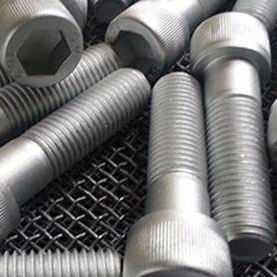
Carbon steel remains the most widely used material for industrial bolts due to its excellent balance of strength, cost-effectiveness, and manufacturability. Low-carbon steels are typically used for general-purpose applications where extreme strength is not required, while medium and high-carbon steels are heat-treated to achieve higher grade classifications, such as Grade 8.8, 10.9, or 12.9 in metric standards, or Grade 5 and Grade 8 in imperial standards.
For applications involving significant structural loads, such as those found in heavy machinery cabs or structural steel connections, high-strength carbon steel bolts are indispensable. These bolts undergo precise heat treatment processes, including quenching and tempering, to enhance their mechanical properties. However, carbon steel is susceptible to corrosion, necessitating advanced surface treatments to protect the integrity of the bolt over time.
Stainless Steel: Corrosion Resistance
In environments exposed to moisture, chemicals, or salt spray, stainless steel bolts offer superior corrosion resistance. Austenitic stainless steels, such as 304 and 316 grades, are commonly used in marine, chemical, and food processing industries. While stainless steel generally has lower tensile strength compared to heat-treated carbon steel, its ability to maintain structural integrity in corrosive environments makes it the preferred choice for many outdoor and harsh indoor applications.
When specifying stainless steel for bolt cab applications, it is crucial to consider the risk of galling, a form of wear caused by adhesion between sliding surfaces. Proper lubrication and careful installation techniques are required to prevent thread damage during assembly.
Alloy Steels and Specialized Materials
For extreme conditions involving high temperatures, high pressure, or dynamic loading, alloy steels containing elements such as chromium, molybdenum, and nickel are employed. These materials offer enhanced creep resistance and fatigue strength, making them suitable for aerospace, energy, and heavy industrial applications. Additionally, non-ferrous materials like brass, bronze, and titanium are used in specialized scenarios where magnetic interference, weight reduction, or specific chemical compatibility is required.
Manufacturing Standards and Compliance
Global trade and industrial collaboration rely on standardized specifications to ensure interoperability and safety. Understanding the relevant manufacturing standards is critical for anyone involved in the specification or procurement of bolt cab components. These standards define dimensions, mechanical properties, testing methods, and marking requirements.
International Organization for Standardization (ISO)
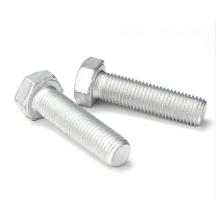
ISO standards are widely recognized and used across Europe, Asia, and increasingly in North America. Key standards include ISO 4014 for hexagon head bolts, ISO 4017 for hexagon head screws, and ISO 898-1 for mechanical properties of fasteners made of carbon steel and alloy steel. Compliance with ISO standards ensures that bolts meet consistent quality criteria, facilitating seamless integration into global supply chains.
DIN Standards: German Precision
Deutsches Institut für Normung (DIN) standards have long been regarded as benchmarks for quality and precision in engineering. DIN 931 and DIN 933, for example, specify dimensions and technical requirements for hexagon head bolts and screws. Many manufacturers, including Hebei Fujinrui Metal Products Co., Ltd., produce bolts that strictly adhere to DIN standards, ensuring compatibility with European machinery and infrastructure projects. The rigorous testing protocols associated with DIN certification provide an additional layer of assurance for critical applications.
ASTM and SAE Standards: American Frameworks
In the United States, the American Society for Testing and Materials (ASTM) and the Society of Automotive Engineers (SAE) set the prevailing standards. ASTM A325 and A490 are common specifications for structural bolts used in steel construction, while SAE J429 defines the mechanical properties of inch-series bolts. Understanding the distinctions between these standards is vital for projects involving cross-border components or multinational teams.
| Standard Organization | Common Standard Numbers | Primary Application Focus | Key Characteristics |
|---|---|---|---|
| ISO | ISO 4014, ISO 898-1 | Global General Purpose | Interoperability, Metric Dimensions |
| DIN | DIN 931, DIN 933 | European Machinery & Construction | High Precision, Strict Tolerances |
| ASTM | ASTM A325, A490 | Structural Steel Construction | High Strength, Structural Integrity |
| SAE | SAE J429 | Automotive & Mechanical | Imperial Dimensions, Grade Classifications |
Surface Treatments and Corrosion Protection
Even the strongest bolt can fail if compromised by corrosion. Surface treatments play a pivotal role in extending the service life of fasteners, particularly in outdoor or chemically aggressive environments. For bolt cab applications exposed to the elements, selecting the right coating is as important as choosing the right material.
Dacromet and Geomet Coatings
Dacromet, a type of zinc flake coating, offers exceptional corrosion resistance and heat stability. Unlike traditional electroplating, Dacromet provides uniform coverage even on complex geometries and threaded areas, ensuring consistent protection. It is particularly effective in preventing red rust and white rust, making it ideal for automotive and construction applications. Hebei Fujinrui Metal Products Co., Ltd. utilizes advanced Dacromet coating technologies to enhance the longevity of their hex bolts, ensuring they meet the demanding requirements of global clients.
Hot-Dip Galvanizing
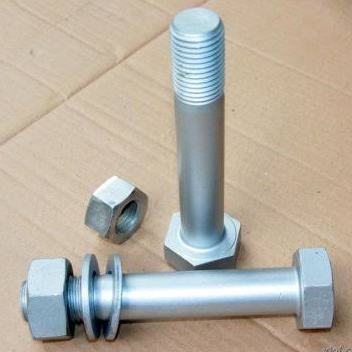
Hot-dip galvanizing involves immersing steel bolts in molten zinc, creating a thick, durable coating that provides sacrificial protection. This method is highly effective for large structural bolts used in bridges, towers, and outdoor infrastructure. While the coating thickness can affect thread fit, proper tapping or oversizing threads can mitigate this issue. The robust nature of hot-dip galvanizing makes it a preferred choice for long-term outdoor exposure.
1500H Anti-Corrosion Treatments
Advanced anti-corrosion treatments, such as the 1500H-rated coatings, represent the next generation of surface protection. These treatments are designed to withstand extended salt spray testing, offering superior performance in marine and coastal environments. By integrating such high-performance coatings, manufacturers can provide fasteners that maintain their structural integrity and aesthetic appearance for decades, reducing maintenance costs and improving safety.
Industrial Applications of Bolt Cab Systems
The versatility of bolt specifications allows them to be tailored for a wide range of industrial applications. From the precision required in automotive assembly to the sheer strength needed in civil engineering, bolt cab components are integral to modern infrastructure and manufacturing.
Automotive and Transportation
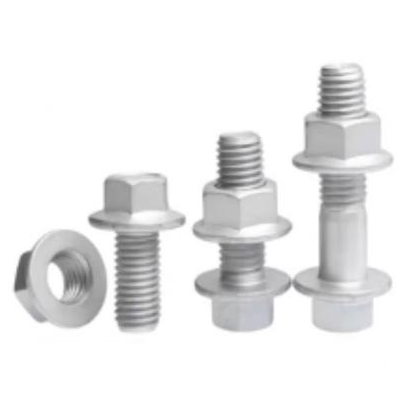
In the automotive sector, bolts are used extensively in chassis assembly, engine mounting, and body panel attachment. Vehicle cabs, whether for passenger cars, trucks, or heavy machinery, require fasteners that can withstand vibration, thermal cycling, and dynamic loads. High-strength flange bolts and self-drilling screws with EPDM washers are commonly used to ensure secure, leak-proof assemblies. The reliability of these fasteners is critical for passenger safety and vehicle durability.
Construction and Infrastructure
Structural steel connections in buildings, bridges, and towers rely on high-tensile bolts to transfer loads between members. These bolts must meet strict regulatory requirements to ensure the safety of the structure. Hexagon head bolts conforming to ASTM A325 or DIN 931 standards are frequently used in these applications. The ability of these fasteners to maintain preload under varying environmental conditions is essential for structural stability.
Machinery and Equipment Manufacturing
Industrial machinery, including manufacturing equipment, agricultural machines, and mining tools, operates under harsh conditions. Fasteners used in these applications must resist wear, corrosion, and fatigue. Self-tapping screws, machine screws, and rigging components are essential for assembling and maintaining these complex systems. The use of specialized coatings and high-grade materials ensures that machinery remains operational and safe throughout its lifecycle.
Selection Criteria for Procurement Professionals
Choosing the right bolt for a specific application requires a comprehensive understanding of technical requirements, environmental conditions, and regulatory standards. Procurement professionals and engineers must consider several key factors to ensure optimal performance and cost-effectiveness.
- Load Requirements: Determine the static and dynamic loads the bolt will endure. Select a grade and material that provides adequate safety margins.
- Environmental Conditions: Assess exposure to moisture, chemicals, temperature extremes, and UV radiation. Choose appropriate surface treatments to prevent corrosion and degradation.
- Compatibility: Ensure that the bolt dimensions, thread pitch, and head style are compatible with the mating components and available tools.
- Standards Compliance: Verify that the fasteners meet the relevant international or industry-specific standards required for the project.
- Supplier Reliability: Partner with manufacturers who demonstrate consistent quality control, traceability, and adherence to delivery schedules.
Hebei Fujinrui Metal Products Co., Ltd. exemplifies the qualities of a reliable supplier, offering a diversified product matrix that covers self-drilling, self-tapping, flange, and corrosion-resistant fasteners. With over two decades of experience and a vertically integrated manufacturing facility, the company ensures consistent performance and traceable batch control, providing peace of mind for global partners.
Quality Assurance and Testing Protocols
Quality assurance is the backbone of reputable fastener manufacturing. Rigorous testing protocols are essential to verify that bolts meet specified mechanical and chemical properties. These tests include tensile strength testing, hardness testing, salt spray testing for corrosion resistance, and dimensional verification.
Mechanical Property Testing
Tensile testing determines the maximum load a bolt can withstand before failure, while hardness testing assesses the material’s resistance to deformation. These tests are critical for verifying that heat-treated bolts meet their designated grade classifications. Non-destructive testing methods, such as magnetic particle inspection, may also be used to detect surface defects.
Corrosion Resistance Testing
Salt spray testing simulates harsh environmental conditions to evaluate the effectiveness of surface coatings. Fasteners are exposed to a controlled salt fog environment for a specified duration, and the extent of corrosion is measured. Achieving high ratings in salt spray testing, such as the 1500H standard, indicates superior protection against rust and degradation.
Dimensional Inspection
Precision measurement tools are used to verify that bolt dimensions, including thread pitch, head height, and shank diameter, fall within acceptable tolerances. Consistent dimensional accuracy ensures proper fit and function, preventing assembly issues and potential failures.
The Role of Vertical Integration in Manufacturing Excellence
Vertical integration in manufacturing offers significant advantages in terms of quality control, cost efficiency, and lead time management. By controlling every stage of the production process, from raw material sourcing to final coating and packaging, manufacturers can ensure consistent product quality and responsiveness to customer needs.
Hebei Fujinrui Metal Products Co., Ltd. operates a modern production base equipped with precision cold forging, thread rolling, heat treatment, and surface coating lines. This integrated approach allows for real-time monitoring and adjustment of production parameters, minimizing variability and defects. The company’s commitment to quality is further reinforced by its seasoned technical team, which brings more than two decades of cumulative experience to every project.
Furthermore, vertical integration enables faster response times to custom orders and market changes. With stable production capacity and responsive order fulfillment, manufacturers can meet the diverse needs of OEMs and project-based clients across various market segments. This agility is particularly valuable in today’s fast-paced industrial landscape, where timely delivery and flexibility are key competitive advantages.
Future Trends in Fastener Technology
As industries continue to evolve, so too do the technologies and materials used in fastener manufacturing. Several trends are shaping the future of the bolt cab and broader fastener market.
Sustainability and Eco-Friendly Coatings
There is a growing emphasis on sustainability in manufacturing, driving the development of eco-friendly coatings and processes. Trivalent chromium plating and other environmentally benign alternatives to hexavalent chromium are gaining traction. These coatings offer comparable corrosion resistance while reducing environmental impact and complying with stricter regulatory requirements.
Smart Fasteners and IoT Integration
The integration of sensors and IoT technology into fasteners is emerging as a novel trend, particularly in critical infrastructure and aerospace applications. Smart bolts can monitor preload, tension, and environmental conditions in real-time, providing valuable data for predictive maintenance and safety monitoring. While still in early stages, this technology holds promise for enhancing the reliability and efficiency of complex assemblies.
Advanced Materials and Nanotechnology
Research into advanced materials, including nanocomposites and high-entropy alloys, is opening new possibilities for fastener performance. These materials offer enhanced strength-to-weight ratios, improved corrosion resistance, and better performance under extreme conditions. As these technologies mature, they are expected to find increasing application in high-performance industries.
Conclusion
Understanding the specifications of bolt cab systems is essential for ensuring the safety, reliability, and longevity of industrial assemblies. From material selection and manufacturing standards to surface treatments and quality assurance, every aspect of fastener production plays a critical role in overall performance. By adhering to international standards and leveraging advanced manufacturing technologies, companies can deliver high-quality fastening solutions that meet the diverse needs of global industries.
For procurement professionals and engineers, partnering with experienced manufacturers like Hebei Fujinrui Metal Products Co., Ltd. offers access to a comprehensive range of engineered fastening solutions, backed by rigorous quality control and technical expertise. As the industry continues to innovate, staying informed about the latest trends and technologies will be key to making informed decisions and achieving optimal results in your projects.