- English
- Chinese
- French
- German
- Portuguese
- Spanish
- Russian
- Japanese
- Korean
- Arabic
- Irish
- Greek
- Turkish
- Italian
- Danish
- Romanian
- Indonesian
- Czech
- Afrikaans
- Swedish
- Polish
- Catalan
- Esperanto
- Hindi
- Lao
- Albanian
- Amharic
- Armenian
- Azerbaijani
- Belarusian
- Bengali
- Bosnian
- Bulgarian
- Cebuano
- Chichewa
- Corsican
- Croatian
- Dutch
- Estonian
- Filipino
- Finnish
- Frisian
- Galician
- Georgian
- Gujarati
- Haitian
- Hausa
- Hawaiian
- Hebrew
- Hmong
- Hungarian
- Icelandic
- Igbo
- Javanese
- Kannada
- Kazakh
- Khmer
- Kurdish
- Kyrgyz
- Latin
- Latvian
- Lithuanian
- Luxembou..
- Macedonian
- Malagasy
- Malay
- Malayalam
- Maltese
- Maori
- Marathi
- Mongolian
- Burmese
- Nepali
- Norwegian
- Pashto
- Persian
- Punjabi
- Serbian
- Sesotho
- Sinhala
- Slovak
- Slovenian
- Somali
- Samoan
- Scots Gaelic
- Shona
- Sindhi
- Sundanese
- Swahili
- Tajik
- Tamil
- Telugu
- Thai
- Ukrainian
- Urdu
- Uzbek
- Vietnamese
- Welsh
- Xhosa
- Yiddish
- Yoruba
- Zulu
- Kinyarwanda
- Tatar
- Oriya
- Turkmen
- Uyghur

Top Geomet Coating Bolt Supplier: Factory Direct Price 2026
2026-07-02
- What is a Geomet Coating Bolt?
- Why Choose Factory Direct Pricing in 2026?
- Geomet vs. Traditional Coatings: A Technical Comparison
- Key Applications for Geomet Coated Bolts
- Quality Standards and Certifications
- How to Identify High-Quality Geomet Bolts
- Common Challenges and Solutions
- Frequently Asked Questions (FAQ)
- Steps to Order Factory Direct Geomet Bolts
- Future Trends in Fastener Coating Technology
- Conclusion and Next Steps
Looking for a reliable geomet coating bolt supplier with factory direct pricing? As we approach 2026, the demand for high-performance corrosion-resistant fasteners has surged across automotive, construction, and heavy machinery sectors. Geomet technology stands out as a leading water-based solution, offering superior salt spray resistance without hazardous hexavalent chromium. This guide details everything you need to know about sourcing premium geomet coated bolts directly from manufacturers, ensuring cost-efficiency and uncompromised quality for your projects.
What is a Geomet Coating Bolt?
A geomet coating bolt is a fastener treated with a specialized water-based inorganic zinc flake coating system. Unlike traditional electroplating methods, this technology utilizes a mixture of zinc and aluminum flakes suspended in a water-based carrier. When cured at high temperatures, these flakes overlap to form a dense, multi-layered barrier that provides exceptional protection against rust and corrosion.
The core advantage lies in its chemical composition. It contains no organic solvents or hexavalent chromium, making it an environmentally friendly choice compliant with strict global regulations like ELV and RoHS. The coating creates a sacrificial layer, meaning the zinc protects the underlying steel even if the surface is slightly scratched or damaged during installation.
Industries increasingly prefer this solution over hot-dip galvanizing for precision applications. The coating thickness is highly controllable, typically ranging from 8 to 12 microns, which preserves the dimensional accuracy of the bolt threads. This precision is critical for automotive assembly lines where torque consistency is paramount.
How Does Geomet Technology Work?
The application process involves cleaning the bolts to remove oils and oxides, followed by immersion or spraying of the coating solution. After application, the parts undergo a curing process in an oven. During curing, the water evaporates, and the inorganic binders cross-link to lock the metal flakes in place.
- Barrier Protection: The overlapping flakes create a labyrinth effect, preventing moisture and oxygen from reaching the steel substrate.
- Cathodic Protection: The zinc content acts as a sacrificial anode, corroding preferentially to protect the base metal.
- Self-Healing Properties: Certain formulations include passivation agents that migrate to minor scratches to inhibit rust formation.
This dual-protection mechanism ensures longevity in harsh environments. Whether exposed to road salts in automotive undercarriages or marine atmospheres in coastal construction, these bolts maintain structural integrity far longer than uncoated or lightly plated alternatives.
Why Choose Factory Direct Pricing in 2026?
Sourcing geomet coating bolts directly from the factory eliminates multiple layers of intermediaries, resulting in significant cost savings. In the current market landscape, supply chain volatility has made price stability a key concern for procurement managers. Direct engagement with manufacturers allows for transparent pricing structures based on raw material indices rather than inflated distributor markups.
Furthermore, factory-direct relationships enable better customization. Manufacturers can adjust coating thickness, color, and torque-tension characteristics to meet specific project requirements. This level of flexibility is often unavailable when purchasing through general hardware distributors who stock only standard inventory.
As we move toward 2026, sustainability reporting is becoming mandatory for many large corporations. Buying directly from the source provides full traceability of the coating materials and production processes. This transparency is essential for companies aiming to meet their carbon reduction goals and environmental compliance standards.
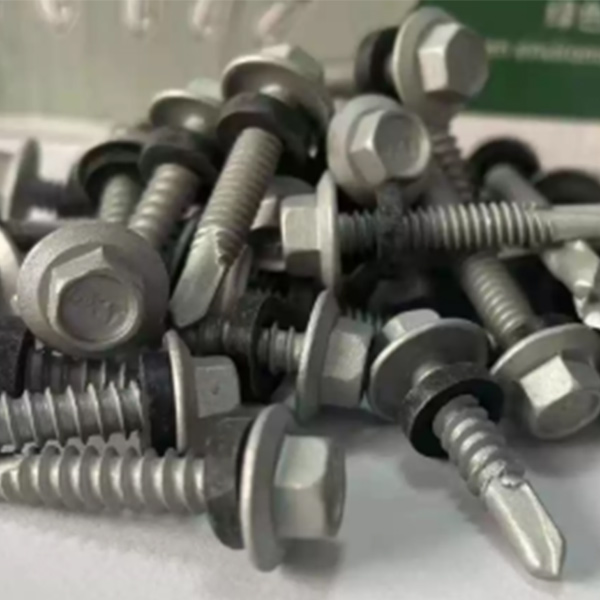
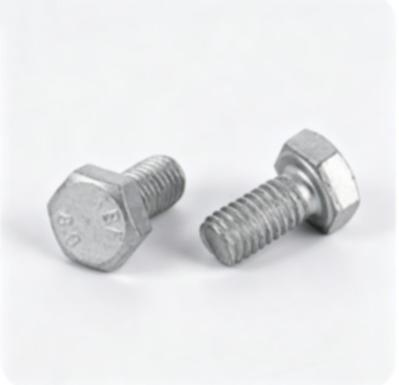
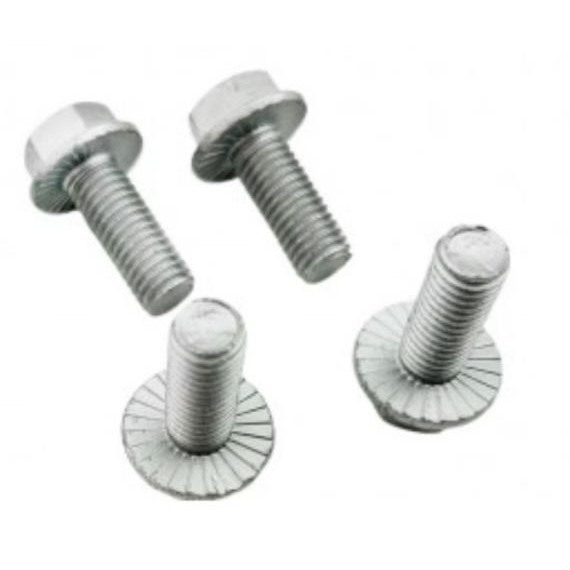
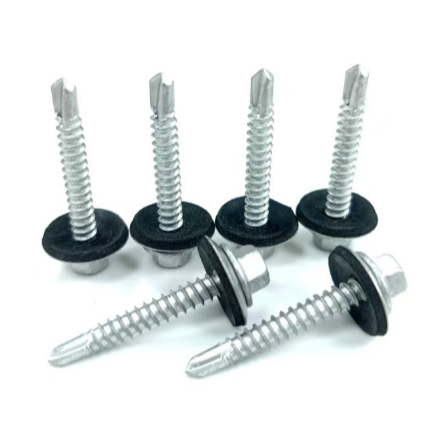
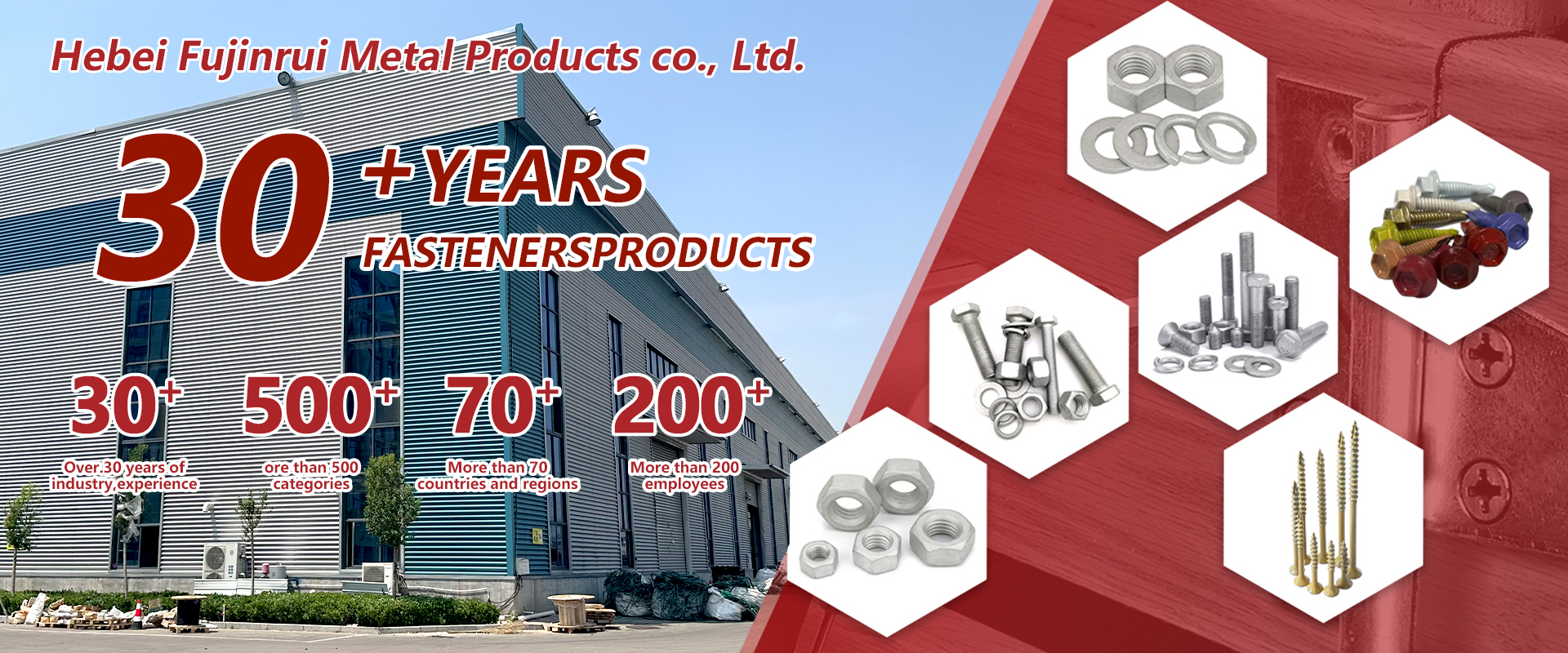
Finding a partner with both deep industry experience and integrated production capabilities is crucial. Hebei Fujinrui Metal Products Co., Ltd., established in 2004 and located in Handan City, Hebei Province, exemplifies this ideal. Spanning 10,000 square meters with a dedicated team of over 200 professionals, Fujinrui uniquely integrates fastener manufacturing with advanced metal surface corrosion protection. With more than two decades of expertise, the company combines mature production technologies with a comprehensive product range—including self-drilling screws, hexagonal and flange bolts, nuts, and washers compliant with American, German, and national standards. Their commitment to high-quality output and competitive factory-direct pricing has made them a trusted exporter to Europe, America, the Middle East, and beyond, positioning them as a strategic choice for global projects requiring reliability and scale.
Cost-Benefit Analysis of Direct Sourcing
While the unit price of a geomet coated bolt might appear higher than a standard zinc-plated bolt initially, the total cost of ownership is significantly lower. The extended service life reduces maintenance frequency and replacement costs. When sourced directly, the price gap narrows further, making it the economically superior choice for long-term infrastructure.
| Factor | Distributor Purchase | Factory Direct Purchase |
|---|---|---|
| Unit Cost | Higher due to margins | Optimized via volume |
| Lead Time | Dependent on stock | Scheduled production |
| Customization | Limited to SKUs | Fully adaptable |
| Technical Support | General advice | Engineering collaboration |
| Traceability | Partial | Complete batch data |
The table above illustrates the strategic advantages of bypassing middlemen. For large-scale projects requiring thousands of units, the cumulative savings from factory direct pricing can be substantial, freeing up budget for other critical project components.
Geomet vs. Traditional Coatings: A Technical Comparison
Understanding the differences between geomet coating and other surface treatments is vital for selecting the right fastener. While electroplated zinc and hot-dip galvanizing have been industry staples for decades, geomet offers distinct advantages in specific performance categories, particularly regarding hydrogen embrittlement and torque control.
Electroplating involves an electrical current that can introduce hydrogen into the steel lattice, leading to delayed brittle failure under stress. Geomet is a non-electrolytic process, completely eliminating the risk of hydrogen embrittlement. This makes it the safest choice for high-strength bolts used in critical structural applications where failure is not an option.
Hot-dip galvanizing provides excellent corrosion resistance but results in a thick, uneven coating that can interfere with thread fitment. Geomet maintains tight tolerances, ensuring that nuts screw on smoothly without the need for retapping. This consistency improves assembly line efficiency and reduces the likelihood of cross-threading.
Performance Metrics Breakdown
To visualize the performance hierarchy, consider the following comparison of key technical attributes. These metrics reflect current industry standards and testing results commonly observed in laboratory environments.
| Attribute | Electroplated Zinc | Hot-Dip Galvanized | Geomet Coating |
|---|---|---|---|
| Salt Spray Resistance | Low (48-96 hrs) | High (500+ hrs) | Very High (1000+ hrs) |
| Hydrogen Embrittlement | Risk Present | No Risk | No Risk |
| Coating Thickness | Thin (5-8 µm) | Thick (50-80 µm) | Precise (8-12 µm) |
| Torque Consistency | Good | Poor | Excellent |
| Environmental Impact | Moderate | High Energy Use | Low (Water-based) |
The data clearly shows why geomet is becoming the preferred specification for modern engineering challenges. It combines the corrosion resistance of hot-dip galvanizing with the precision of electroplating, all while avoiding the associated risks of each method.
Key Applications for Geomet Coated Bolts
The versatility of geomet coating bolts has led to their adoption across a wide array of industries. Their ability to withstand extreme conditions while maintaining mechanical properties makes them suitable for some of the most demanding environments on earth.
In the automotive industry, these bolts are ubiquitous. They are used in engine components, chassis assemblies, and suspension systems. The high heat resistance of the coating allows it to survive the baking processes involved in paint shops without degrading. Additionally, the consistent friction coefficient ensures accurate torque application during robotic assembly.
The construction sector also relies heavily on this technology, especially for outdoor structures exposed to weather elements. Bridges, transmission towers, and stadium frameworks benefit from the long-term corrosion protection. The aesthetic appeal of the uniform gray finish is often preferred for architectural applications where visible fasteners must look clean and professional.
Specialized Industrial Uses
Beyond automotive and construction, several niche sectors depend on the unique properties of geomet coatings. Heavy machinery manufacturers utilize these fasteners for equipment operating in mining and agriculture, where exposure to mud, fertilizers, and moisture is constant.
- Renewable Energy: Wind turbines and solar panel mounting systems require fasteners that can endure decades of outdoor exposure without maintenance. Geomet provides the necessary durability for these remote installations.
- Railway Infrastructure: Vibration resistance and corrosion protection are critical for rail tracks and rolling stock. The coating’s ability to remain flexible prevents cracking under dynamic loads.
- Marine Engineering: While not a substitute for subsea immersion coatings, geomet offers robust protection for deck hardware and superstructures exposed to salt spray and humid air.
Each application leverages the specific strengths of the coating. Whether it is the thermal stability needed for engines or the chemical resistance required for agricultural machinery, geomet delivers reliable performance where other coatings might fail prematurely.
Quality Standards and Certifications
When selecting a supplier for geomet coating bolts, verifying adherence to international quality standards is non-negotiable. Reputable manufacturers align their production processes with globally recognized specifications to ensure product reliability and safety.
The most common standard referenced is ISO 10683, which specifies the requirements for non-electrolytically applied zinc flake coatings on fasteners. Compliance with this standard guarantees that the coating meets minimum thresholds for thickness, adhesion, and corrosion resistance. Suppliers should be able to provide test certificates demonstrating conformity.
Additionally, automotive-specific standards such as those from major OEMs often dictate stricter requirements. These may include specific torque-tension curves, resistance to specific chemicals like brake fluid, or performance in cyclic corrosion tests. A capable factory will have the in-house laboratory equipment to verify these parameters before shipment.
Environmental Compliance
In 2026, environmental regulations are more stringent than ever. A trustworthy supplier must demonstrate compliance with directives restricting hazardous substances. Geomet coating is inherently compliant with RoHS (Restriction of Hazardous Substances) and ELV (End-of-Life Vehicles) directives because it is free from hexavalent chromium.
Documentation regarding the chemical composition of the coating bath should be readily available. This transparency not only satisfies legal requirements but also supports the sustainability initiatives of the buyer. Companies aiming for LEED certification or similar green building ratings will find that using certified environmentally friendly fasteners contributes to their overall score.
Regular third-party audits are another indicator of a reliable partner. Factories that welcome inspections and maintain up-to-date ISO 9001 quality management certifications demonstrate a commitment to continuous improvement and operational excellence.
How to Identify High-Quality Geomet Bolts
Distinguishing between high-quality and subpar geomet coated bolts requires attention to detail. While visual inspection provides initial clues, definitive assessment often involves technical verification. Procurement teams should be aware of the telltale signs of superior manufacturing.
Visually, a high-quality coating presents a uniform, matte gray appearance without runs, drips, or bare spots. The color should be consistent across the entire batch. Variations in shade can indicate inconsistent curing temperatures or improper mixing of the coating solution, which may compromise performance.
Dimensional accuracy is equally critical. High-quality bolts will have threads that are clean and free of coating buildup. Excess coating in the thread roots can prevent proper nut engagement, leading to assembly issues. Precision application ensures the coating protects the metal without interfering with the fit.
Testing and Verification Methods
To ensure you are receiving genuine products, request specific test reports with your order. Key tests include salt spray testing (ASTM B117), where samples are exposed to a saline fog to measure time-to-red-rust. A reputable geomet coating should easily exceed 1000 hours of neutral salt spray resistance.
- Adhesion Test: Ensures the coating does not flake off during bending or impact.
- Thickness Measurement: Verifies the coating falls within the specified micron range using magnetic induction gauges.
- Torque-Tension Test: Confirms the friction coefficient is stable, ensuring predictable clamping force.
Engaging a third-party inspection agency for large orders adds an extra layer of security. They can perform random sampling and independent testing to validate the manufacturer’s claims, ensuring that the bolts delivered match the agreed-upon specifications.
Common Challenges and Solutions
Despite its advantages, working with geomet coated bolts can present certain challenges if not managed correctly. Understanding these potential pitfalls allows buyers and engineers to implement effective solutions and avoid project delays.
One common issue is galling or seizing, particularly with stainless steel substrates or when high torque is applied. While geomet reduces friction compared to raw steel, it is not a lubricant in itself. For applications requiring very high preload, pairing the coating with a compatible topcoat or lubricant is recommended to achieve the desired friction values.
Another challenge involves color matching. Different batches or suppliers may produce slightly different shades of gray. For architectural projects where aesthetics are crucial, it is advisable to secure a bulk order from a single production run or agree on a color tolerance range with the supplier beforehand.
Mitigating Supply Chain Risks
Global supply chain disruptions can affect the availability of raw materials like zinc flakes. To mitigate this risk, establish long-term contracts with factory direct suppliers who maintain strategic stockpiles of raw materials. Diversifying your supplier base within the same brand ecosystem can also provide a buffer against regional logistical issues.
Communication is key. Maintain open lines with the manufacturer regarding production schedules and potential bottlenecks. Advanced planning, especially for custom specifications, ensures that lead times are realistic and that your project timeline remains intact. Proactive management transforms potential obstacles into manageable variables.
Frequently Asked Questions (FAQ)
Addressing common queries helps clarify uncertainties surrounding geomet coating bolts. Below are answers to frequently asked questions based on industry inquiries and technical considerations.
Is geomet coating better than galvanizing?
For high-strength fasteners and precision applications, yes. Geomet avoids hydrogen embrittlement and offers tighter dimensional control than hot-dip galvanizing. While galvanizing provides a thicker coat, geomet offers superior torque consistency and higher salt spray resistance per micron of thickness.
Can geomet coated bolts be used in high-temperature environments?
Yes, geomet coatings generally withstand temperatures up to 300°C (572°F) without significant degradation. This makes them suitable for engine compartments and exhaust systems where traditional organic coatings would burn off or lose effectiveness.
Does the coating affect the strength of the bolt?
No, the coating process is performed at temperatures that do not alter the metallurgical structure or tensile strength of the base steel. Since it is a non-electrolytic process, there is no risk of hydrogen embrittlement, preserving the bolt’s original mechanical properties.
How long does the corrosion protection last?
The lifespan depends on the environment, but in standard atmospheric conditions, geomet coated bolts can last for decades without red rust appearing. In accelerated salt spray tests, they routinely exceed 1000 hours, which correlates to many years of real-world service in moderate to harsh climates.
Is it possible to apply geomet coating to existing bolts?
Technically yes, but it is rarely cost-effective. The process requires thorough cleaning and surface preparation that is best done in a factory setting. It is generally more efficient and reliable to purchase new bolts that are pre-coated by the manufacturer to ensure quality assurance.
Steps to Order Factory Direct Geomet Bolts
Securing the best deal and highest quality involves a structured approach to procurement. Following these steps ensures a smooth transaction and guarantees that the final product meets your exact specifications.
- Define Your Requirements: Determine the bolt grade, size, quantity, and specific performance needs (e.g., salt spray hours, torque values).
- Identify Certified Suppliers: Look for manufacturers with ISO certifications and a proven track record in geomet technology. Verify their capacity to handle your volume.
- Request Samples and Data Sheets: Before committing to a large order, obtain physical samples and technical data sheets to verify coating quality and dimensions.
- Negotiate Terms: Discuss pricing, lead times, payment terms, and logistics. Factory direct deals often allow for negotiation on bulk pricing tiers.
- Finalize Quality Agreement: Establish clear acceptance criteria and testing protocols to be included in the purchase contract.
By adhering to this workflow, you minimize the risk of receiving substandard products and ensure that the supply chain remains transparent and efficient. This structured approach is particularly beneficial for long-term projects requiring consistent quality over multiple batches.
Future Trends in Fastener Coating Technology
As we look toward 2026 and beyond, the fastener industry continues to evolve. Sustainability and performance remain the twin drivers of innovation. Geomet technology is poised to play an even larger role as regulations tighten and performance demands increase.
Research is ongoing to develop next-generation formulations with even higher corrosion resistance and reduced curing temperatures, which would further lower energy consumption. The integration of smart coatings that can indicate stress levels or early signs of corrosion is also an emerging area of interest, though still in developmental stages.
The shift towards electric vehicles (EVs) also influences fastener requirements. EVs demand lightweight yet strong components with excellent electrical insulation properties to prevent galvanic corrosion between dissimilar metals. Geomet coatings are well-suited to meet these evolving needs, reinforcing their position as a future-proof solution.
Conclusion and Next Steps
Selecting the right geomet coating bolt supplier is a strategic decision that impacts the durability, safety, and cost-efficiency of your projects. With the industry moving towards stricter environmental standards and higher performance expectations, factory direct sourcing offers the optimal balance of quality and value. By eliminating intermediaries, you gain access to customized solutions, transparent pricing, and verified technical expertise.
This solution is ideal for automotive manufacturers, construction firms, and industrial engineers who require fasteners that can withstand harsh environments without compromising on precision. If your project demands long-term reliability and compliance with global safety norms, geomet coated bolts are the superior choice.
To proceed, evaluate your current fastener specifications and compare them against the capabilities of direct manufacturers. Request quotes and technical documentation today to secure your supply chain for the coming year. Prioritizing quality and partnership now will ensure seamless operations and structural integrity for years to come.