- English
- Chinese
- French
- German
- Portuguese
- Spanish
- Russian
- Japanese
- Korean
- Arabic
- Irish
- Greek
- Turkish
- Italian
- Danish
- Romanian
- Indonesian
- Czech
- Afrikaans
- Swedish
- Polish
- Catalan
- Esperanto
- Hindi
- Lao
- Albanian
- Amharic
- Armenian
- Azerbaijani
- Belarusian
- Bengali
- Bosnian
- Bulgarian
- Cebuano
- Chichewa
- Corsican
- Croatian
- Dutch
- Estonian
- Filipino
- Finnish
- Frisian
- Galician
- Georgian
- Gujarati
- Haitian
- Hausa
- Hawaiian
- Hebrew
- Hmong
- Hungarian
- Icelandic
- Igbo
- Javanese
- Kannada
- Kazakh
- Khmer
- Kurdish
- Kyrgyz
- Latin
- Latvian
- Lithuanian
- Luxembou..
- Macedonian
- Malagasy
- Malay
- Malayalam
- Maltese
- Maori
- Marathi
- Mongolian
- Burmese
- Nepali
- Norwegian
- Pashto
- Persian
- Punjabi
- Serbian
- Sesotho
- Sinhala
- Slovak
- Slovenian
- Somali
- Samoan
- Scots Gaelic
- Shona
- Sindhi
- Sundanese
- Swahili
- Tajik
- Tamil
- Telugu
- Thai
- Ukrainian
- Urdu
- Uzbek
- Vietnamese
- Welsh
- Xhosa
- Yiddish
- Yoruba
- Zulu
- Kinyarwanda
- Tatar
- Oriya
- Turkmen
- Uyghur

Dacromet Screw Manufacturing Process and Quality Control Standards
2026-11-04
- Introduction to Dacromet Screw Technology
- The Composition and Mechanism of Dacromet Coatings
- Step-by-Step Manufacturing Process of Dacromet Screws
- Quality Control Standards for Dacromet Screws
- Comparative Analysis: Dacromet vs. Other Coatings
- Applications of Dacromet Screws in Industry
- Why Choose Hebei Fujinrui Metal Products Co., Ltd.?
- Conclusion
Summary This article provides a comprehensive technical overview of the Dacromet screw manufacturing process and quality control standards. It details the zinc flake coating technology, including surface preparation, dipping, spinning, and curing stages, while outlining critical quality assurance metrics such as coating thickness, adhesion, and salt spray resistance (up to 1500 hours). The content integrates industry best practices with the operational capabilities of Hebei Fujinrui Metal Products Co., Ltd., offering valuable insights for engineers, procurement specialists, and construction professionals seeking reliable, high-performance corrosion-resistant fasteners.
Introduction to Dacromet Screw Technology
In the realm of industrial fastening and construction, corrosion resistance is not merely a desirable feature but a critical requirement for structural integrity and longevity. Among various surface treatment options, Dacromet screws have emerged as a superior solution, particularly in environments exposed to harsh weather, saline conditions, or chemical aggression. Dacromet, a brand name often used generically to describe zinc flake coating systems, utilizes a unique combination of zinc and aluminum flakes suspended in an inorganic binder. This composition creates a barrier that offers exceptional protection against rust, far exceeding traditional electroplating methods.
For manufacturers and end-users, understanding the manufacturing process and quality control standards of Dacromet screws is essential. It ensures that the fasteners selected for projects—whether in automotive, infrastructure, or renewable energy sectors—meet rigorous performance criteria. This article delves into the intricate steps of producing high-quality Dacromet-coated fasteners, examining the technological nuances that define their durability. Furthermore, it highlights how established manufacturers like Hebei Fujinrui Metal Products Co., Ltd. integrate these advanced coating technologies with precision manufacturing to deliver consistent, standards-compliant products to global markets.
The Composition and Mechanism of Dacromet Coatings
To appreciate the manufacturing complexity, one must first understand what constitutes a Dacromet coating. Unlike standard zinc plating, which relies on a sacrificial layer of pure zinc, Dacromet coatings are composed of microscopic flakes of zinc and aluminum. These flakes overlap each other, creating a labyrinthine structure that significantly impedes the penetration of corrosive agents such as moisture and oxygen.
Zinc and Aluminum Synergy
The synergy between zinc and aluminum is the cornerstone of Dacromet’s effectiveness. Zinc provides cathodic protection, meaning it will corrode preferentially to the steel substrate, thereby protecting the screw even if the coating is slightly scratched. Aluminum, on the other hand, offers excellent barrier protection and enhances the coating’s resistance to heat and chemicals. The typical ratio involves a high percentage of zinc flakes with a smaller proportion of aluminum flakes, all bound together by an inorganic chromium-based or chromium-free binder, depending on environmental regulations and specific product requirements.
The “Self-Healing” Property
A distinct advantage of Dacromet screws is their “self-healing” capability. When the coating is subjected to minor mechanical damage, the zinc particles adjacent to the damaged area undergo oxidation. This oxidation process forms zinc salts that seal the scratch, preventing further corrosion from spreading underneath the coating. This feature is particularly vital for screws used in dynamic applications where vibration or thermal expansion might cause micro-movements and stress on the coating.
Step-by-Step Manufacturing Process of Dacromet Screws
The production of high-performance Dacromet screws is a multi-stage process that requires precise control over chemistry, temperature, and mechanical handling. At facilities like those operated by Hebei Fujinrui Metal Products Co., Ltd., the process is vertically integrated, ensuring that every step—from raw material selection to final coating—is monitored for quality. The manufacturing workflow generally follows these critical stages:
1. Raw Material Selection and Cold Forging
The journey begins with high-quality carbon steel wire rods. The choice of steel grade is crucial, as it determines the mechanical strength of the final screw. For high-strength applications, medium carbon steel or alloy steel is often selected. The wire is drawn to the required diameter and then fed into cold forging machines. Here, the head of the screw is formed, and the shank is prepared for threading. Cold forging preserves the grain structure of the metal, enhancing the tensile strength and fatigue resistance of the fastener.
2. Thread Rolling
After heading, the screws undergo thread rolling. This process involves pressing the threads into the shank using hardened dies. Unlike cutting threads, which remove material and create weak points, thread rolling displaces the metal, resulting in stronger, more durable threads. Precision in this stage is vital to ensure that the screws meet international standards such as DIN, ISO, or ANSI, allowing for seamless compatibility with nuts and tapped holes.
3. Heat Treatment
For high-strength screws, heat treatment is a mandatory step. The fasteners are heated to specific temperatures and then quenched and tempered. This process adjusts the microstructure of the steel, achieving the desired hardness and tensile strength. However, heat treatment can introduce hydrogen embrittlement risks, which must be managed carefully before the coating process. Proper tempering also ensures that the screw retains its mechanical properties under load and varying temperatures.
4. Surface Preparation and Cleaning
Before applying the Dacromet coating, the screws must be impeccably clean. Any oil, grease, rust, or oxide layers on the surface will prevent the coating from adhering properly. The cleaning process typically involves:
- Degreasing: Removing organic contaminants using alkaline cleaners or solvents.
- Pickling: Using acid solutions to remove rust and scale.
- Rinsing: Thorough washing to remove any residual chemicals.
- Drying: Ensuring the parts are completely dry to prevent premature reaction with the coating bath.
In some advanced facilities, shot blasting may also be employed to create a micro-rough surface profile, which enhances mechanical adhesion of the coating.
5. Dipping and Spinning (Centrifuging)
This is the core of the Dacromet application process. The cleaned screws are loaded into perforated baskets and immersed in the Dacromet bath. The bath contains the zinc-aluminum flakes suspended in the binder solution. After immersion, the baskets are transferred to a centrifuge. The spinning action serves two purposes: it removes excess coating material to ensure a uniform thickness, and it distributes the coating evenly across all surfaces, including the threads and under the head. This step is critical for preventing drips, pooling, or uneven coverage, which could compromise performance.
6. Pre-Curing and Curing
Once spun, the screws are conveyed through a curing oven. The curing process involves heating the coated fasteners to temperatures typically ranging from 300°C to 320°C. During this phase, the water and organic solvents in the binder evaporate, and the inorganic components sinter together, forming a hard, ceramic-like matrix that locks the zinc and aluminum flakes in place. The temperature and time profiles must be strictly controlled; insufficient curing leads to poor adhesion and soft coatings, while excessive curing can cause brittleness or discoloration.
7. Post-Treatment and Lubrication
Depending on the application, a topcoat or lubricant may be applied. This layer can enhance corrosion resistance further, provide specific friction coefficients for assembly torque control, or improve the aesthetic appearance. For self-drilling screws, such as those produced by Hebei Fujinrui, the coating must be robust enough to withstand the drilling process without flaking off, ensuring that the protective layer remains intact even after installation.
Quality Control Standards for Dacromet Screws
Manufacturing is only half the equation; rigorous quality control (QC) ensures that every batch of Dacromet screws meets the specified performance criteria. In the B2B sector, where reliability is paramount, adherence to international standards is non-negotiable. Hebei Fujinrui Metal Products Co., Ltd. employs a comprehensive QC system that governs every stage of production, from raw material inspection to final dimensional verification and salt spray testing.
Coating Thickness Measurement
The thickness of the Dacromet coating is a primary indicator of its protective capability. Standard specifications typically require a coating thickness between 8 and 12 micrometers, although this can vary based on customer requirements. Quality control technicians use magnetic induction gauges or X-ray fluorescence (XRF) devices to measure thickness at multiple points on the screw, including the head, shank, and threads. Consistent thickness ensures uniform corrosion protection and prevents issues with thread fitment.
Adhesion Testing
A coating is only effective if it stays on the substrate. Adhesion tests are conducted to ensure that the Dacromet layer bonds securely to the steel. Common methods include:
- Tape Test: Applying strong adhesive tape to the coated surface and pulling it off rapidly. No coating should be removed.
- Bend Test: Bending the screw or a coated sample to check for cracking or peeling of the coating.
- Impact Test: Dropping a weight onto the coated surface to assess resistance to mechanical shock.
Failure in adhesion tests indicates issues in surface preparation or curing, prompting immediate investigation and process adjustment.
Salt Spray Testing (Corrosion Resistance)
The definitive test for Dacromet screws is the neutral salt spray test (NSS), conducted in accordance with standards such as ASTM B117 or ISO 9227. In this test, samples are exposed to a continuous fog of 5% sodium chloride solution at a controlled temperature (usually 35°C). The time taken for red rust to appear on the surface is recorded.
High-quality Dacromet coatings should withstand at least 480 to 1,000 hours without red rust. Advanced formulations, such as the 1500H-rated anti-corrosion treatments offered by Hebei Fujinrui, are designed to exceed 1,500 hours of salt spray resistance. This level of performance makes them suitable for extreme environments, including coastal regions, chemical plants, and outdoor infrastructure projects.
Torque-Tension Performance
For structural applications, the friction coefficient of the screw is critical. The Dacromet coating affects the torque-tension relationship, which determines how much clamping force is generated for a given tightening torque. QC labs perform torque-tension tests to ensure that the coating provides a consistent and predictable friction coefficient. This is especially important for automated assembly lines where precise torque control is necessary to prevent joint failure.
Dimensional Inspection
Finally, dimensional accuracy is verified using precision gauges and optical measurement systems. Key parameters include thread pitch, major and minor diameters, head height, and overall length. Compliance with standards such as DIN 931, DIN 933, or ISO 4014 is mandatory. Hebei Fujinrui’s commitment to maintaining consistent stock of standards-compliant products ensures that customers receive fasteners that fit perfectly every time, reducing installation errors and project delays.
Comparative Analysis: Dacromet vs. Other Coatings
To understand the value proposition of Dacromet screws, it is helpful to compare them with other common surface treatments. The following table outlines the key differences in performance and application:
| Feature | Dacromet (Zinc Flake) | Electro-Zinc Plating | Hot-Dip Galvanizing | Stainless Steel |
|---|---|---|---|---|
| Corrosion Resistance | Very High (500-1500+ hours) | Low to Medium (100-300 hours) | High (500-1000 hours) | Very High (Dependent on Grade) |
| Coating Thickness | Thin (8-12 µm) | Thin (5-15 µm) | Thick (50-100 µm) | N/A (Material Property) |
| Hydrogen Embrittlement Risk | None (Bake-out process) | High (Requires baking) | None | None |
| Temperature Resistance | Excellent (Up to 300°C) | Poor (Zinc melts/degrades) | Moderate | Good |
| Cost Efficiency | Moderate | Low | Moderate to High | High |
| Aesthetic Finish | Uniform Silver-Grey | Bright Silver | Spangled/Rough | Metallic |
As illustrated, Dacromet offers a balanced combination of high corrosion resistance, thin coating profile (preserving thread fit), and temperature stability. Unlike electro-zinc plating, it does not suffer from hydrogen embrittlement because the curing process bakes out any absorbed hydrogen. Compared to hot-dip galvanizing, it provides a smoother finish and tighter dimensional tolerances, making it ideal for precision engineering applications.
Applications of Dacromet Screws in Industry
The versatility of Dacromet screws allows them to be used across a wide spectrum of industries. Their ability to withstand demanding environmental conditions makes them a preferred choice for critical infrastructure and machinery.
Construction and Infrastructure
In the construction sector, Dacromet screws are extensively used for steel structures, roofing, and facade installations. The high corrosion resistance ensures that buildings remain safe and aesthetically pleasing for decades, even in coastal or industrial areas. Self-drilling screws with EPDM washers, such as those in Hebei Fujinrui’s portfolio, are particularly popular for metal roofing applications, providing both secure fastening and watertight sealing.
Automotive and Transportation
The automotive industry demands fasteners that can endure exposure to road salts, moisture, and temperature fluctuations. Dacromet screws are used in engine components, chassis assemblies, and body panels. Their thin coating allows for precise torque control, which is essential for safety-critical joints. Additionally, their resistance to vibration-induced loosening contributes to vehicle longevity.
Renewable Energy
Solar and wind energy installations are often located in exposed environments where maintenance is difficult and costly. Dacromet-coated fasteners provide the long-term reliability needed for solar panel mounting systems and wind turbine assemblies. The 1500H corrosion-resistant coatings ensure that these structures can operate efficiently for their entire design life without frequent replacement of fasteners.
Marine and Offshore
While stainless steel is often used in marine environments, Dacromet screws offer a cost-effective alternative for many applications. When combined with appropriate sealing mechanisms, they provide robust protection against saltwater corrosion. They are commonly used in shipbuilding, offshore platforms, and port infrastructure.
Why Choose Hebei Fujinrui Metal Products Co., Ltd.?
Selecting the right manufacturer is as important as choosing the right coating technology. Hebei Fujinrui Metal Products Co., Ltd. stands out as a reliable partner for global industrial and construction applications. Established in 2004 and headquartered in Handan City, Hebei Province, the company has built a reputation for excellence in both precision fastener manufacturing and advanced corrosion protection technologies.
Vertically Integrated Manufacturing
One of Hebei Fujinrui’s key strengths is its vertically integrated facility. Spanning 10,000 square meters, the production base houses precision cold forging, thread rolling, heat treatment, and surface coating lines. This integration allows for complete control over the manufacturing process, ensuring consistent quality and traceability. From raw material inspection to final salt spray testing, every stage is governed by a rigorous quality management system.
Extensive Product Portfolio
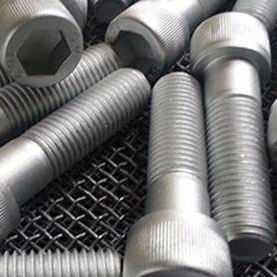
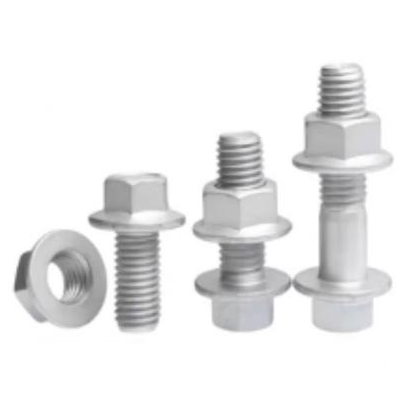
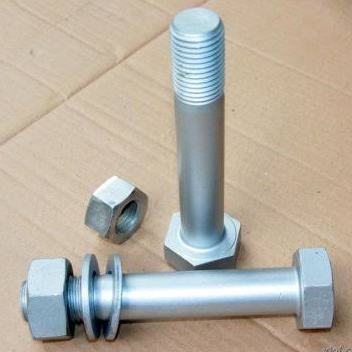
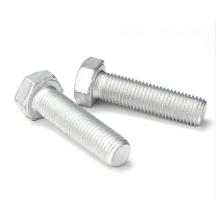
The company offers a comprehensive range of engineered fastening solutions, including Self-drilling Screws, Outer and Inner Hexagon Bolts, Machine Screws, and Rigging Components. Notable products include High Rust Resistance DIN931 Dacromet Hex Bolts, Hex Self-drilling Screws with EPDM Washers, and 1500H Corrosion-Resistant Coated Hexagon Self-Drilling Tapping Screws. All products comply with American, German, and Chinese national specifications, ensuring global compatibility.
Technical Expertise and Customer Support
With over 200 professionals, including a technical team with more than two decades of cumulative experience, Hebei Fujinrui provides more than just products. The company offers application guidance, standardization consultation, and customized packaging solutions. Their customer support is grounded in responsiveness and transparency, helping clients navigate complex procurement decisions and optimize their supply chains.
Global Reach and Reliability
Hebei Fujinrui serves a broad international clientele, with regular exports to Europe, North America, and the Middle East. The company’s stable production capacity and responsive order fulfillment enable it to meet OEM and project-based timelines consistently. Guided by a values-driven culture of integrity and diligence, Hebei Fujinrui is committed to contributing to global infrastructure development and industrial progress.
Conclusion
The manufacturing of Dacromet screws is a sophisticated process that combines metallurgical science with precision engineering. From the careful selection of zinc and aluminum flakes to the precise control of curing temperatures, every step contributes to the final product’s exceptional corrosion resistance and mechanical performance. Quality control standards, including salt spray testing and adhesion checks, ensure that these fasteners meet the rigorous demands of modern industry.
For businesses seeking reliable, high-performance fastening solutions, partnering with an experienced manufacturer is crucial. Hebei Fujinrui Metal Products Co., Ltd. exemplifies the integration of advanced technology, strict quality control, and customer-centric service. Whether for construction, automotive, or renewable energy applications, their Dacromet screws offer the durability and reliability needed to protect your investments. To learn more about their comprehensive product range and customization capabilities, visit Hebei Fujinrui Metal Products Co., Ltd. today.