- English
- Chinese
- French
- German
- Portuguese
- Spanish
- Russian
- Japanese
- Korean
- Arabic
- Irish
- Greek
- Turkish
- Italian
- Danish
- Romanian
- Indonesian
- Czech
- Afrikaans
- Swedish
- Polish
- Catalan
- Esperanto
- Hindi
- Lao
- Albanian
- Amharic
- Armenian
- Azerbaijani
- Belarusian
- Bengali
- Bosnian
- Bulgarian
- Cebuano
- Chichewa
- Corsican
- Croatian
- Dutch
- Estonian
- Filipino
- Finnish
- Frisian
- Galician
- Georgian
- Gujarati
- Haitian
- Hausa
- Hawaiian
- Hebrew
- Hmong
- Hungarian
- Icelandic
- Igbo
- Javanese
- Kannada
- Kazakh
- Khmer
- Kurdish
- Kyrgyz
- Latin
- Latvian
- Lithuanian
- Luxembou..
- Macedonian
- Malagasy
- Malay
- Malayalam
- Maltese
- Maori
- Marathi
- Mongolian
- Burmese
- Nepali
- Norwegian
- Pashto
- Persian
- Punjabi
- Serbian
- Sesotho
- Sinhala
- Slovak
- Slovenian
- Somali
- Samoan
- Scots Gaelic
- Shona
- Sindhi
- Sundanese
- Swahili
- Tajik
- Tamil
- Telugu
- Thai
- Ukrainian
- Urdu
- Uzbek
- Vietnamese
- Welsh
- Xhosa
- Yiddish
- Yoruba
- Zulu
- Kinyarwanda
- Tatar
- Oriya
- Turkmen
- Uyghur

Countersunk Bolt Manufacturer | High Quality Wholesale Supplier
2026-10-13
- What Is a Countersunk Bolt? Definition and Core Functionality
- Key Types of Countersunk Bolts and Standards
- Material Selection and Corrosion Protection
- Engineering Advantages of Using Countersunk Bolts
- Installation Best Practices and Common Errors
- Why Choose Hebei Fujinrui Metal Products Co., Ltd.?
- Frequently Asked Questions (FAQ)
- Conclusion: Secure Your Supply Chain with Precision Fasteners
A countersunk bolt is a specialized fastener designed with a conical head that sits flush with or below the surface of the material it secures. This design eliminates protrusions, ensuring a smooth, aerodynamic, and safe finish essential for aerospace, automotive, and high-end architectural applications. As a premier Countersunk Bolt Manufacturer, Hebei Fujinrui Metal Products Co., Ltd. delivers precision-engineered solutions compliant with ANSI, DIN, and ISO standards. Our wholesale supply chain ensures consistent quality, competitive pricing, and reliable delivery for global B2B partners seeking high-performance fastening systems.
What Is a Countersunk Bolt? Definition and Core Functionality
A countersunk bolt, often referred to as a flat-head bolt in industrial contexts, features a head shaped like an inverted cone. The primary engineering purpose of this geometry is to allow the fastener to seat deeply into a pre-drilled hole with a matching chamfer. Unlike hex bolts or pan-head screws that remain visible above the substrate, a countersunk bolt integrates seamlessly into the material profile.
This flush installation is critical in environments where surface irregularities can cause drag, interfere with moving parts, or pose safety hazards. For instance, in aircraft fuselage construction, even a millimeter of protrusion can disrupt airflow and increase fuel consumption. Similarly, in machinery with rotating components, exposed bolt heads can catch on belts or guards, leading to catastrophic equipment failure.
The structural integrity of a countersunk bolt relies on the precise interaction between the head angle and the mating hole. Common angles include 82 degrees (standard for imperial/ANSI standards) and 90 degrees (common in metric/DIN standards). Selecting the correct angle is not merely a matter of fit; it determines the load-bearing capacity and the distribution of clamping force across the joint.
Key Types of Countersunk Bolts and Standards
Understanding the specific type of countersunk bolt required for your application is vital for maintaining joint integrity. At Hebei Fujinrui Metal Products Co., Ltd., we manufacture a diverse range of configurations to meet international specifications. Below are the most prevalent types found in industrial procurement.
Flat Head Countersunk Bolts (ANSI B18.6.3 / DIN 7991)
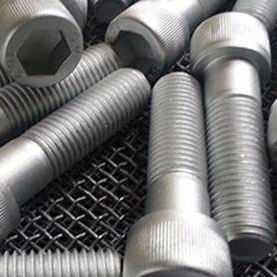
The standard flat head countersunk bolt is the most widely used variant. It features a simple conical head with a slotted, Phillips, or hex socket drive. In heavy-duty industrial applications, the hex socket (Allen drive) is preferred because it allows for higher torque application without cam-out, ensuring a tighter and more secure joint. DIN 7991 specifies metric dimensions, while ANSI standards govern imperial sizes. Our production lines are calibrated to maintain strict tolerances on head height and diameter, ensuring compatibility with standard counterbore tools.
Countersunk Hex Bolts with Washer Face
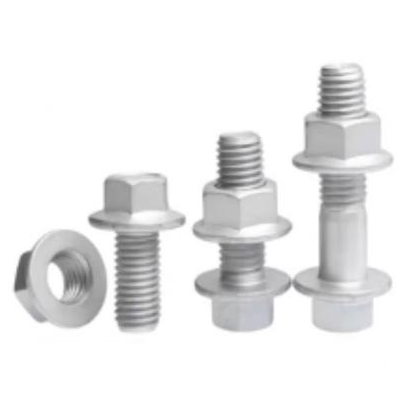
For applications requiring greater bearing surface area, countersunk bolts with an integrated washer face are ideal. This design combines the flush-mount benefit of a countersunk head with the load-distributing properties of a flange. It is particularly useful when fastening softer materials like aluminum or plastics, where a standard countersunk head might dig into the substrate under high tension. These bolts are commonly used in automotive assembly and electronic enclosures.
Oval Countersunk Bolts
While less common in heavy industry, oval countersunk bolts feature a rounded top that rises slightly above the surface. They are primarily used in decorative architectural metalwork or wood joinery where a completely flush finish is not strictly necessary, but a low profile is desired. However, for pure industrial and mechanical applications, the flat head remains the dominant choice due to its superior aerodynamic and spatial efficiency.
| Standard | Head Angle | Typical Region | Common Application |
|---|---|---|---|
| ANSI B18.6.3 | 82 Degrees | North America | Aerospace, Automotive, General Manufacturing |
| DIN 7991 | 90 Degrees | Europe, Asia | Machinery, Steel Construction, Railways |
| ISO 10642 | 90 Degrees | Global | International Equipment Export |
| JIS B 1180 | 90-100 Degrees | Japan, Asia | Precision Electronics, Automotive |
Material Selection and Corrosion Protection
The performance of a countersunk bolt is heavily influenced by its material composition and surface treatment. Choosing the wrong material can lead to galvanic corrosion, shear failure, or thread stripping. Hebei Fujinrui Metal Products Co., Ltd. integrates advanced metal surface corrosion protection technologies into our manufacturing process, ensuring longevity even in harsh environments.
Carbon Steel vs. Stainless Steel
Carbon Steel: This is the most cost-effective option for general-purpose applications. High-strength carbon steel bolts (Grade 8.8, 10.9, or 12.9) are ideal for structural connections in construction and heavy machinery. However, carbon steel is susceptible to rust. To mitigate this, we apply various coatings such as zinc plating, black oxide, or hot-dip galvanizing. Our facility in Handan City specializes in these protective treatments, ensuring that our carbon steel fasteners meet rigorous salt-spray test requirements.
Stainless Steel: For environments exposed to moisture, chemicals, or extreme temperatures, stainless steel (A2-304 or A4-316) is the superior choice. Stainless steel countersunk bolts offer inherent corrosion resistance without the need for additional plating. They are essential in marine applications, food processing equipment, and chemical plants. While more expensive than carbon steel, their durability reduces long-term maintenance costs.
Surface Treatments and Coatings
Our expertise in metal surface corrosion protection allows us to offer customized finishes tailored to specific environmental challenges:
- Zinc Plating: Provides a bright, aesthetic finish with moderate corrosion resistance. Suitable for indoor industrial use.
- Hot-Dip Galvanizing: Offers thick, robust protection against rust, ideal for outdoor structural steelwork and infrastructure projects.
- Black Oxide: Provides minimal corrosion resistance but adds a sleek, non-reflective finish often required in military and aerospace applications.
- Dacromet/Geomet: Advanced coating technologies offering superior corrosion resistance and torque-tension consistency, crucial for automotive and high-vibration environments.
Engineering Advantages of Using Countersunk Bolts
Why do engineers specify countersunk bolts over standard hex heads? The decision is driven by functional requirements rather than aesthetics alone. Here are the core technical benefits:
1. Aerodynamic Efficiency
In high-speed vehicles and aircraft, surface drag significantly impacts performance. Protruding fasteners create turbulence. Countersunk bolts eliminate this issue by creating a smooth, continuous surface. This is why they are mandatory in the skinning of aircraft wings and fuselages.
2. Safety and Hazard Reduction
In workplaces with high foot traffic or moving machinery, exposed bolt heads pose a snagging hazard. They can catch clothing, hoses, or cables. By recessing the bolt head, the risk of accidental entanglement is removed, enhancing workplace safety compliance.
3. Space Optimization
In compact mechanical assemblies, such as gearboxes or electronic enclosures, vertical space is at a premium. A standard hex bolt requires clearance above the head for installation and operation. A countersunk bolt requires no such clearance, allowing for tighter, more compact design layouts.
4. Uniform Load Distribution
When properly installed in a chamfered hole, the conical head of the bolt wedges tightly against the material. This creates a strong mechanical lock that resists lateral movement and vibration better than a flat-headed bolt sitting on a flat surface, provided the hole preparation is precise.
Installation Best Practices and Common Errors
Even the highest quality countersunk bolt will fail if installed incorrectly. Proper hole preparation is the single most important factor in the success of a countersunk joint. Hebei Fujinrui’s technical team recommends the following protocol to ensure optimal performance.
Step-by-Step Installation Guide
- Drill the Pilot Hole: Drill a hole through the materials to be joined. The diameter should match the shank of the bolt, not the head.
- Counterbore/Chamfer the Hole: Use a countersink bit to create the conical recess. Critical: Ensure the angle of the countersink bit matches the angle of the bolt head (e.g., 82° or 90°). Mismatched angles result in poor contact and reduced holding power.
- Deburr the Edge: Remove any sharp edges or burrs from the hole entrance. Burrs prevent the bolt head from seating fully flush.
- Insert the Bolt: Place the bolt into the hole. It should sit flush or slightly below the surface. If it sits high, the hole is too shallow; if it sinks too deep, the hole is too wide or the angle is incorrect.
- Tighten to Specification: Use the appropriate driver (hex key, screwdriver, or socket). Apply torque gradually. Over-tightening can strip the threads or deform the head, especially in softer materials like aluminum.
Common Installation Mistakes to Avoid
- Angle Mismatch: Using an 82-degree bolt in a 90-degree hole (or vice versa) results in line contact rather than surface contact. This concentrates stress on a small ring, leading to premature failure.
- Inadequate Hole Depth: If the countersunk hole is too shallow, the bolt head will protrude. This defeats the purpose of using a countersunk fastener and can cause interference.
- Overtightening: Countersunk heads have less material than hex heads. Excessive torque can cause the head to snap off or the drive socket to strip. Always use a torque wrench for critical applications.
- Ignoring Material Hardness: Driving a hard steel bolt into soft aluminum without a washer or proper chamfer can cause the bolt to pull through the material under load.
Why Choose Hebei Fujinrui Metal Products Co., Ltd.?
Selecting the right manufacturing partner is as crucial as selecting the right fastener. Established in 2004, Hebei Fujinrui Metal Products Co., Ltd. has evolved into a leading enterprise integrating fastener production and metal surface corrosion protection. Located in Handan City, Hebei Province—a hub for China’s fastener industry—our 10,000-square-meter facility is equipped with state-of-the-art machinery and staffed by over 200 skilled professionals.
Two Decades of Industry Expertise
With more than 20 years of experience in the fastener industry, we have refined our production technology to meet the exacting demands of global markets. Our mature production team understands the nuances of metallurgy, threading precision, and heat treatment. We do not just manufacture bolts; we engineer solutions that withstand real-world stresses.
Comprehensive Product Range and Standards Compliance
While we specialize in high-quality countersunk bolts, our capabilities extend to a full spectrum of fastening products, including:
- Self Drilling Screws
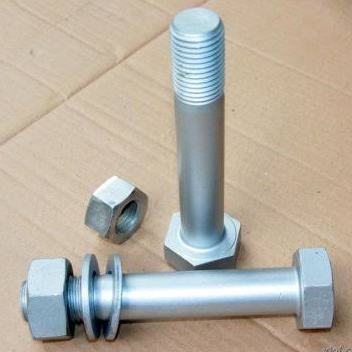
- Hexagonal bolts and nuts
- Flange bolts and nuts
- Flat and spring washers
We produce according to American (ANSI/ASTM), German (DIN), National (GB), and International (ISO) standards. This flexibility allows us to serve a diverse clientele across Europe, America, the Middle East, and beyond. Whether you require standard off-the-shelf items or custom-engineered components, our inventory is available year-round to support your supply chain continuity.
Integrated Corrosion Protection Technology
One of our key competitive advantages is our in-house metal surface corrosion protection capability. Many manufacturers outsource this step, leading to quality inconsistencies and longer lead times. By keeping this process in-house, we maintain strict control over coating thickness, adhesion, and uniformity. This ensures that every countersunk bolt leaving our factory meets the highest standards of durability and aesthetic quality.
Competitive Pricing Without Compromising Quality
We believe that high quality should not come with an prohibitive price tag. By optimizing our production workflows and leveraging our scale, we offer competitive pricing that helps our clients maintain their profit margins. Our commitment to value has made us a trusted partner for wholesalers, distributors, and large-scale industrial projects worldwide.
Frequently Asked Questions (FAQ)
What is the difference between a countersunk bolt and a standard hex bolt?
The primary difference lies in the head shape and installation method. A standard hex bolt has a hexagonal head that sits on top of the material, requiring vertical clearance. A countersunk bolt has a conical head that sits flush within a chamfered hole, creating a smooth surface. Countersunk bolts are used when aerodynamics, safety, or space constraints are priorities.
Can countersunk bolts be used in structural steel connections?
Yes, but with caution. Countersunk bolts are generally not recommended for primary structural connections subjected to high tensile loads unless specifically engineered for it. The countersinking process removes material from the connected plates, potentially weakening the joint. In structural steel, high-strength friction grip bolts are more common. However, for secondary structures, cladding, or non-load-bearing assemblies, countersunk bolts are highly effective.
How do I determine the correct length for a countersunk bolt?
The length of a countersunk bolt is measured from the top of the head to the tip of the shank. To determine the correct length, measure the total thickness of the materials being joined. The bolt should be long enough to pass through all layers and engage sufficient threads in the nut or tapped hole. A general rule is that at least 1.5 times the bolt diameter should engage in the threaded portion.
Do you offer custom packaging for wholesale orders?
Yes, Hebei Fujinrui Metal Products Co., Ltd. offers flexible packaging options to meet the needs of wholesalers and retailers. We can provide bulk packaging in cartons, pallets, or custom-branded boxes. Please contact our sales team to discuss your specific packaging requirements.
What certifications does your factory hold?
Our manufacturing processes adhere to international quality standards. We produce fasteners in compliance with ANSI, DIN, ISO, and GB standards. Our in-house testing facilities ensure that each batch meets the required mechanical properties and dimensional tolerances. For specific certification documents related to your project, please request them from our quality assurance team.
Conclusion: Secure Your Supply Chain with Precision Fasteners
In the world of industrial manufacturing, the smallest components often carry the greatest responsibility. A countersunk bolt is more than just a piece of metal; it is a critical element in the safety, efficiency, and aesthetics of your final product. Whether you are assembling aerospace components, automotive frames, or precision machinery, the quality of your fasteners directly impacts your brand’s reputation.
Hebei Fujinrui Metal Products Co., Ltd. stands ready to support your business with high-quality, standards-compliant countersunk bolts. With over two decades of experience, integrated corrosion protection technology, and a commitment to competitive pricing, we are positioned to be your long-term strategic partner. We understand the complexities of global trade and the need for reliable, on-time delivery.
Do not compromise on the integrity of your assemblies. Partner with a manufacturer that values precision, durability, and customer success.
Ready to optimize your fastener procurement?
Contact Hebei Fujinrui Metal Products Co., Ltd. today for a quote, technical consultation, or sample request. Let us demonstrate why we are the preferred choice for wholesalers and industrial buyers worldwide.