- English
- Chinese
- French
- German
- Portuguese
- Spanish
- Russian
- Japanese
- Korean
- Arabic
- Irish
- Greek
- Turkish
- Italian
- Danish
- Romanian
- Indonesian
- Czech
- Afrikaans
- Swedish
- Polish
- Catalan
- Esperanto
- Hindi
- Lao
- Albanian
- Amharic
- Armenian
- Azerbaijani
- Belarusian
- Bengali
- Bosnian
- Bulgarian
- Cebuano
- Chichewa
- Corsican
- Croatian
- Dutch
- Estonian
- Filipino
- Finnish
- Frisian
- Galician
- Georgian
- Gujarati
- Haitian
- Hausa
- Hawaiian
- Hebrew
- Hmong
- Hungarian
- Icelandic
- Igbo
- Javanese
- Kannada
- Kazakh
- Khmer
- Kurdish
- Kyrgyz
- Latin
- Latvian
- Lithuanian
- Luxembou..
- Macedonian
- Malagasy
- Malay
- Malayalam
- Maltese
- Maori
- Marathi
- Mongolian
- Burmese
- Nepali
- Norwegian
- Pashto
- Persian
- Punjabi
- Serbian
- Sesotho
- Sinhala
- Slovak
- Slovenian
- Somali
- Samoan
- Scots Gaelic
- Shona
- Sindhi
- Sundanese
- Swahili
- Tajik
- Tamil
- Telugu
- Thai
- Ukrainian
- Urdu
- Uzbek
- Vietnamese
- Welsh
- Xhosa
- Yiddish
- Yoruba
- Zulu
- Kinyarwanda
- Tatar
- Oriya
- Turkmen
- Uyghur

China Socket Head Cap Screws Manufacturer
2026-10-21
- What Are Socket Head Cap Screws? Technical Definition and Structure
- Why Choose Hebei Fujinrui as Your Socket Head Cap Screws Manufacturer?
- Material Grades and Mechanical Properties
- International Standards and Specifications
- Applications of Socket Head Cap Screws in Industry
- How to Select the Right Socket Head Cap Screw
- Installation Best Practices and Common Mistakes
- Frequently Asked Questions (FAQ)
- Conclusion: Partnering for Precision and Reliability
Socket head cap screws are precision fasteners characterized by a cylindrical head with an internal hexagonal drive, designed for high-torque applications where space is limited. Manufactured to strict international standards such as DIN 912 and ISO 4762, these screws offer superior clamping force and a sleek, low-profile finish. As a leading China socket head cap screws manufacturer, Hebei Fujinrui Metal Products Co., Ltd. leverages over two decades of industrial expertise to deliver high-grade alloy steel fasteners with consistent dimensional accuracy and robust corrosion resistance for global engineering projects.
What Are Socket Head Cap Screws? Technical Definition and Structure
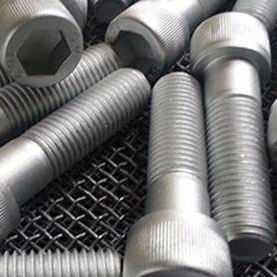
A socket head cap screw, often referred to as an Allen bolt or hex socket screw, is a type of machine screw with a cylindrical head and an internal hexagonal indentation (socket). This design allows the fastener to be driven by a hex key (Allen wrench) or a power driver with a hex bit. Unlike external drive fasteners, the internal drive system prevents cam-out under high torque, ensuring a secure and precise tightening process.
The structural integrity of a socket head cap screw is defined by three main components:
- The Head: Cylindrical in shape, providing a bearing surface that distributes load evenly. The head diameter is typically 1.5 times the thread diameter, allowing for installation in counterbored holes where a flush surface is required.
- The Socket: A hexagonal recess within the head. The depth and geometry of this socket are critical for transmitting torque from the driver to the screw without stripping.
- The Shank and Thread: The shank can be fully threaded or partially threaded. The threads are precision-cut to engage with tapped holes or nuts, creating the necessary clamping force to hold components together.
In industrial manufacturing, the choice between a socket head cap screw and other fastener types often depends on the need for high strength in confined spaces. The internal drive mechanism eliminates the need for external wrench clearance, making these screws ideal for machinery, automotive assemblies, and aerospace applications where external protrusions must be minimized.
Why Choose Hebei Fujinrui as Your Socket Head Cap Screws Manufacturer?
Selecting the right supplier for critical fasteners is as important as selecting the correct specification. Hebei Fujinrui Metal Products Co., Ltd. has established itself as a trusted partner for international buyers seeking reliability, quality, and scalability. Established in 2004 in Handan City, Hebei Province, the company has grown into a comprehensive enterprise integrating fastener production with advanced metal surface corrosion protection technologies.
With a facility covering 10,000 square meters and a dedicated workforce of over 200 skilled professionals, Hebei Fujinrui combines traditional manufacturing craftsmanship with modern quality control systems. The company’s mature production technology team ensures that every batch of socket head cap screws meets rigorous international standards, including American (ANSI/ASME), German (DIN), and Chinese National (GB) specifications.
Our commitment to quality extends beyond mere production. We understand that fasteners are critical components in safety-sensitive industries. Therefore, our manufacturing process integrates strict material traceability, dimensional inspection, and mechanical property testing. Whether you require standard commercial grades or high-performance alloy steel variants, our 20+ years of experience in the fastener industry guarantee a product that performs reliably under stress.
Key Manufacturing Capabilities
- Material Versatility: Production capabilities include carbon steel, alloy steel, stainless steel, and specialized materials for extreme environments.
- Surface Treatment Integration: In-house corrosion protection services ensure longer service life, including zinc plating, black oxide, and hot-dip galvanizing.
- Global Compliance: Products are manufactured to meet the specific regulatory and technical requirements of markets in Europe, America, and the Middle East.
- Scalable Production: With year-round availability of raw materials and efficient production lines, we can handle both small prototype orders and large-scale industrial contracts.
Material Grades and Mechanical Properties
The performance of a socket head cap screw is largely determined by its material composition and heat treatment. Understanding these properties is essential for engineers and procurement specialists to ensure the fastener matches the application’s load requirements.
Alloy Steel (High Tensile Strength)
Alloy steel socket head cap screws are the most common choice for high-strength applications. Typically made from medium carbon alloy steel such as SCM435 or 40Cr, these screws undergo quenching and tempering processes to achieve high tensile strength.
- Grade 10.9 / Class 10.9: Offers a minimum tensile strength of 1040 MPa. Suitable for general machinery, automotive chassis, and structural connections where high preload is necessary.
- Grade 12.9 / Class 12.9: The highest standard strength class for steel screws, with a minimum tensile strength of 1220 MPa. Used in heavy-duty equipment, mining machinery, and high-performance automotive engines.
Stainless Steel (Corrosion Resistance)
For environments exposed to moisture, chemicals, or saltwater, stainless steel socket head cap screws provide excellent corrosion resistance without sacrificing significant strength.
- A2-70 (304 Stainless): General-purpose corrosion resistance. Ideal for food processing equipment, architectural fixtures, and outdoor applications in mild climates.
- A4-80 (316 Stainless): Superior resistance to chlorides and acids. Recommended for marine environments, chemical plants, and coastal infrastructure.
| Property Class | Material Type | Min. Tensile Strength (MPa) | Typical Application |
|---|---|---|---|
| 8.8 | Medium Carbon Steel | 800 | General construction, non-critical machinery |
| 10.9 | Alloy Steel (Quenched & Tempered) | 1040 | Automotive, heavy machinery, structural steel |
| 12.9 | Alloy Steel (Quenched & Tempered) | 1220 | High-stress joints, mining, aerospace components |
| A2-70 | Stainless Steel 304 | 700 | Food industry, architecture, mild outdoor use |
| A4-80 | Stainless Steel 316 | 800 | Marine, chemical processing, pharmaceutical |
International Standards and Specifications
Global trade requires adherence to recognized standards to ensure interchangeability and safety. Hebei Fujinrui manufactures socket head cap screws in compliance with major international standards, ensuring seamless integration into your supply chain.
DIN 912 and ISO 4762
The German Institute for Standardization (DIN) 912 and the International Organization for Standardization (ISO) 4762 are the most widely referenced standards for metric socket head cap screws. These standards define the dimensions, tolerances, and mechanical properties for screws with diameters ranging from M1.6 to M64.
Key features of DIN 912/ISO 4762 compliant screws include:
- Head Height: Precisely controlled to ensure uniformity across batches.
- Socket Depth: Optimized to prevent tool slippage while maintaining head integrity.
- Thread Tolerance: Typically 6g for external threads, ensuring smooth engagement with 6H internal threads.
ANSI/ASME B18.3 (Imperial/UNC/UNF)
For projects in the United States or those using imperial measurements, ANSI/ASME B18.3 standards apply. These specify dimensions for socket head cap screws in inch sizes, including UNC (Coarse) and UNF (Fine) thread series. Hebei Fujinrui’s production lines are equipped to handle both metric and imperial tooling, providing flexibility for diverse global clients.
Applications of Socket Head Cap Screws in Industry
The versatility of socket head cap screws makes them indispensable across various sectors. Their ability to provide high clamping force in a compact form factor drives their adoption in critical engineering applications.
Automotive and Transportation
In the automotive industry, space is at a premium, and vibration resistance is critical. Socket head cap screws are used in engine assemblies, transmission systems, and chassis components. The internal hex drive allows for automated assembly with precise torque control, reducing the risk of loose fasteners during vehicle operation. High-strength Grade 12.9 screws are often employed in suspension systems where dynamic loads are significant.
Machinery and Equipment Manufacturing
Industrial machinery, including CNC machines, robotics, and conveyor systems, relies on socket head cap screws for modular assembly. The flush head design allows for smooth surfaces on moving parts, reducing the risk of interference with other components. Furthermore, the high shear strength of these screws ensures that machine frames remain rigid under operational stress.
Construction and Structural Engineering
While hex bolts are common in structural steel, socket head cap screws are preferred for connecting machinery to foundations or for assembling prefabricated structural components where aesthetic finish and space constraints are considerations. Stainless steel variants are increasingly used in modern architectural designs for visible fastening points due to their clean, industrial look.
Energy and Oil & Gas
In the energy sector, particularly in oil and gas extraction, equipment is subjected to extreme pressures and corrosive environments. Socket head cap screws made from specialized alloy steels or high-grade stainless steel (A4-80) are used in valve assemblies, pump housings, and pipeline flanges. Reliability in these applications is non-negotiable, making the quality assurance processes of manufacturers like Hebei Fujinrui crucial.
How to Select the Right Socket Head Cap Screw
Choosing the correct socket head cap screw involves more than just matching the thread size. Engineers and procurement managers must consider several factors to ensure optimal performance and longevity.
1. Determine the Load Requirements
Assess whether the joint will be subjected to static loads, dynamic vibrations, or shear forces. For high-vibration environments, consider using locking patches or secondary locking mechanisms. For high-tensile requirements, select Grade 10.9 or 12.9 alloy steel screws.
2. Evaluate Environmental Conditions
If the application is exposed to moisture, chemicals, or temperature extremes, material selection is critical. Stainless steel (A2 or A4) is necessary for corrosion resistance. For high-temperature applications, ensure the material retains its mechanical properties at operating temperatures.
3. Check Space Constraints
Socket head cap screws are ideal for tight spaces. Verify the head diameter and height against the available clearance. Ensure that the hex key or driver bit can access the socket without obstruction.
4. Specify the Correct Standard
Confirm whether the project requires metric (DIN/ISO) or imperial (ANSI) standards. Mixing standards can lead to thread mismatch and joint failure. Hebei Fujinrui provides clear documentation on the standards met by each product batch.
Installation Best Practices and Common Mistakes
Even the highest quality socket head cap screw can fail if installed incorrectly. Proper installation techniques are essential to maintain the integrity of the joint.
Use the Correct Tool Size
One of the most common errors is using a worn or incorrect size hex key. A loose fit can round off the internal socket, rendering the screw unusable and potentially damaging the assembly. Always use high-quality, hardened hex keys that match the screw size exactly.
Apply Correct Torque
Over-tightening can stretch the screw beyond its yield point, leading to immediate failure or premature fatigue. Under-tightening can result in joint loosening due to vibration. Use a calibrated torque wrench and refer to standard torque tables for the specific grade and size of the screw.
Avoid Galvanic Corrosion
When using stainless steel screws with aluminum or carbon steel components, galvanic corrosion can occur. Use appropriate washers or coatings to isolate dissimilar metals. Hebei Fujinrui offers various surface treatments to mitigate this risk in mixed-material assemblies.
Inspect Threads Before Assembly
Ensure that the tapped hole or nut is clean and free of debris. Damaged threads can cause cross-threading, which compromises the clamping force and can strip the internal threads of the mating component.
Frequently Asked Questions (FAQ)
What is the difference between a socket head cap screw and a hex bolt?
The primary difference lies in the drive mechanism and head shape. A socket head cap screw has an internal hexagonal drive and a cylindrical head, allowing for installation in tight spaces and a flush finish. A hex bolt has an external hexagonal head, requiring a wrench or socket for installation, and typically has a larger head profile. Socket screws generally offer higher precision and are used in machinery, while hex bolts are common in structural construction.
Can socket head cap screws be reused?
High-strength alloy steel socket head cap screws (Grade 10.9 and 12.9) are generally not recommended for reuse after being tightened to their full torque specification, as they may have undergone plastic deformation. Stainless steel screws are more ductile and can sometimes be reused, but it is best practice to inspect them for signs of stretching or thread damage before reinstallation. In critical applications, always replace fasteners.
Does Hebei Fujinrui offer custom socket head cap screws?
Yes, Hebei Fujinrui Metal Products Co., Ltd. supports custom manufacturing requests. While we specialize in standard DIN, ISO, and ANSI specifications, our experienced engineering team can produce non-standard lengths, special materials, or unique surface treatments to meet specific project requirements. Contact our sales team with your technical drawings for a feasibility assessment.
What surface treatments are available for corrosion protection?
We offer a range of surface treatments including zinc plating (clear, yellow, black), black oxide, hot-dip galvanizing, and Dacromet. For stainless steel screws, passivation is commonly used to enhance the natural corrosion resistance. The choice of treatment depends on the environmental conditions and aesthetic requirements of the application.
How do I verify the quality of socket head cap screws from China?
Quality verification should involve reviewing material certificates (Mill Test Reports), checking for dimensional compliance with calipers and gauges, and conducting hardness tests. Reputable manufacturers like Hebei Fujinrui provide full documentation for each batch, including chemical composition analysis and mechanical property test results. Third-party inspection services can also be engaged for large orders.
Conclusion: Partnering for Precision and Reliability
Socket head cap screws are fundamental to the integrity of modern mechanical assemblies. Their unique design offers a blend of high strength, precision, and aesthetic appeal that few other fasteners can match. However, the performance of these components is directly linked to the manufacturing quality and material integrity provided by the supplier.
Hebei Fujinrui Metal Products Co., Ltd. stands ready to support your engineering needs with high-quality, standards-compliant socket head cap screws. With over 20 years of experience, a robust production capacity, and a commitment to international quality standards, we are positioned to be your reliable sourcing partner in China. Whether you are building heavy machinery, automotive systems, or specialized industrial equipment, our fasteners provide the security and durability your projects demand.
For detailed technical specifications, custom quotes, or sample requests, contact our team today. Let us help you secure your next project with precision-engineered fastening solutions.