- English
- Chinese
- French
- German
- Portuguese
- Spanish
- Russian
- Japanese
- Korean
- Arabic
- Irish
- Greek
- Turkish
- Italian
- Danish
- Romanian
- Indonesian
- Czech
- Afrikaans
- Swedish
- Polish
- Catalan
- Esperanto
- Hindi
- Lao
- Albanian
- Amharic
- Armenian
- Azerbaijani
- Belarusian
- Bengali
- Bosnian
- Bulgarian
- Cebuano
- Chichewa
- Corsican
- Croatian
- Dutch
- Estonian
- Filipino
- Finnish
- Frisian
- Galician
- Georgian
- Gujarati
- Haitian
- Hausa
- Hawaiian
- Hebrew
- Hmong
- Hungarian
- Icelandic
- Igbo
- Javanese
- Kannada
- Kazakh
- Khmer
- Kurdish
- Kyrgyz
- Latin
- Latvian
- Lithuanian
- Luxembou..
- Macedonian
- Malagasy
- Malay
- Malayalam
- Maltese
- Maori
- Marathi
- Mongolian
- Burmese
- Nepali
- Norwegian
- Pashto
- Persian
- Punjabi
- Serbian
- Sesotho
- Sinhala
- Slovak
- Slovenian
- Somali
- Samoan
- Scots Gaelic
- Shona
- Sindhi
- Sundanese
- Swahili
- Tajik
- Tamil
- Telugu
- Thai
- Ukrainian
- Urdu
- Uzbek
- Vietnamese
- Welsh
- Xhosa
- Yiddish
- Yoruba
- Zulu
- Kinyarwanda
- Tatar
- Oriya
- Turkmen
- Uyghur

Channel Nut Manufacturer | Wholesale & Custom Solutions
2026-10-16
- What Is a Channel Nut and How Does It Work?
- Types of Channel Nuts: Selection Guide
- Channel Nut Material and Finish Options
- Technical Specifications and Standards
- Installation Best Practices
- Why Choose Hebei Fujinrui Metal Products Co., Ltd.?
- Frequently Asked Questions (FAQ)
- Applications of Channel Nuts in Industry
- Conclusion: Secure Your Supply Chain with Reliable Fasteners
A channel nut is a specialized fastener designed to slide into the grooves of metal framing channels, such as strut channels or Unistrut systems. Unlike standard hex nuts, channel nuts feature a spring-loaded mechanism or specific geometry that allows them to be inserted at any point along the channel and locked into position without welding. This design enables adjustable, modular construction for electrical, mechanical, and structural support systems. As a premier Channel Nut Manufacturer, Hebei Fujinrui Metal Products Co., Ltd. provides high-precision wholesale and custom solutions tailored to global engineering standards.
What Is a Channel Nut and How Does It Work?
In industrial construction and MEP (Mechanical, Electrical, and Plumbing) installations, speed and adjustability are critical. A channel nut, often referred to as a strut channel nut or T-nut, serves as the primary connecting element between accessories and metal framing channels. The core functionality relies on its interaction with the inward-facing lips of the channel profile.
The typical structure includes a threaded body and a locking mechanism. When inserted into the channel, the nut aligns with the slot. Upon tightening a bolt through the attached fixture, the nut is pulled against the channel lips. This action creates a secure friction lock, preventing rotation and slippage under load. Some variants utilize a spring steel clip to hold the nut in place during initial assembly, significantly reducing installation time.
Key Components of a Standard Channel Nut
- Threaded Body: Usually made from carbon steel or stainless steel, featuring UNC, UNF, or Metric threads depending on regional standards.
- Locking Mechanism: Can be a simple serrated face, a spring clip, or a rotating cam design that bites into the channel edge.
- Material Finish: Zinc plating, hot-dip galvanizing, or stainless steel passivation to resist corrosion in harsh environments.
Understanding these components is essential for selecting the right fastener for your project. At Hebei Fujinrui Metal Products Co., Ltd., our production team ensures that each component meets strict dimensional tolerances, ensuring seamless integration with major framing systems used in Europe, America, and the Middle East.
Types of Channel Nuts: Selection Guide
Not all channel nuts are created equal. The choice depends on the load requirements, the need for adjustability, and the environmental conditions. Below is a detailed breakdown of the most common types available in the market.
1. Spring Channel Nuts
Spring channel nuts incorporate a hardened steel spring clip. This clip holds the nut in place within the channel slot before the bolt is tightened. This “hands-free” feature is invaluable when working overhead or in tight spaces where holding the nut with one hand while threading the bolt with the other is difficult.
- Best For: Overhead installations, HVAC ductwork, and cable tray supports.
- Advantage: Drastically reduces labor time and improves worker safety.
2. Standard Square Channel Nuts
These are the most basic type, lacking a spring mechanism. They rely entirely on the friction generated by tightening the bolt to stay in place. While they require two hands to install (one to hold the nut, one to turn the wrench), they are cost-effective and highly reliable for static loads.
- Best For: Ground-level assemblies, heavy structural supports, and budget-conscious projects.
- Advantage: Lower unit cost and simpler manufacturing process.
3. Centering Channel Nuts
Designed with a wider base or specific guide features, centering nuts automatically align themselves in the middle of the channel width. This is crucial when attaching fixtures that require precise alignment or when using wide-channel profiles.
4. Heavy-Duty Channel Nuts
Engineered for high-load applications, these nuts feature thicker walls and reinforced locking teeth. They are often used in seismic bracing, heavy machinery mounting, and outdoor structural frameworks where vibration resistance is paramount.
Channel Nut Material and Finish Options
Corrosion resistance and tensile strength are determined by the material and surface treatment. Choosing the wrong finish can lead to premature failure, especially in outdoor or chemical-heavy environments.
| Material/Finish | Characteristics | Typical Applications |
|---|---|---|
| Carbon Steel + Zinc Plated | Cost-effective, moderate corrosion resistance. Commonly blue-white or yellow zinc. | Indoor electrical conduits, dry environments, general commercial construction. |
| Hot-Dip Galvanized (HDG) | Thick zinc coating, excellent corrosion resistance, rugged appearance. | Outdoor structures, wastewater treatment plants, coastal areas. |
| Stainless Steel (304/316) | Superior corrosion resistance, high strength, non-magnetic (304/316 varies). | Food processing, marine environments, chemical plants, pharmaceutical facilities. |
| Powder Coated | Aesthetic finish, color customization, good scratch resistance. | Architectural exposures, visible installations requiring specific colors. |
Hebei Fujinrui Metal Products Co., Ltd. integrates metal surface corrosion protection directly into our production line. With over 20 years of experience, we ensure that our finishes adhere to international standards, providing long-term durability for exports to Europe, America, and the Middle East.
Technical Specifications and Standards
When sourcing channel nuts, compliance with industry standards is non-negotiable. Our manufacturing facility in Handan City, Hebei Province, produces fasteners that align with major global specifications.
Common Thread Standards
- Imperial (UNC/UNF): 1/4″-20, 3/8″-16, 1/2″-13 are the most prevalent sizes in North American markets.
- Metric (ISO): M6, M8, M10, M12 are standard in European and Asian markets.
Channel Compatibility
Channel nuts must match the profile of the strut channel. The two most common profiles are:
- 1-5/8″ x 1-5/8″ (41mm x 41mm): The standard heavy-duty strut channel.
- 1-5/8″ x 13/16″ (41mm x 22mm): Light-duty channel, often used for cable management.
Using a nut designed for a 1-5/8″ channel in a narrower slot will result in improper locking and potential failure. Our quality control team verifies batch samples against these dimensional constraints to ensure 100% compatibility.
Installation Best Practices
Even the highest quality channel nut can fail if installed incorrectly. Follow these steps to ensure maximum holding power and safety.
Step-by-Step Installation Guide
- Inspect the Channel: Ensure the channel slot is free of debris, paint buildup, or burrs that could prevent the nut from seating correctly.
- Insert the Nut: For spring nuts, push the nut into the slot until the spring clips engage. For standard nuts, insert manually and hold in place.
- Position the Fixture: Align the hole in your bracket or fixture with the channel slot.
- Insert the Bolt: Thread the bolt through the fixture and into the channel nut. Hand-tighten initially to ensure proper thread engagement.
- Torque to Specification: Use a torque wrench to tighten the bolt to the manufacturer’s recommended value. Over-tightening can strip threads or deform the channel lips; under-tightening may allow slippage.
Common Installation Errors to Avoid
- Cross-Threading: Forcing the bolt at an angle can damage the nut’s threads. Always start by hand.
- Ignoring Load Direction: Ensure the nut is oriented correctly relative to the load. Some nuts have directional locking features.
- Reusing Damaged Nuts: If a nut shows signs of stripped threads or deformed locking teeth, replace it. Do not reuse compromised fasteners.
Why Choose Hebei Fujinrui Metal Products Co., Ltd.?
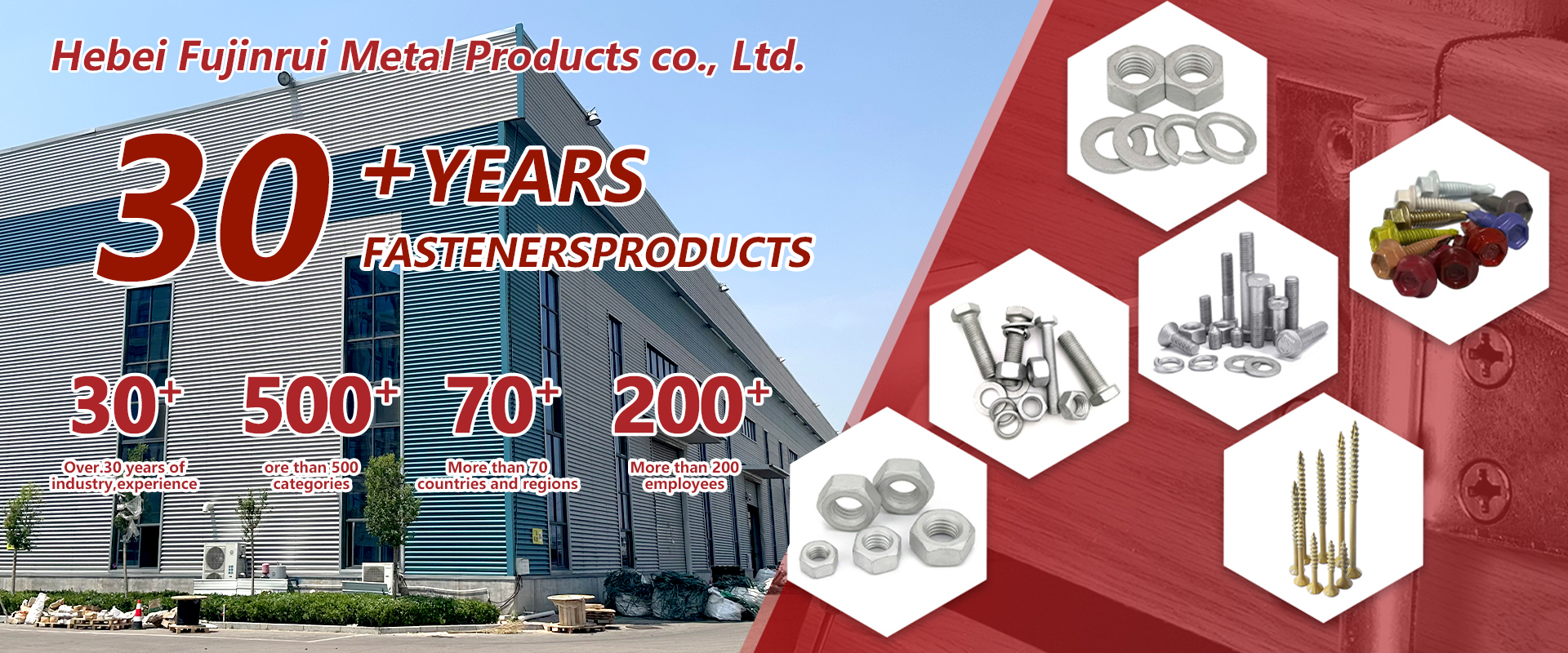
In the competitive landscape of industrial fasteners, reliability and supply chain stability are key. Established in 2004, Hebei Fujinrui Metal Products Co., Ltd. has grown into a comprehensive enterprise integrating fastener production and metal surface corrosion protection.
Manufacturing Capability and Scale
Located in Handan City, Hebei Province, our facility covers 10,000 square meters and employs more than 200 skilled workers. This scale allows us to handle large wholesale orders while maintaining the flexibility for custom solutions. Our mature production technology team oversees every stage, from raw material selection to final packaging.
Diverse Product Portfolio
While we specialize in channel nuts, our expertise extends across a broad range of fasteners. We produce:
- Self Drilling Screws
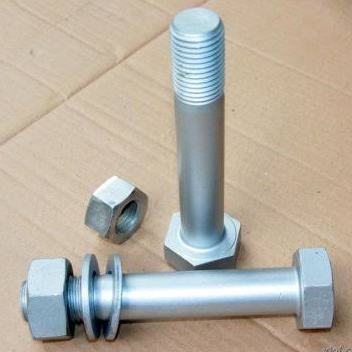
- Hexagonal bolts and nuts
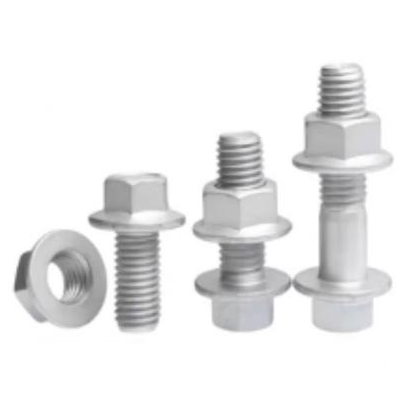
- Flange bolts and nuts
- Flat and spring washers
This diverse capability means we can serve as a single-source supplier for complex projects requiring multiple fastener types, simplifying logistics and procurement for our clients.
Global Compliance and Export Experience
We understand that different regions have different standards. Our products are manufactured to meet American (ASTM/ANSI), German (DIN), and National (GB) standards. With over two decades of export experience to Europe, America, and the Middle East, we are well-versed in the documentation, packaging, and quality expectations of international buyers.
Quality Assurance and Corrosion Protection
Our integrated approach to metal surface corrosion protection sets us apart. We do not outsource critical finishing processes. This control ensures that our zinc plating, galvanizing, and other treatments meet the rigorous demands of outdoor and industrial applications. High-quality products at competitive prices make us a trusted partner for distributors and contractors worldwide.
Frequently Asked Questions (FAQ)
What is the load capacity of a standard channel nut?
Load capacity varies by size, material, and orientation. Generally, a 3/8″-16 carbon steel channel nut can support several hundred pounds in tension. However, shear loads and dynamic vibrations reduce effective capacity. Always consult engineering tables for specific load ratings based on your channel profile and safety factors.
Can channel nuts be reused?
Standard channel nuts can often be reused if the threads and locking mechanisms are intact. However, spring nuts may lose their tension after multiple uses. For critical structural applications, it is best practice to use new fasteners to ensure consistent performance.
What is the difference between a channel nut and a T-nut?
While often used interchangeably, “T-nut” typically refers to nuts used in wood or aluminum extrusions with a T-slot. “Channel nut” specifically refers to fasteners designed for metal strut channels with inward-facing lips. The locking mechanisms differ significantly due to the material properties of steel versus wood or aluminum.
Do you offer custom packaging for wholesale orders?
Yes, Hebei Fujinrui Metal Products Co., Ltd. offers custom packaging solutions. Whether you require bulk packing for contractors or retail-ready boxes for distributors, we can tailor our packaging to meet your branding and logistical needs.
How do I prevent channel nuts from rotating during installation?
Using spring-loaded channel nuts is the most effective method. For standard nuts, some installers use a slight angle of insertion to wedge the nut temporarily, or they use a second tool to hold the nut from behind if access allows. Proper torque application also helps seat the locking teeth quickly.
Applications of Channel Nuts in Industry
The versatility of channel nuts makes them indispensable across various sectors. Their ability to facilitate modular, adjustable, and weld-free construction drives efficiency in modern engineering.
Electrical and Data Infrastructure
In commercial buildings, channel nuts secure conduit straps, cable trays, and junction boxes to strut frameworks. The adjustability allows electricians to make on-site modifications without cutting or welding, adhering to strict electrical codes.
HVAC and Mechanical Support
Heavy ductwork, pipes, and ventilation units require robust support. Heavy-duty channel nuts provide the necessary strength to hold these loads securely. Vibration-resistant designs help maintain integrity in systems with moving air or fluids.
Solar Energy Mounting
Solar panel racking systems heavily rely on channel nuts for attaching panels to aluminum or steel rails. Stainless steel channel nuts are preferred here due to outdoor exposure and the need for long-term corrosion resistance.
Industrial Machinery and Safety Guards
Factories use channel systems to build safety cages, machine guards, and workstations. Channel nuts allow these structures to be reconfigured easily as production lines change, offering a flexible alternative to welded frames.
Conclusion: Secure Your Supply Chain with Reliable Fasteners
Choosing the right channel nut is about more than just price; it is about structural integrity, installation efficiency, and long-term durability. Whether you are managing a large-scale infrastructure project or distributing high-quality fasteners, partnering with an experienced manufacturer is crucial.
Hebei Fujinrui Metal Products Co., Ltd. brings over 20 years of expertise to every order. From our 10,000-square-meter facility in Handan City, we deliver precision-engineered channel nuts, self-drilling screws, and structural bolts to clients across Europe, America, and the Middle East. Our commitment to quality, combined with competitive pricing and custom solutions, makes us the ideal partner for your B2B fastener needs.
Ready to optimize your procurement strategy? Contact us today to discuss your specific requirements, request samples, or receive a customized quote for your next project.
Explore our full range of fastener products and technical solutions